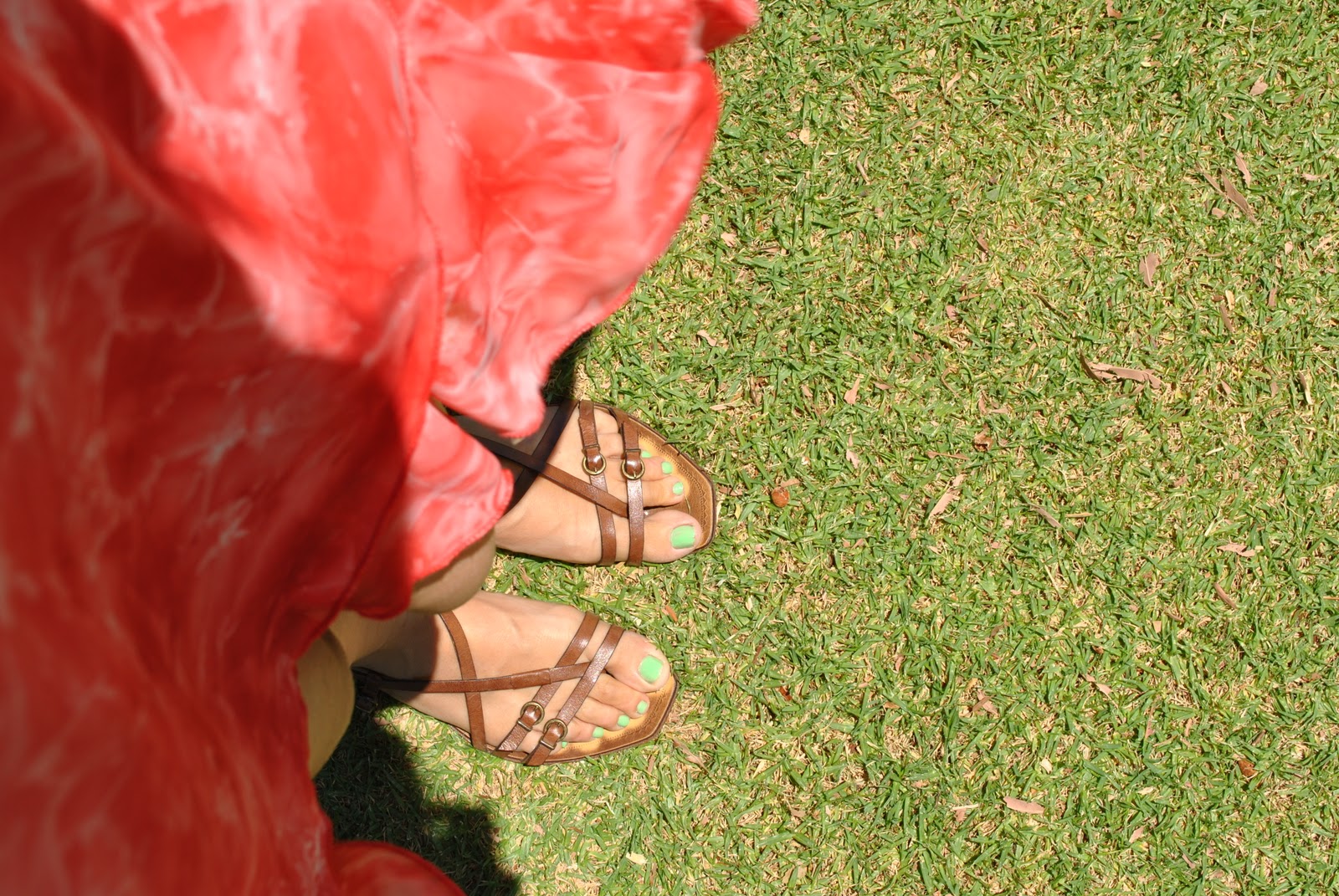
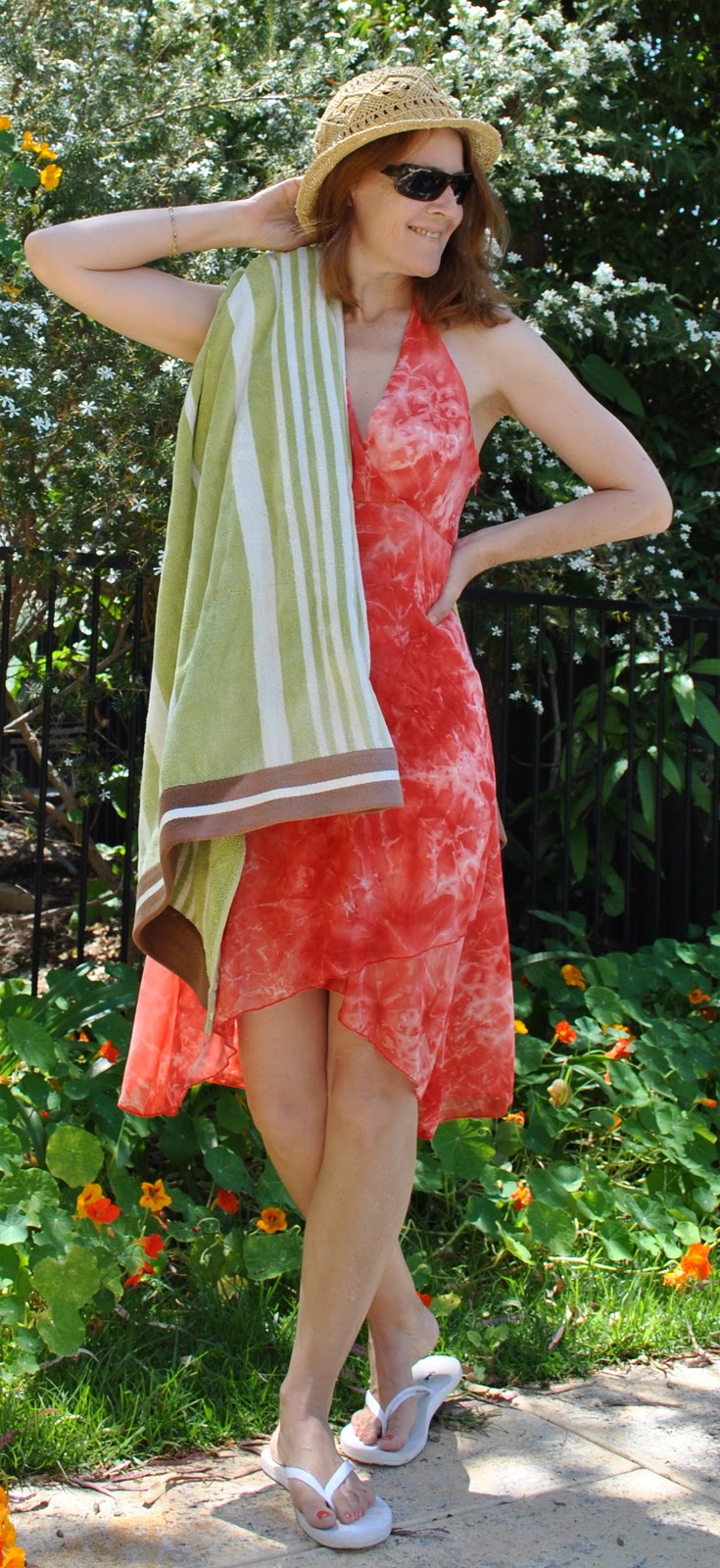
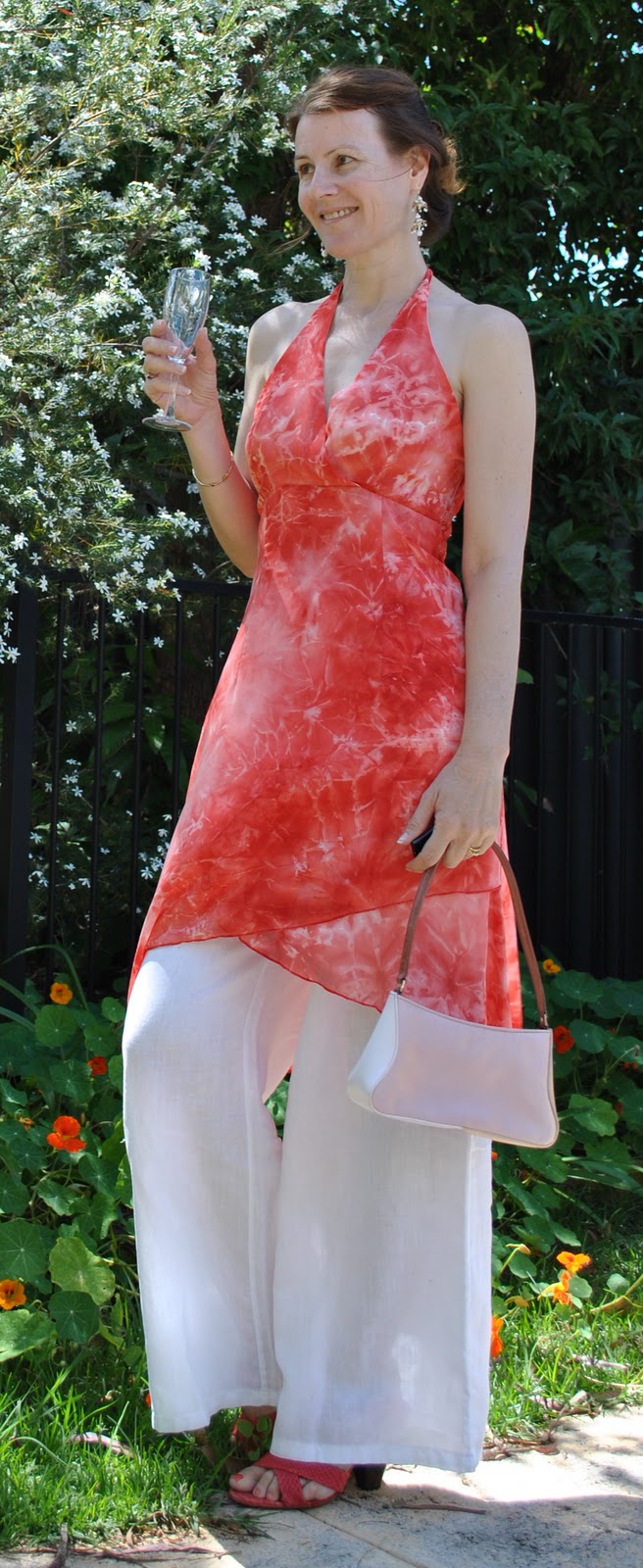
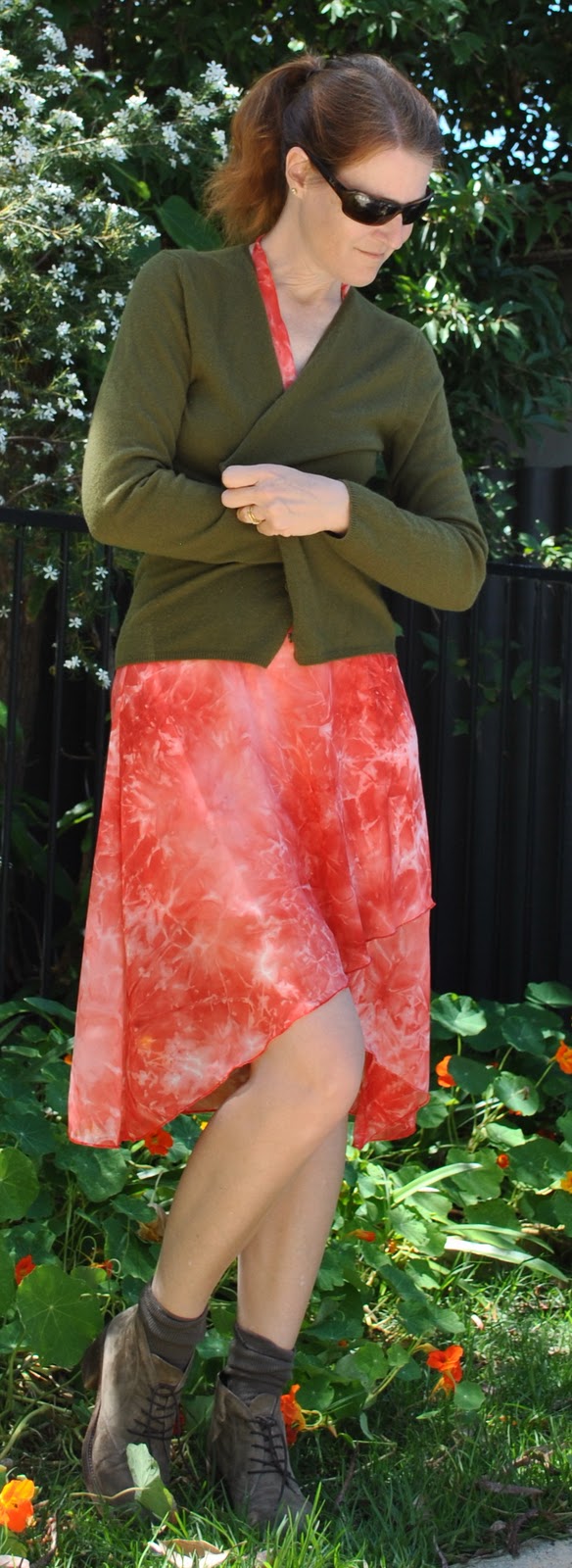
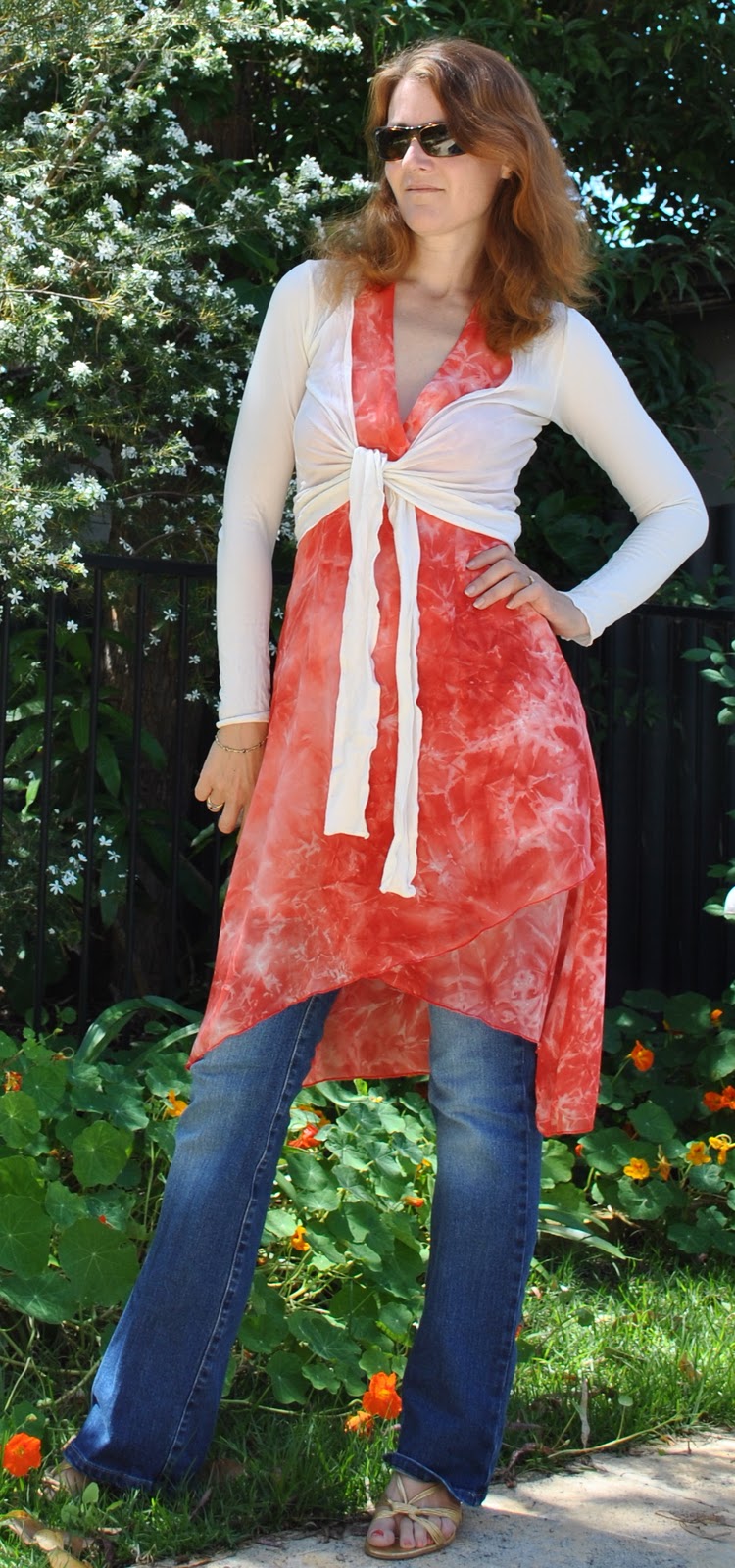
I decided last night to wear this dress today, long before I remembered it was Remembrance Day. Seemed fortuitous when I saw the RSL poppies being sold on the streets.
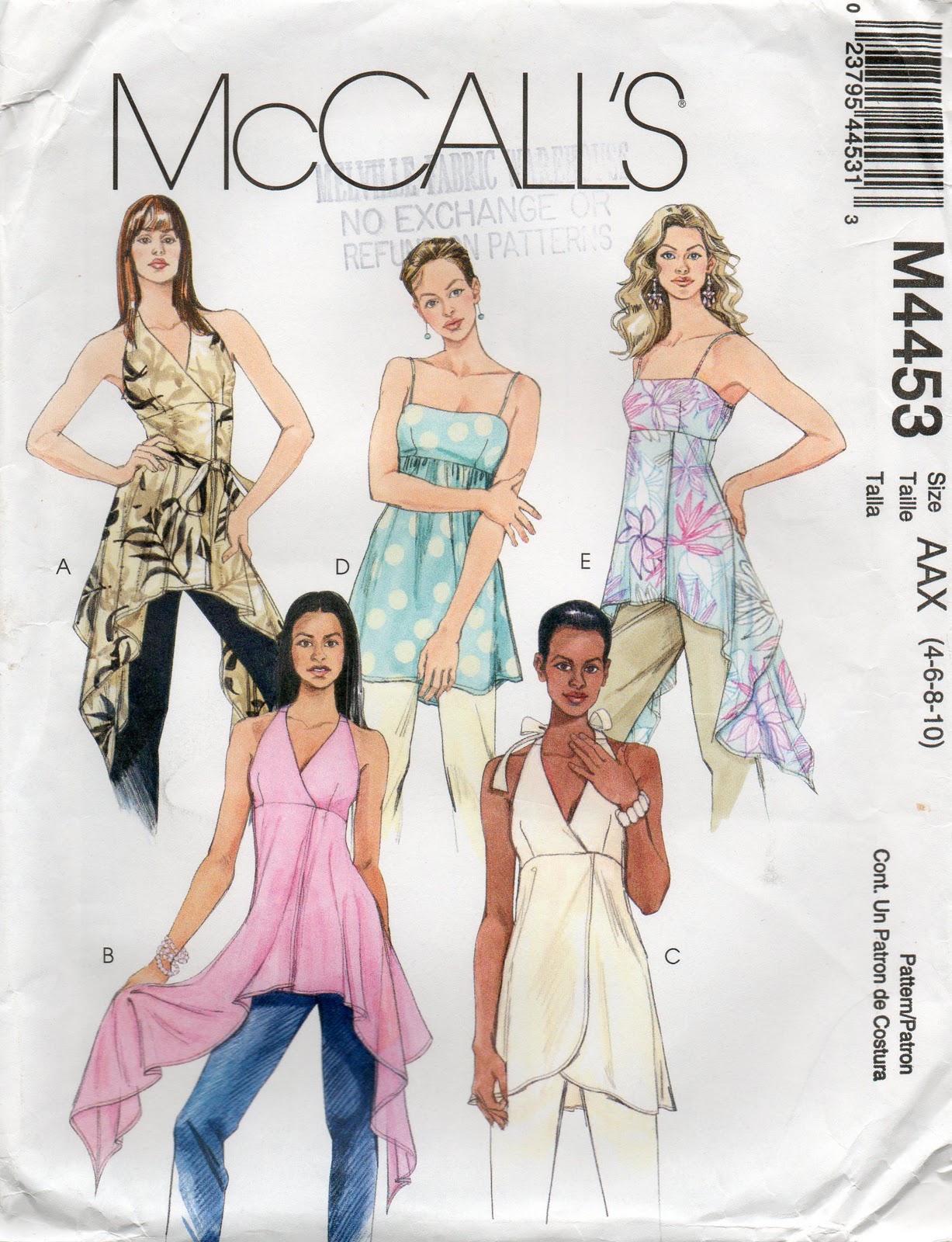
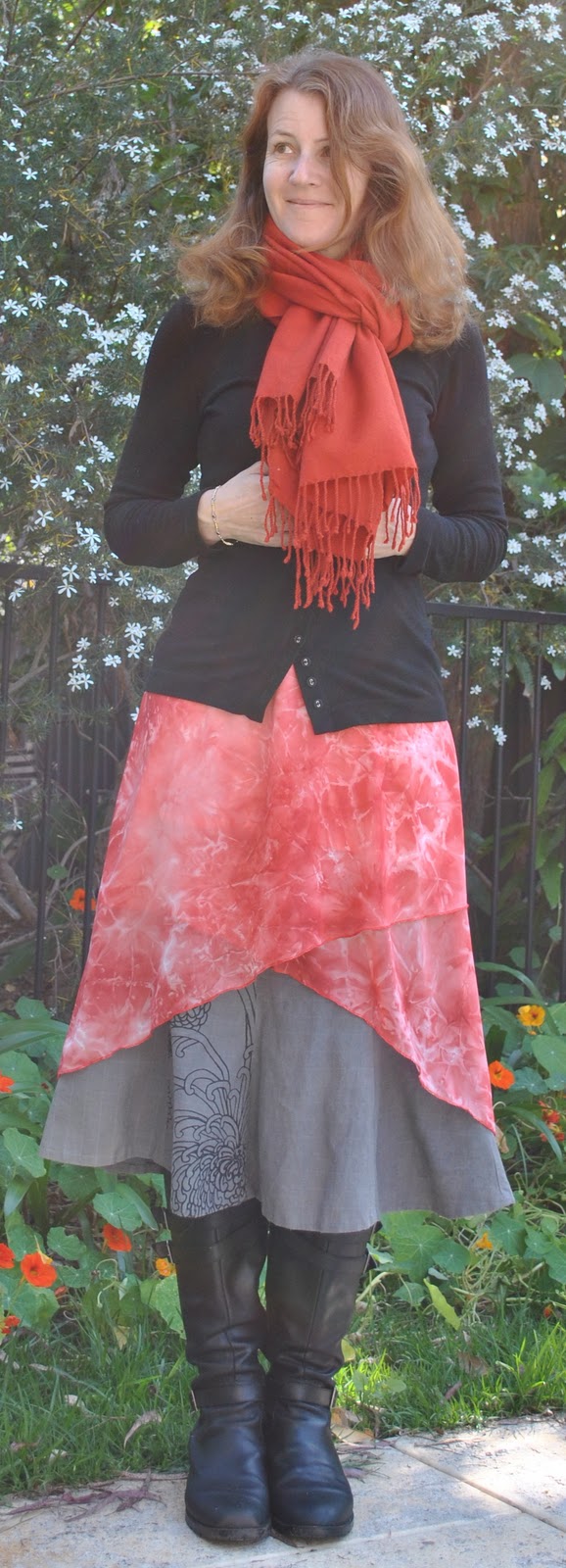
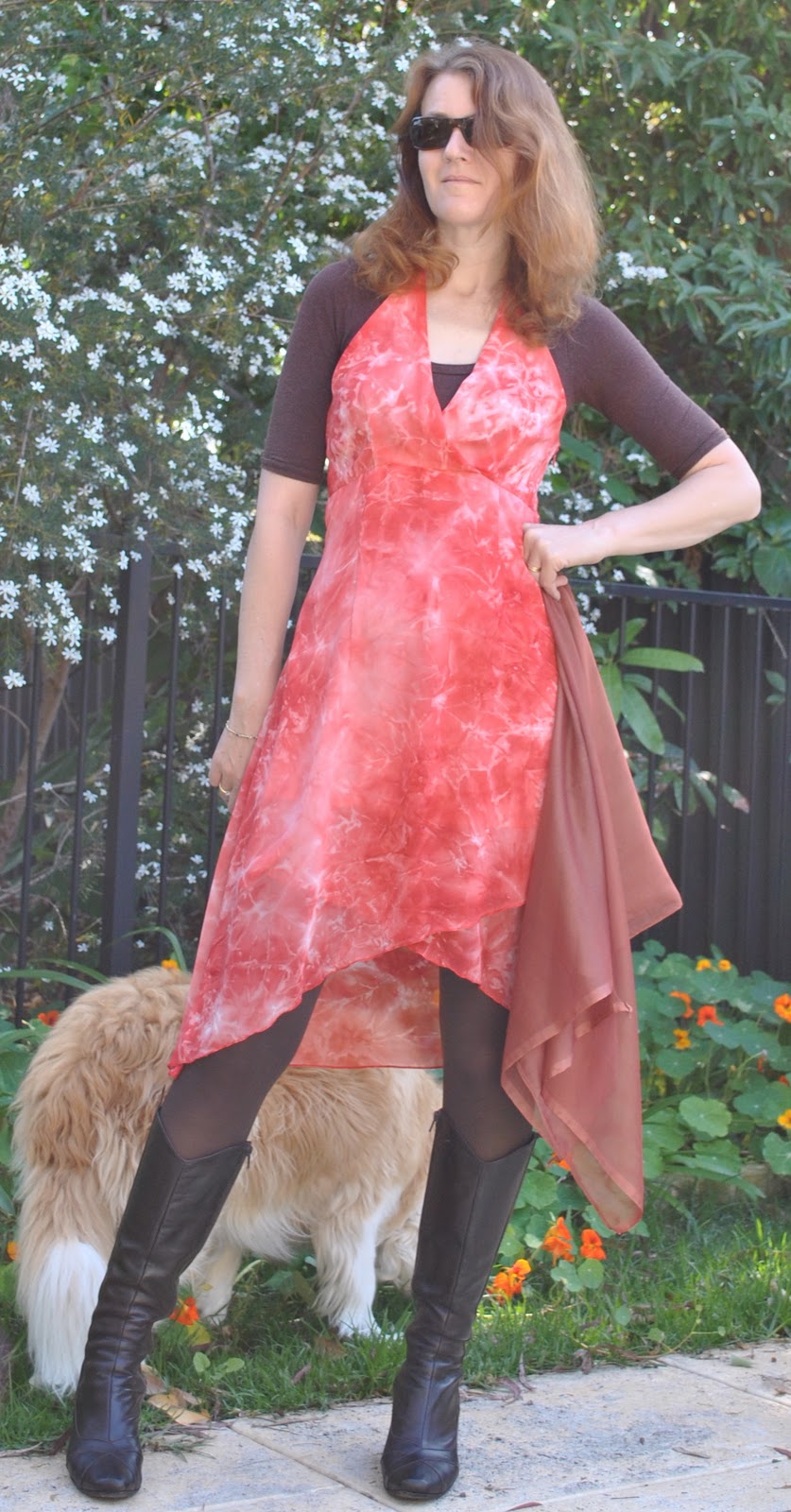
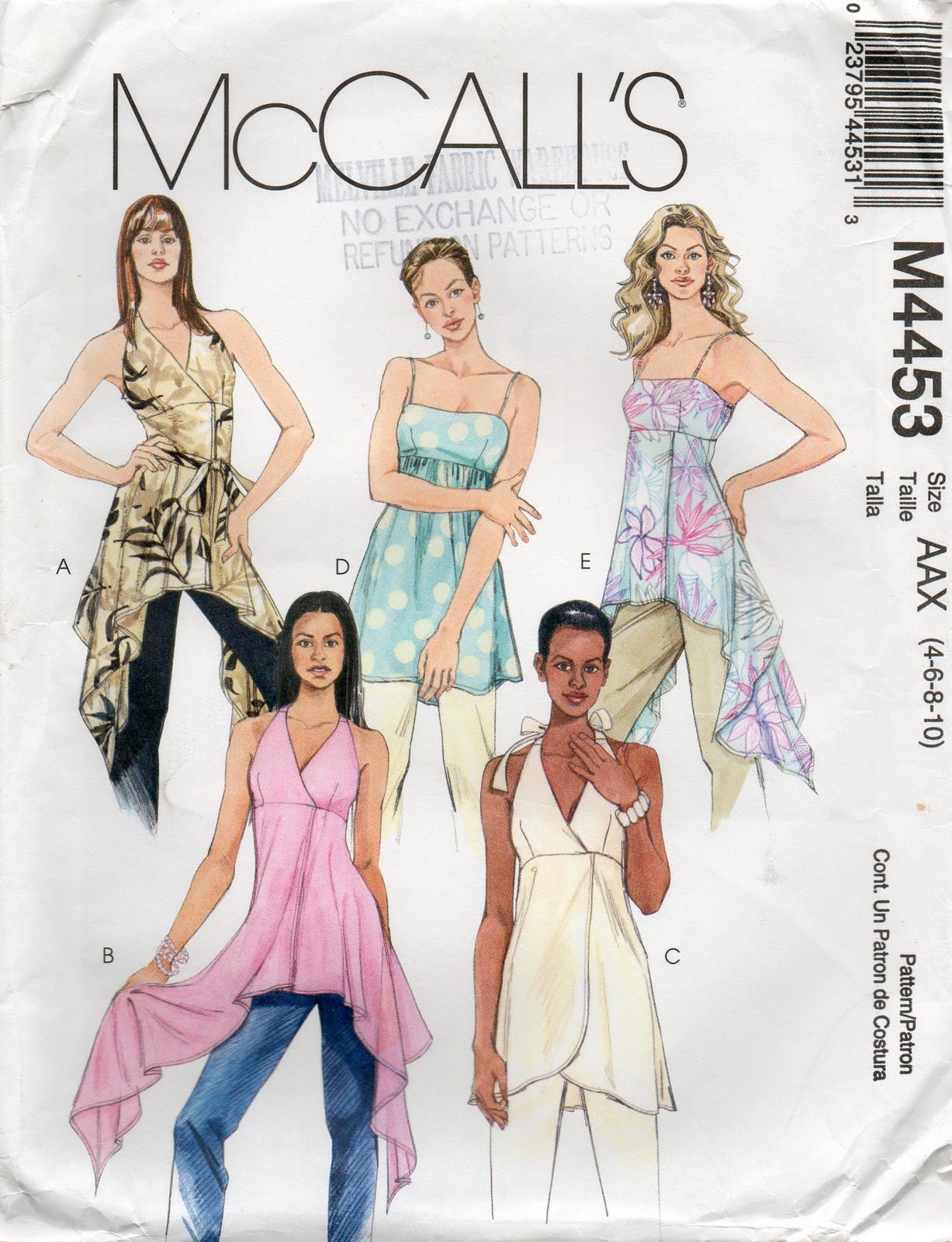
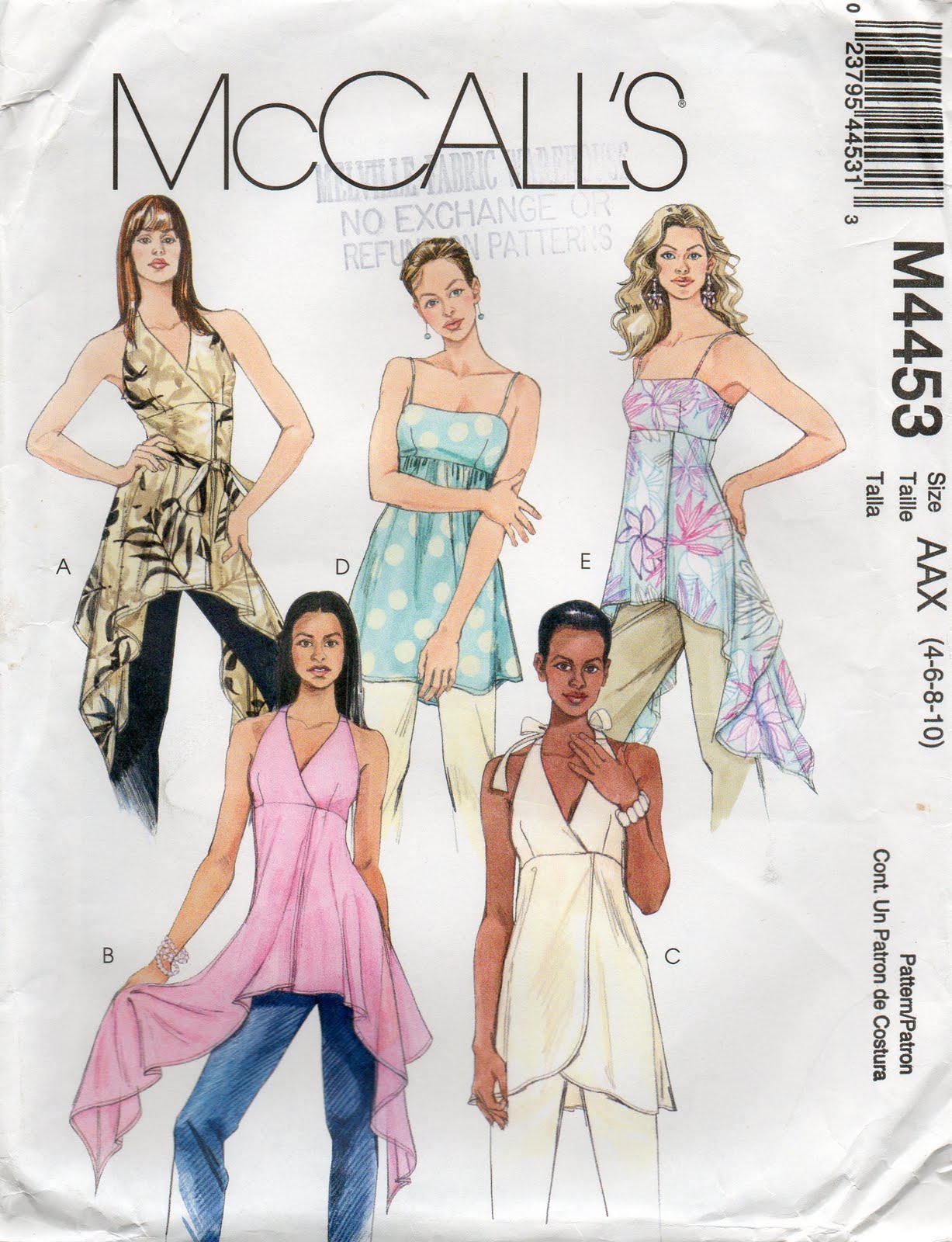
This dress is derived from McCalls 4453 view C, which is actually a halter neck top pattern. However there were many things I wanted for this dress that didn’t correspond with the pattern, so I really only used the bodice fronts from the pattern and the rest was designed by me using Bessie, the dressmaker’s dummy. The bodice is quite close fitting, with no elastication. Also the skirt has been elongated, and altered a lot. Actually I just typed in a whole paragraph detailing how it was altered, and reading it through I decided it was boring, so deleted it! The result is my own vision, originally intended for a beach dress, but great for a light summer dress too. The fabric, bought on super special from Fabulous Fabrics, is blotchy red and pink polyester chiffon, with multicoloured and silver sparkles all over.
I really like my colour scheme today, with just a touch of black. As a rule I don’t like black and red together as it makes me think “emo”, but I think the stone white of my cardigan makes it all OK.
My sister-in-law asked in a comment how I found the sizing of New Look patterns. I find them to fit fine, with my usual adjustments. Through trial and error over the years, I now manage to achieve perfect fit on my own garments pretty much every time. I’ll summarise my procedure on sizing my own clothing just in case this helps others:
I always use as my starting point the sizing recommended on the pattern envelope. Depending on what you are making, either the bust, waist or hip measurement will be the most important consideration. For top and blouse patterns the bust size is crucial, for flared skirts the waist size is crucial, and for more fitted skirts and pants the waist and hip sizes are the most important measurements to consider when choosing your pattern size.
During the cutting stage I take into account my own personal body shape. All women will have a pretty good awareness of their own shape, and will already know if they are pear-shaped, hourglass, boy shaped or petite (lucky you), round, top heavy, etc. I myself am slightly pear-shaped. I take a smaller size blouse or top than I do in pants or skirts. So, when I am trialling a new pattern of a dress, I generally adjust by cutting the top to my (smaller) bust and waist measurement, then from the waist to hip taper out to the (larger) hip measurement.
To use another example, for a woman with a big bust but small hips, she may cut her tops to her larger size bust, but taper down to a smaller size going on down to the hip.
Patterns usually have the waistline marked, and the hipline is sometimes marked, you may have to work this out yourself but its generally at the widest point below the waistline.
No matter what garment I am making, I usually fit the pieces to Bessie to check during the sewing process, and/or try them on myself several times also to check if everything fits where it should. I do the fitting for a garment before I do any seam finishing (overlocking or pinking) or ironing, as adjustments can be made quite easily during these early stages. Once I am satisfied that the garment fits everywhere it should, and I’ve made the necessary adjustments through the addition of darts, letting out seams or whatever is required, I complete sewing the seams and finishing.
Other details:
Cardigan; Morrison
Beaded thongs (flipflops); bought at some little shop in South Africa
Poppy; for Remembrance Day


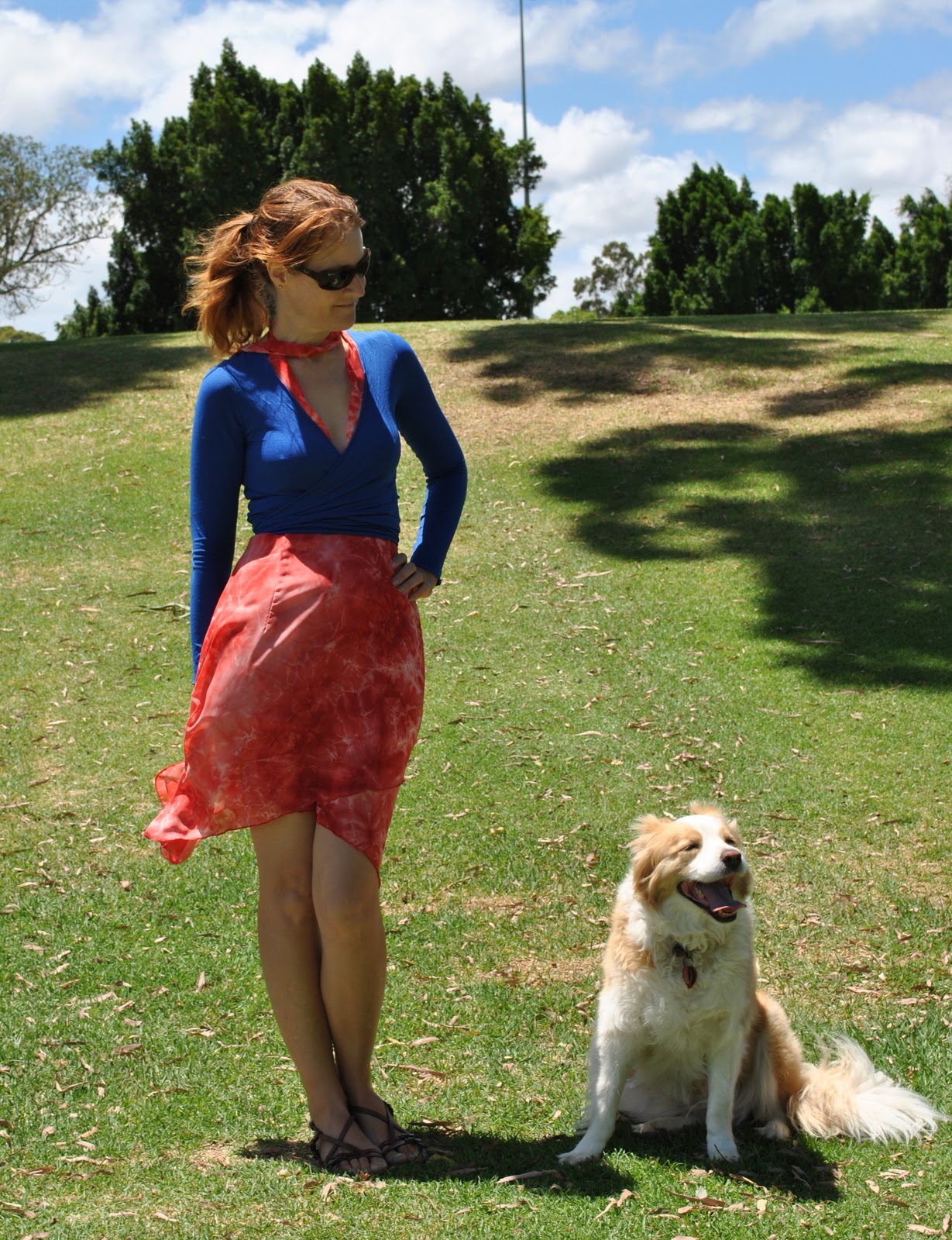
 A day of colourlessness (ness, ness) is often followed by a more colourful day, in my world.