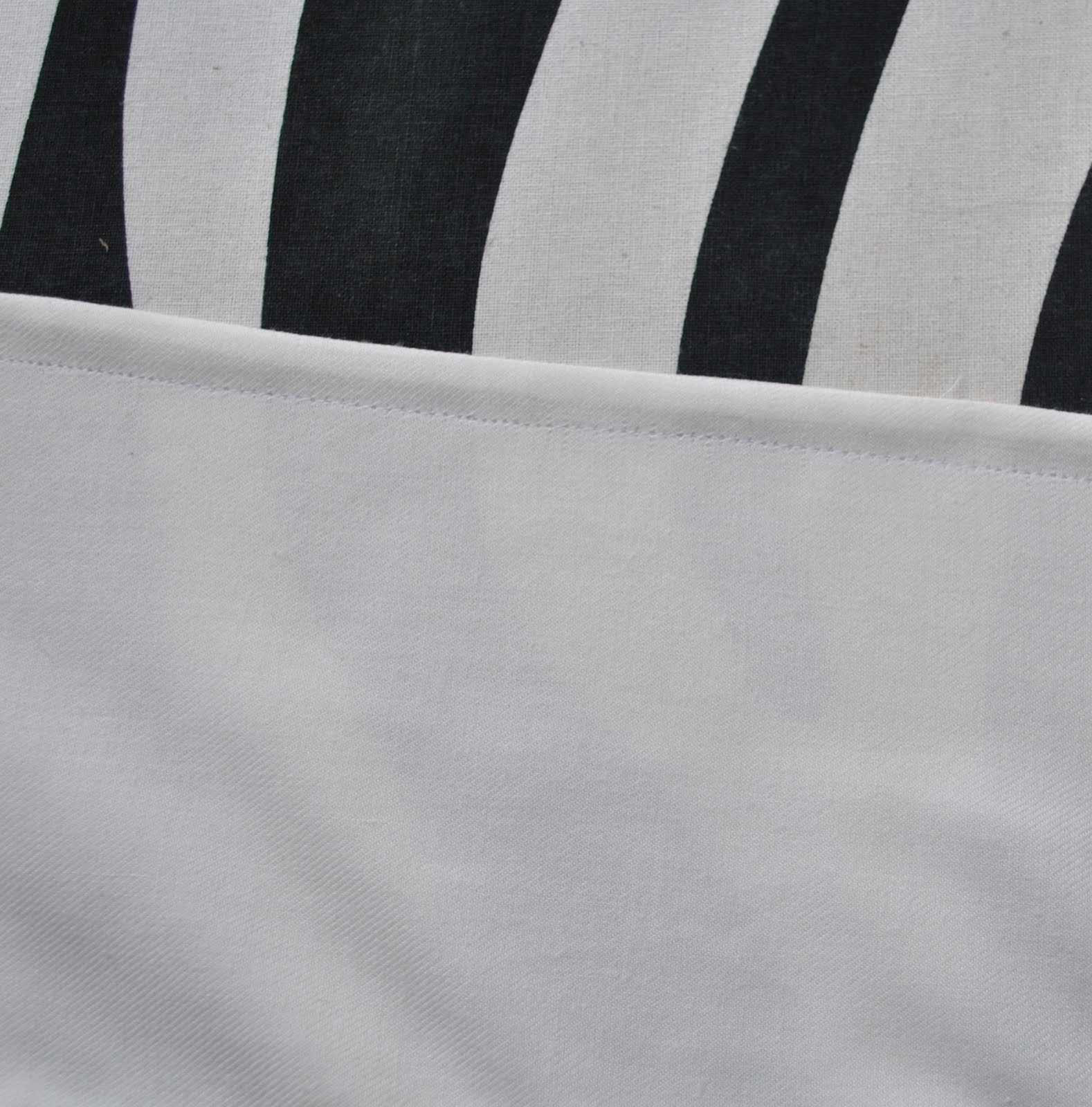
(OK, so I wrote this post a while back, during self-stitched September, and then just got caught up in the whole outfit-documenting side of things and forgot about it… ! so it may seem a bit out of date since I made this skirt about a month ago, hehe. But HongKong seaming is still something that is always relevant, never out of style right? So, here goes…)

It may sound silly but I often like for the insides of my wardrobe to look as well constructed and as well finished as the outsides, like those of the upper end designer clothes that inspire me. Beautiful finishes give me a lot of pleasure whenever I lay eyes upon them. And it makes good common sense to give both your fabric as well as your own time invested in your handiwork the respect they deserve by finishing off as well as possible. Why? Because your time is valuable, and you’re worth it!
HongKong seaming is a finish I sometimes like to add to the internal raw edges of unlined coats and jackets, and to those of my better skirts. It is an especially good finish for high-fraying fabrics that are kinda special; such as silks, wools and blends of these; ie, fabrics that are worth it. You know what I mean, right?
HongKong seaming may seem like too much hard work, but it is not really that much effort, honestly! Big pluses; it only requires a very little fabric, looks pretty, and is the best way, bar none, to finish off the raw edges of thickish fabrics that fray easily.
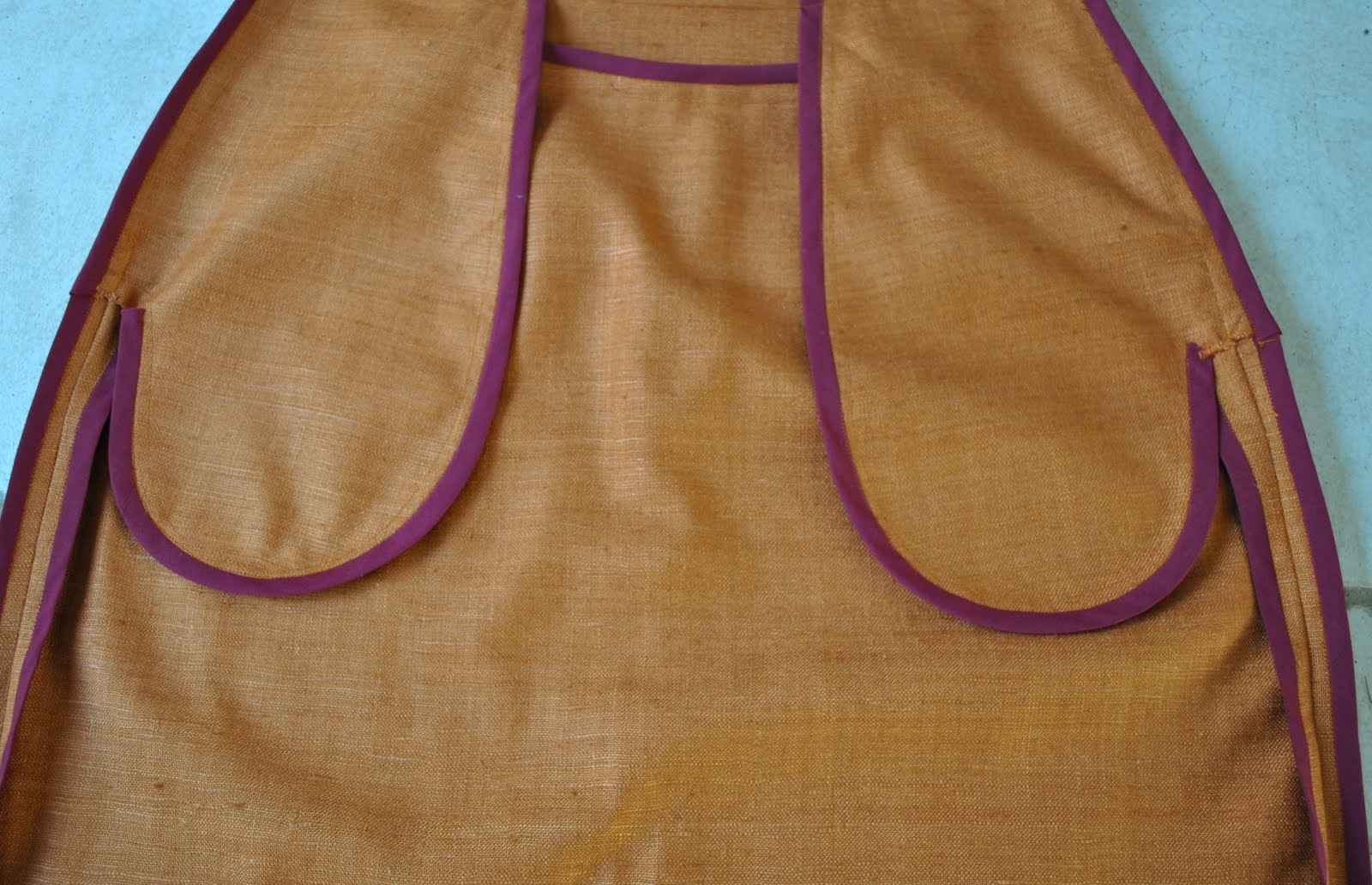
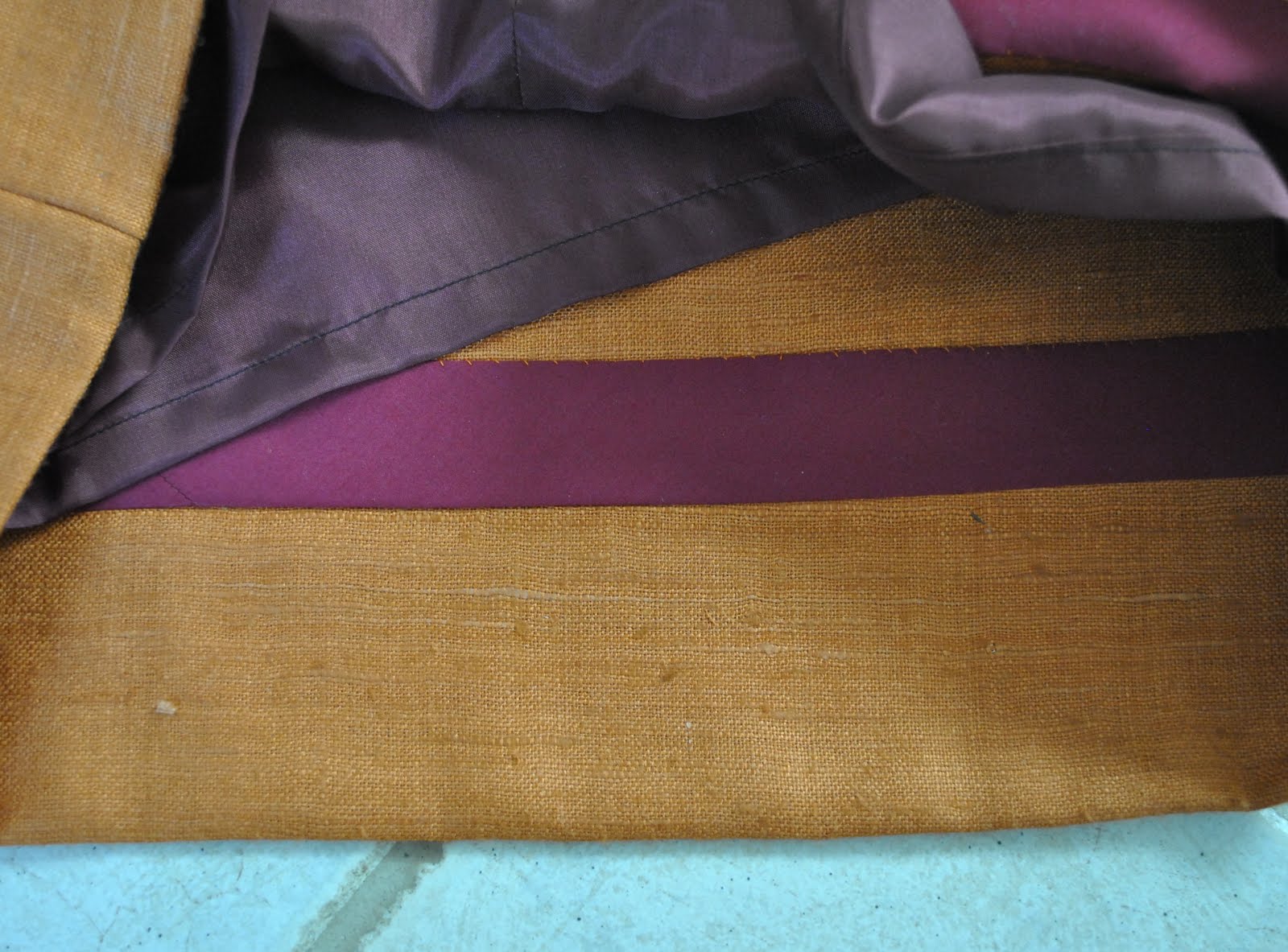
To finish off the seams of an ordinary little skirt plus enough for a wider bias binding strip to finish the hem, you only need about 40cm of a light or medium-weight woven fabric, ideally cotton or a polycotton. Actually I only needed this much because I was cutting the pocket linings from the same fabric, you could easily get away with a lot less. You can just use scraps if need be, no probs. You can go with a matching fabric or a contrasting fabric for fun. In the case of this burnt orange skirt I chose a contrasting burgundy for both the seaming and lining fabric. (Yup, I know that no one but me will ever see the yumminess of these rich autumnal shades together, but this hidden colour punch still pleases me nonetheless!) Wash a coupla times to remove the sizing and deal with all that pesky shrinkage. Then cut a few strips on the bias; approximately 3.5cm (1 3/8 inch) in width. I also measure the length of the lower skirt/jacket edge and cut a wider bias strip (approx width of 5cm, or 2 inch) for the hem binding.

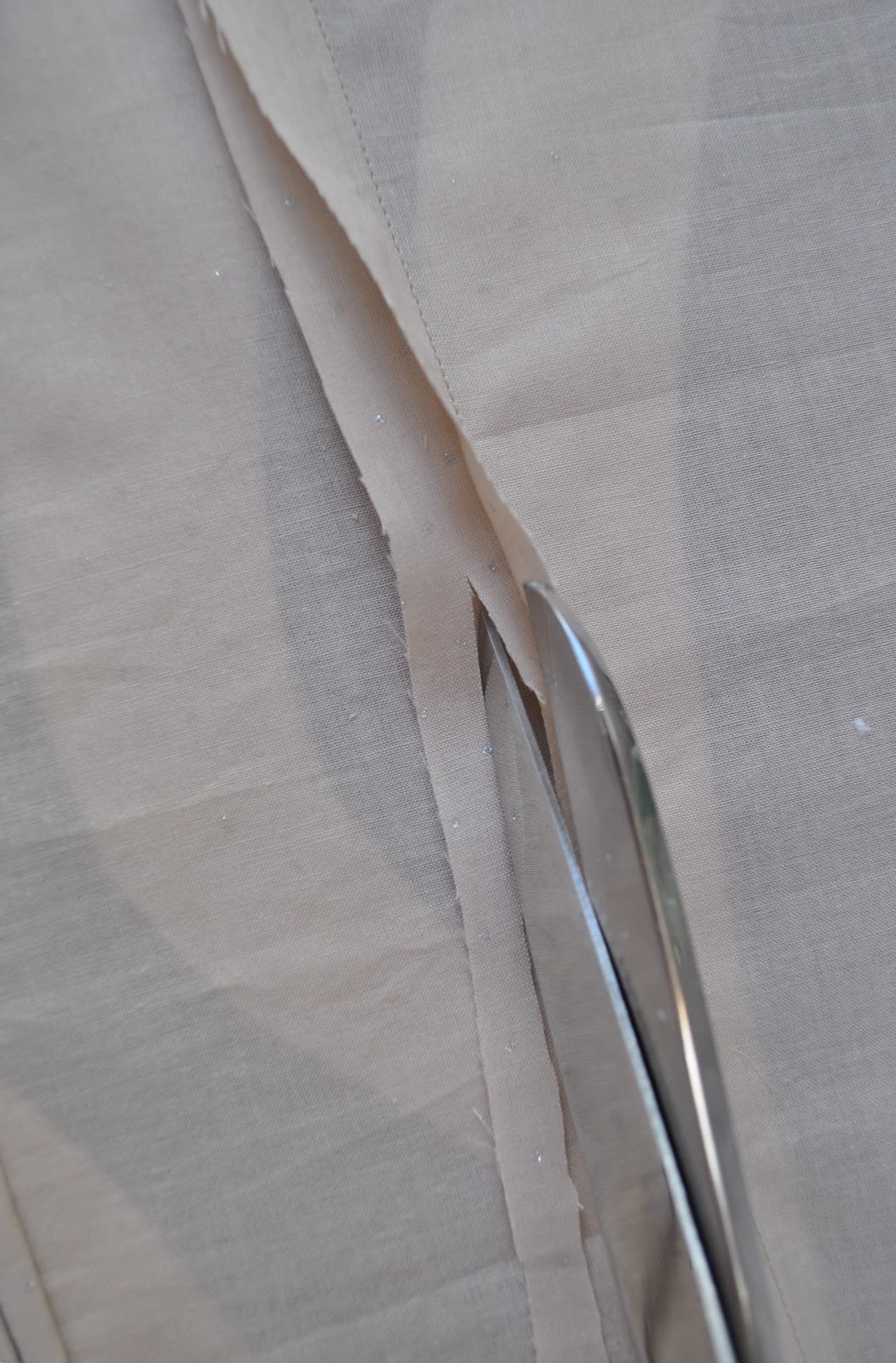
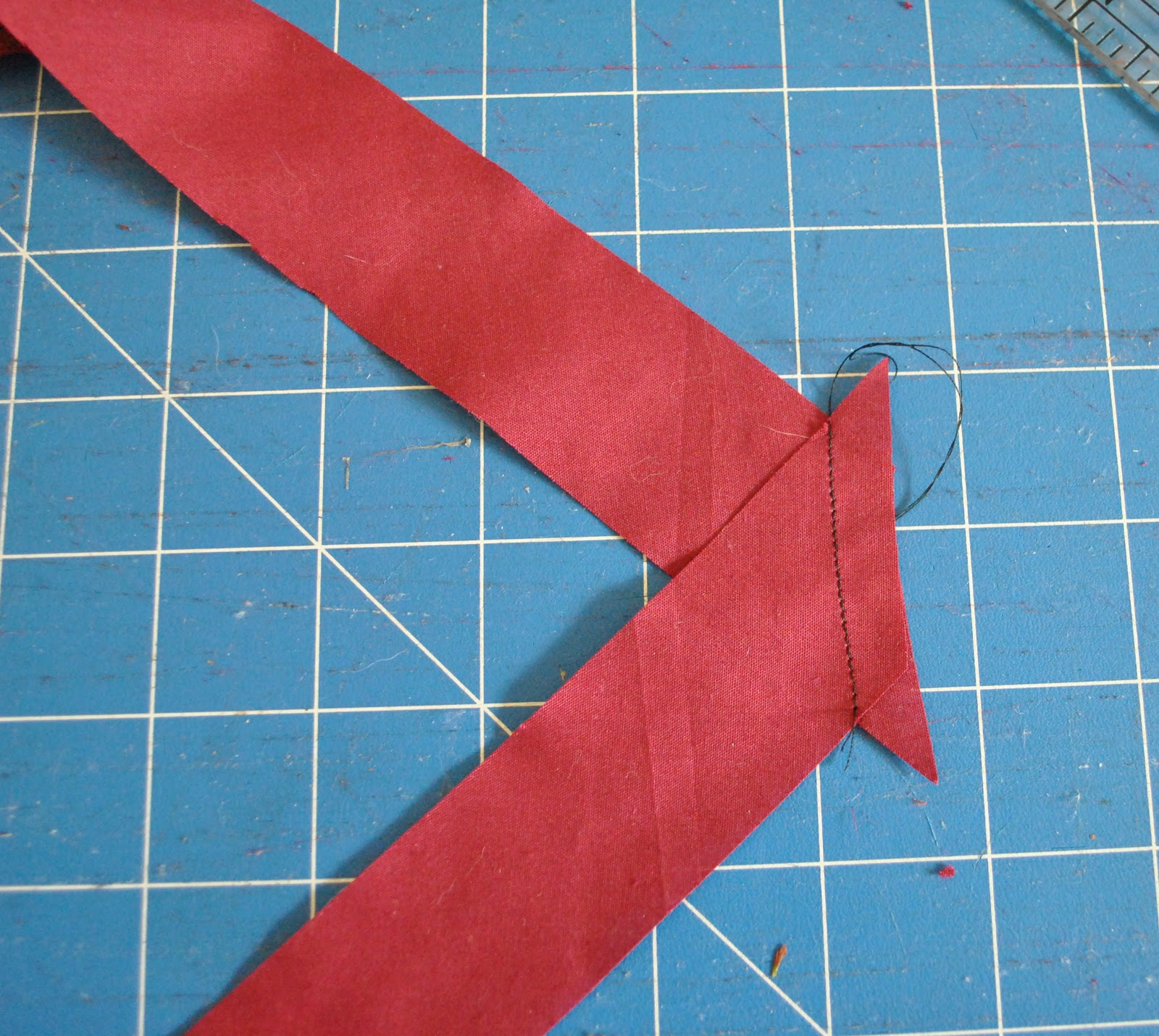
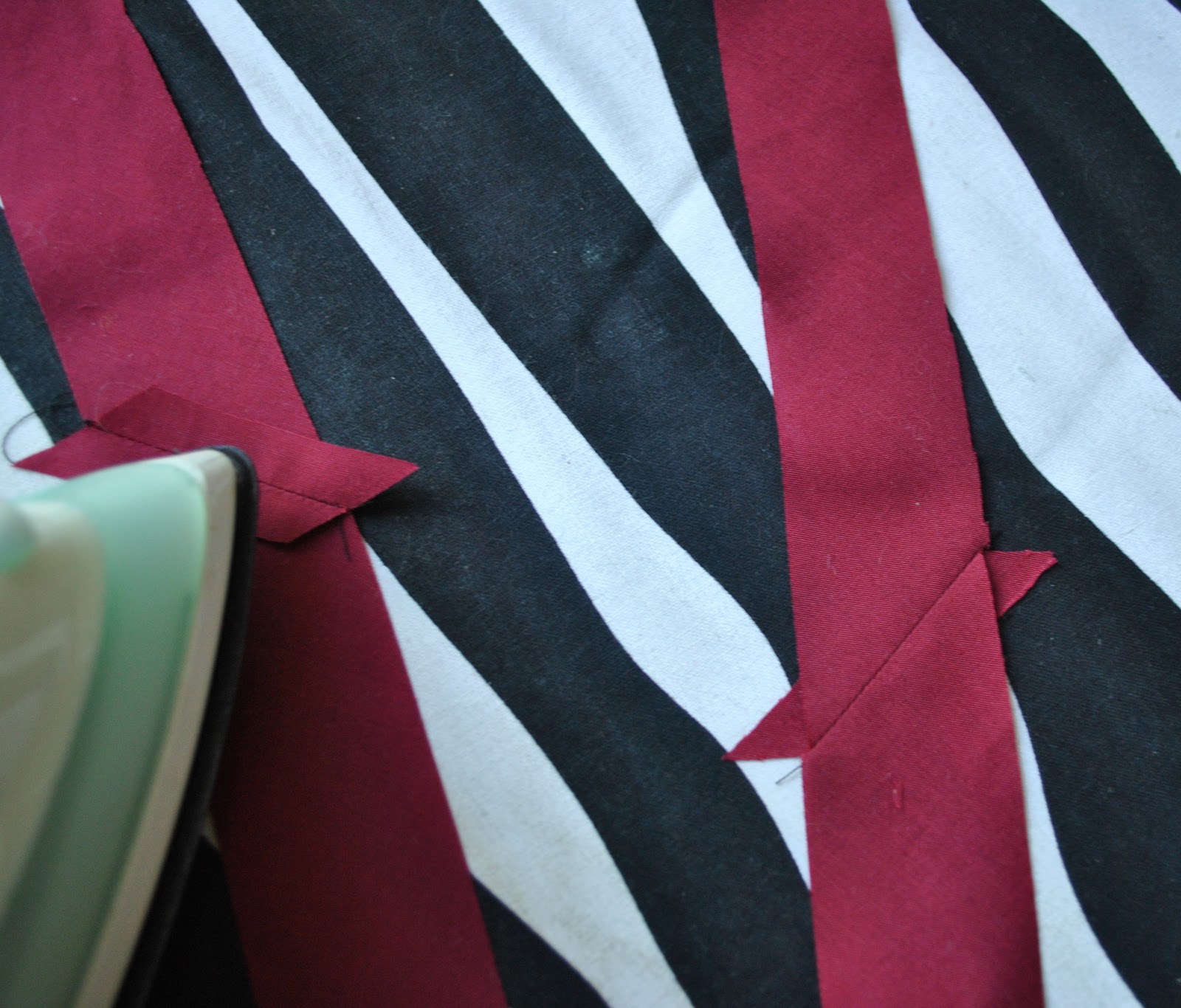
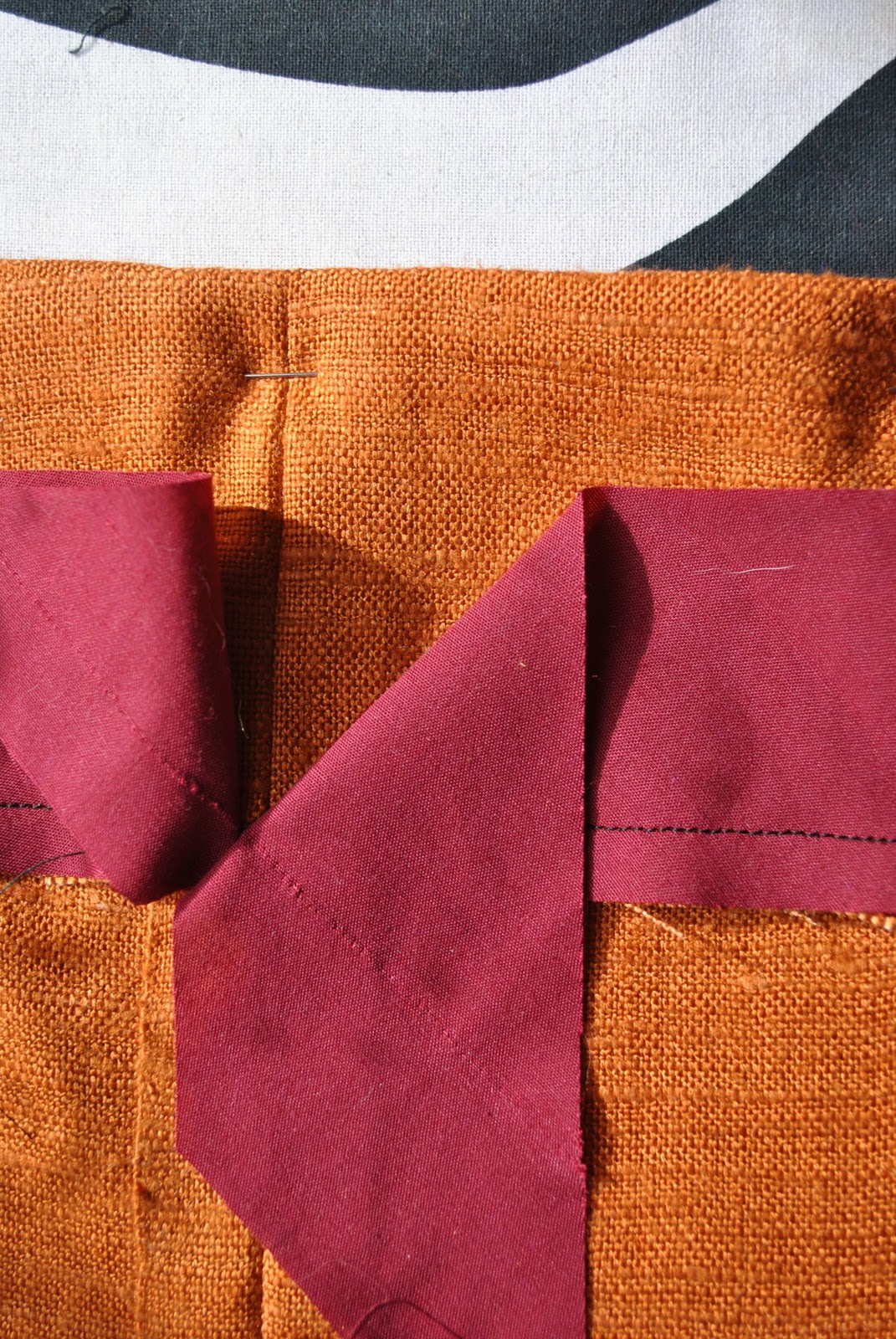
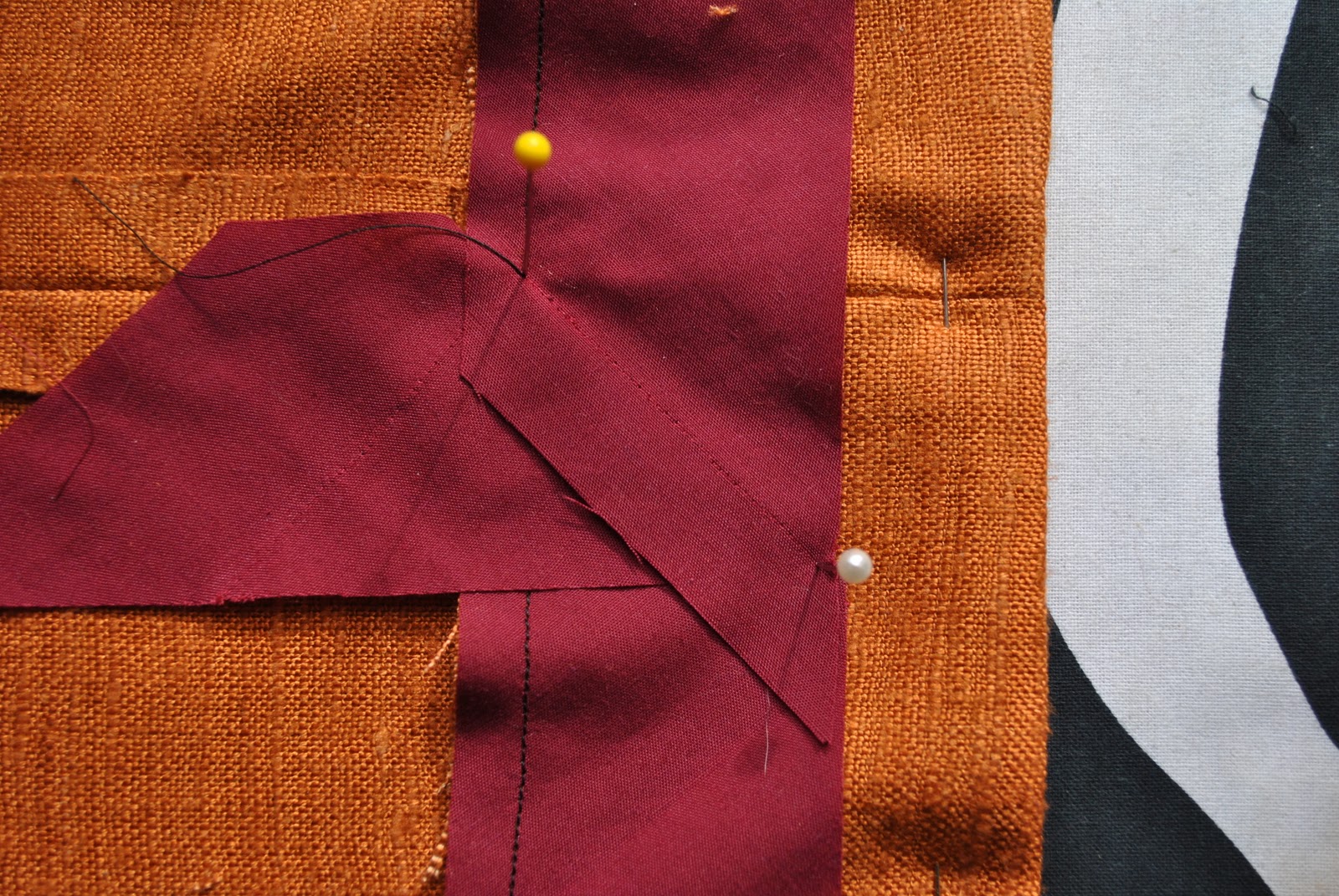
Join together end on end like so, to get a continuous strip of bias binding…
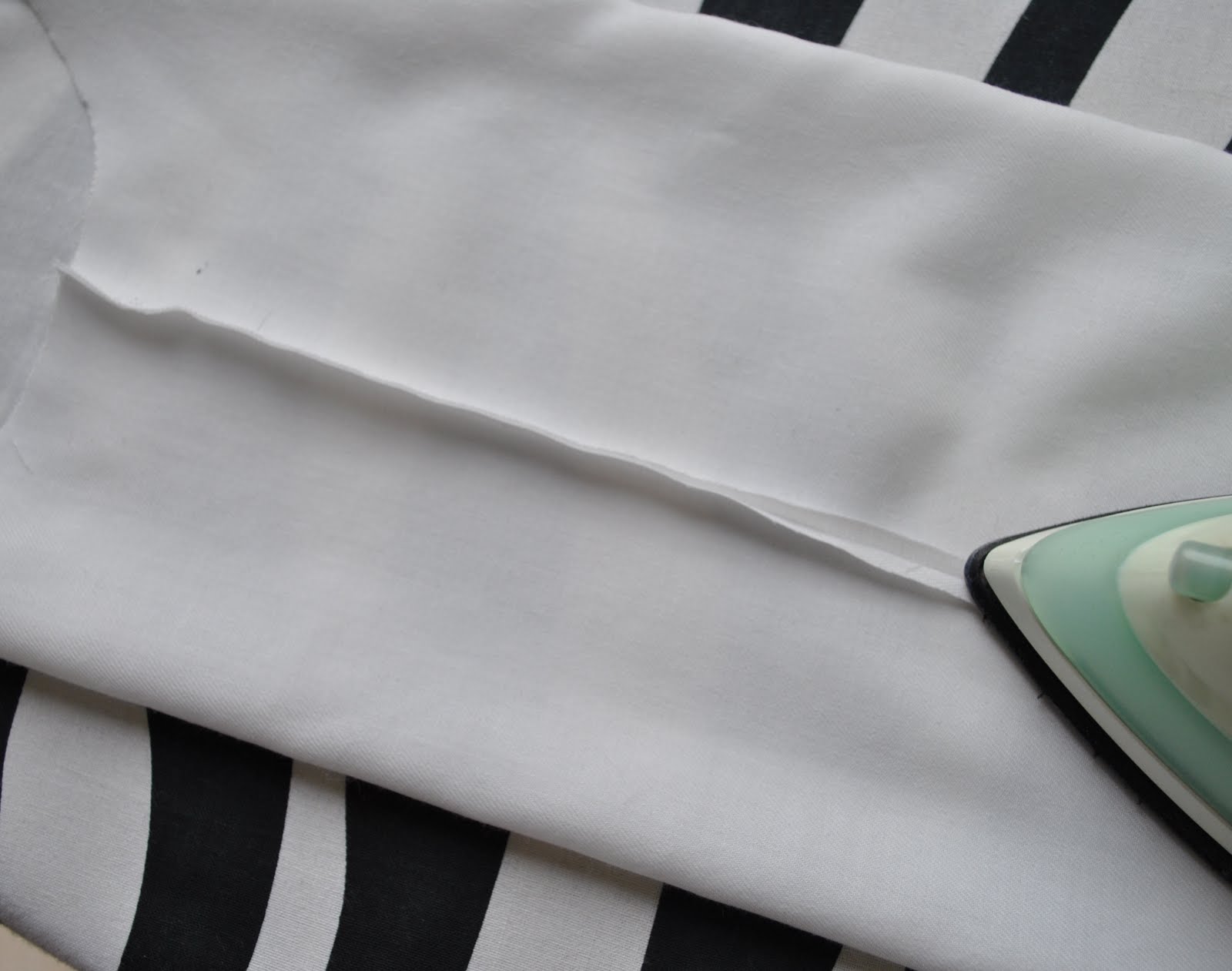
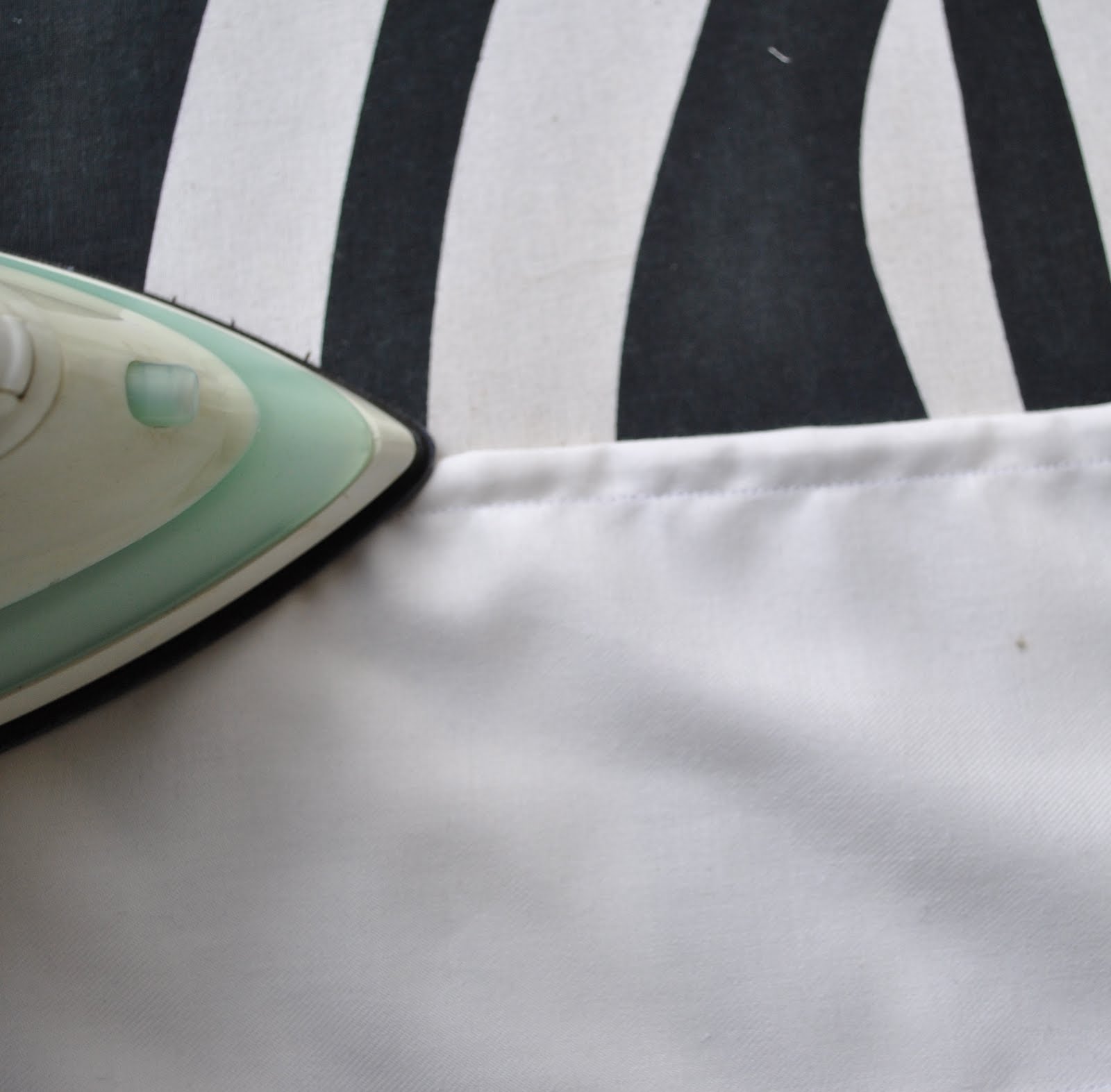
Press the seam allowances open.
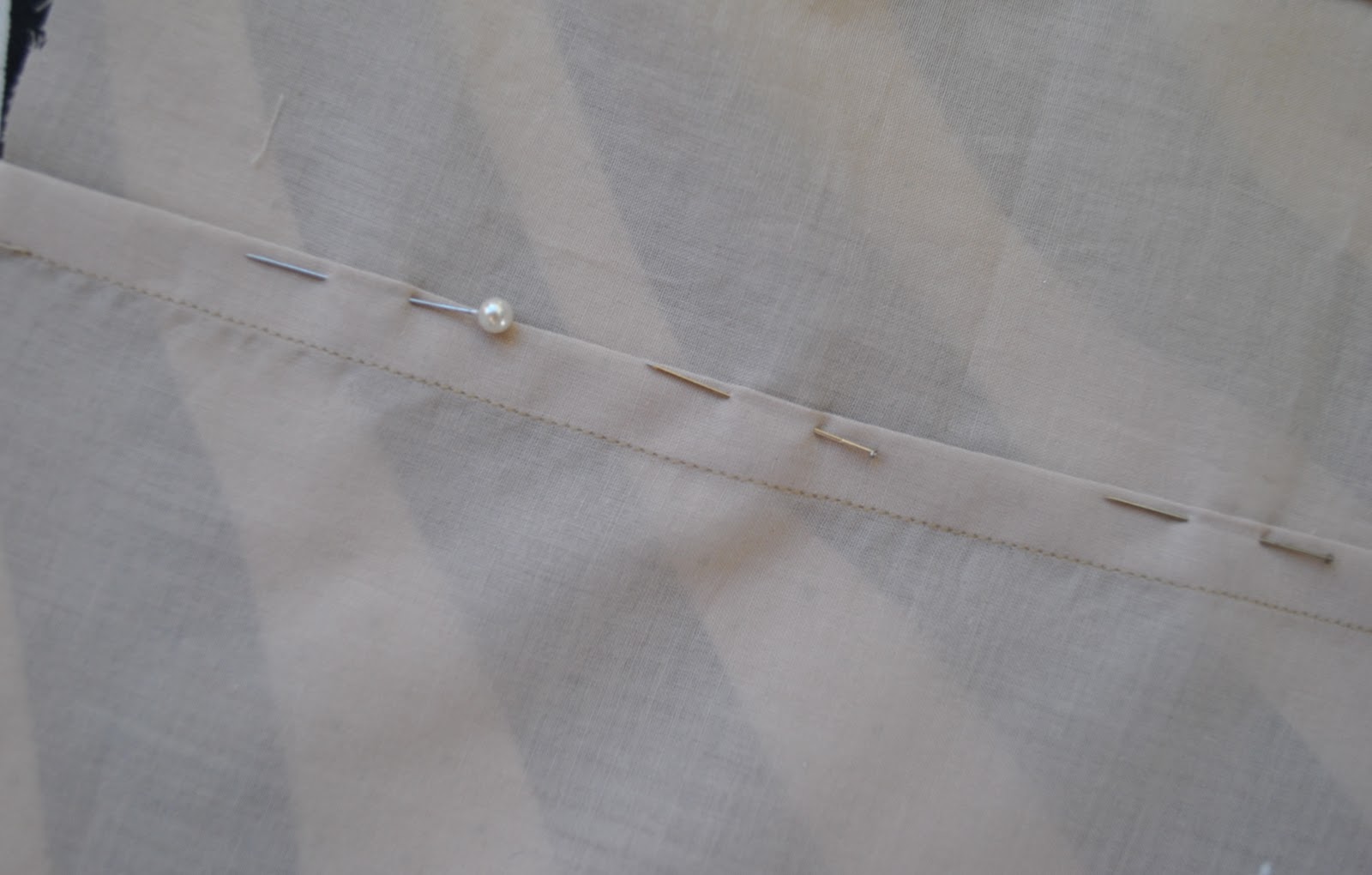
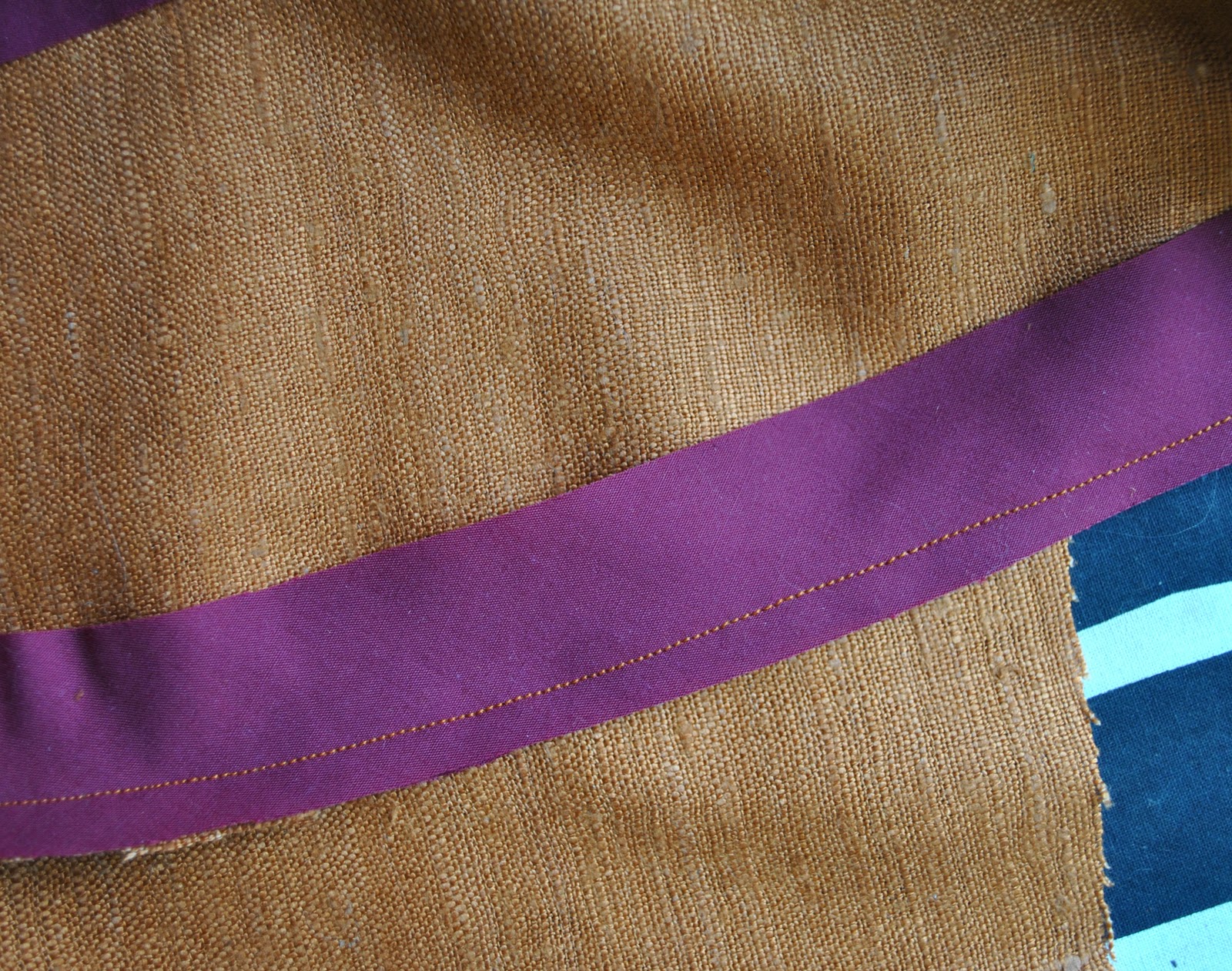
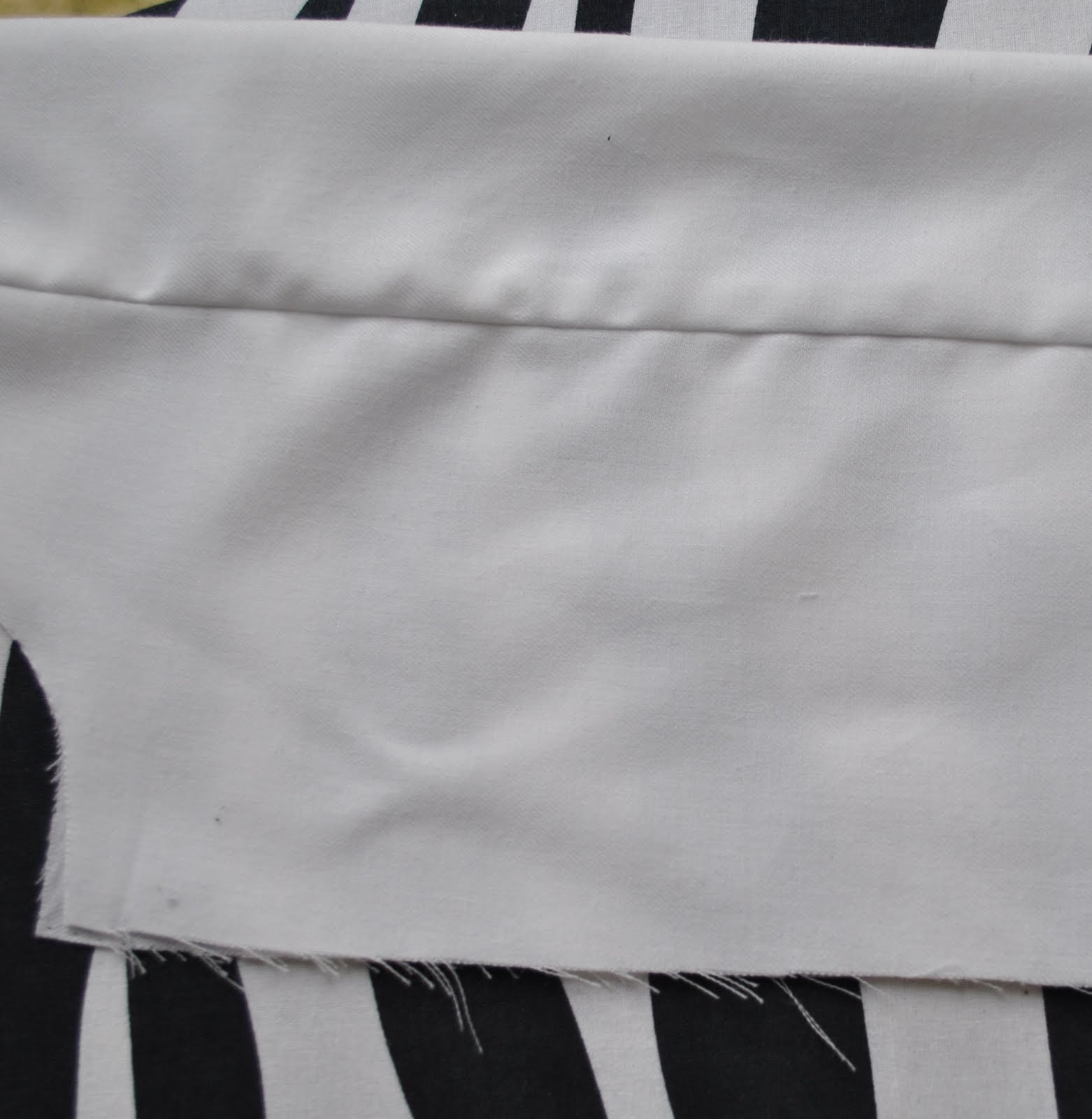
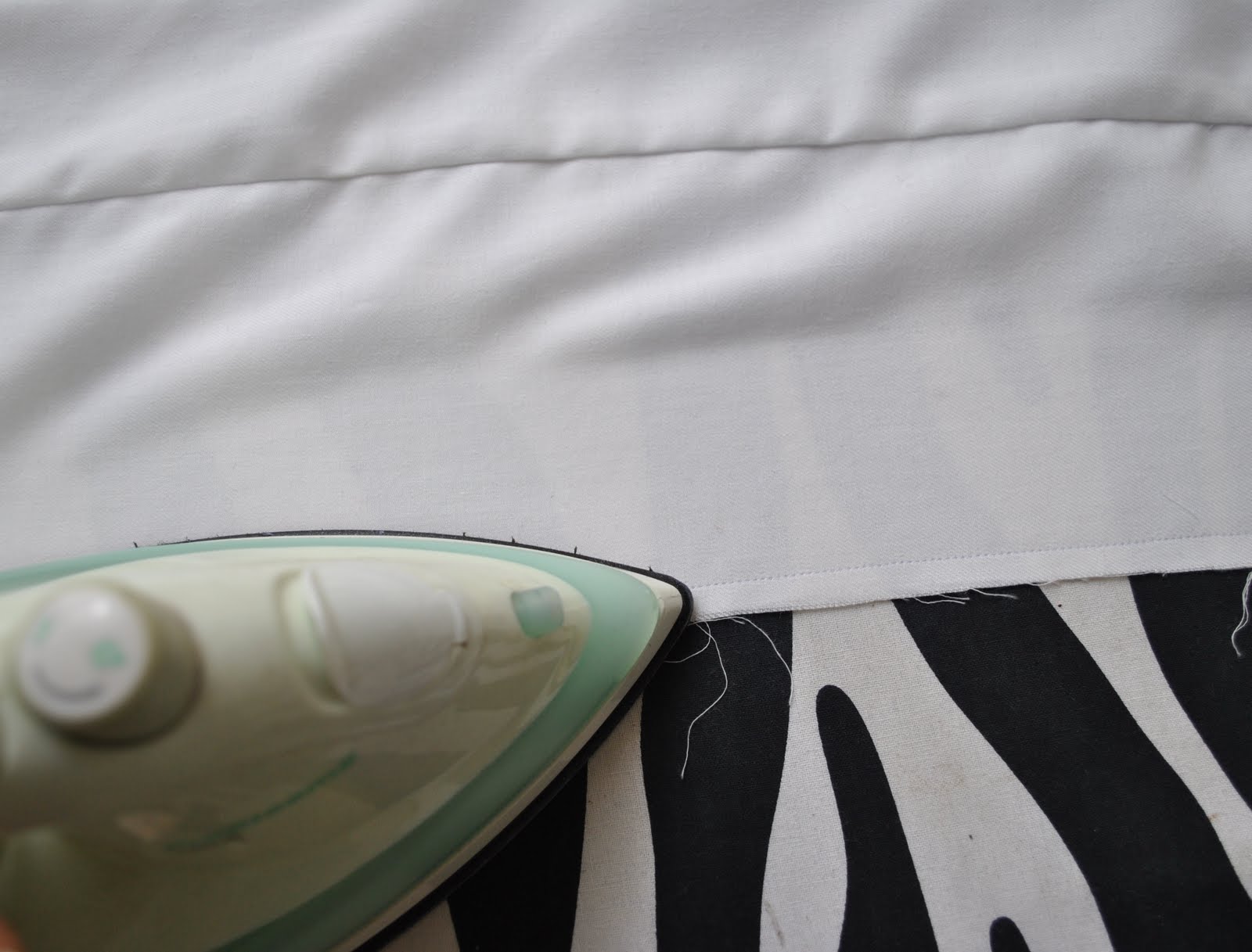
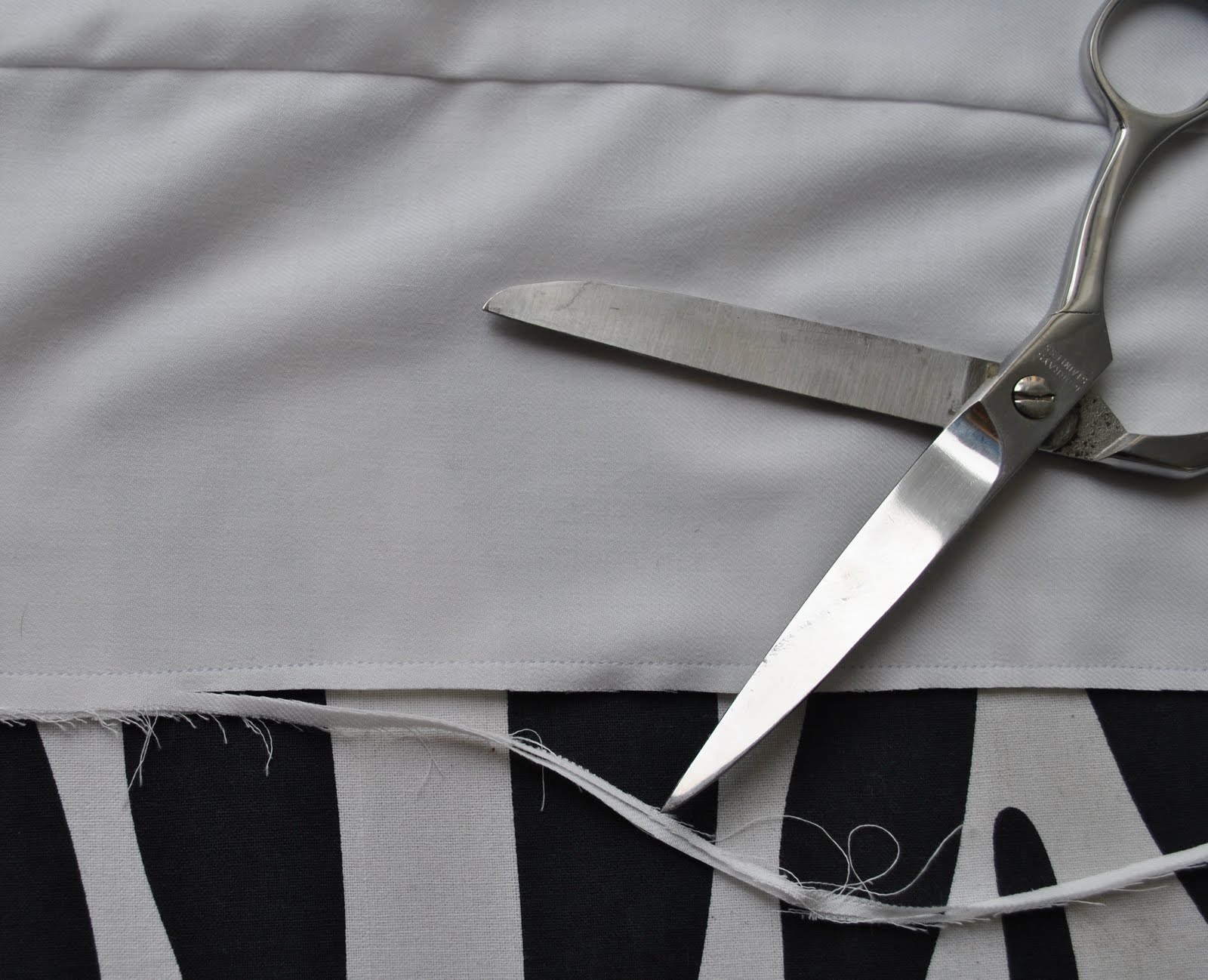
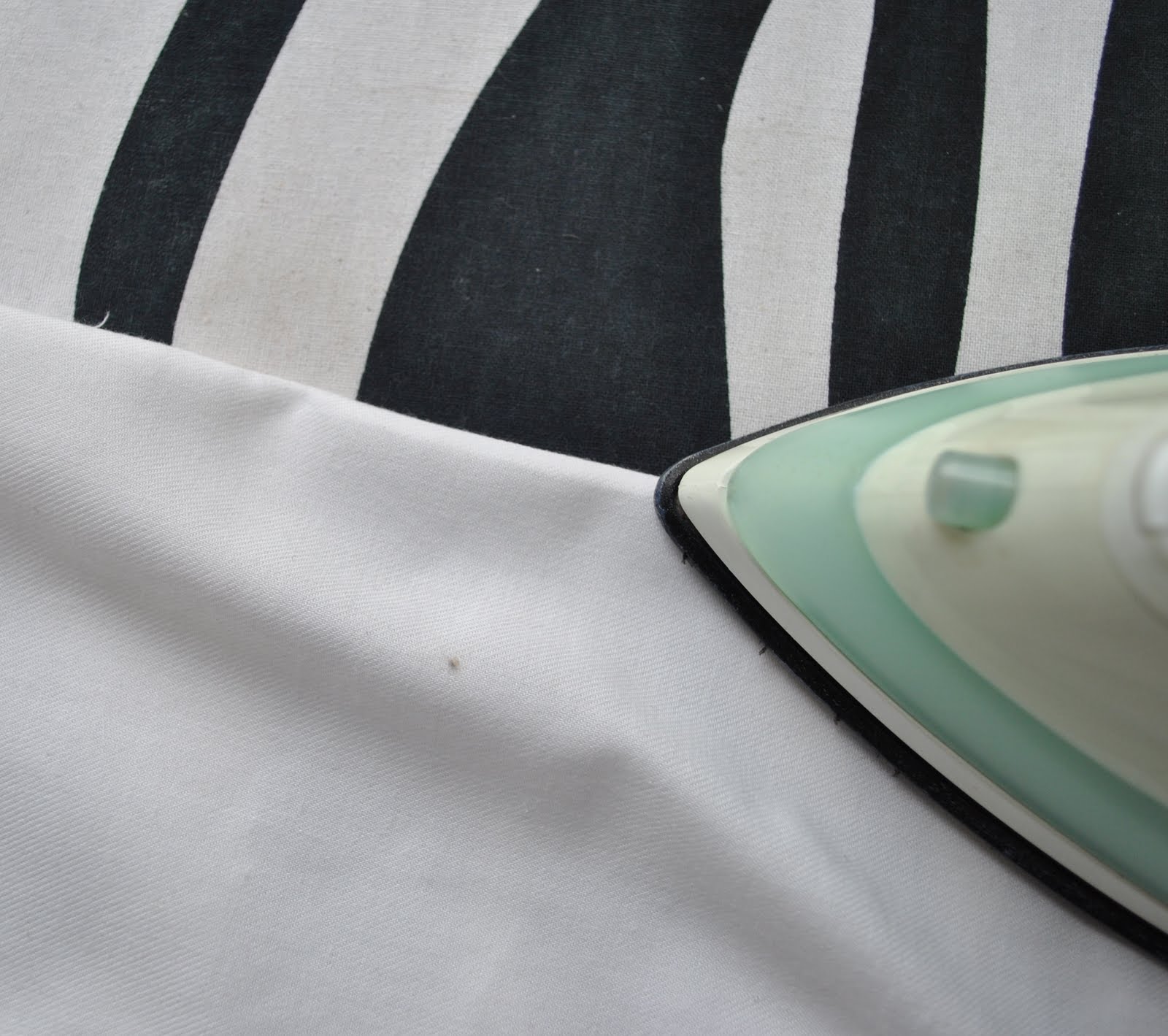
Lay against the raw edge of your fabric, and sew together in a narrow 6mm (1/4 inch) seam.
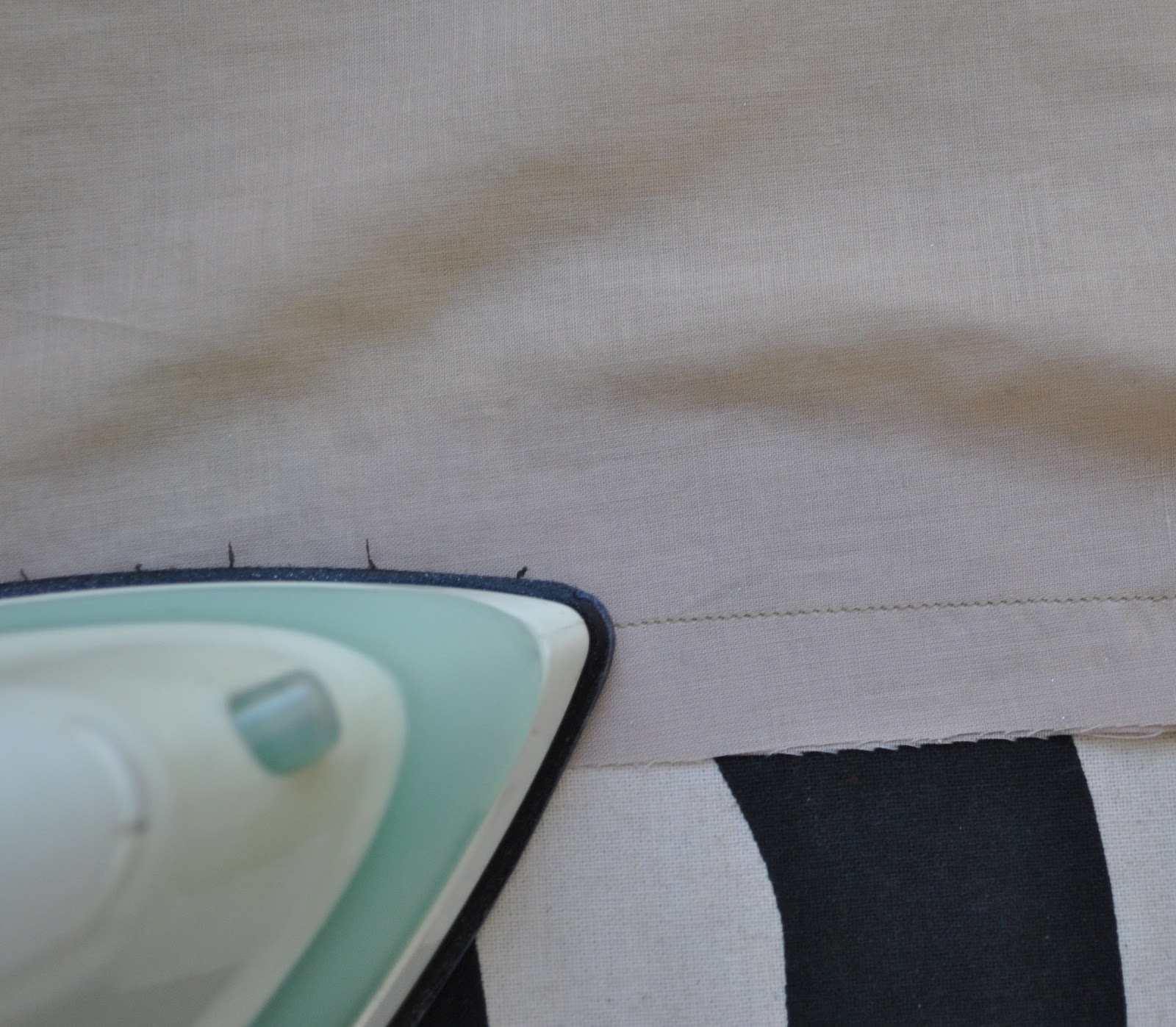
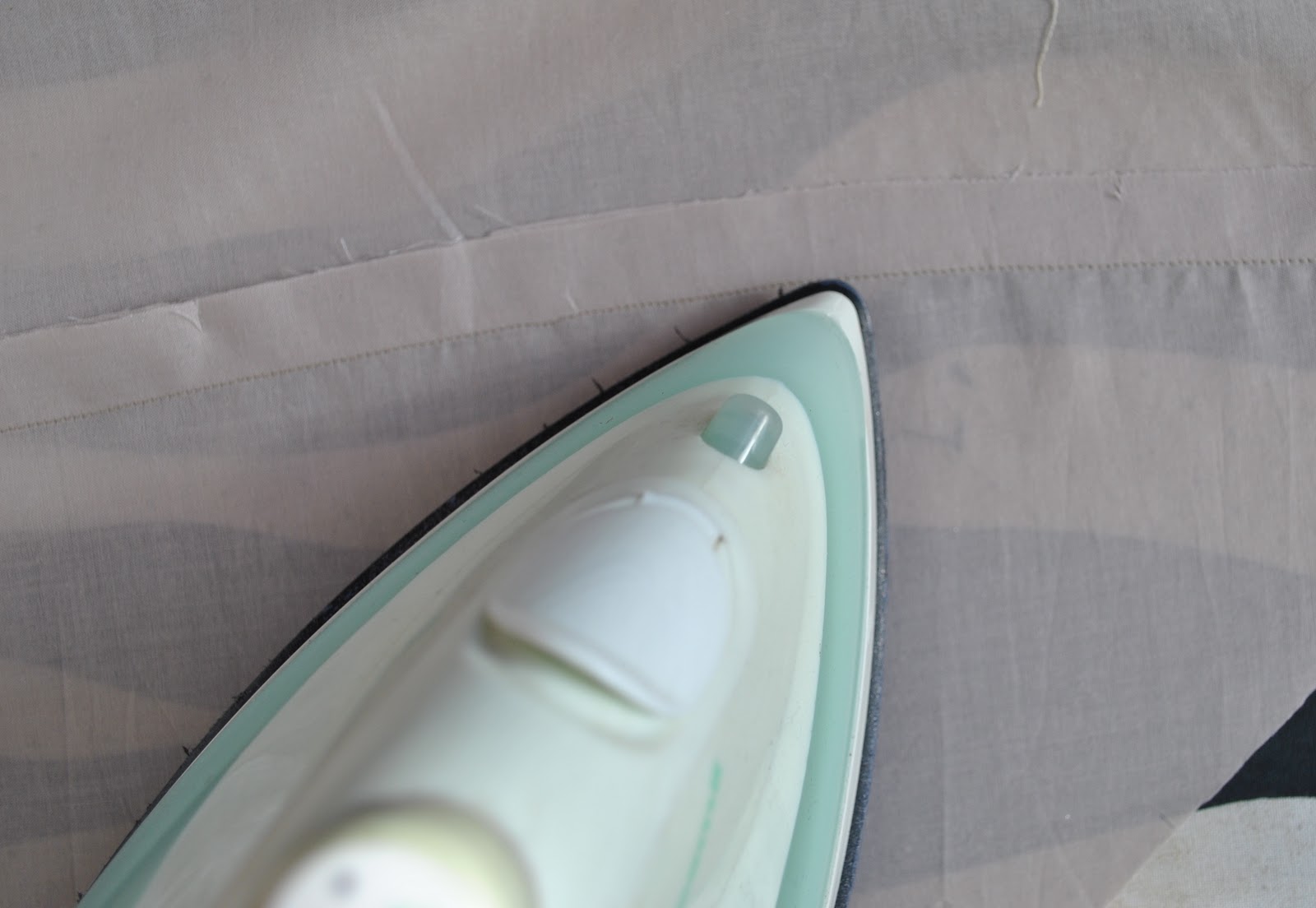
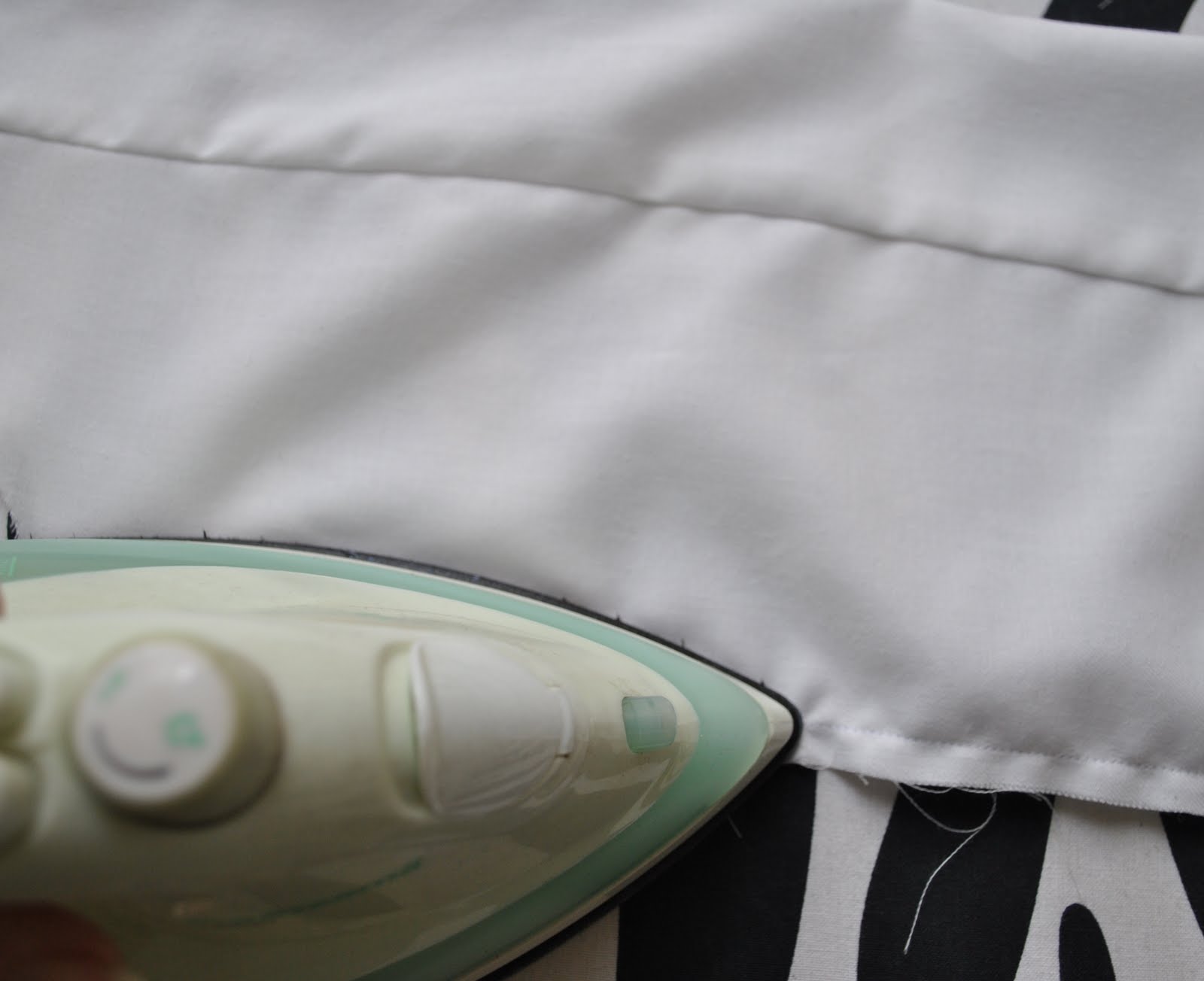
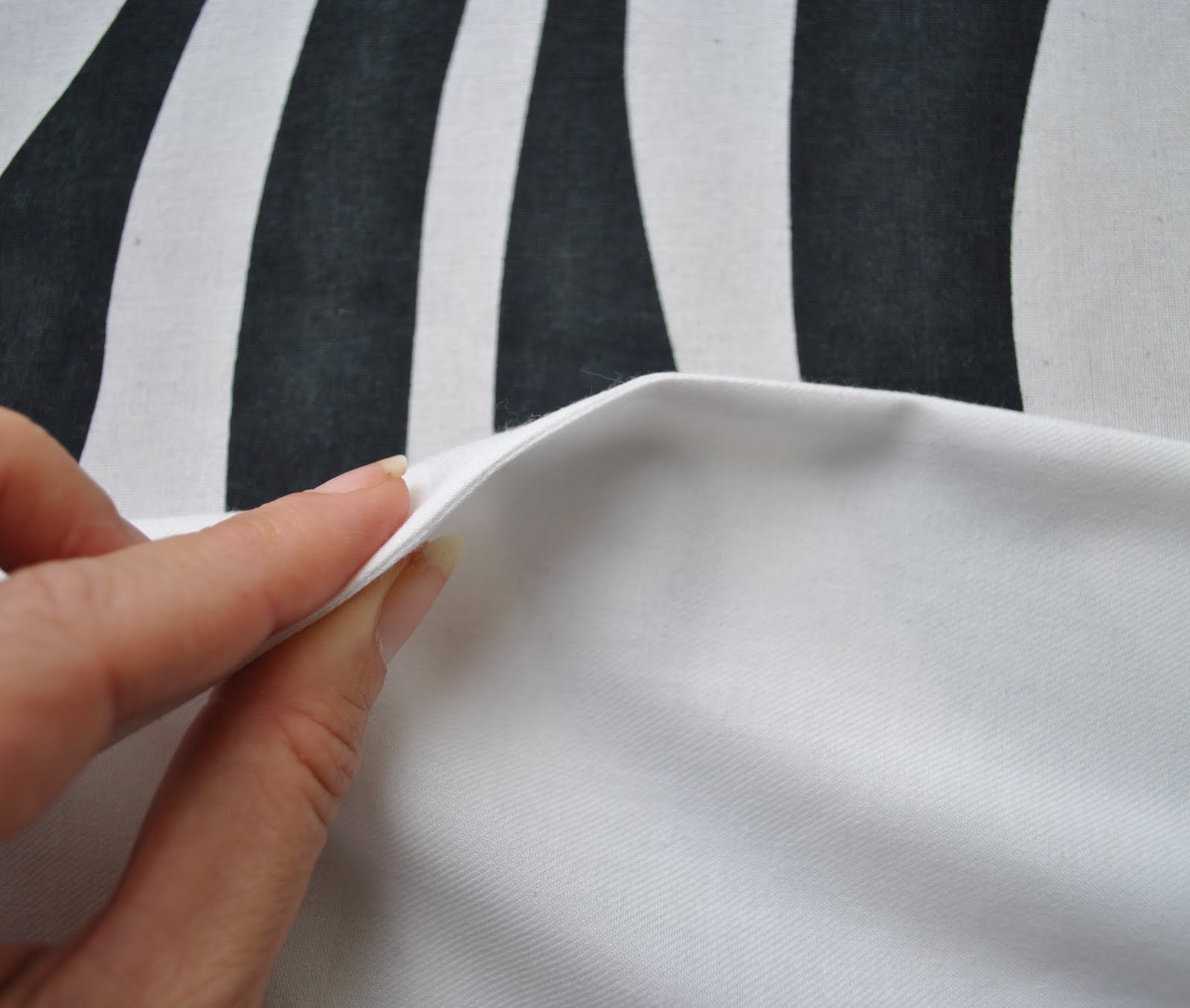
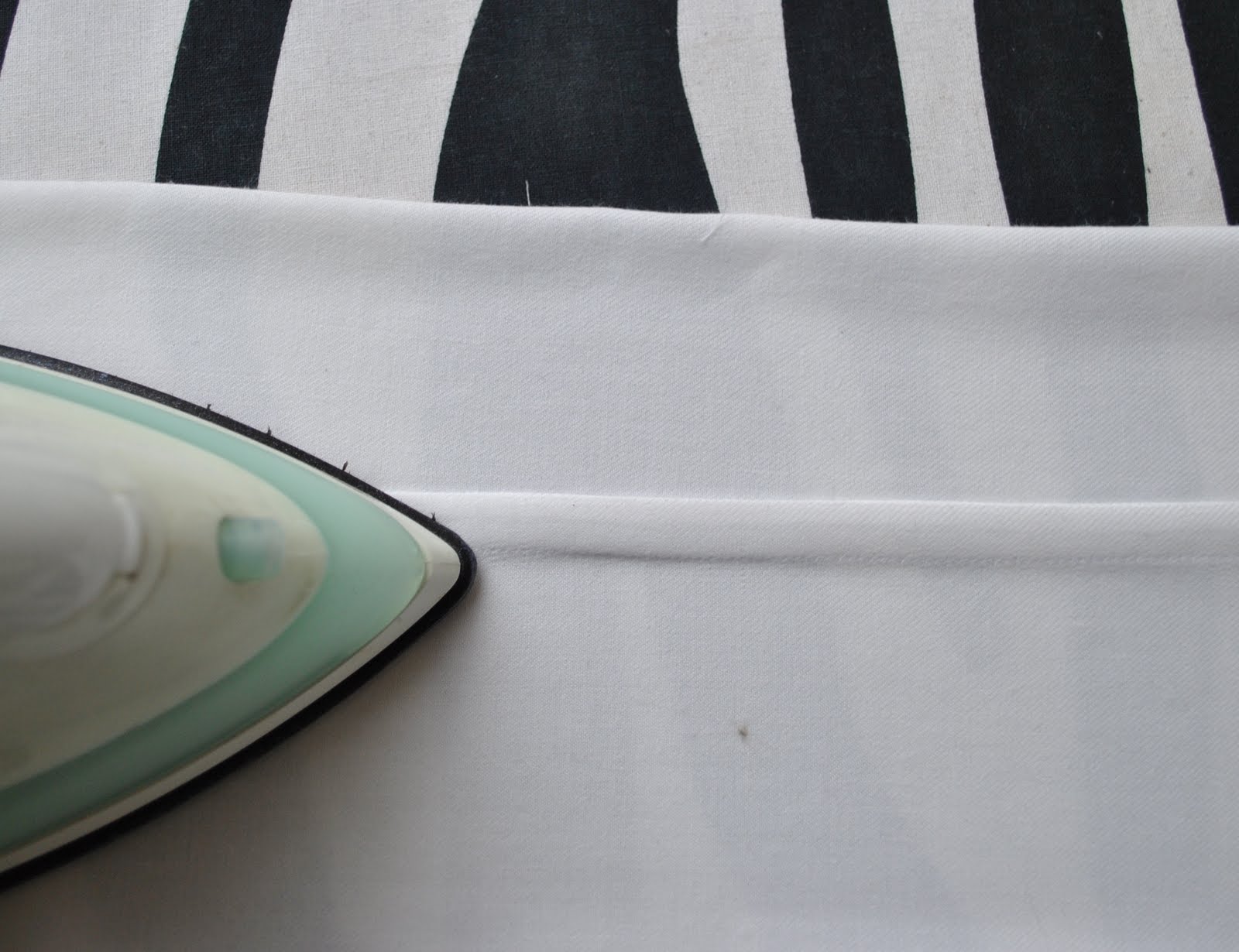
Fold the bias strip back over the seam and press the seam binding back over itself…
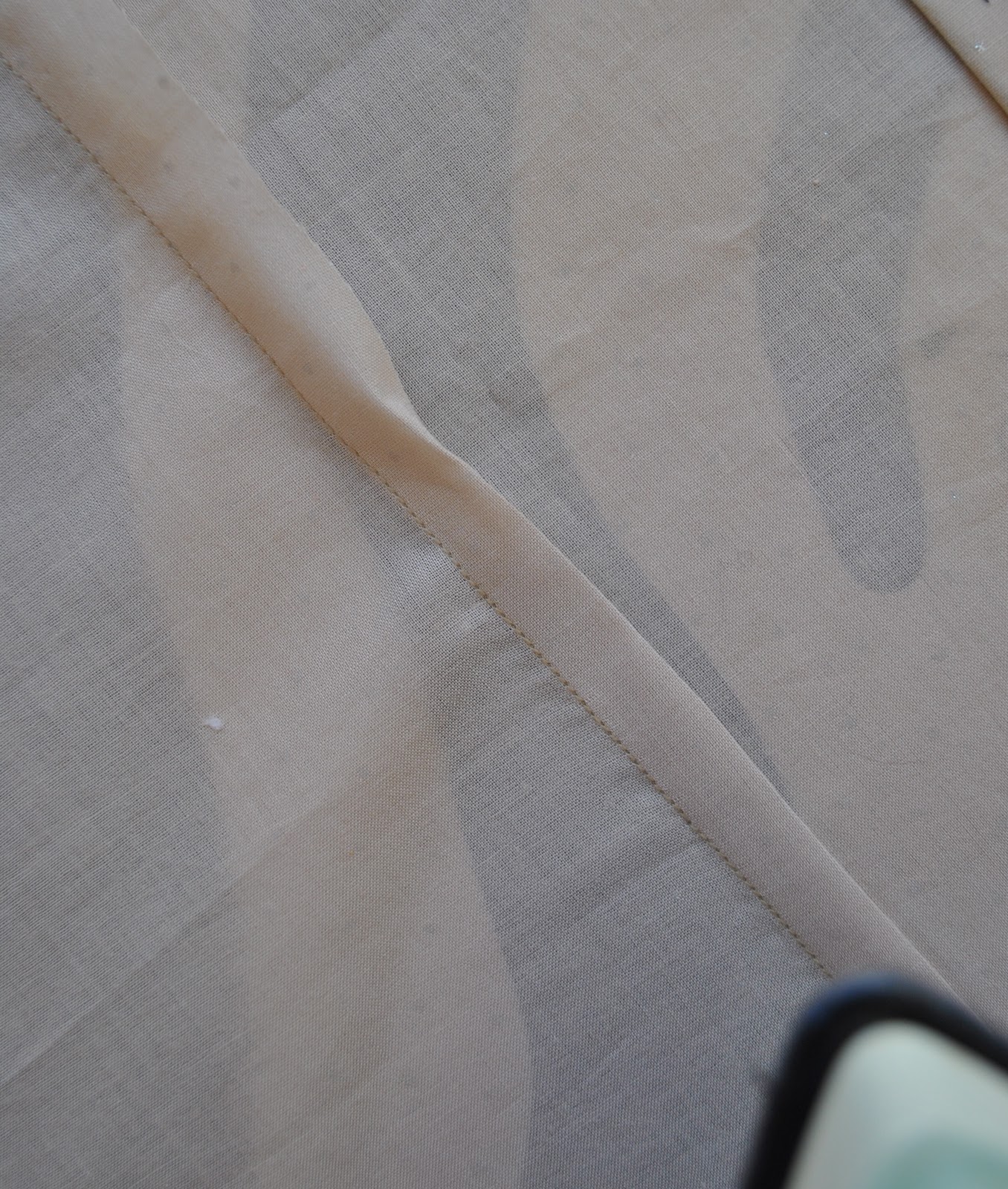
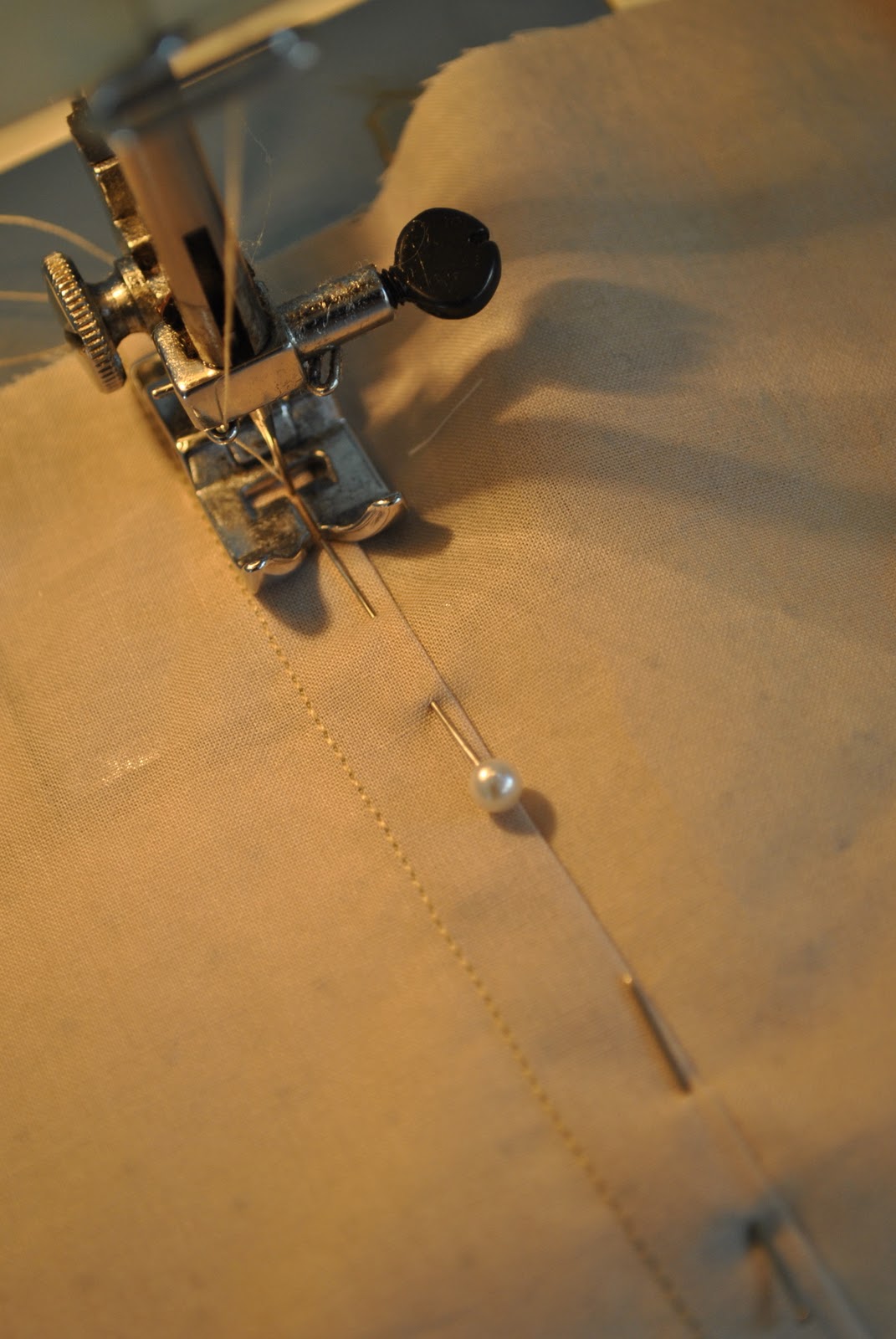
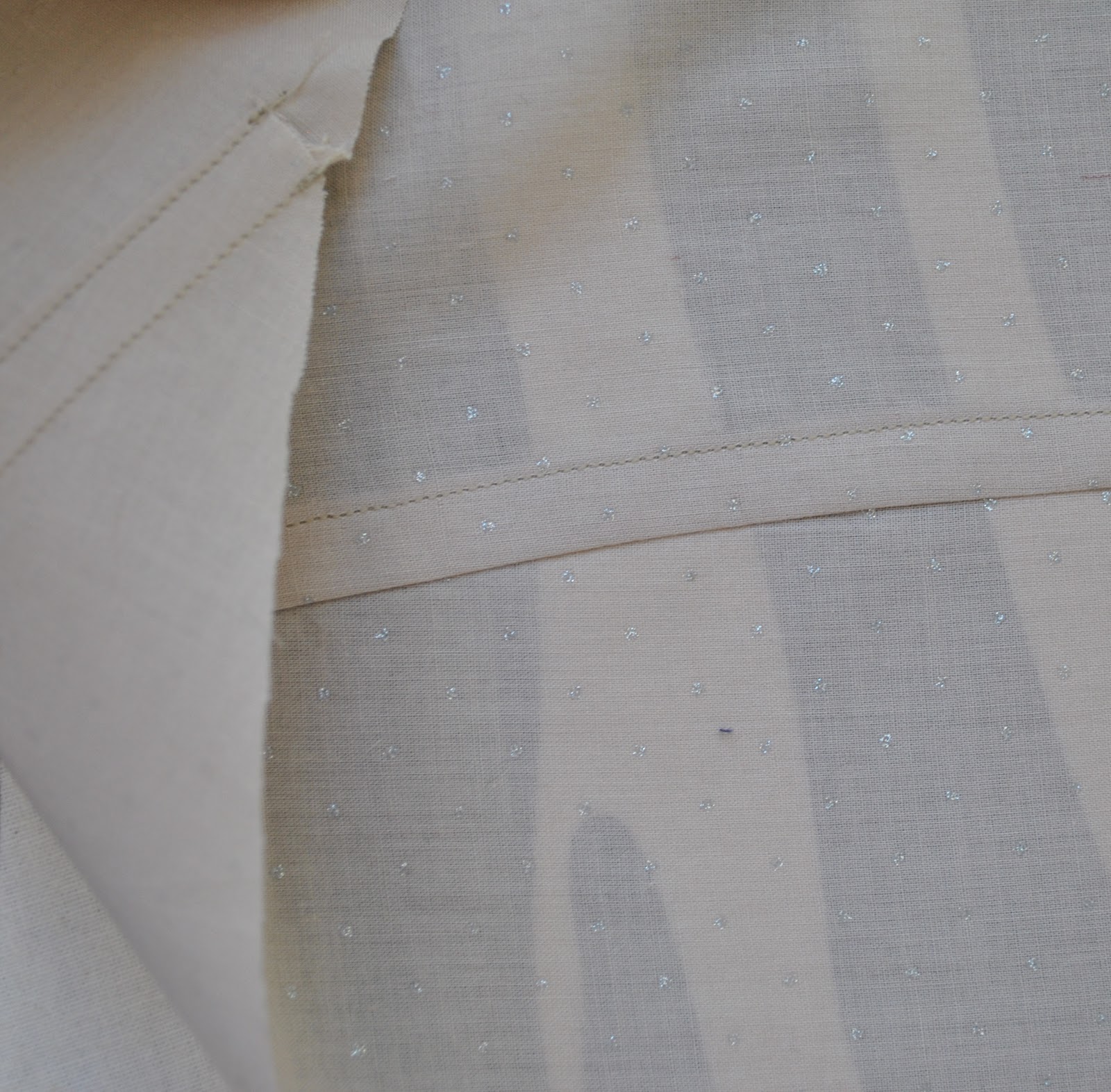
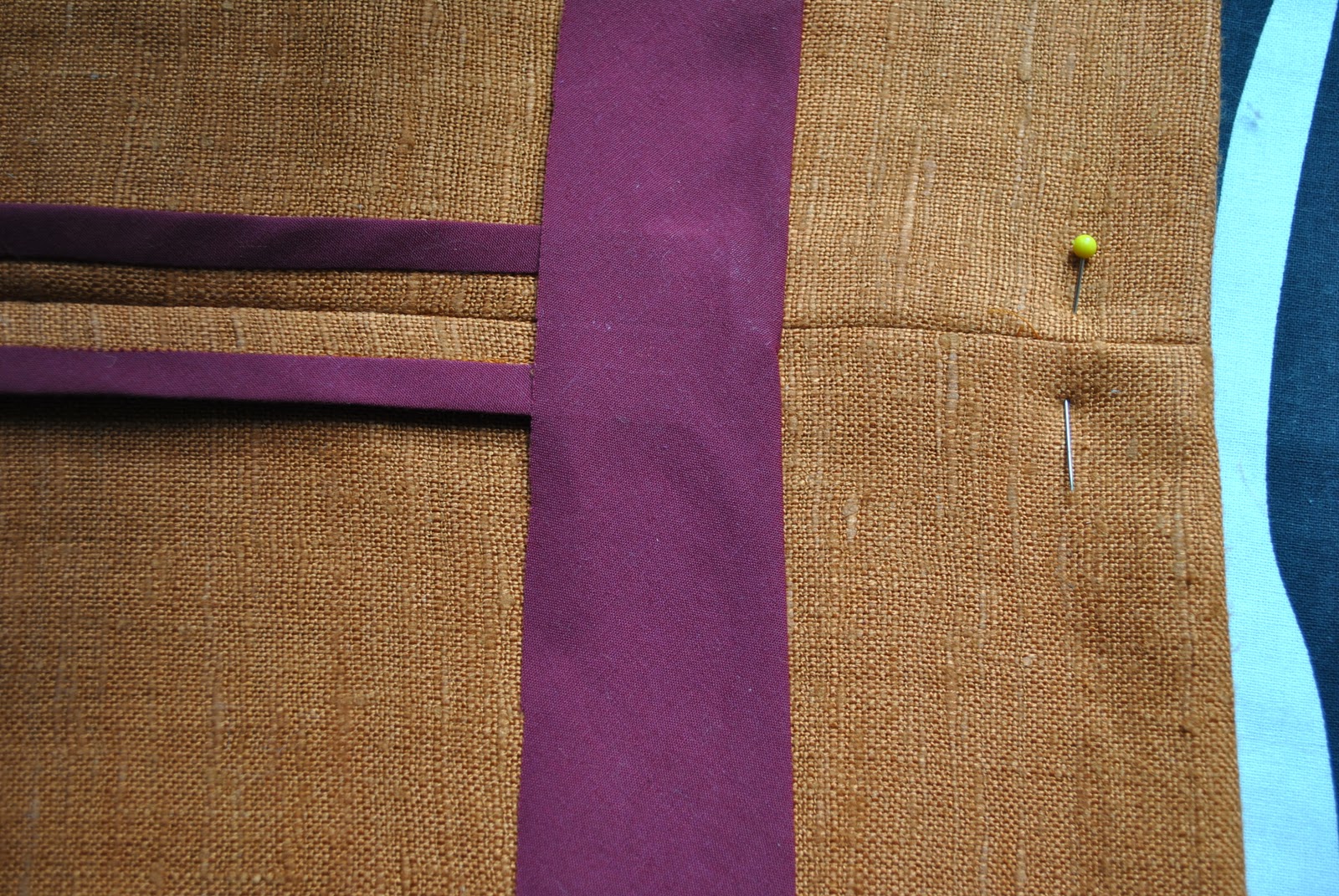
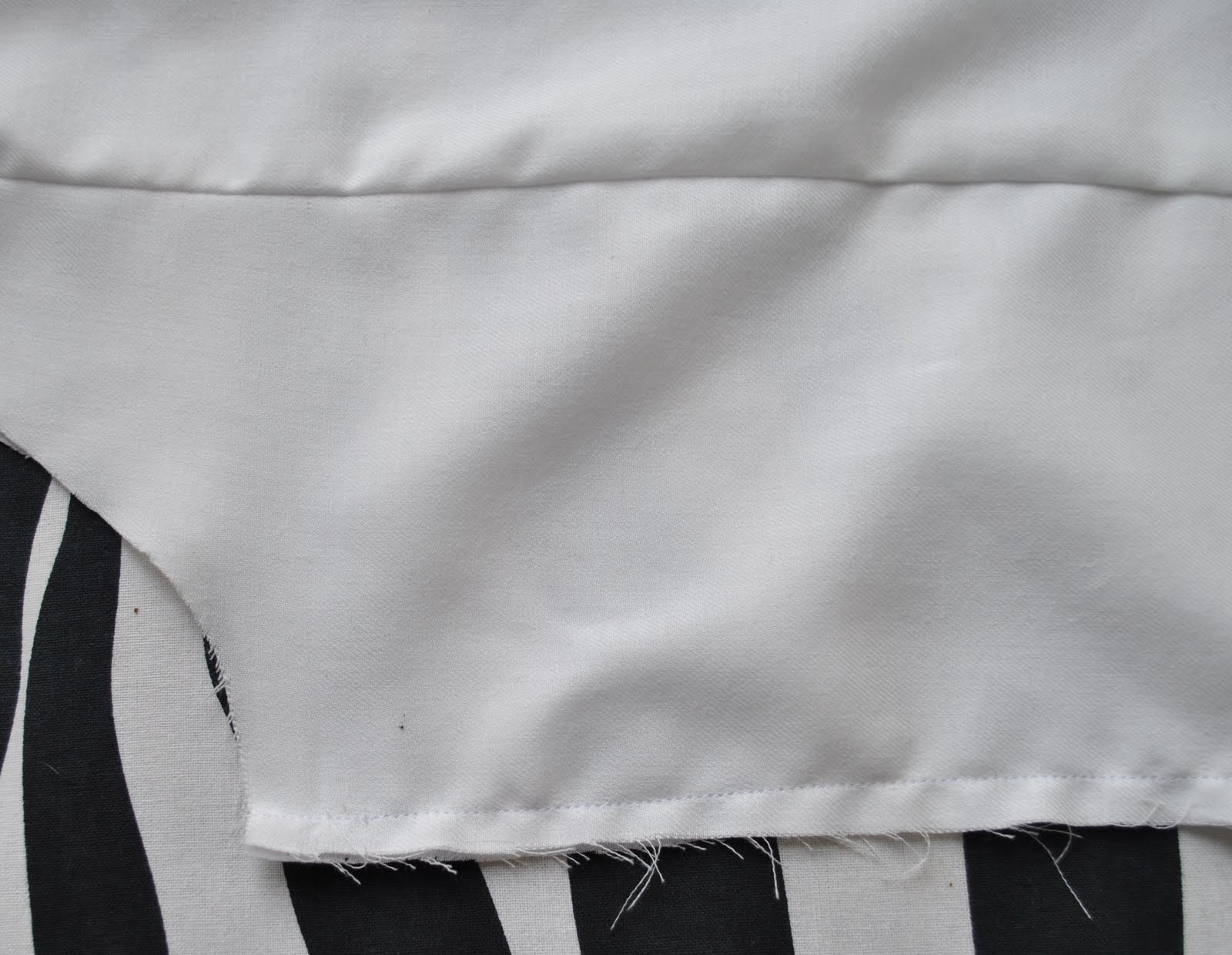
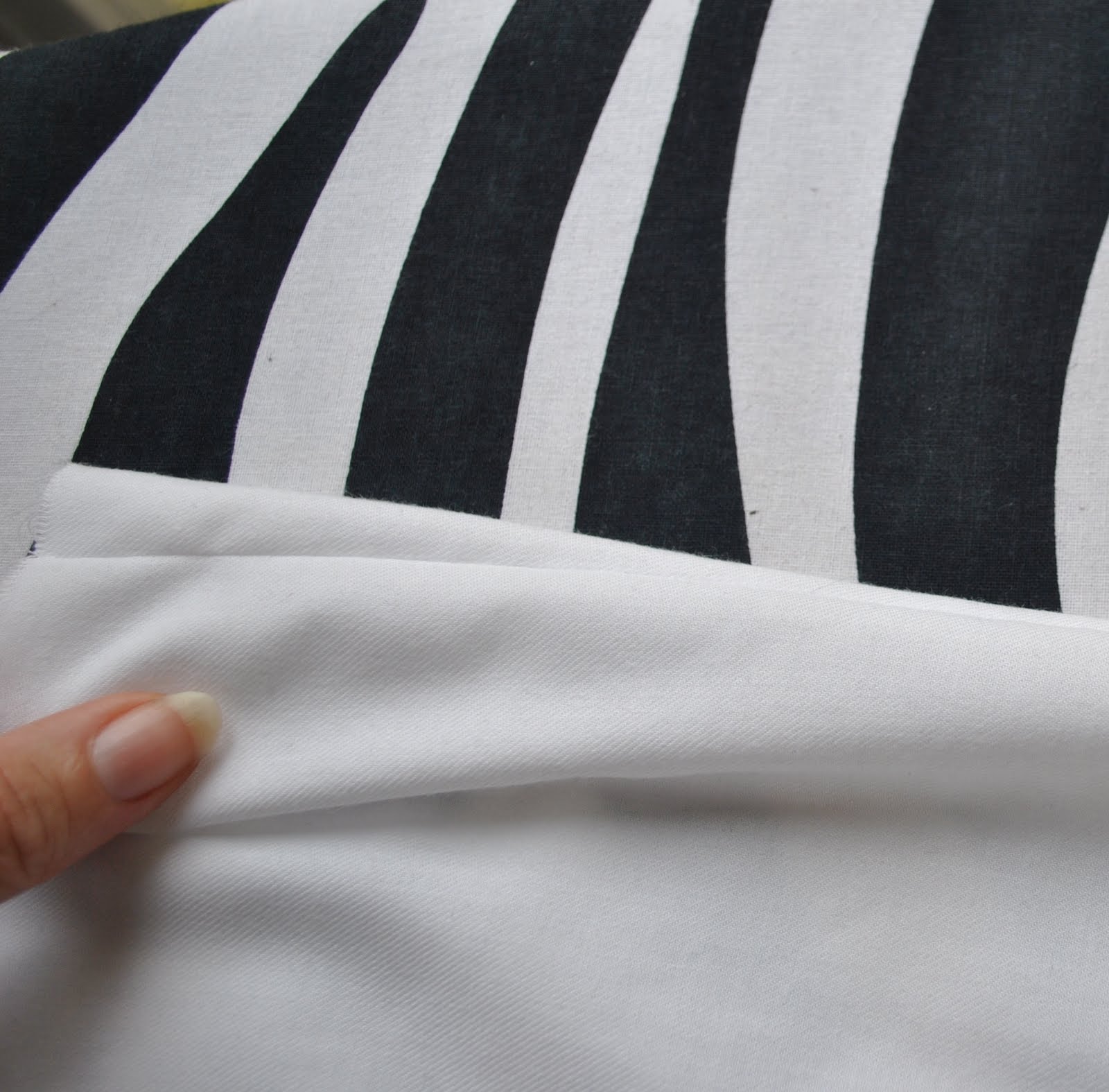
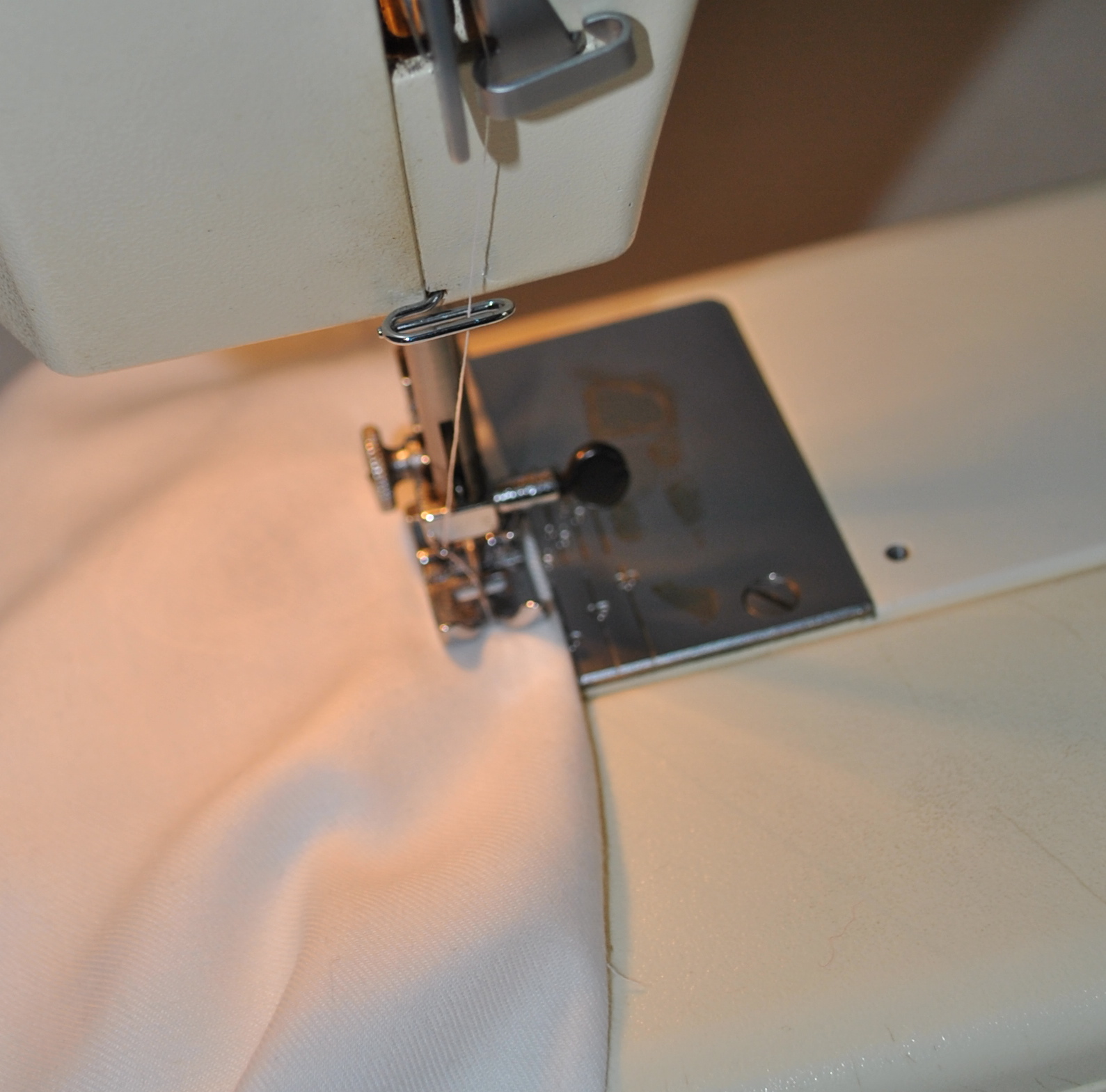
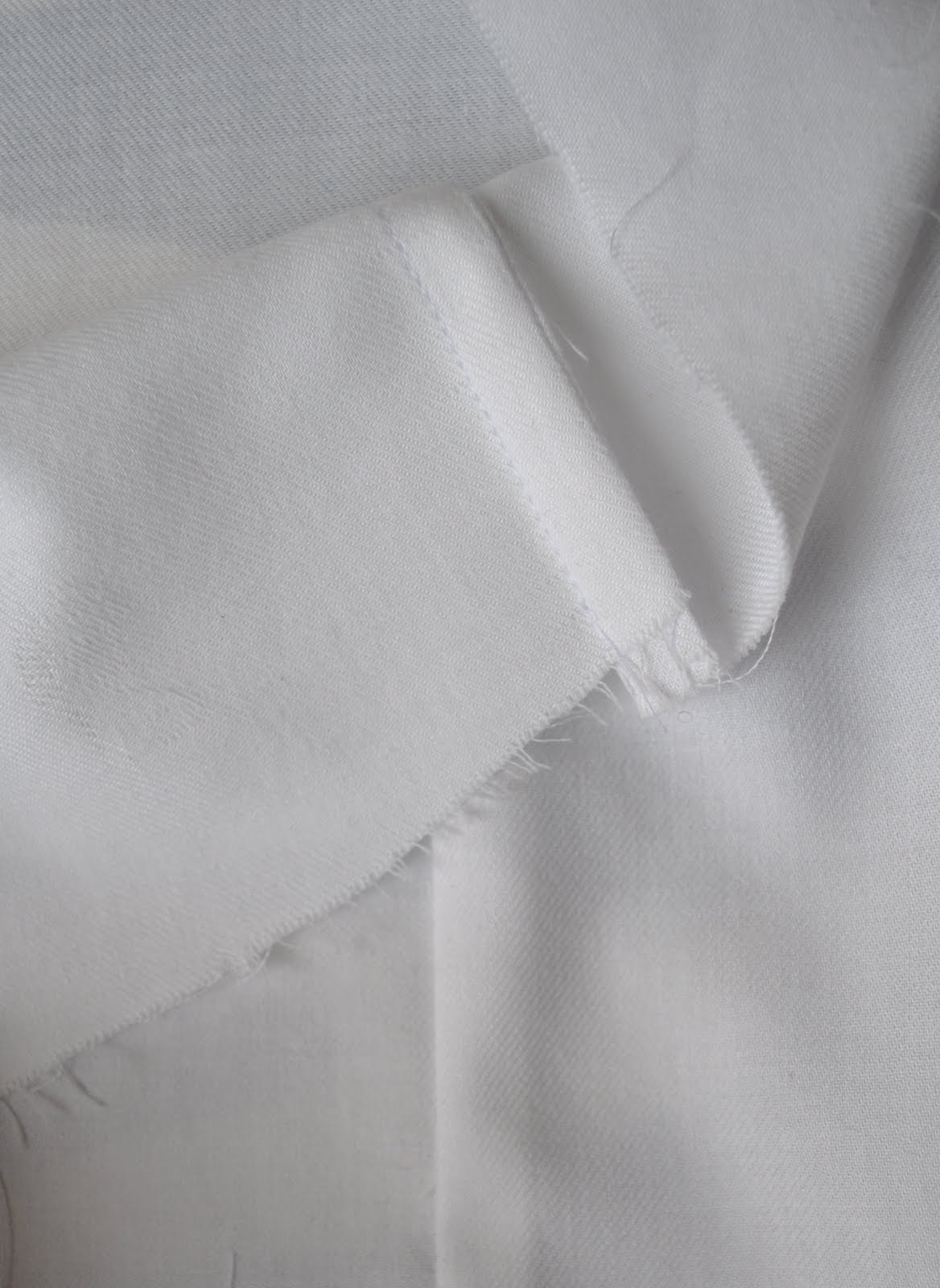
Now fold the fabric back over underneath the seam allowances to enclose the raw edges within the bias strip. I don’t press at this stage, but just stitch in the ditch of the first stitching. holding the bias strip in place and smoothing it down as I sew. Being bias cut; it should settle into place well, moulding itself smoothly around curves with the need for any ease stitching. (this is the inside pocket edge, and the pocket lining of the same fabric can be seen underneath)
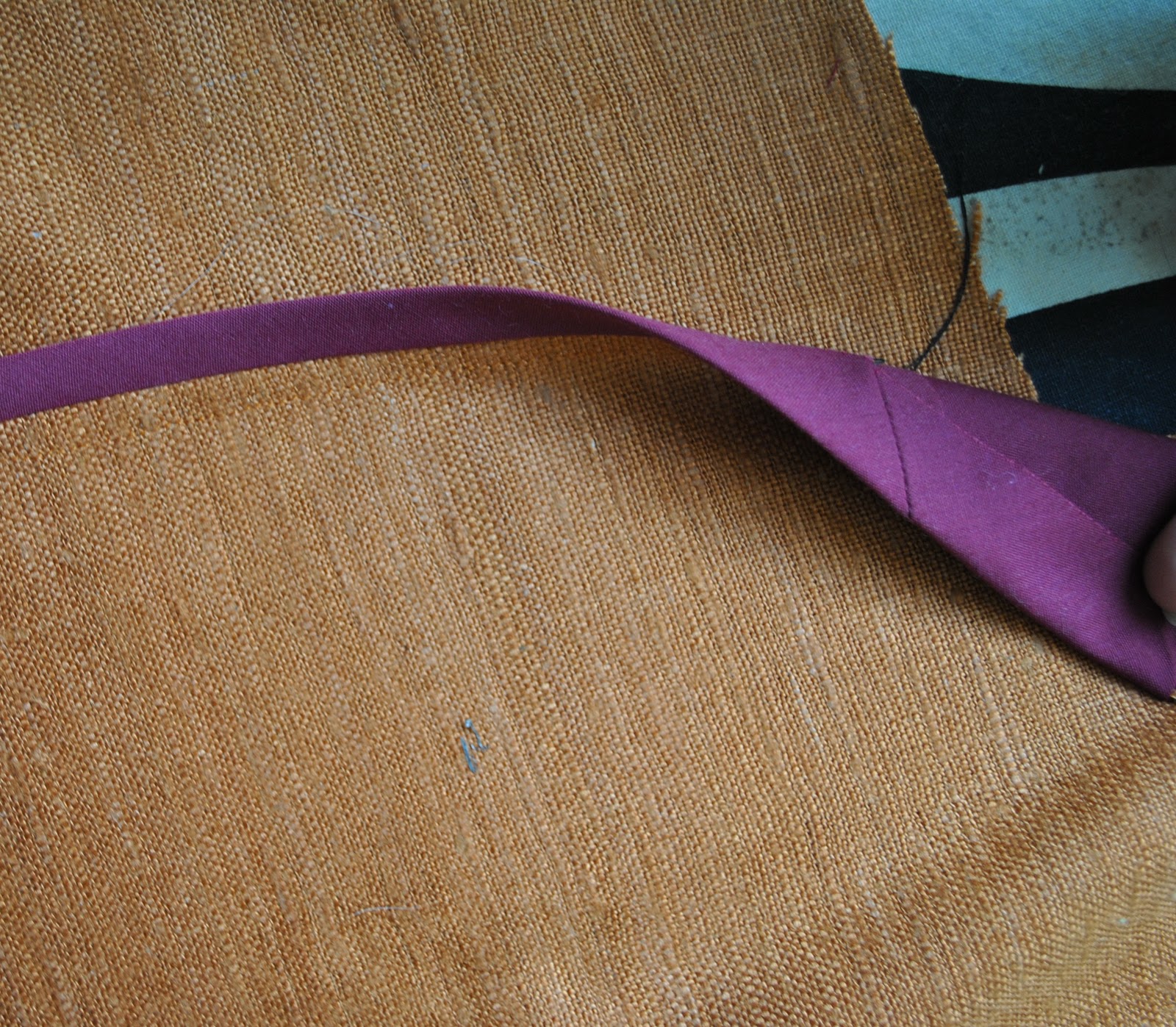
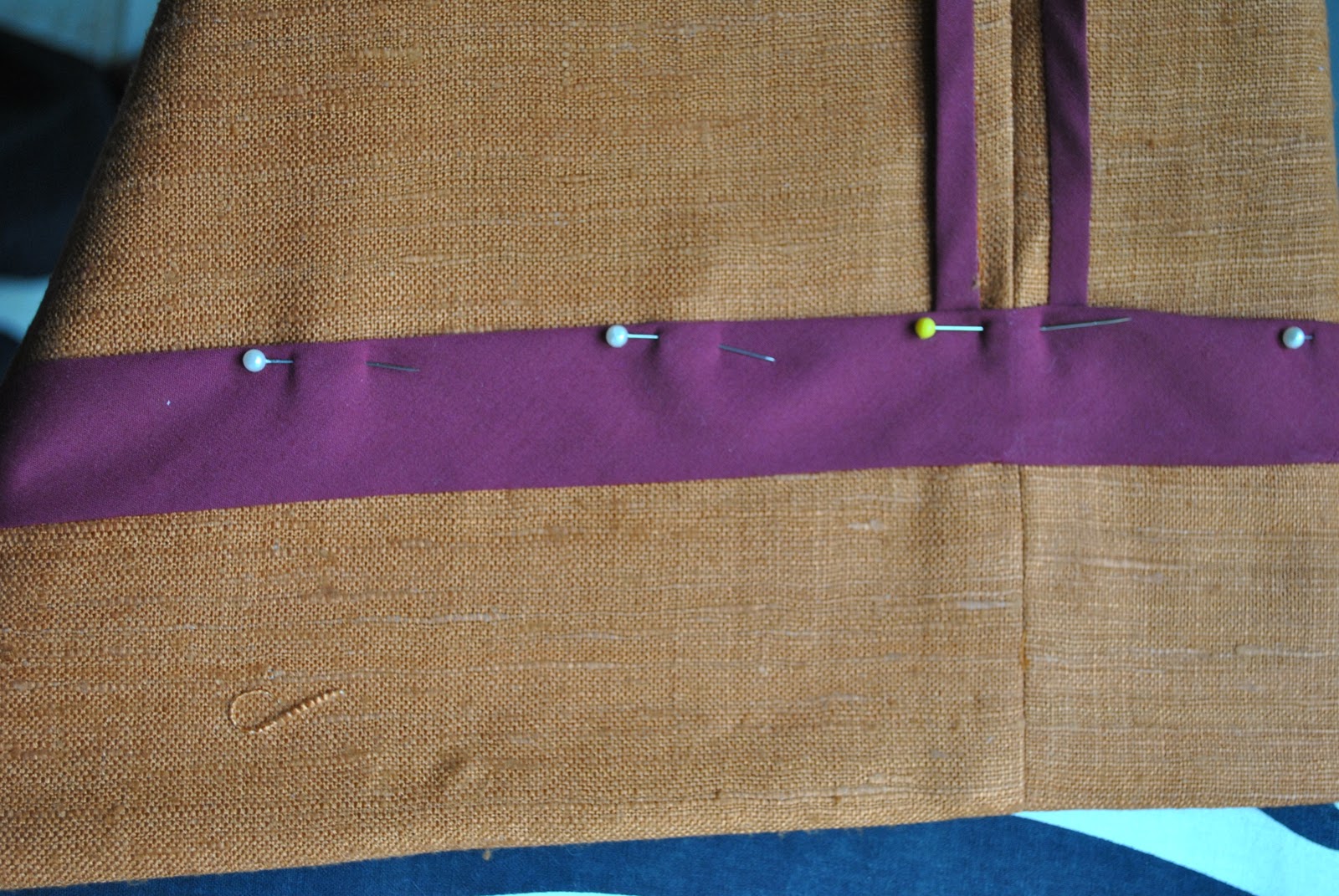
For the hem binding, the raw edges are sewn in a narrow 6mm seam allowance the same way. Probably the most difficult bit out of this whole procedure here is joining the two ends together in a perfect bias seam to meet up exactly at the stop/start sewing point.
The bias strip is pressed up, and a narrow 6mm seam allowance pressed down on the upper edge. This pressed edge is simply slipstitched down invisibly in place.
Voila! Now how easy was that? No real biggie, right… once you’ve tried HongKong seaming I promise it is something you will want to incorporate into special projects again and again.