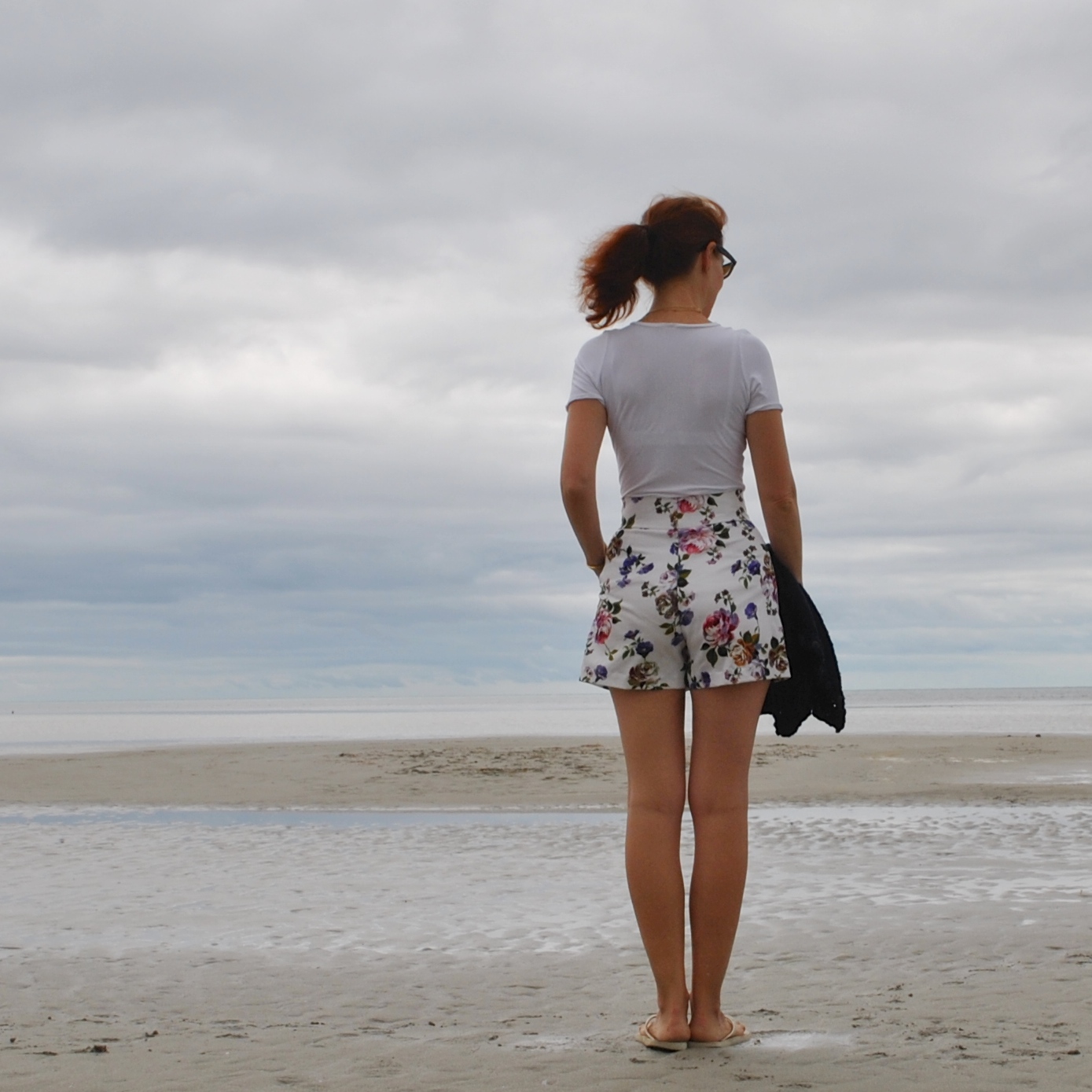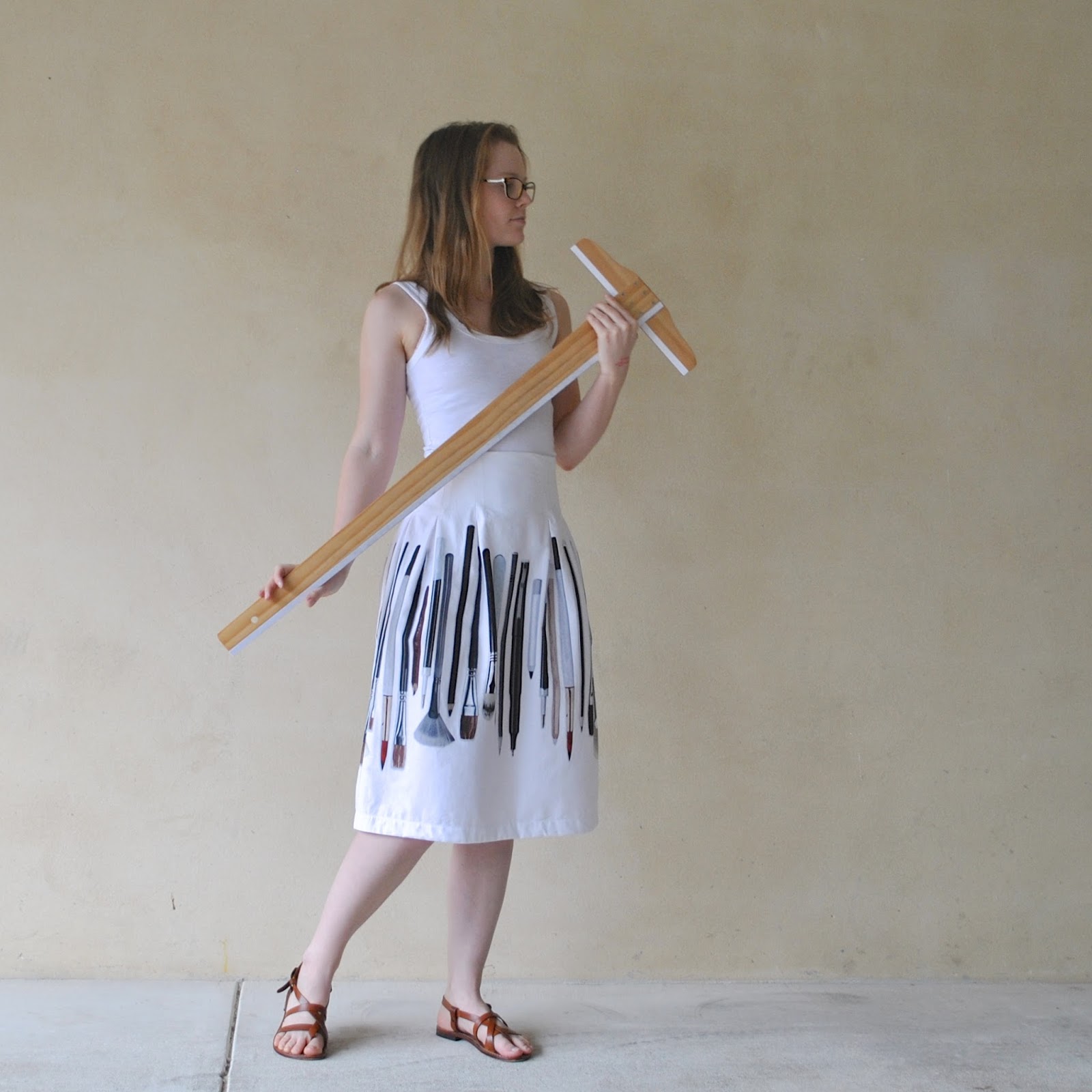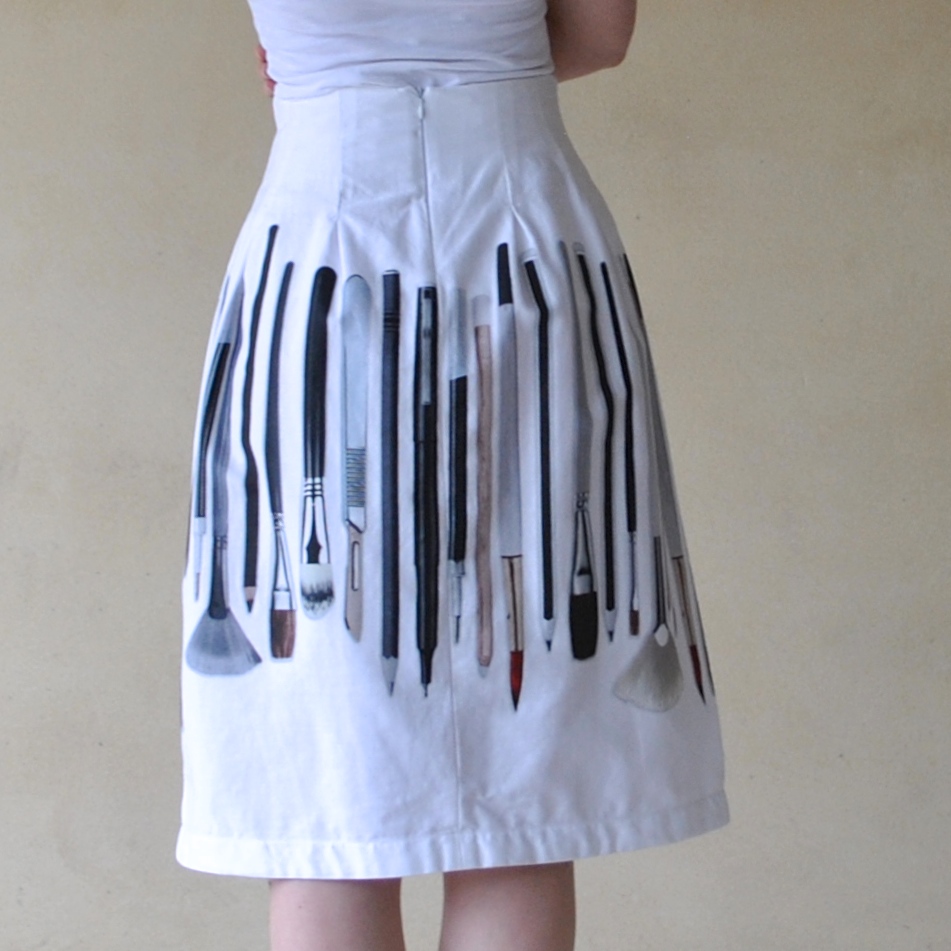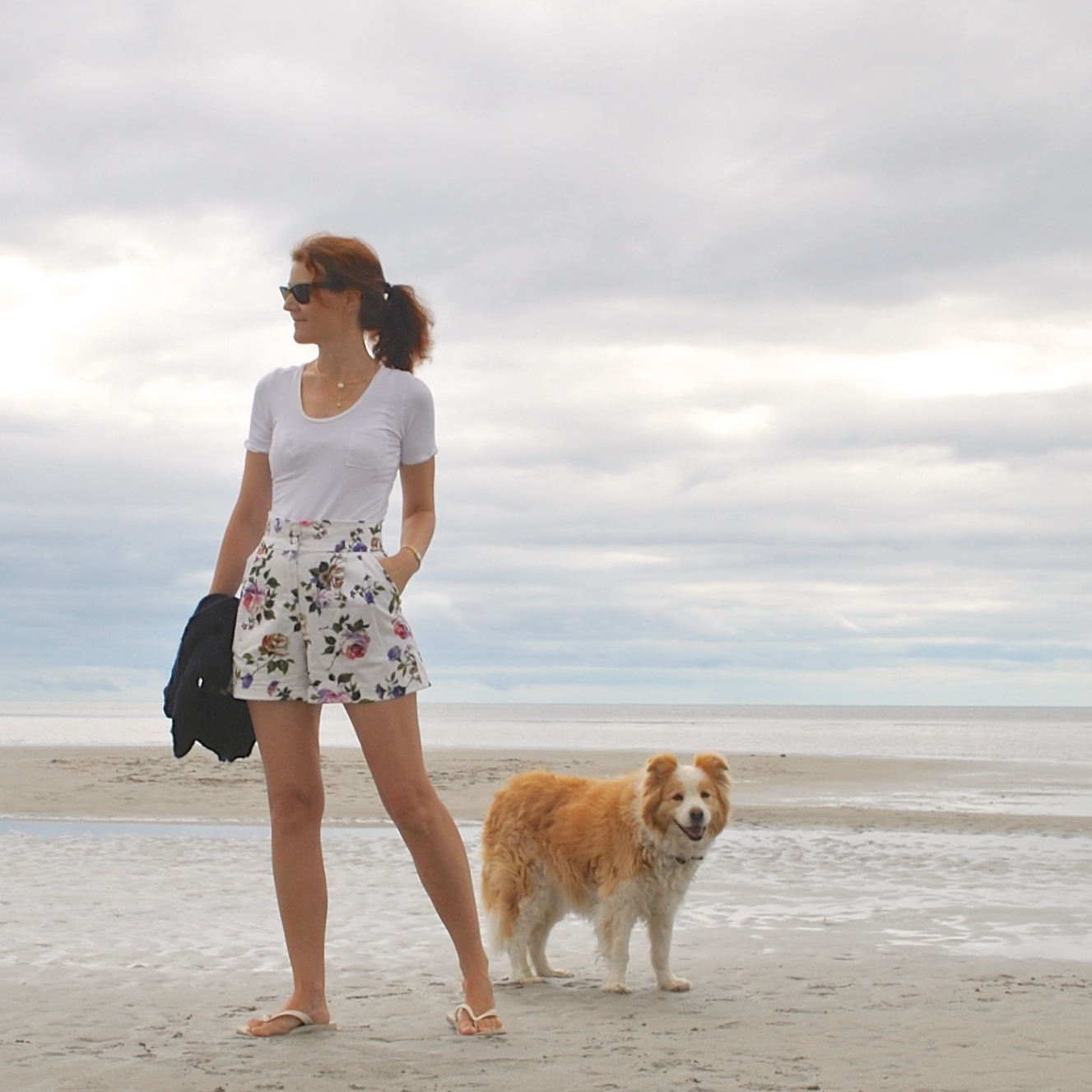
 …some new summer shorts 🙂
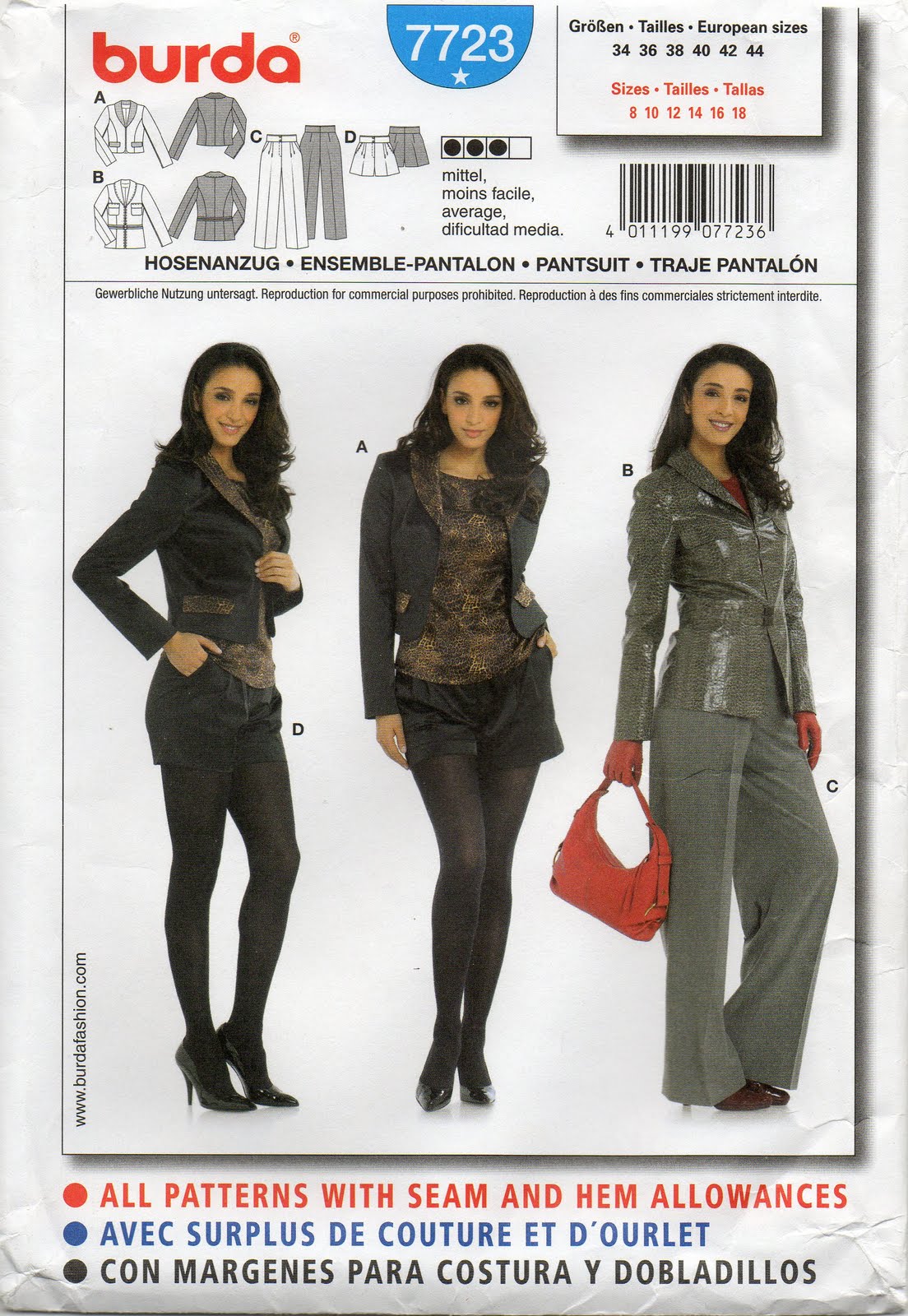
Pattern; ye olde faithful Burda
7723. Someone alerted me to the fact
that this pattern has been discontinued…. boooo! This is fair dinkum one of my favourite
patterns… goodness knows why Burda would let go such a nice flattering design
as this 🙁 However, last time I was in
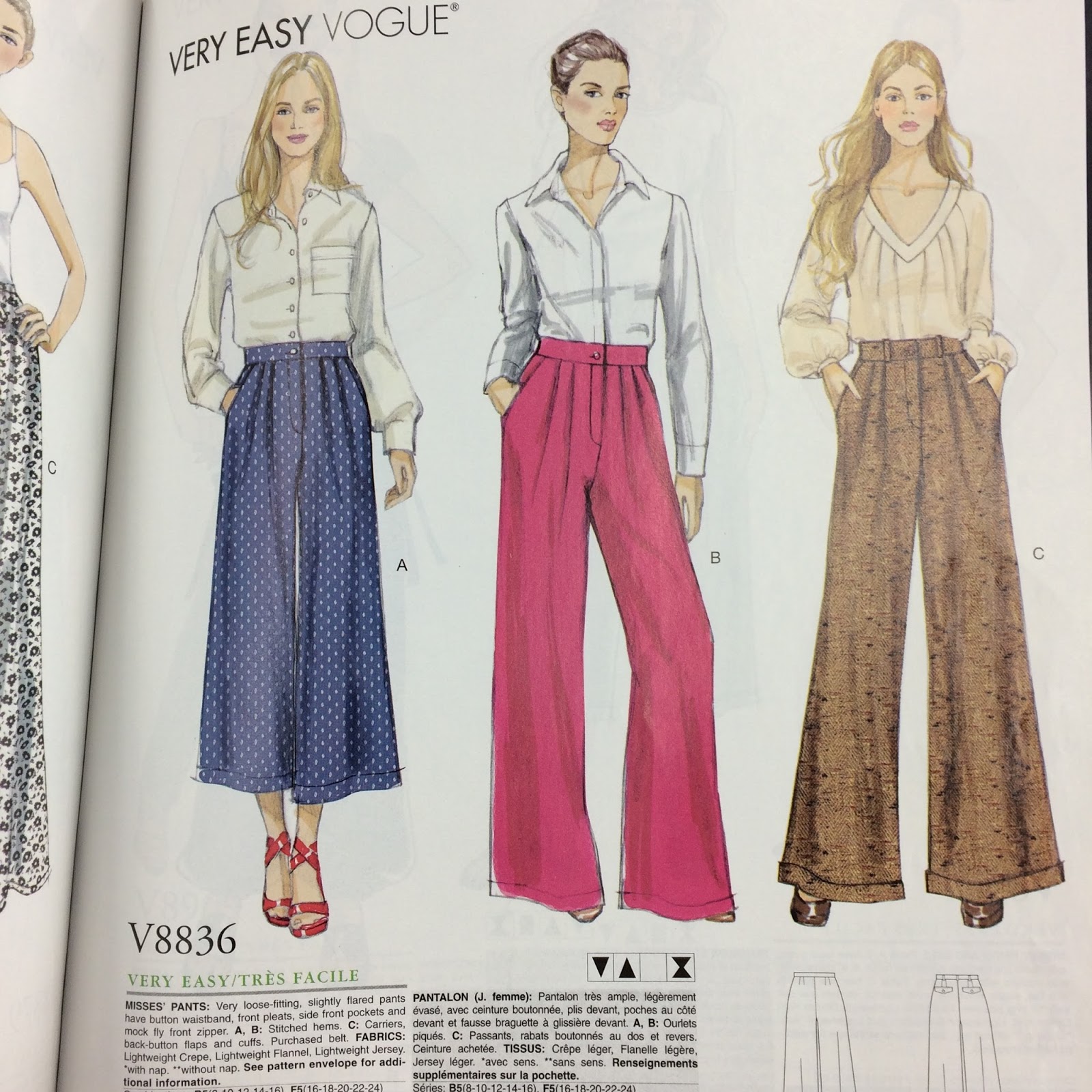
the fabric store I had a good squizz at the pattern catalogues, and while there are no Burdas like this any more, I noticed Vogue 8836 cut to shorts length might just be a pretty good substitute? It has the same high rise with deep/wide waistband,
the same slightly flared leg, the same slanted front pockets, the same double
pleats at top to enable decent hand-shoving access to said pockets.
7723. Someone alerted me to the fact
that this pattern has been discontinued…. boooo! This is fair dinkum one of my favourite
patterns… goodness knows why Burda would let go such a nice flattering design
as this 🙁 However, last time I was in
the fabric store I had a good squizz at the pattern catalogues, and while there are no Burdas like this any more, I noticed Vogue 8836 cut to shorts length might just be a pretty good substitute? It has the same high rise with deep/wide waistband,
the same slightly flared leg, the same slanted front pockets, the same double
pleats at top to enable decent hand-shoving access to said pockets.
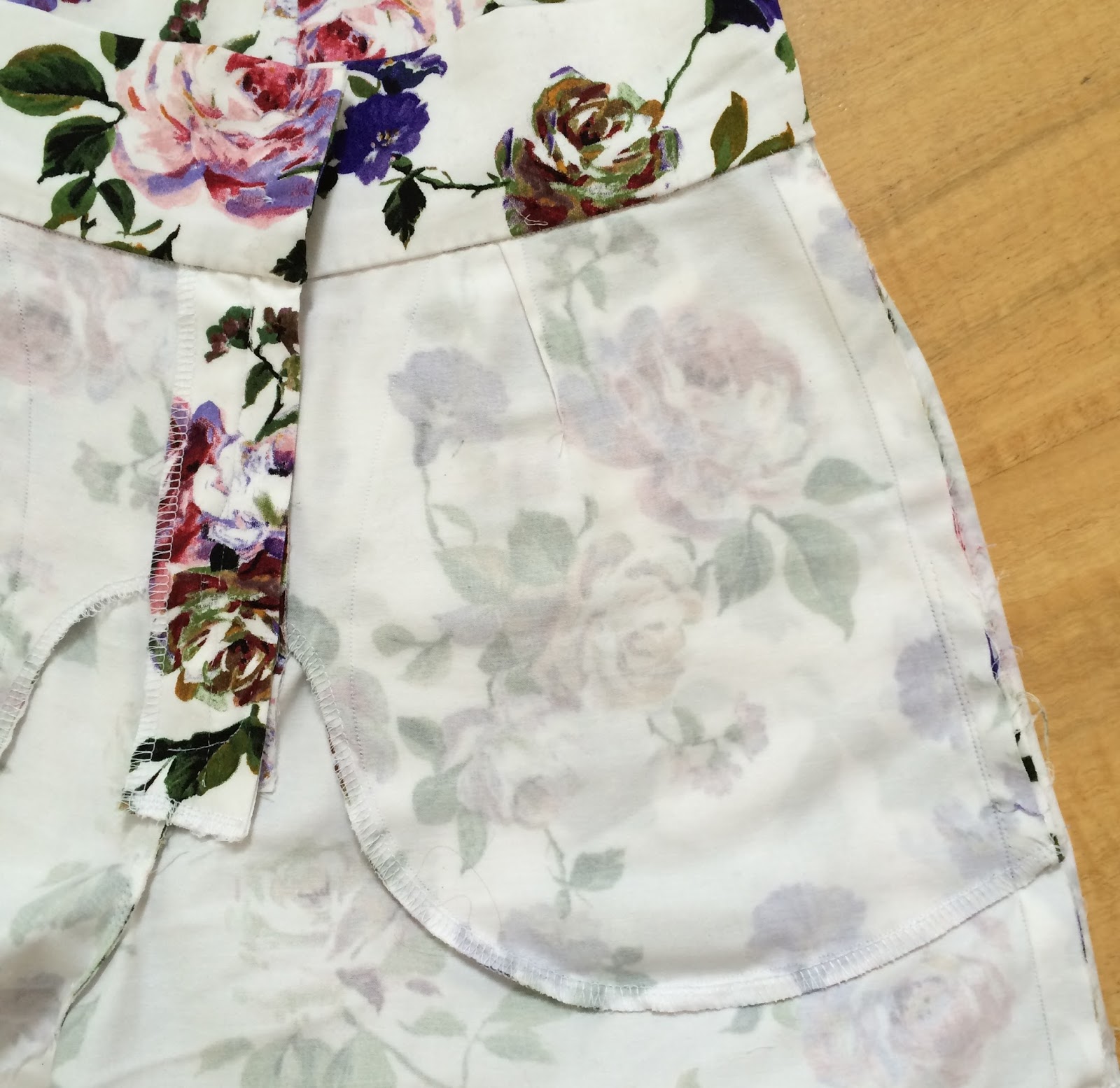
One thing I really loooove
about the Burda pattern is the way the pocket piece extends right into the fly;
which gives you a kind of inbuilt tummy control panel right across the front. I don’t know if the Vogue has this feature but if not that would be sad, since this is a GIANT WIN!
about the Burda pattern is the way the pocket piece extends right into the fly;
which gives you a kind of inbuilt tummy control panel right across the front. I don’t know if the Vogue has this feature but if not that would be sad, since this is a GIANT WIN!
Alterations; just the usual, the pattern doesn’t instruct to put a protective placket behind the fly but I always put
one in. It’s an easy add-on and always a nice finishing touch to any fly front.
one in. It’s an easy add-on and always a nice finishing touch to any fly front.
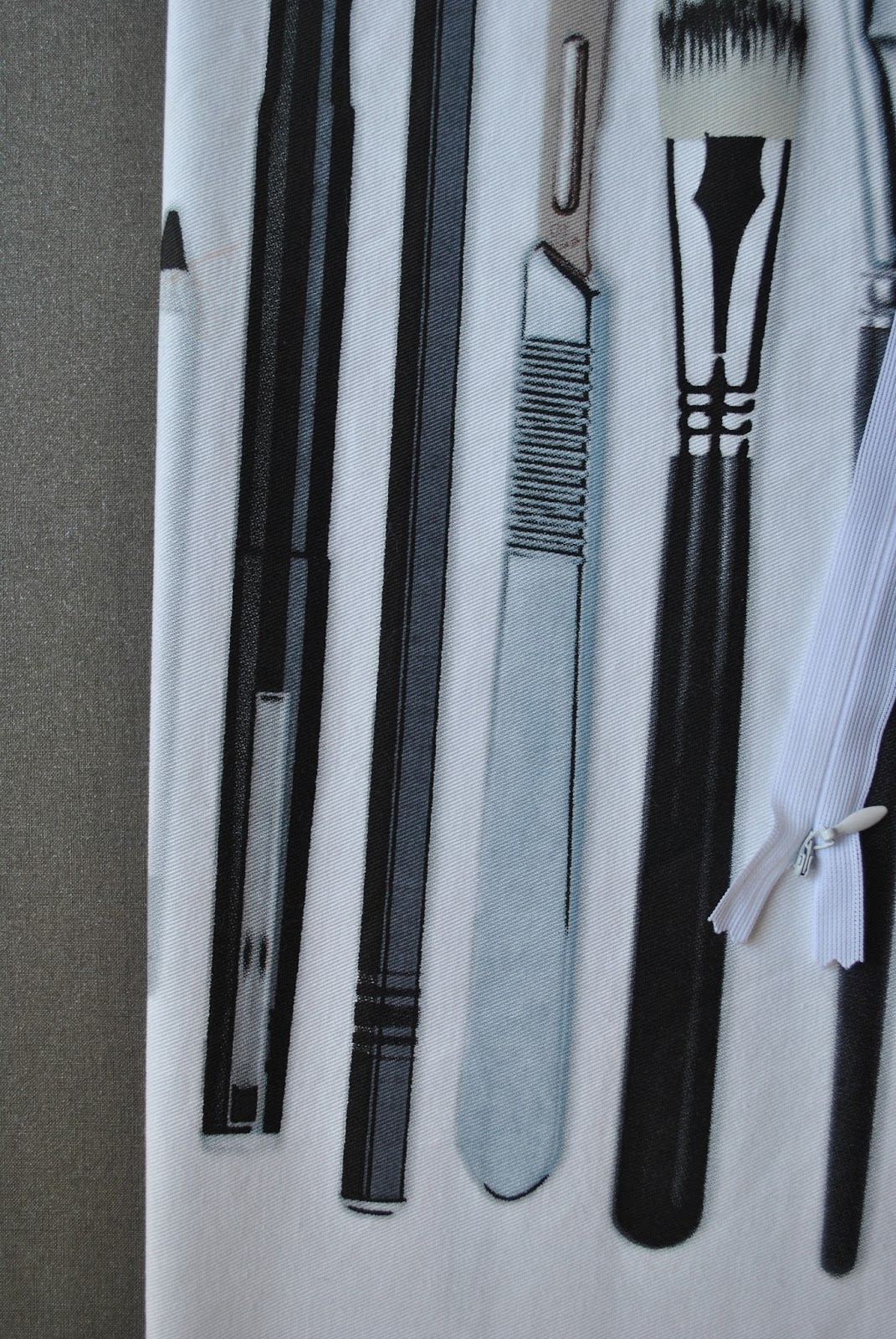
Fabric; some lovely stretch sateen from Fabulous Fabrics; soft, sturdy without being very thick, and the print has a sharp, painterly appearance, like old-fashioned ceramics. Mum bought it for
me for my birthday. Actually, the fabric is very lovely and totally deserves to be something far more dressy. Just that I’m a funny bun when I get an idea
in my head, sorry; and I really fancied some luxe-ish shorts. I’m excited about the thought of wearing them
both pretty pretty style, with my ultra feminine broderie anglaise top; and also
more contrast-y like, with my more masculine, utilitiarian khaki linen shirt
too.
me for my birthday. Actually, the fabric is very lovely and totally deserves to be something far more dressy. Just that I’m a funny bun when I get an idea
in my head, sorry; and I really fancied some luxe-ish shorts. I’m excited about the thought of wearing them
both pretty pretty style, with my ultra feminine broderie anglaise top; and also
more contrast-y like, with my more masculine, utilitiarian khaki linen shirt
too.
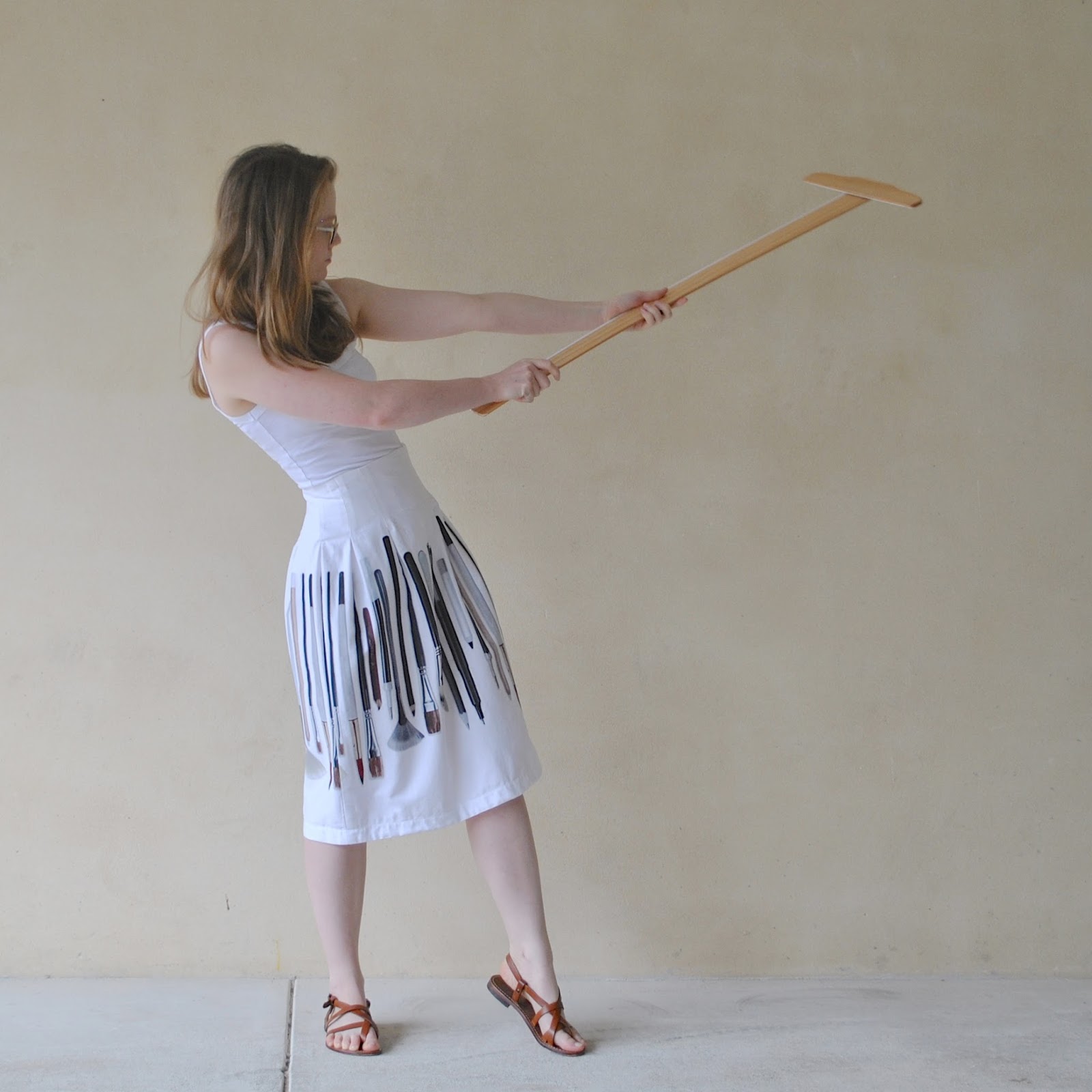
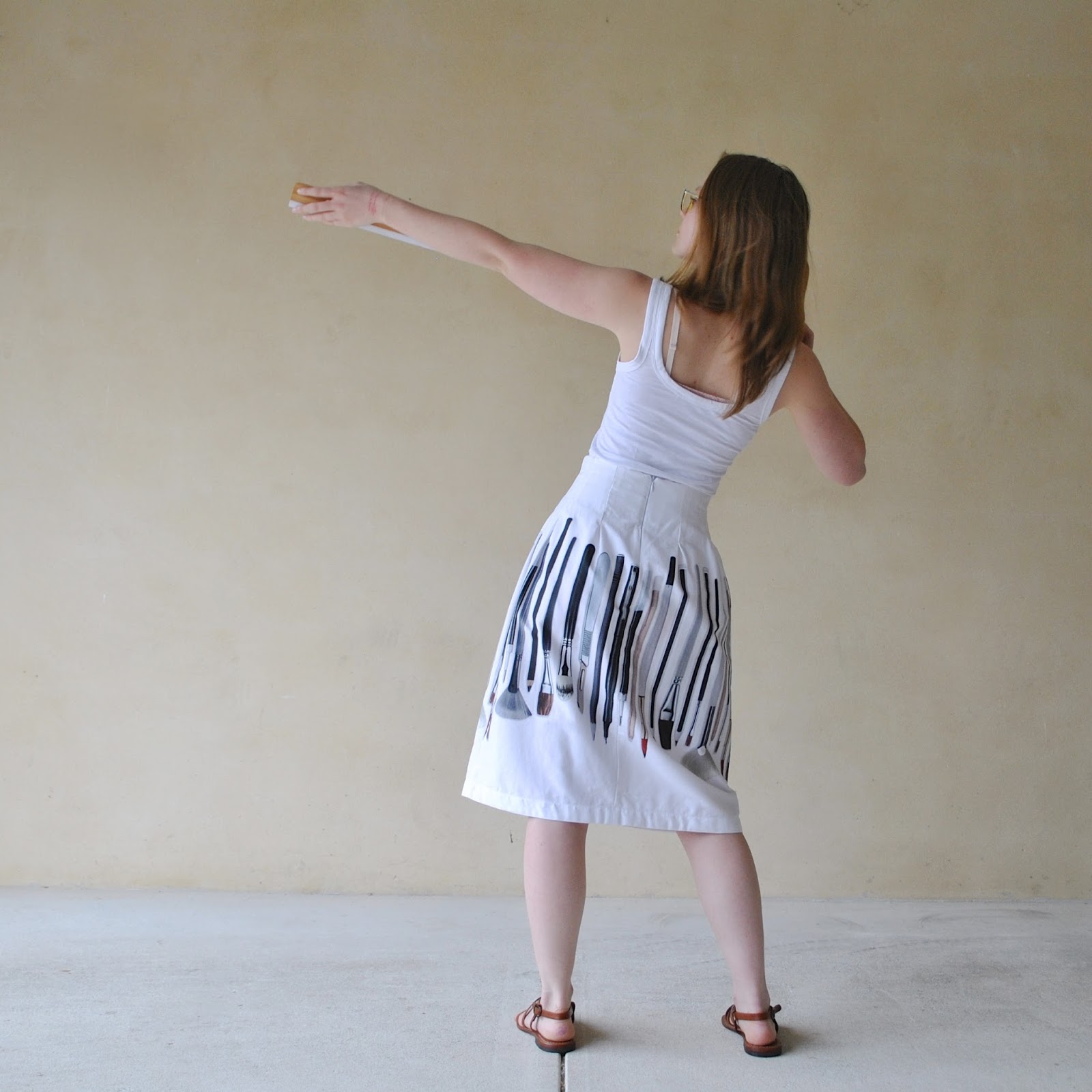
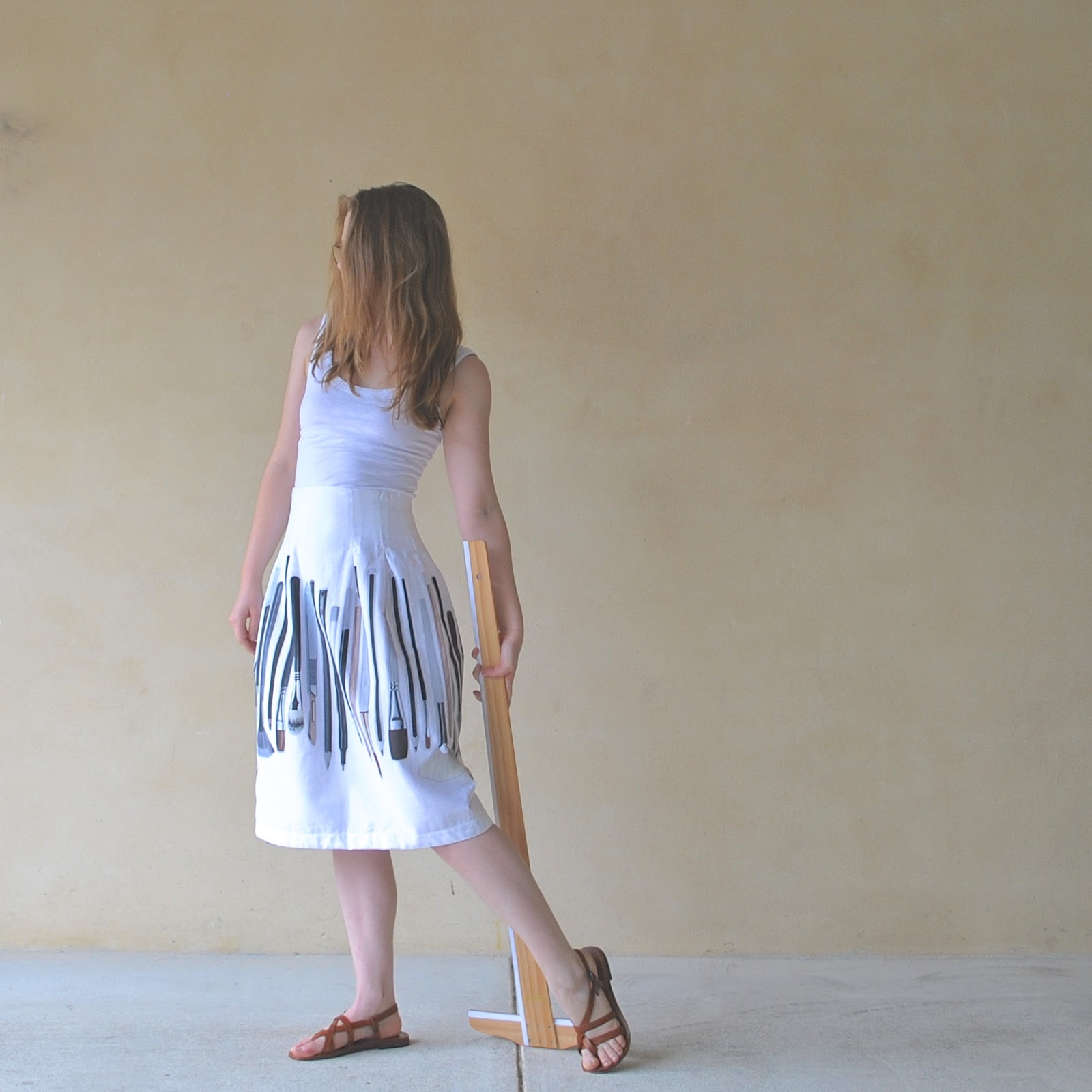
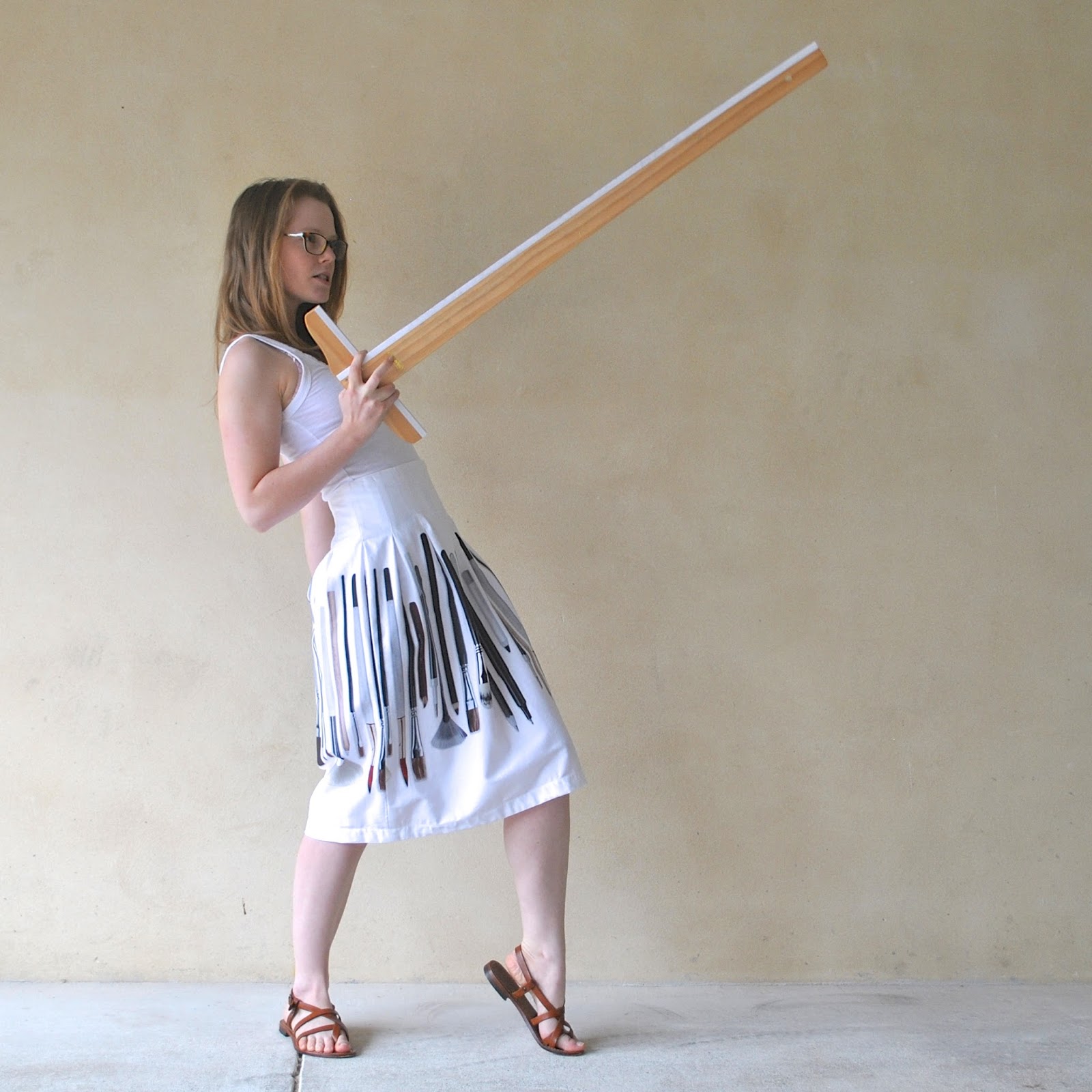
The lovely Margo recently posted about showing your sewing creations in action, with an action shot… which inspired the following display of gawky awkwardness. What was I thinking, I don’t know.
Thought bubble emanating from Sienna; what the flippin’ heck is she doing NOW!????
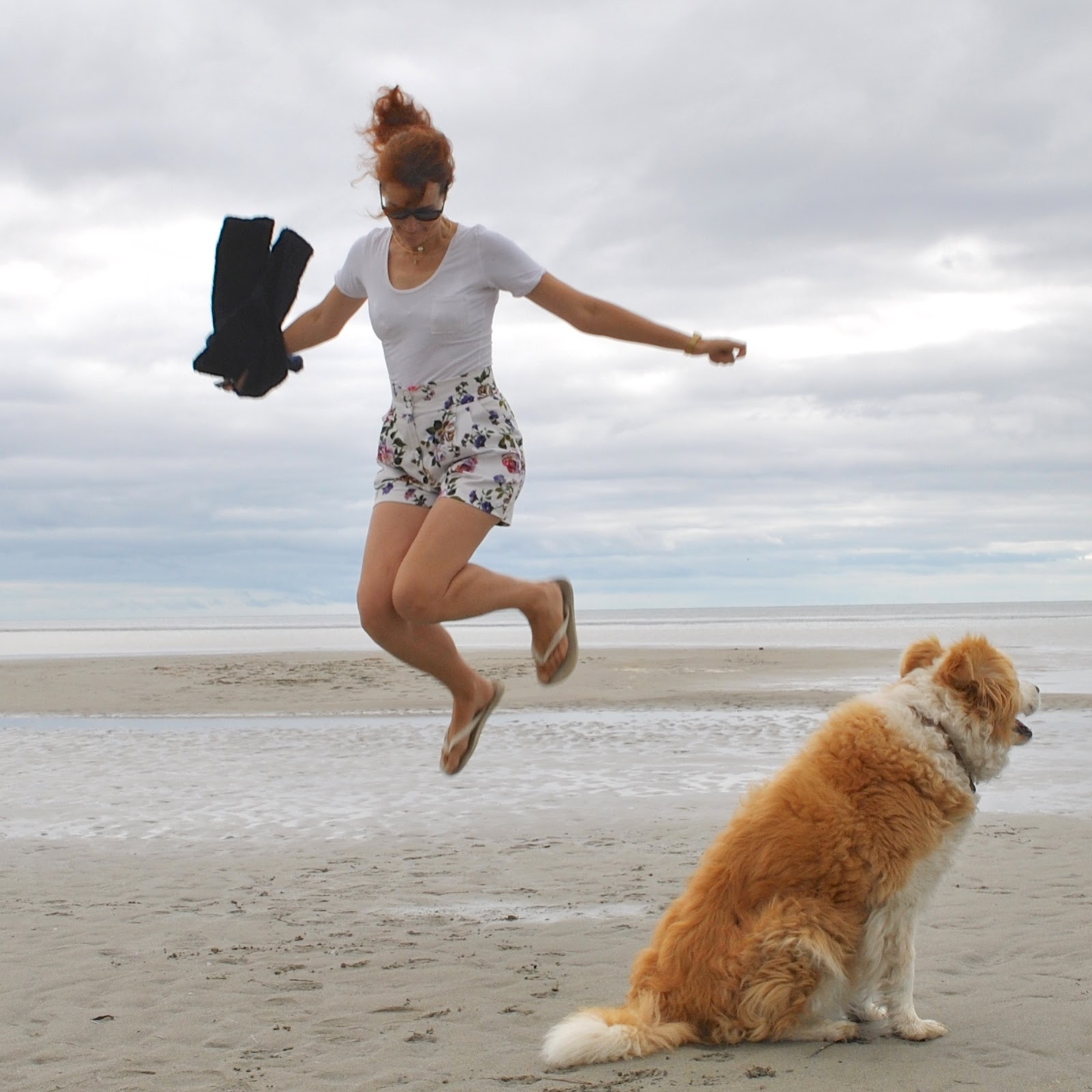
Action shot! Sienna knows, you see, that in real life this particular action is pretty much non-existent from my daily repertoire of actions, haha. Pegging clothes on the line or taking out the rubbish would be a more realistic action shot, if slightly less riveting for a picture!
Oh dear. Well, it seemed like a good idea at the time, ahem…!
Oh dear. Well, it seemed like a good idea at the time, ahem…!
Okay! wrapping it up…
Happiness factor; well, a favourite pattern and totally lovely fabric, all going together as smooth as silk. I’m giving
this project 10/10 🙂
this project 10/10 🙂
Details:
Shorts; Burda 7723, floral sateen
Tshirt; the Nettie, Closet Case patterns, white bamboo jersey. details here
Cardigan; midnight blue Miette, details here
Thongs; Havaianas
Thongs; Havaianas