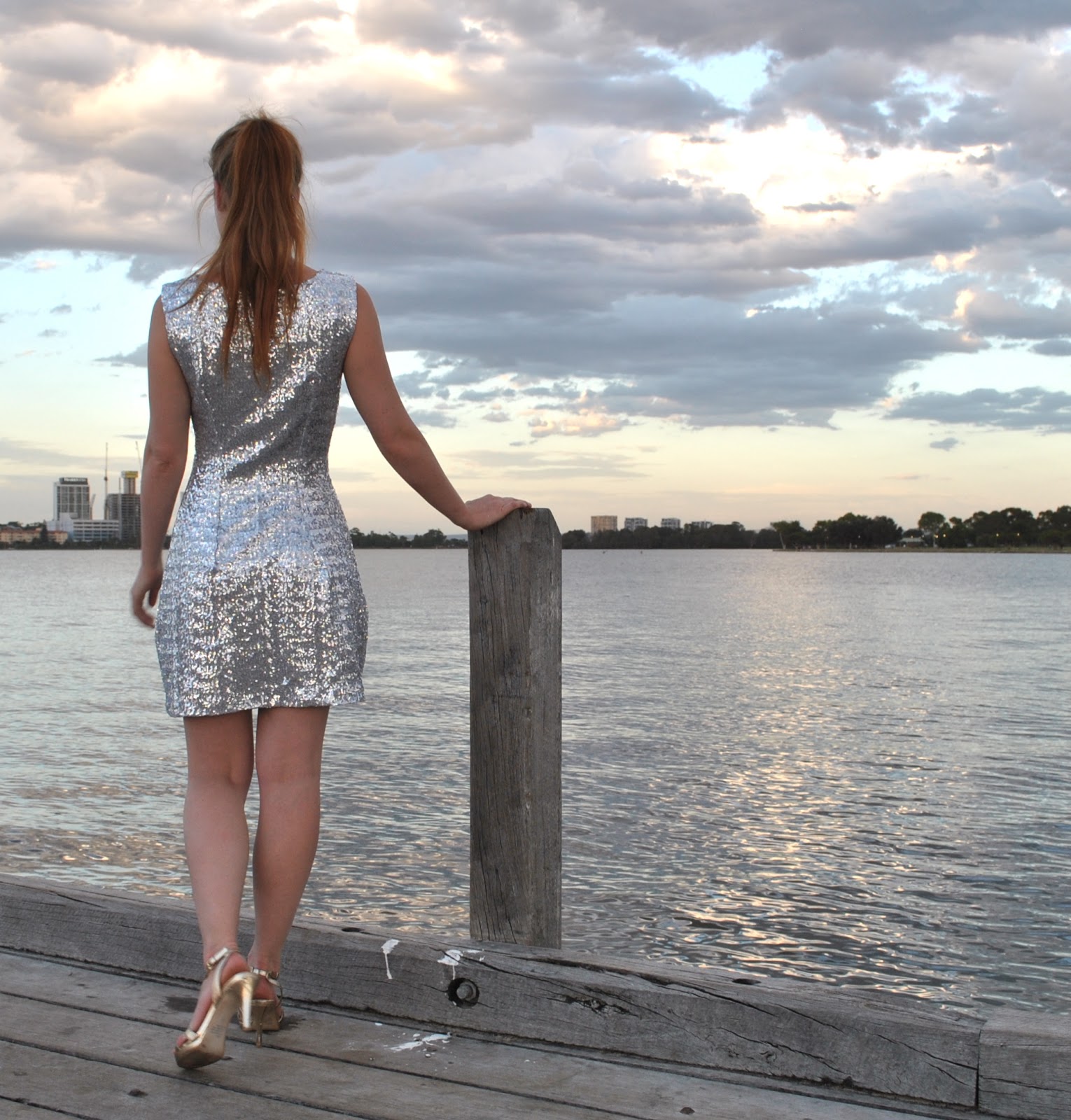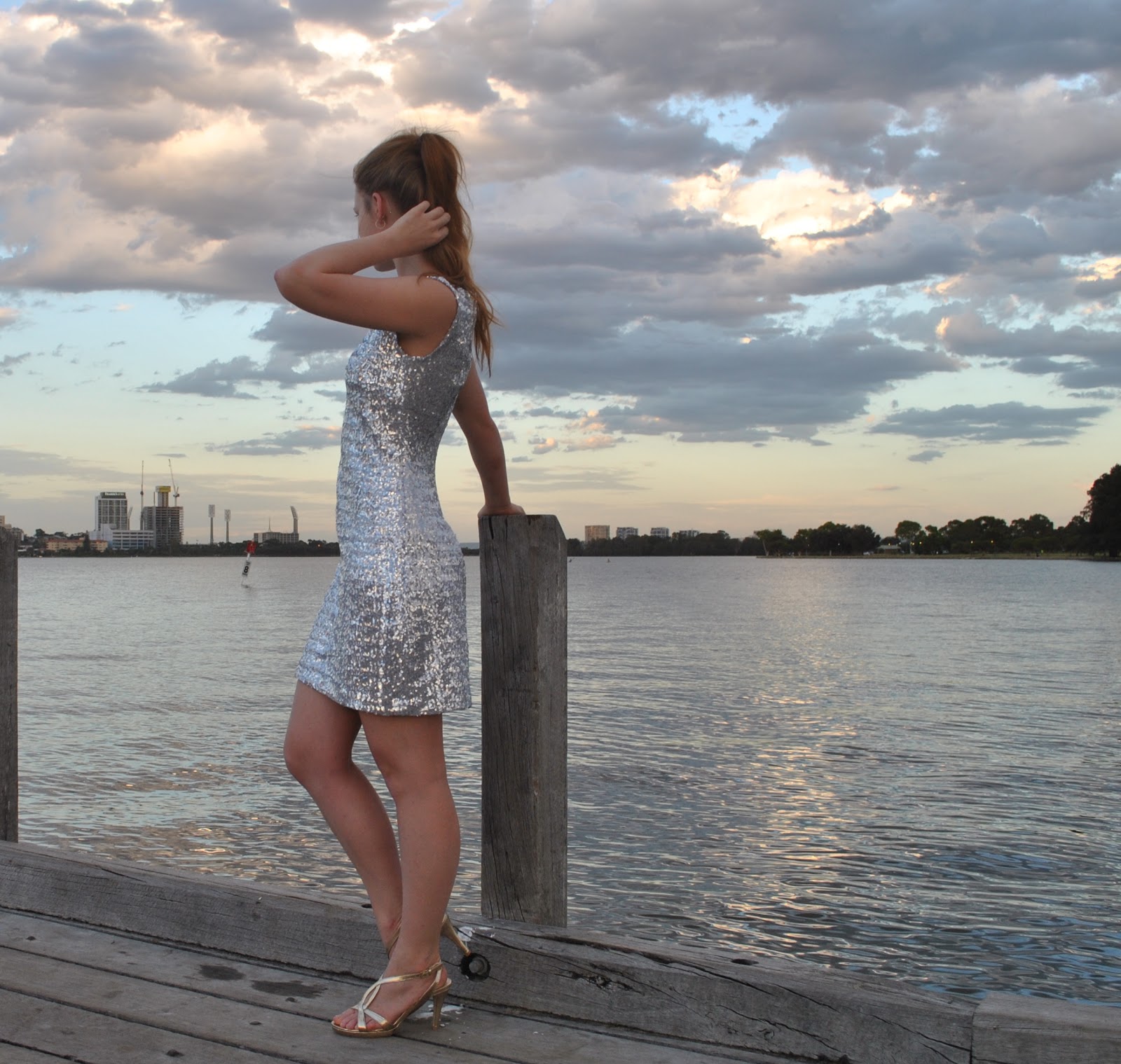
But, how is this so?
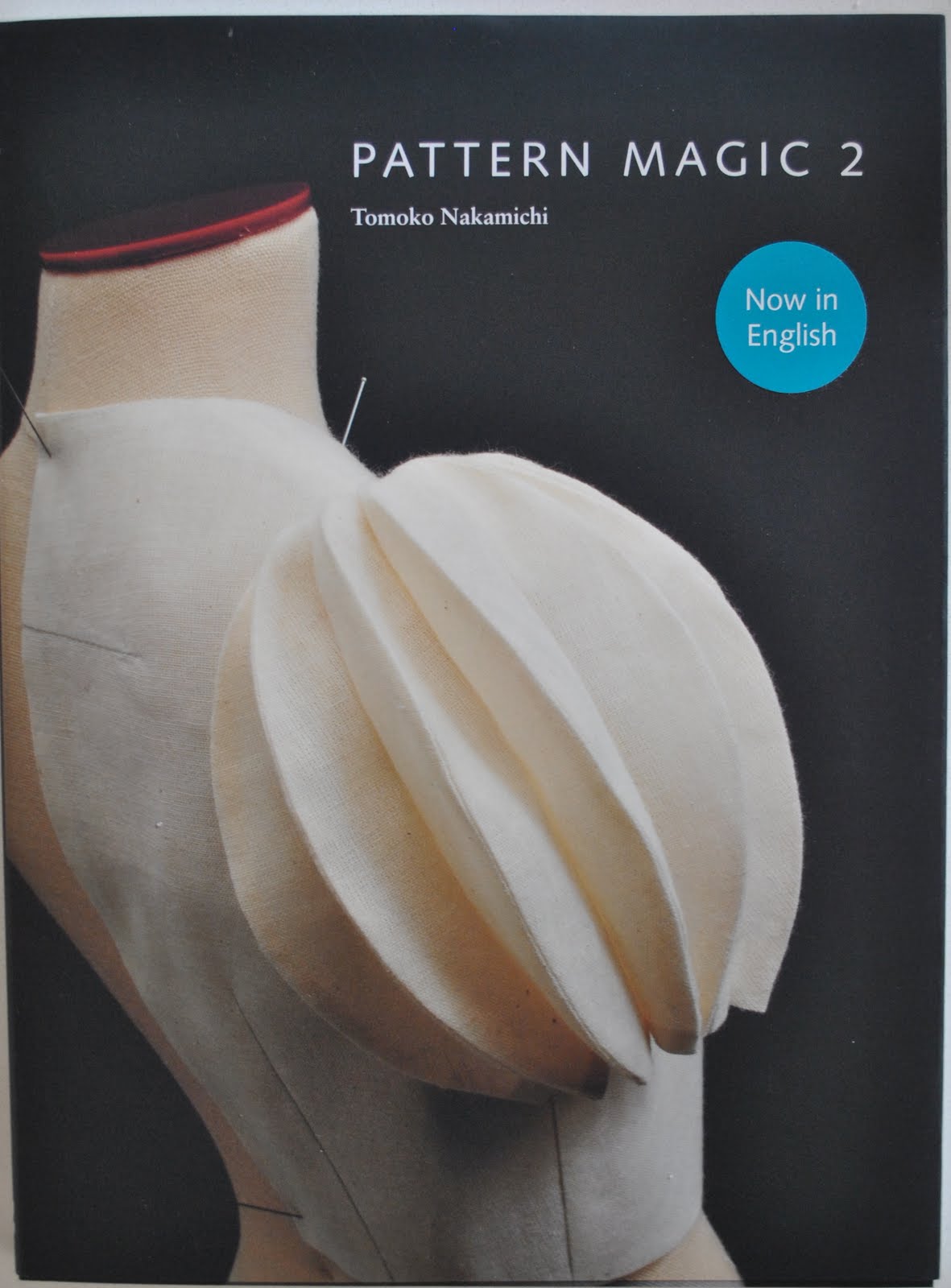
Very soon, I received this in the mail.
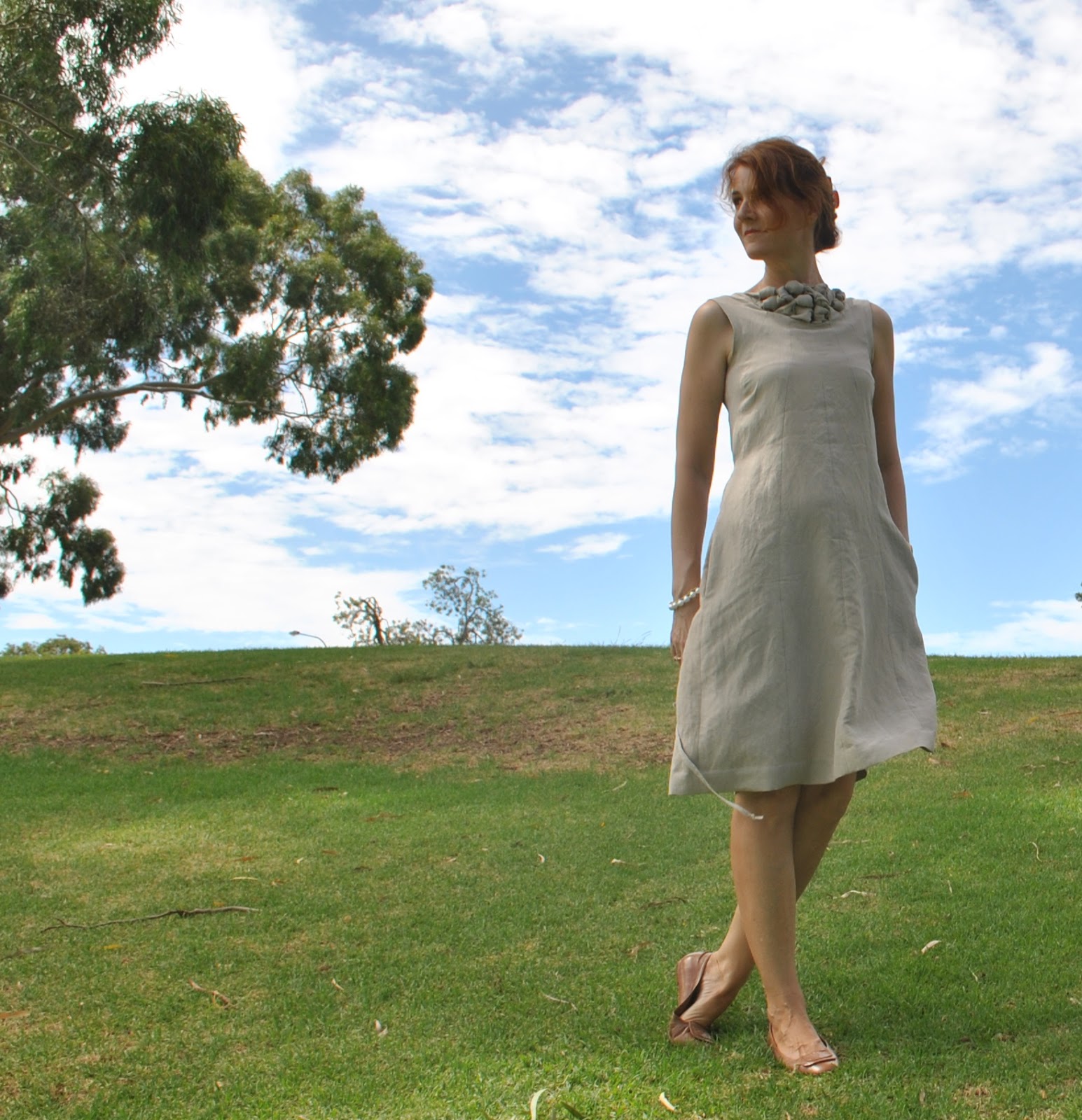
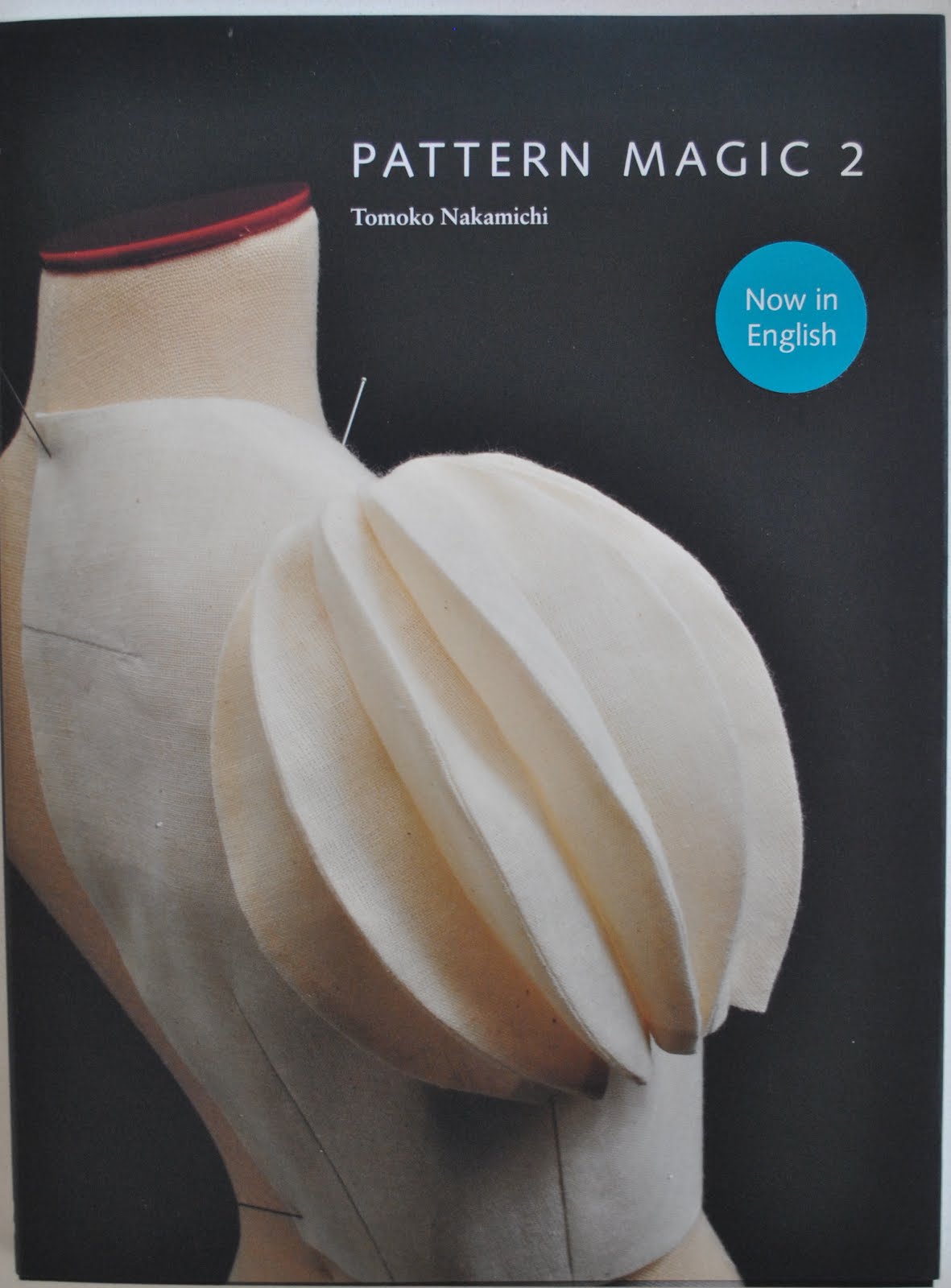
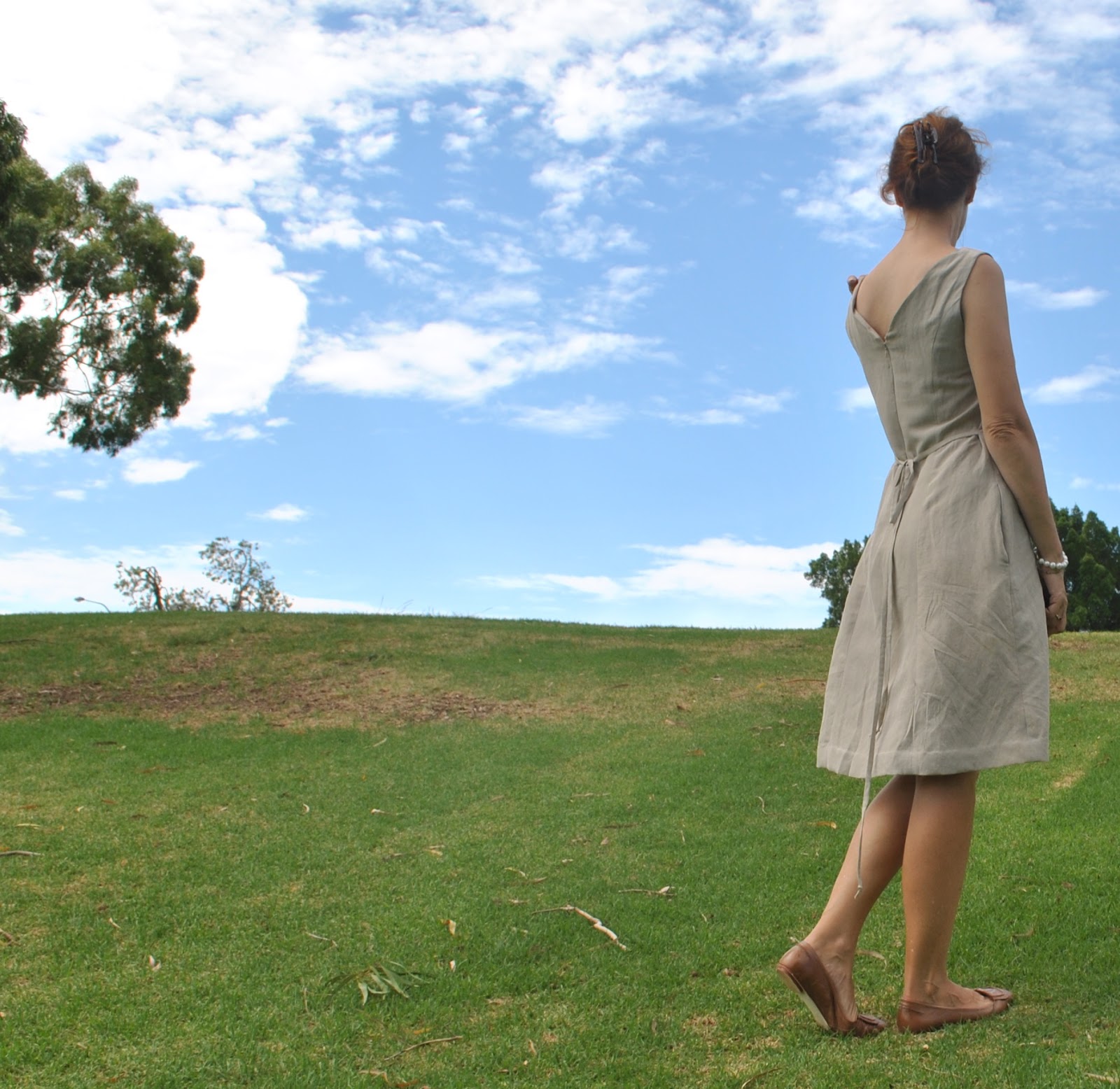
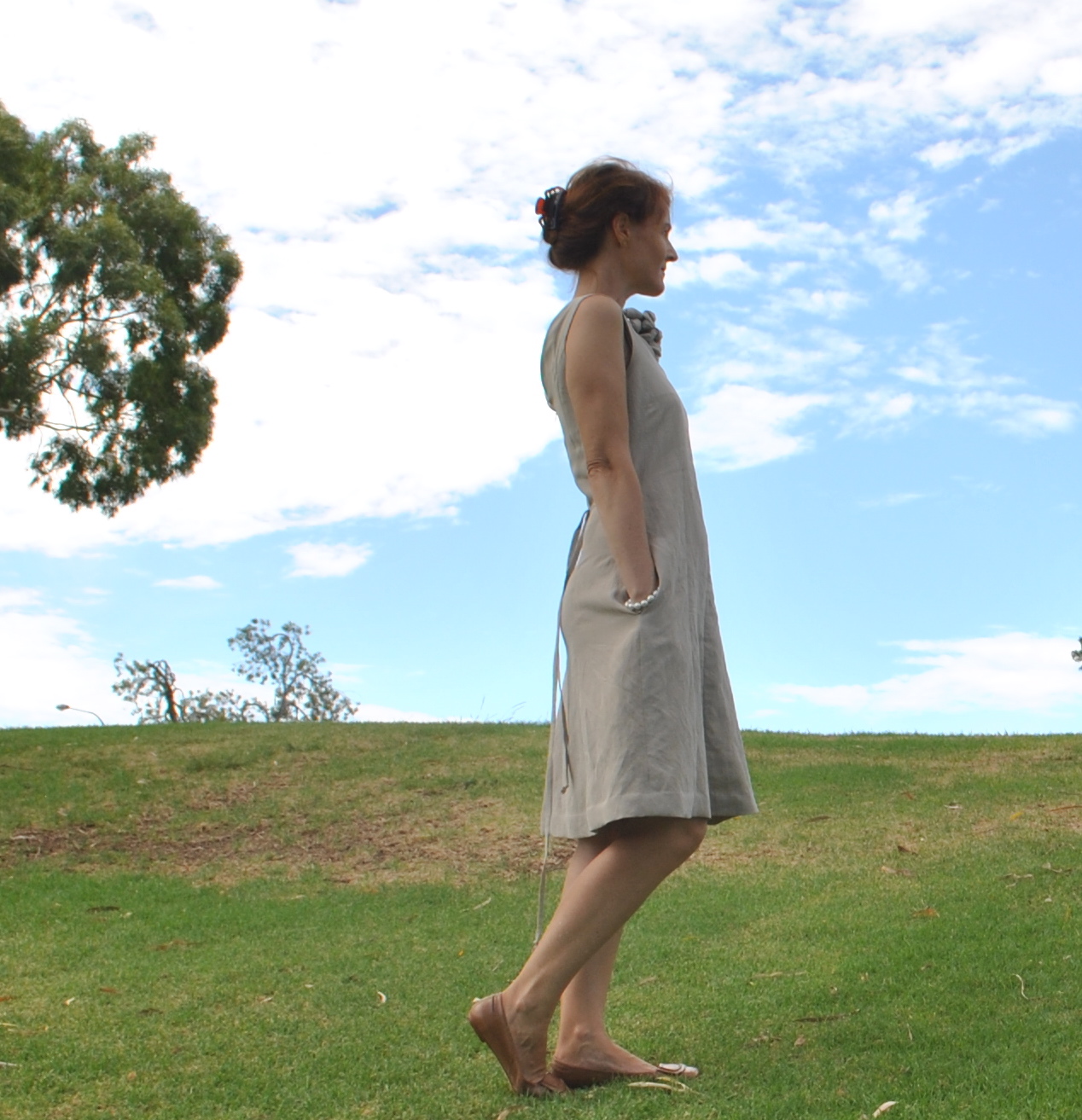
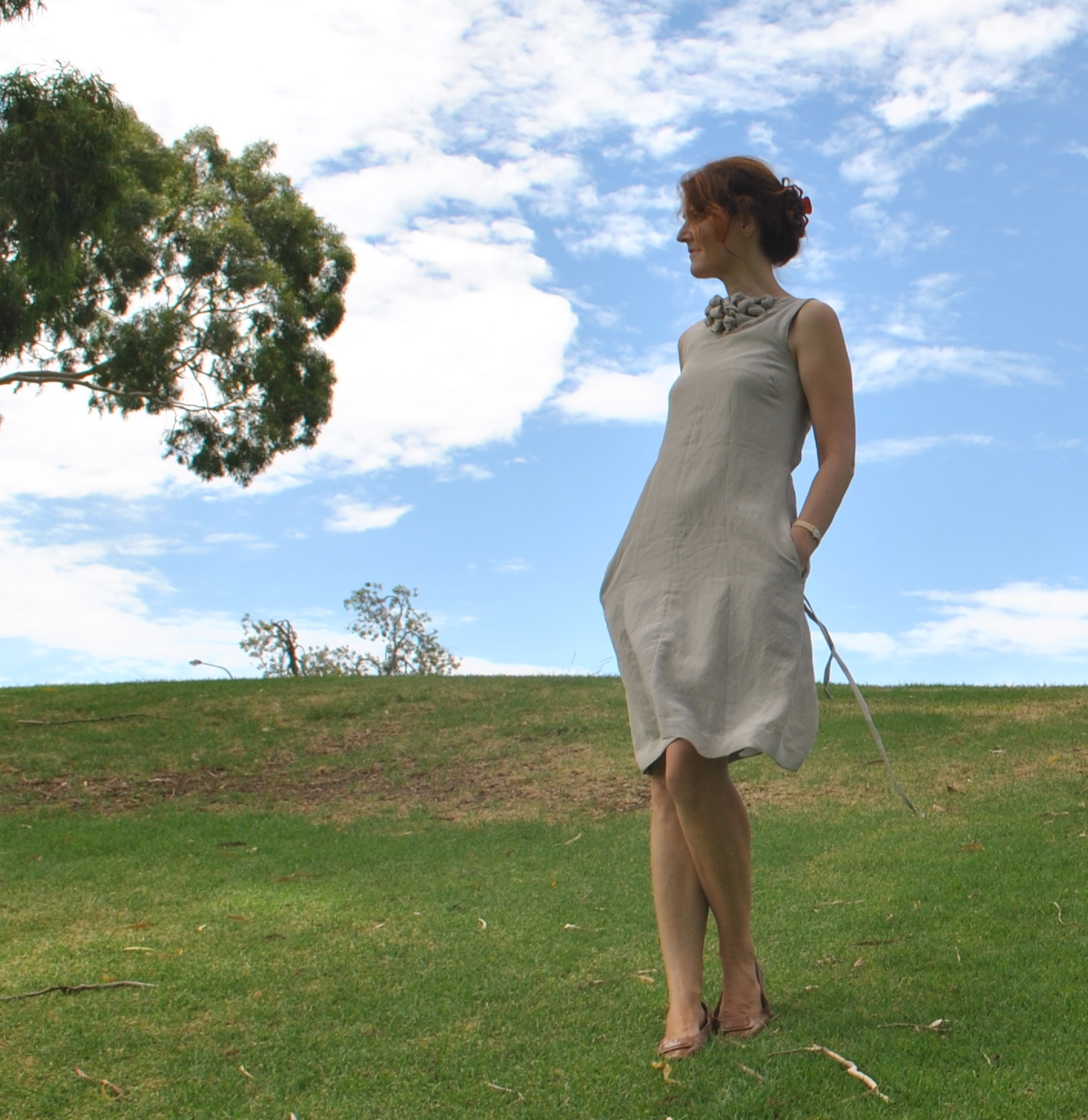
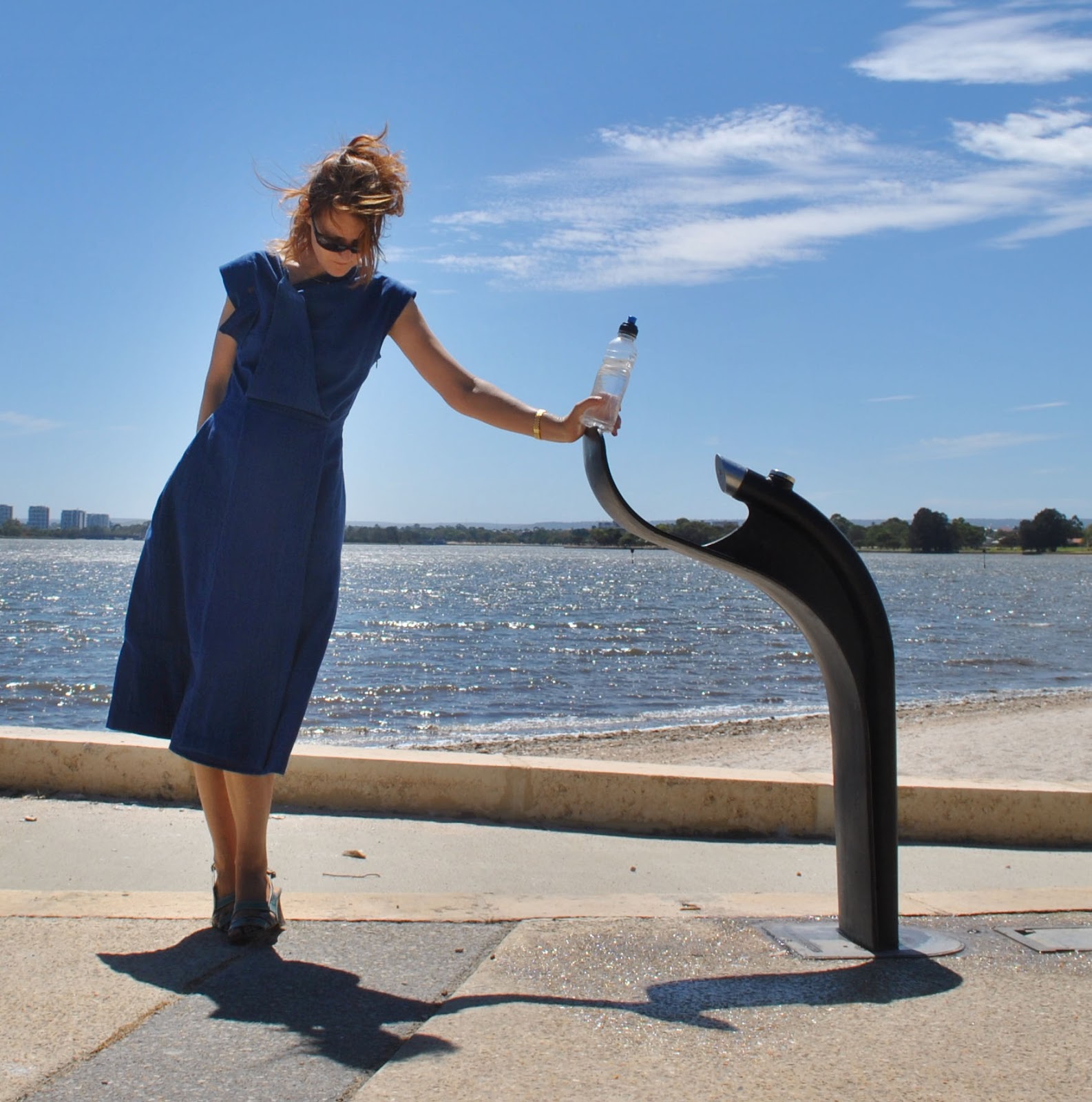
I’ve made a dress, utilising the design on p52 of Pattern Magic, by Tomoko Nakamichi.
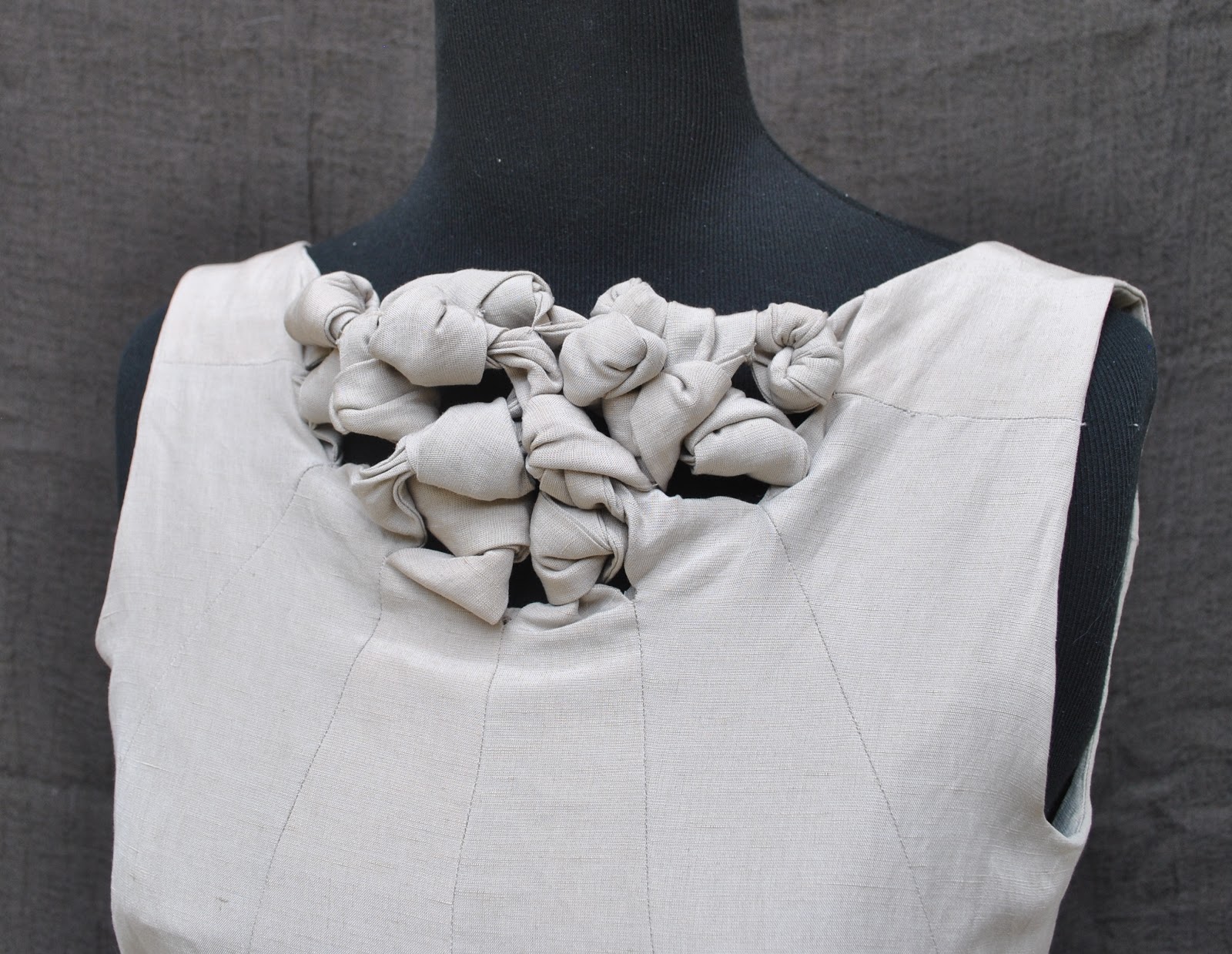
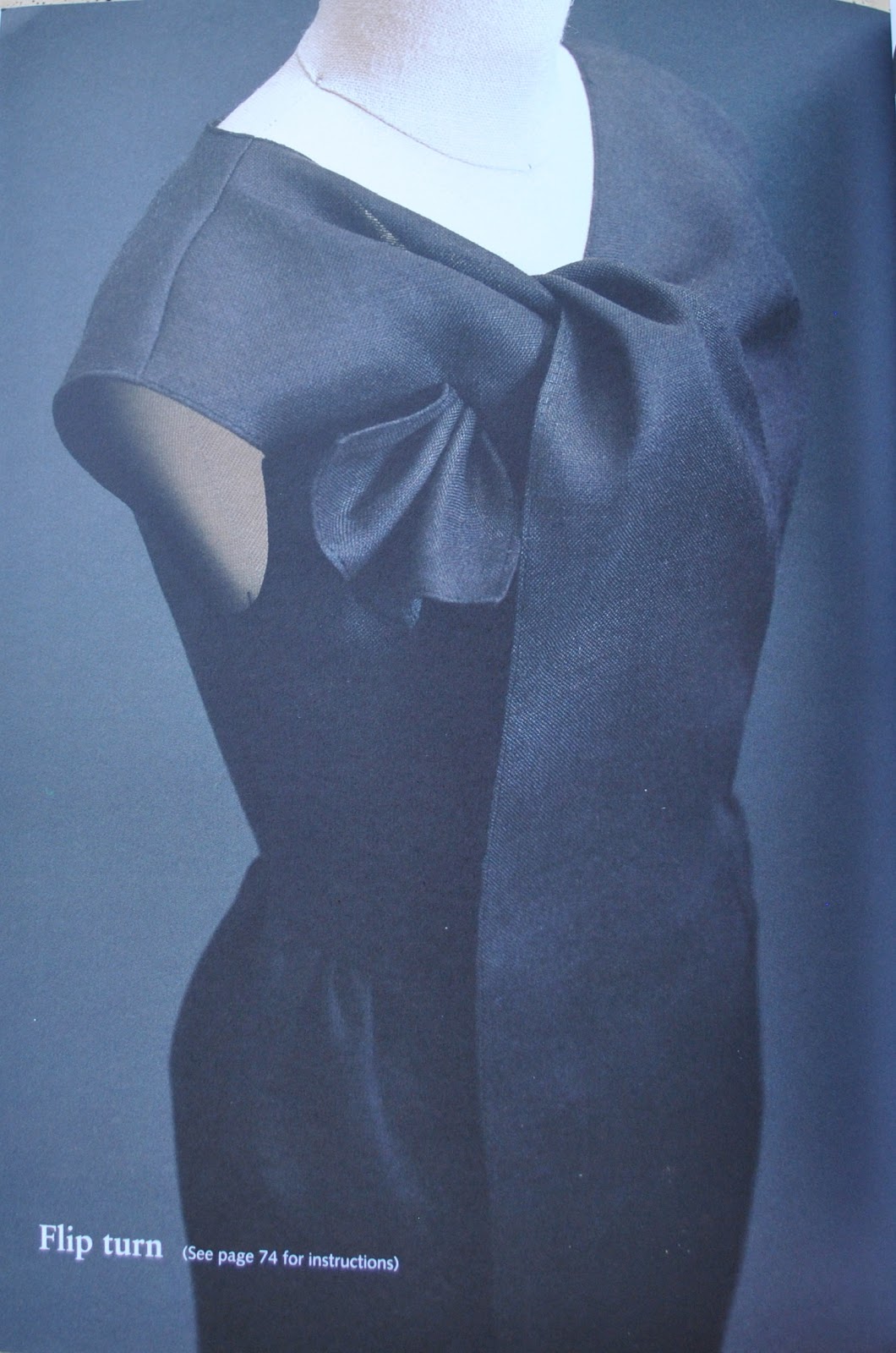
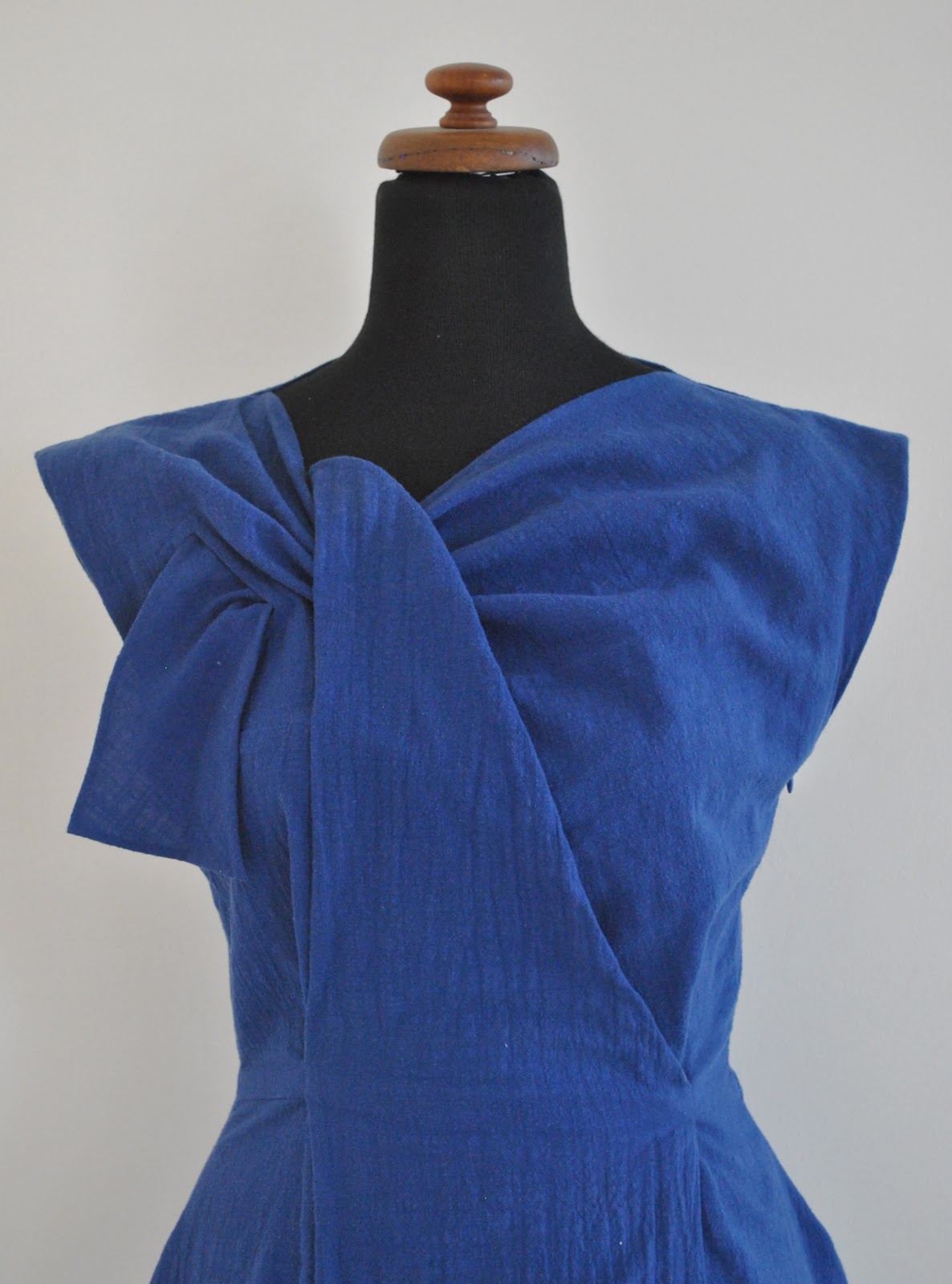
This appears to be a fairly plain dress on a casual glance. But it is not. It has a “feature”: a feature that like many Pattern Magic features, seems to the casual, non-sewing observer to be a superficially simple thing, like “so? what could possibly be difficult about that??” but in actuality, getting to the nitty gritty of it, is a fair dinkum epic saga to put together seamlessly and successfully. In this case, the feature is that the bodice explodes out into an incorporated posy of entwined knots that looks sorta like a statement neckpiece, or maybe a 3D sculptural bib. Prof Nakamichi describes it as “By bringing together several knots that resemble tiny bells I have created a unique garment that evokes the sounds of bells ringing”
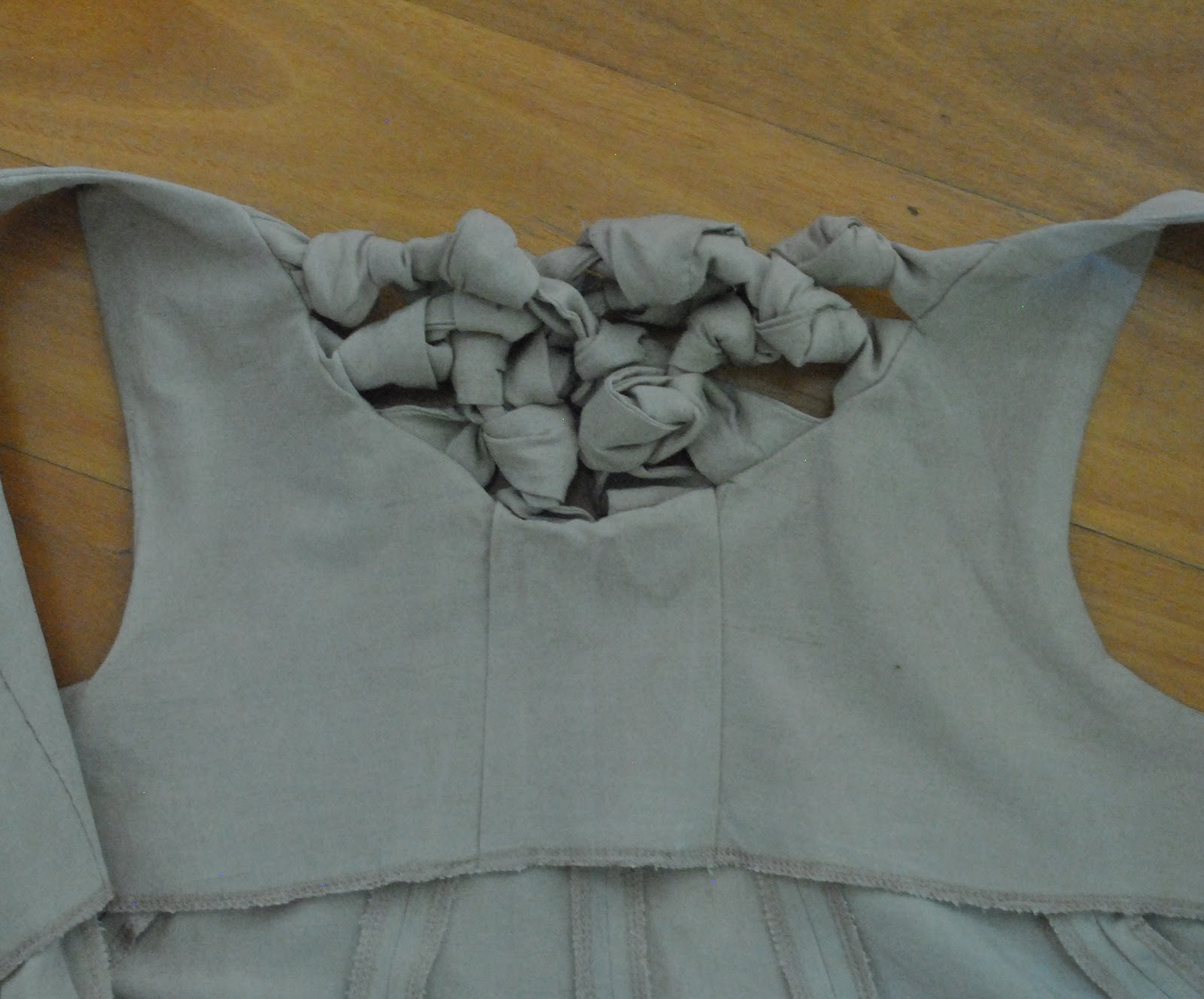
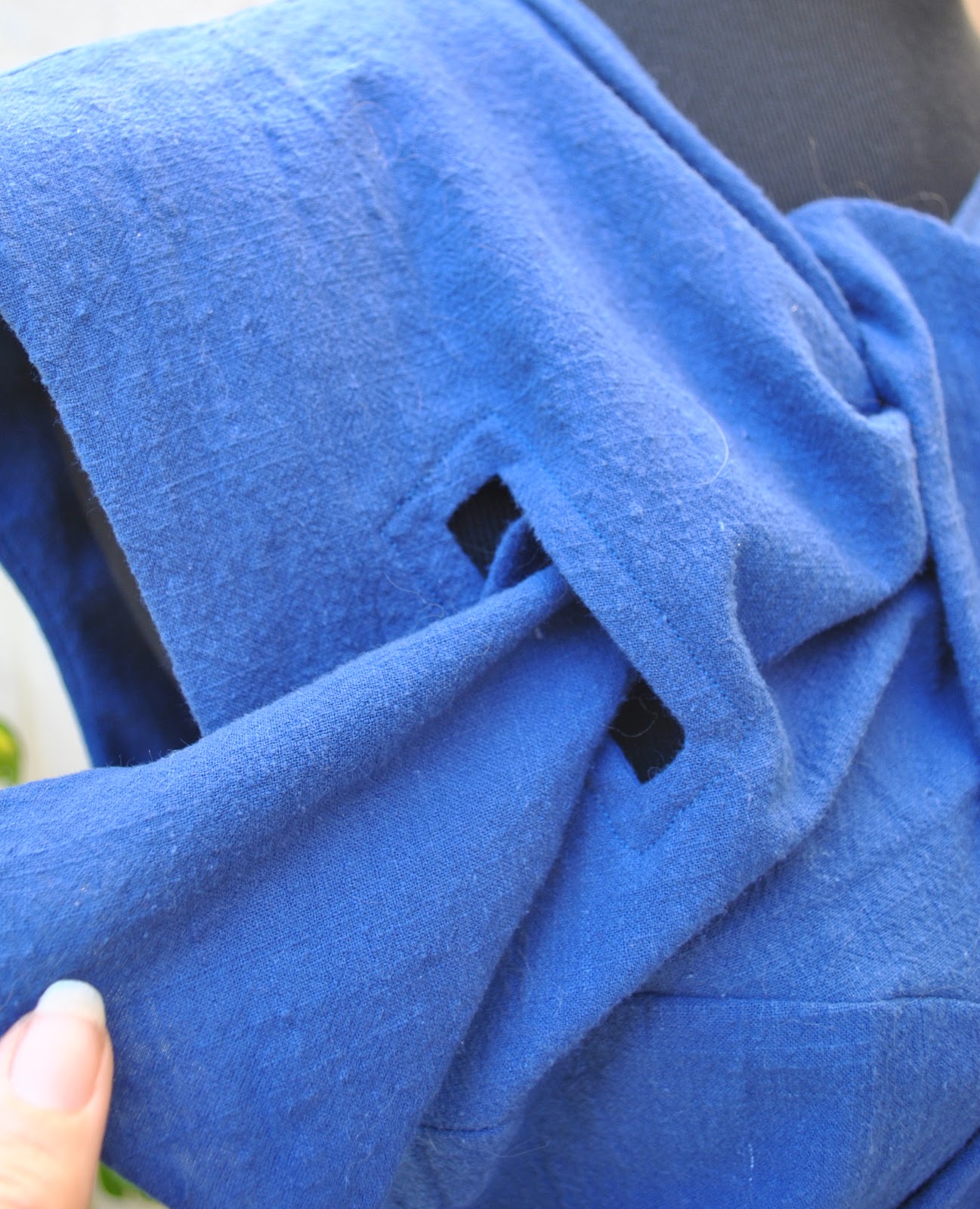
This is achieved by the front being six pieces… four of these end in a long strip; which is later tied into knots which you weave together as artistically as you can. Counting from a shoulder; sections 1 and 6; and sections 3 and 8; are each one piece; comprising two sections joined by a bridge, so these joining bridges have to be knotted before you can sew the top sections to the rest of the front.
I made my dress using a light stone coloured, linen/silk mix, bought from Fabulous Fabrics about four years ago. Yes! a long time ago! This was another length of fabric previously Too Good To Actually Use.
Due to the nature of the design; some of the strips are cut on the bias and some on the half bias. To save fabric and add stability I cut all the facing strips on the grain. I faced and turned out each strip separately, and then later sewed on the bodice facings. When it came to facing that front neckline, I sewed each section at a time and checked each obsessively for a smooth finish before proceeding to the next one; shoulders first and finishing at the centre front.
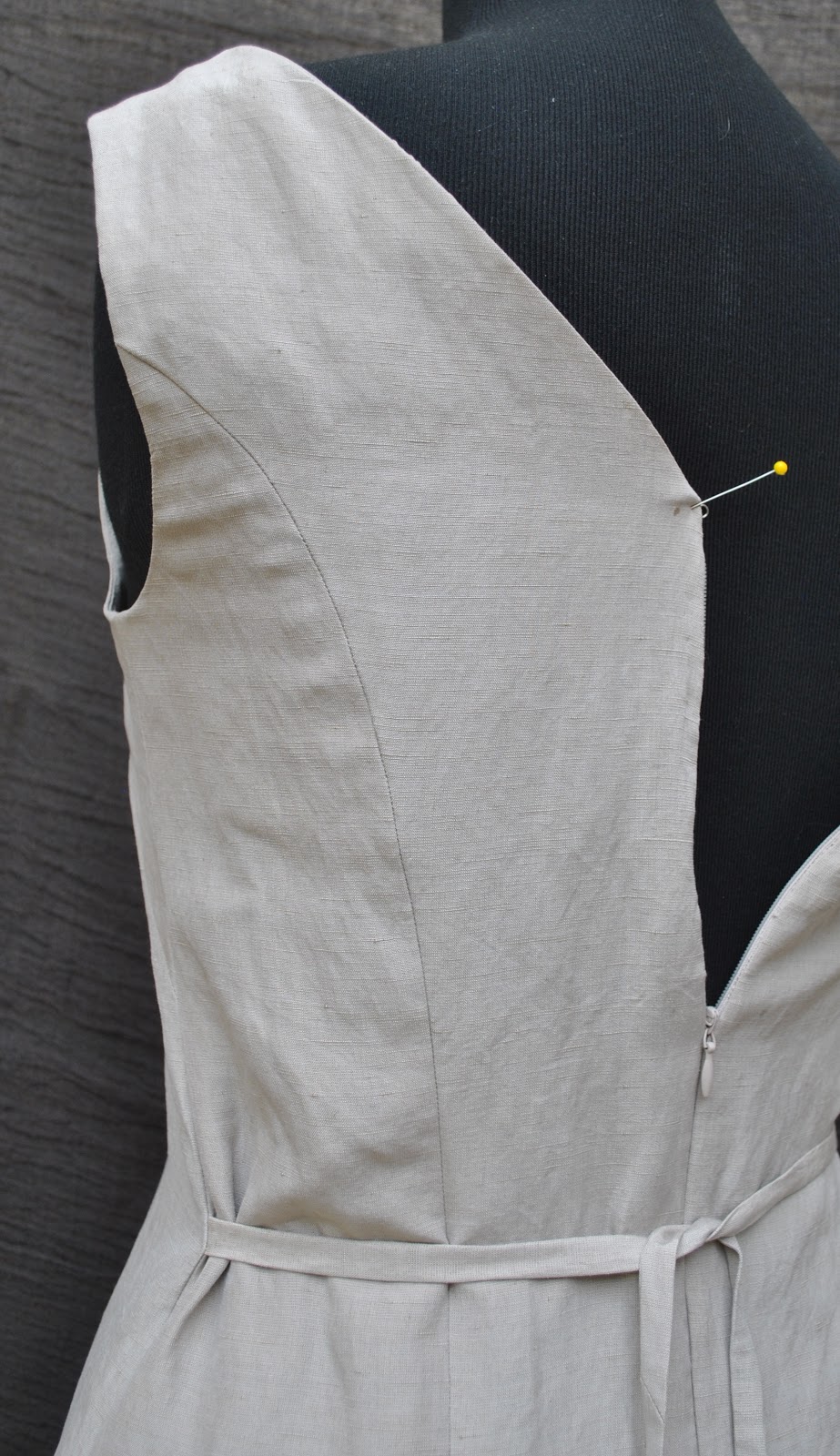
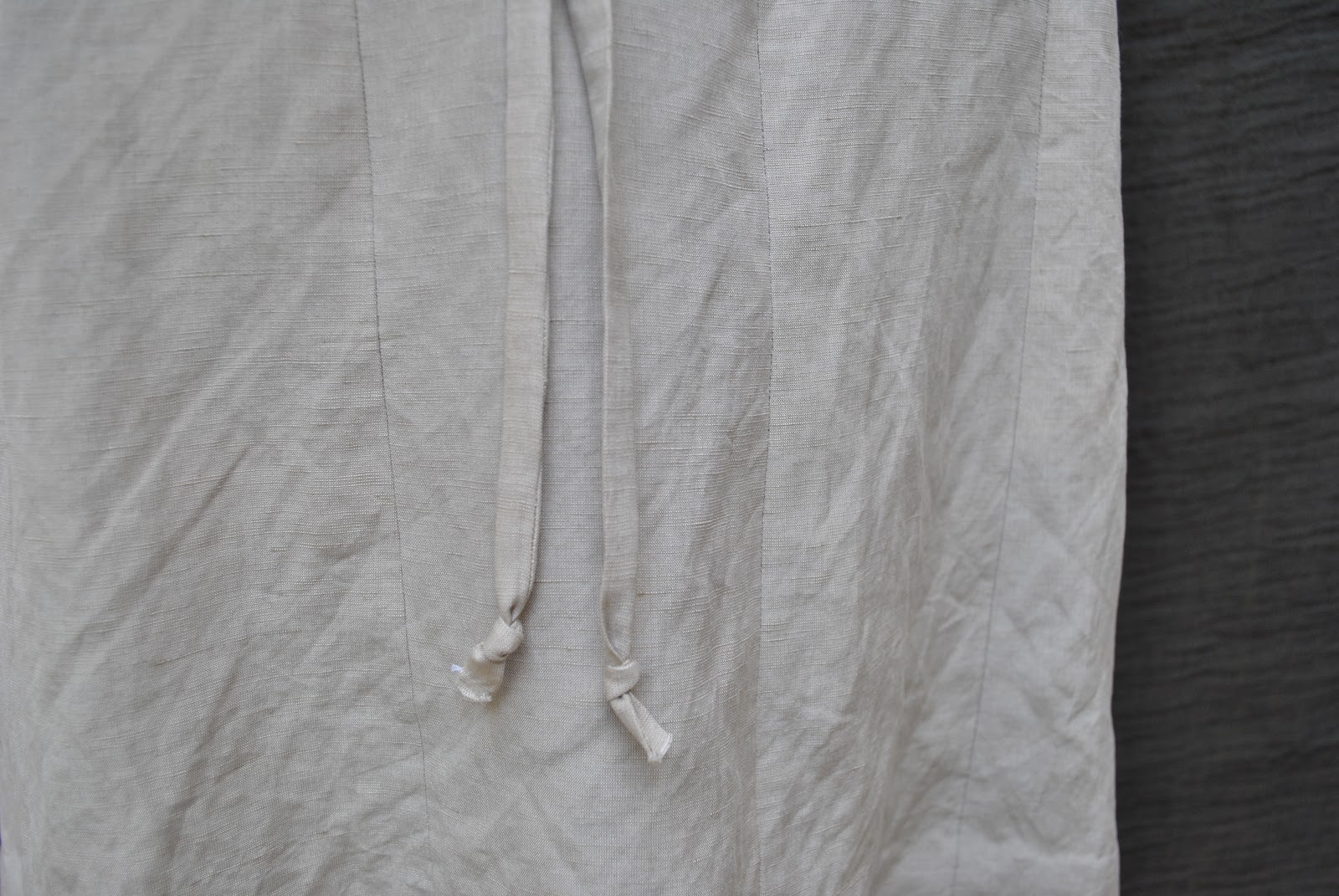
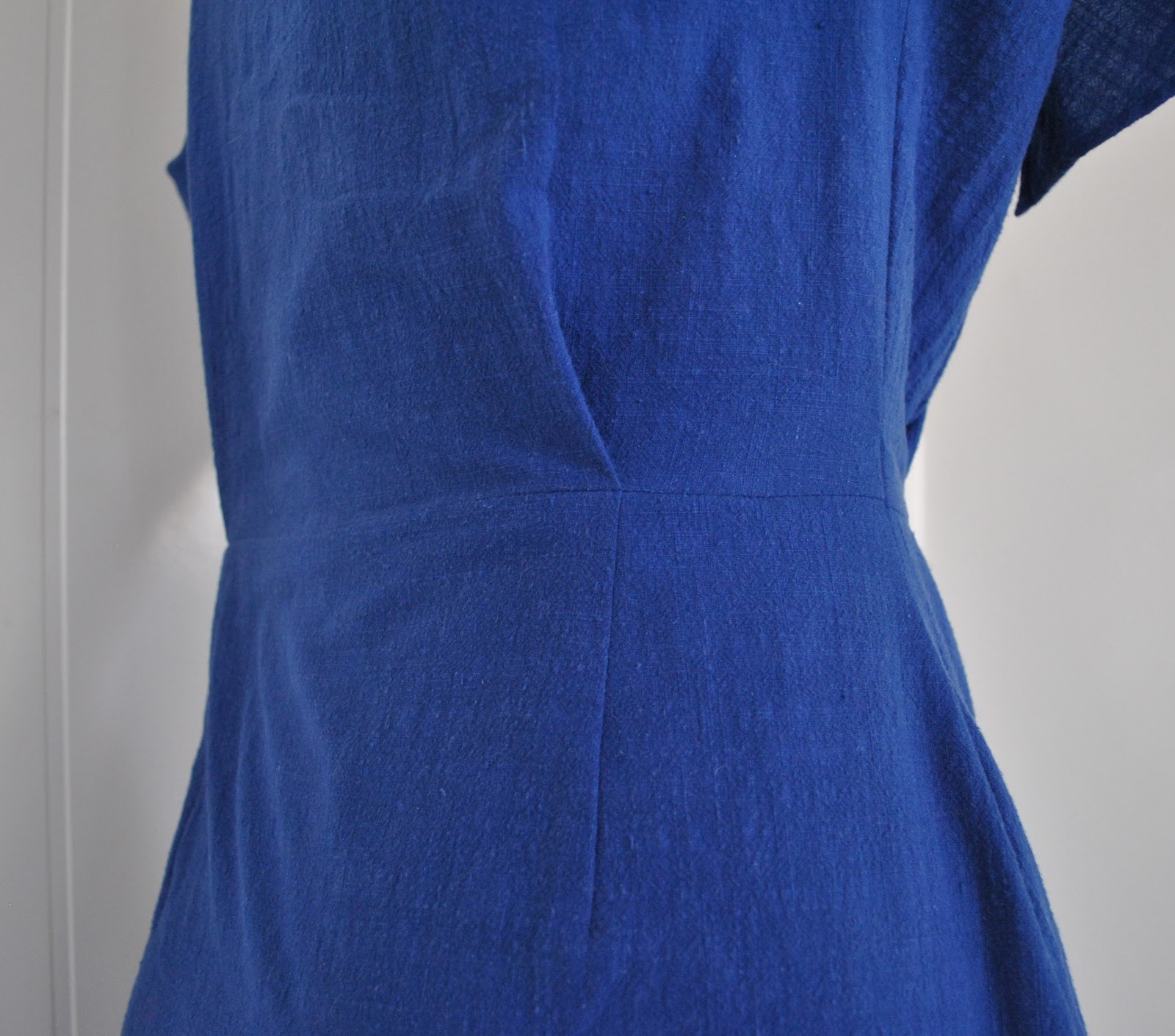
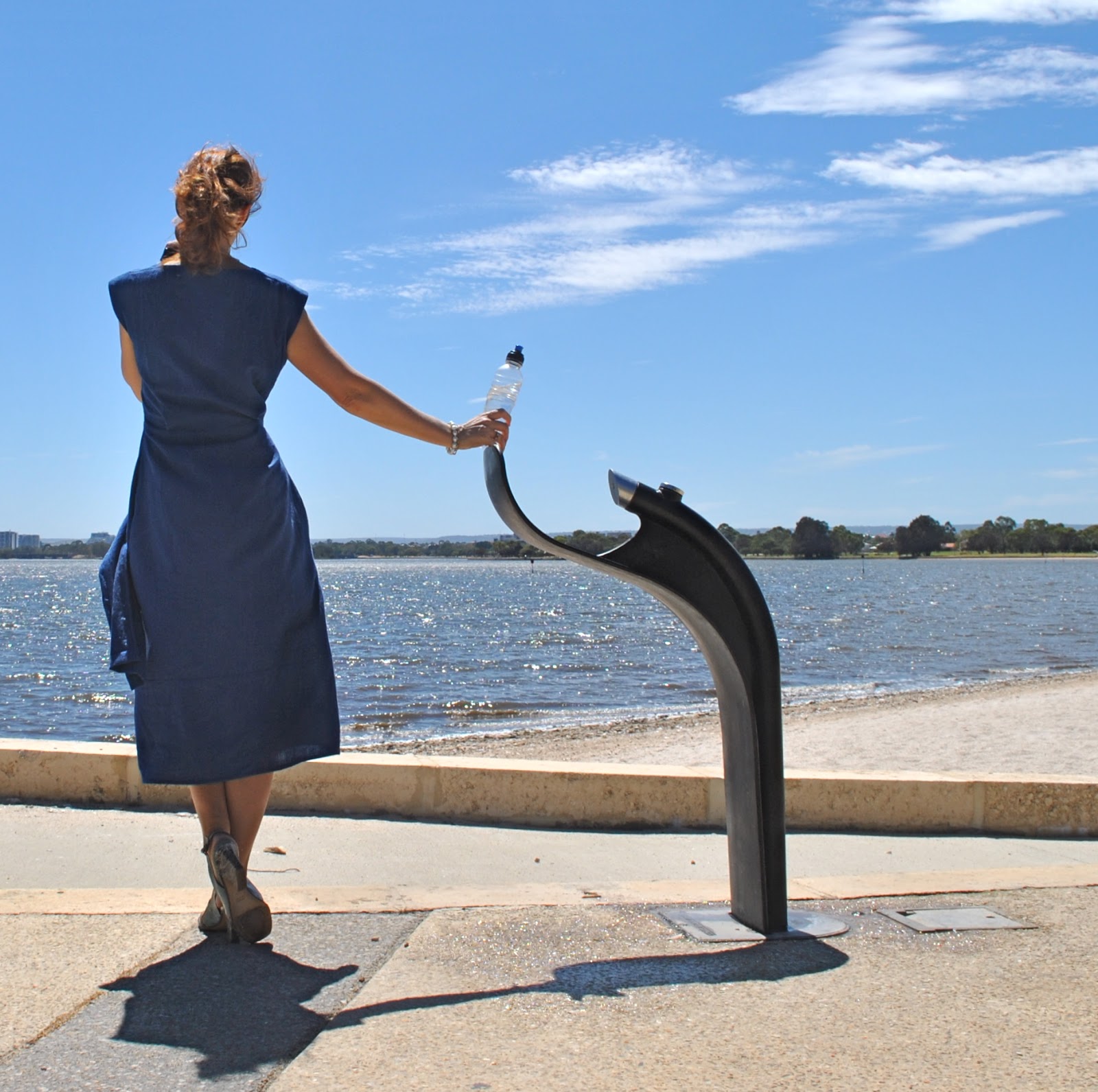
The back is four pieces; interestingly in a princess seamed arrangement. The dress closure is by invisible zip in the centre back seam, and the back neckline is a modest V-line. I added deep, inseam side pockets, and attached a self skinny belt in the side seams to tie at the back. This adds a bit of shape to it, and provides some visual interest at the back, which is otherwise rather plain. The ends of the belt are tied in little knots, a tiny design echo of those knots at the neckline at the front.
This is probably one of the top ten most difficult makes I’ve ever attempted. Vogue Advanced/Plus Difficile?? pfff, Pattern Magic farts in your general direction!*
However I am, in inverse proportion to the degree of difficulty involved; stupidly pleased with it. I think maybe I am a sewing room masochist, deriving a perverse enjoyment from the torture of difficult dressmaking challenges. What a weirdo, huh? But I’m thinking of something easy next.
* Monty Python of course!
Details:
Dress; adapted from the design on p53 of Pattern Magic 2 by Tomoko Nakamichi, light brown silk/linen
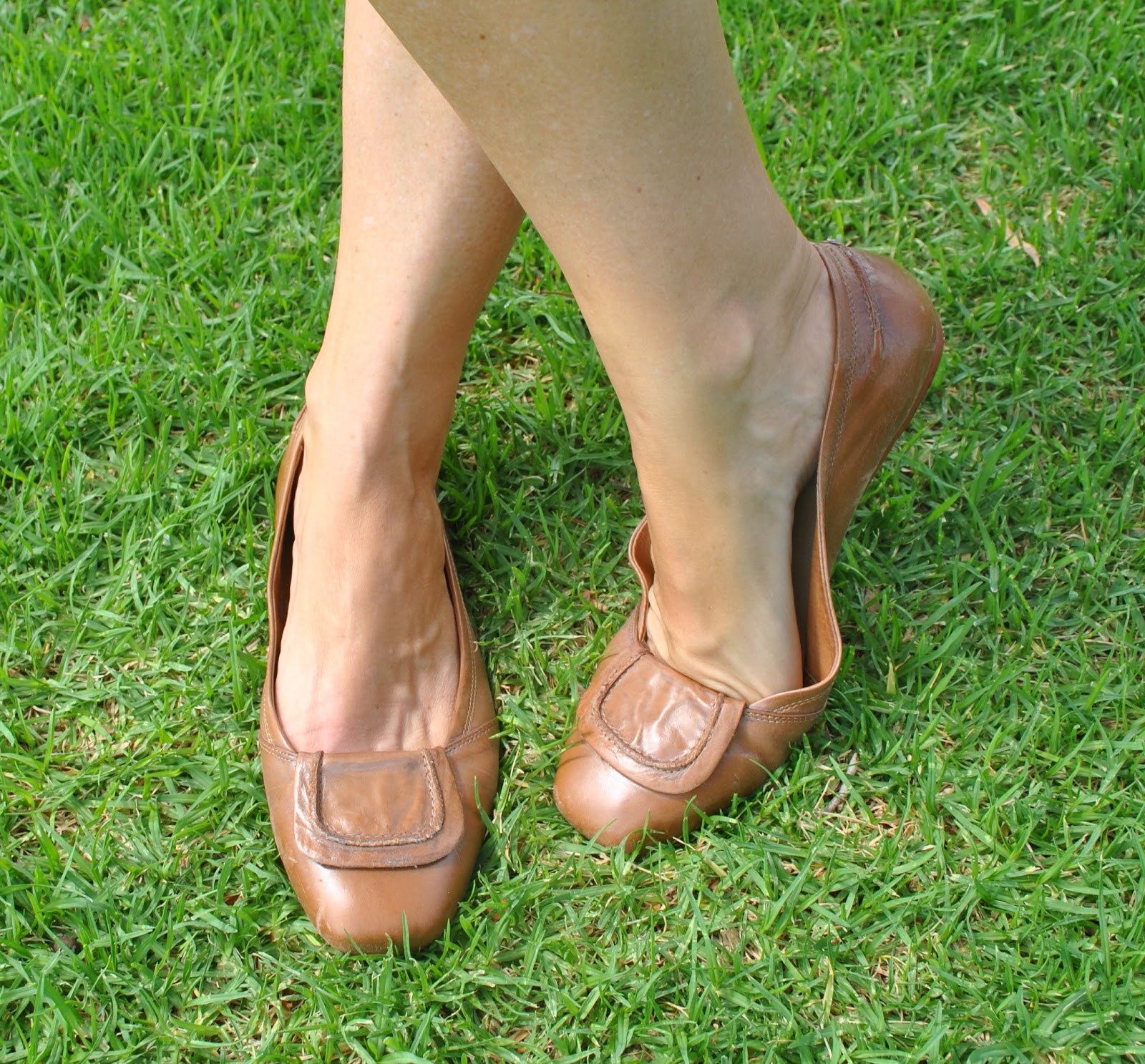
Shoes; new! for autumn!! c/o Misano
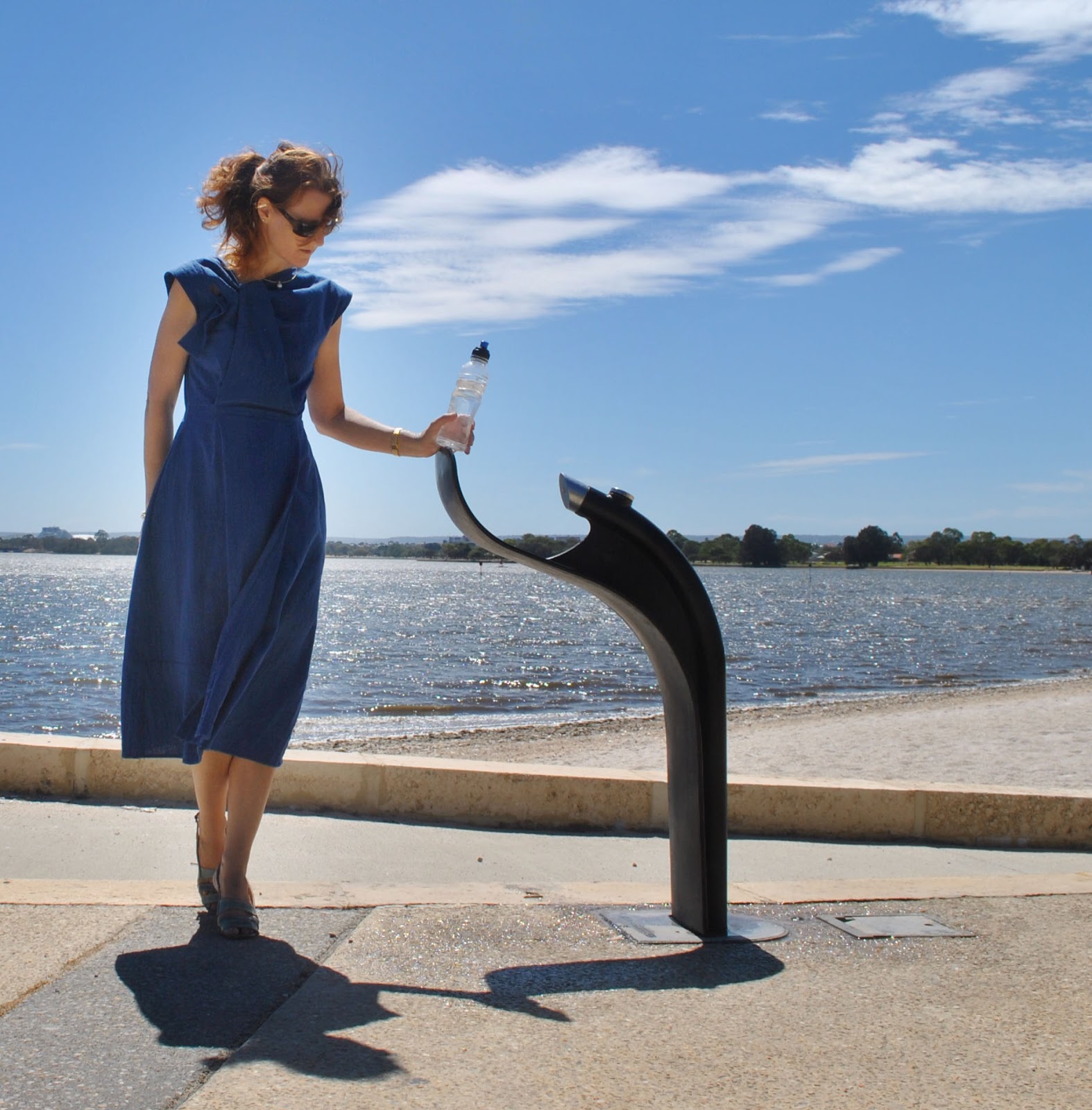
… the water bearer!
So this dress incorporates the design from page 56 of Pattern Magic 2, by
Tomoko Nakamichi. It is described as “a flip turn draped design tie appears from the
slit in the front bodice for a complex and beautiful effect.”
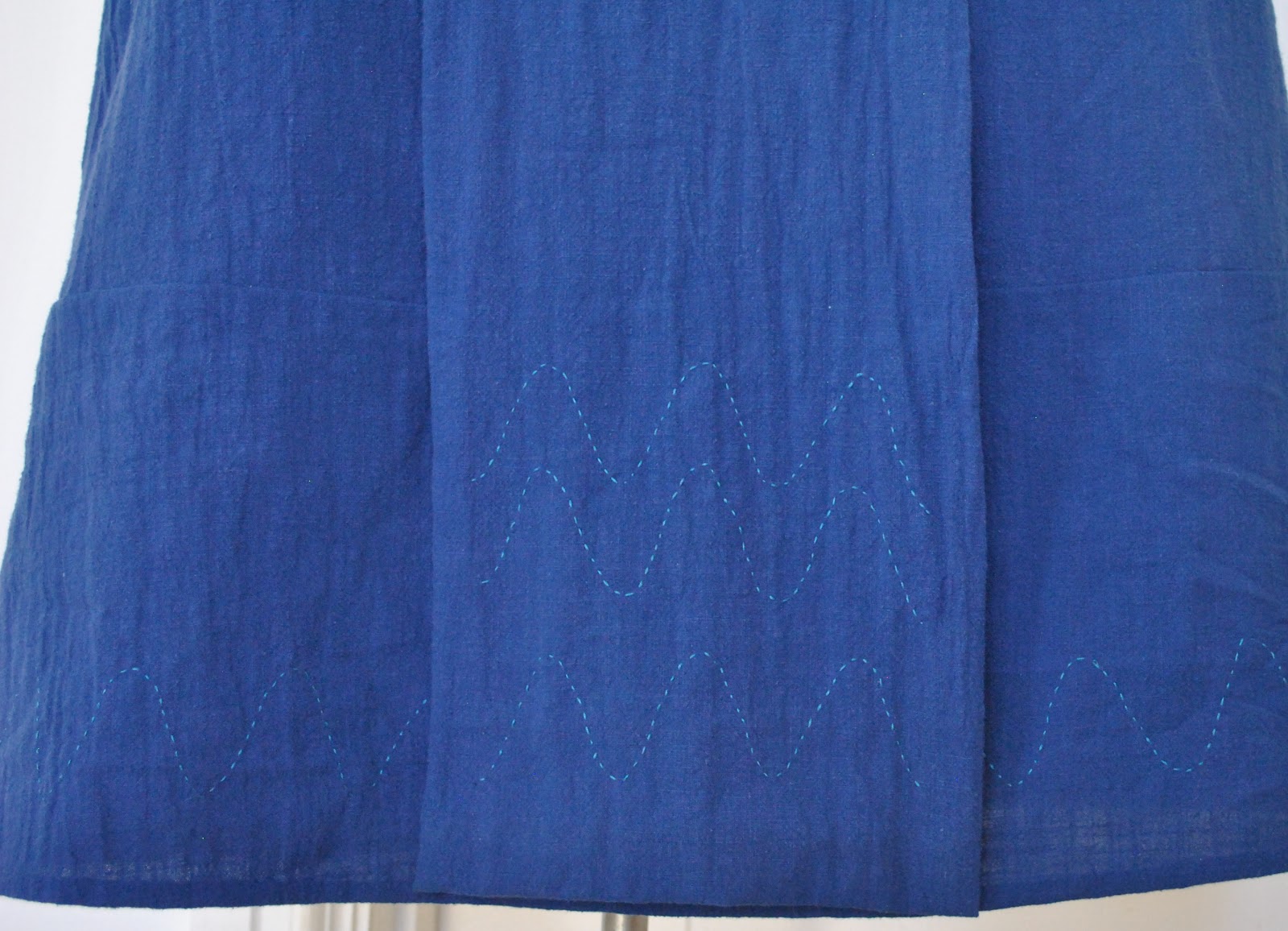
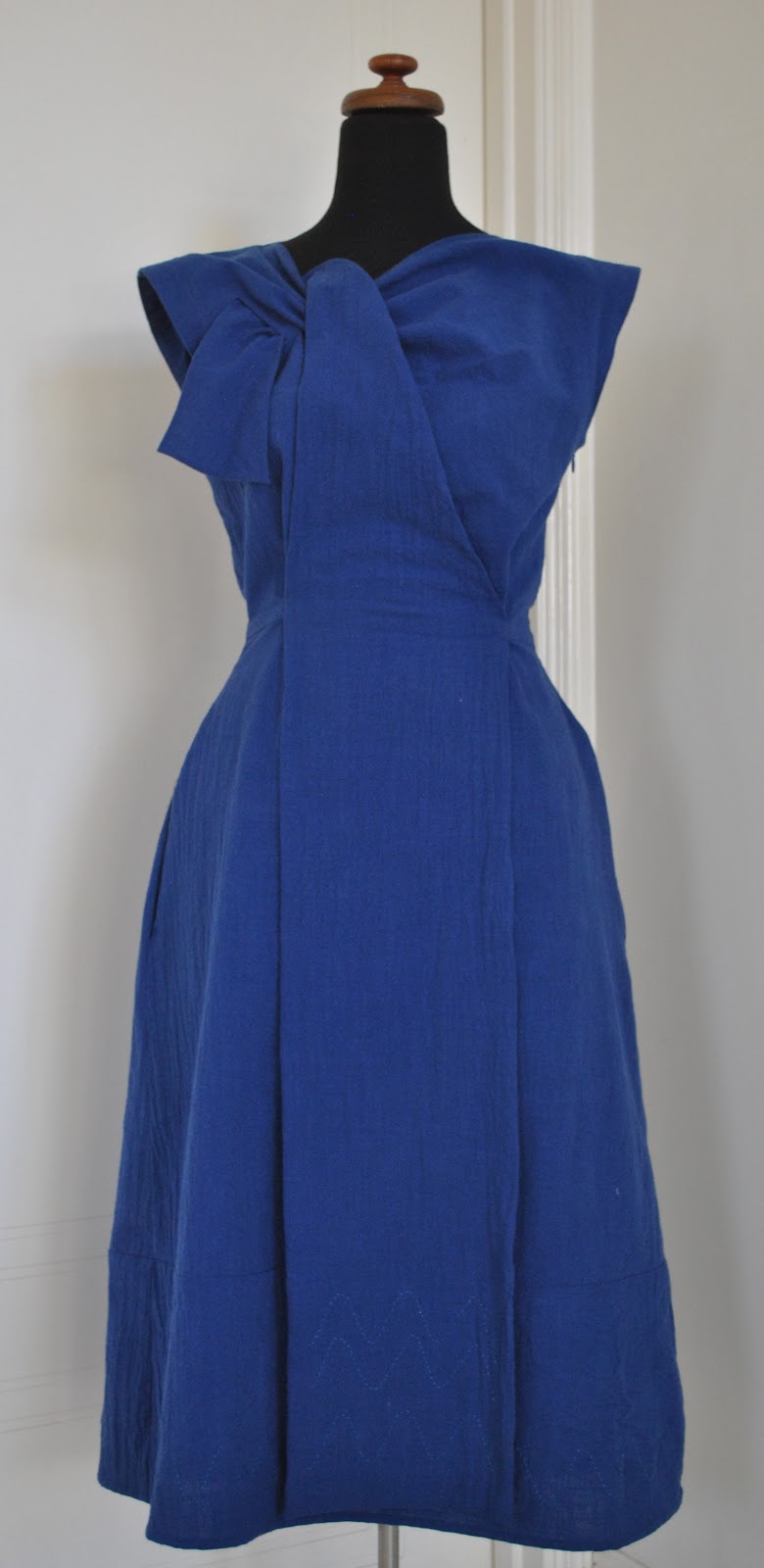
When I was playing with ideas for the Aquarius theme I had in my head; I imagined that front panel as a swimmer shooting out of the watery waves that are embroidered around the hem of the dress, up the front of the dress, and diving back into the water at the neckline. Yeah, I do occasionally have an overactive imagination…. 🙂
Details:
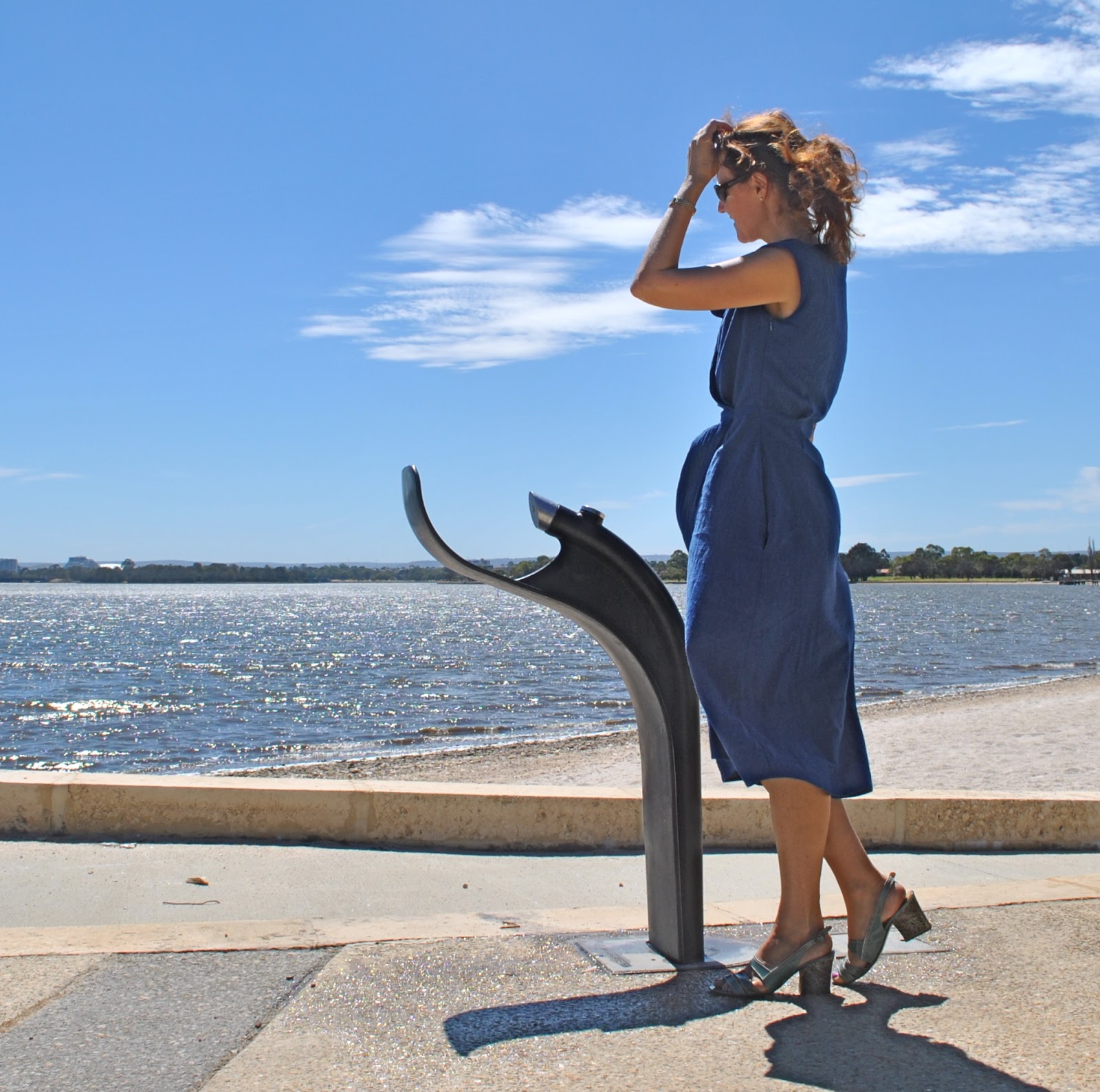
Dress; partly self-drafted, based on the flip turn design from page 56 of Pattern Magic 2, by Tomoko Nakamichi, blue cotton
Sandals; la soffitada Gilde, from Zomp shoes
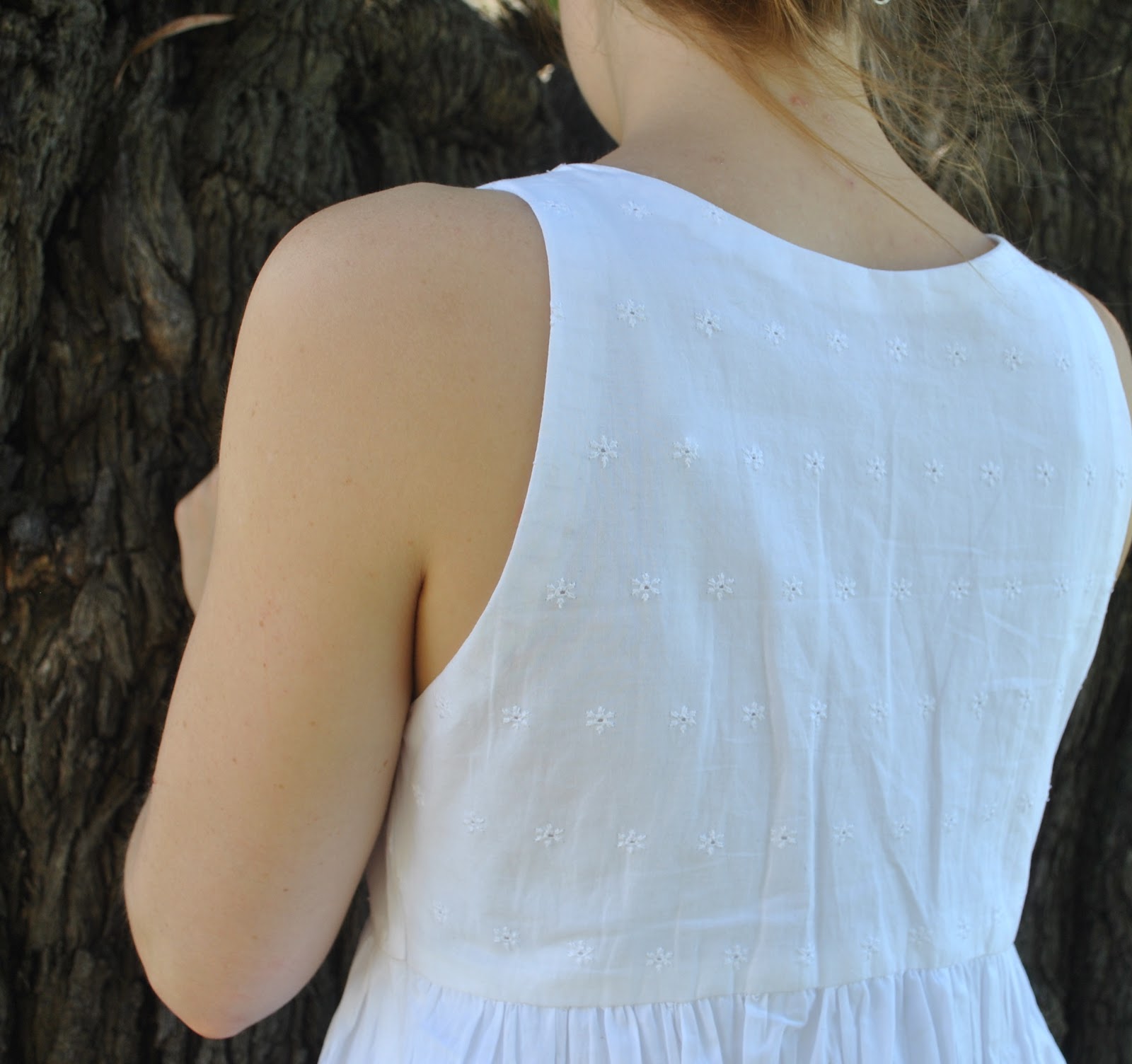
It is photographed here on Bessie who is bigger than I am, so it does blouse out more blousily on me. The back of the dress is quite plain…
The dress is put on and taken off with a long invisible zip in the left side seam, and that long front panel is invisibly stitched down to the dress at the waistline.
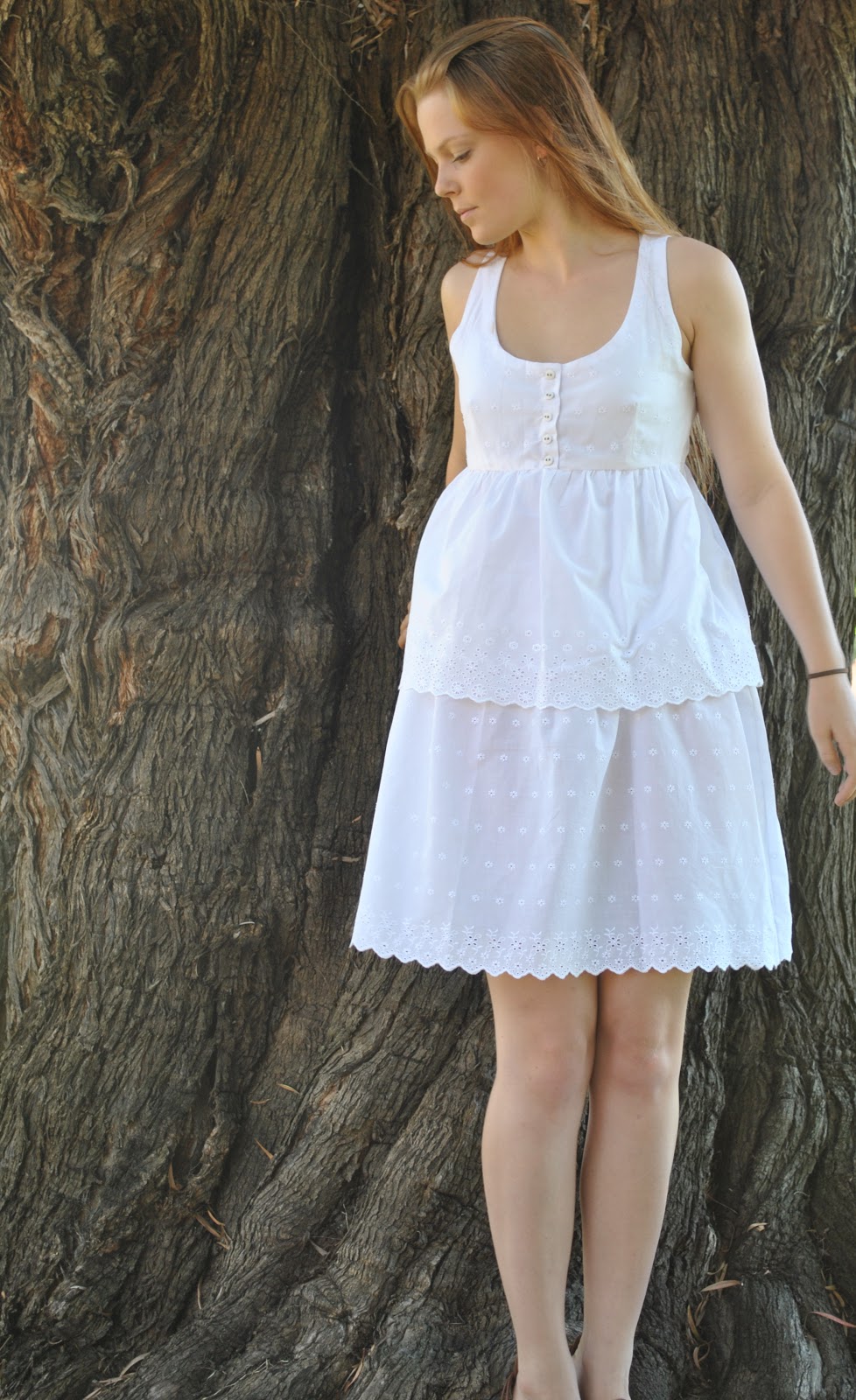
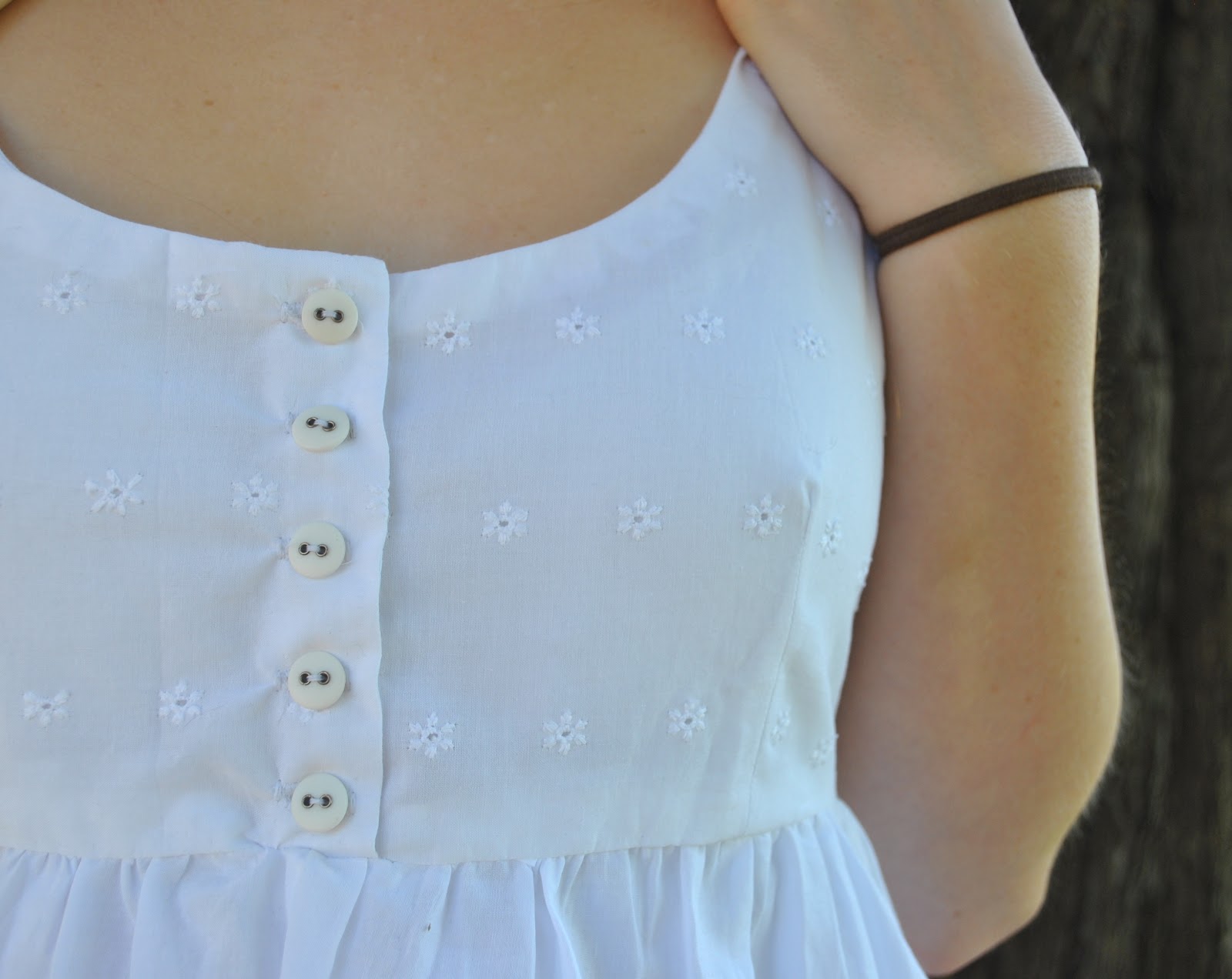
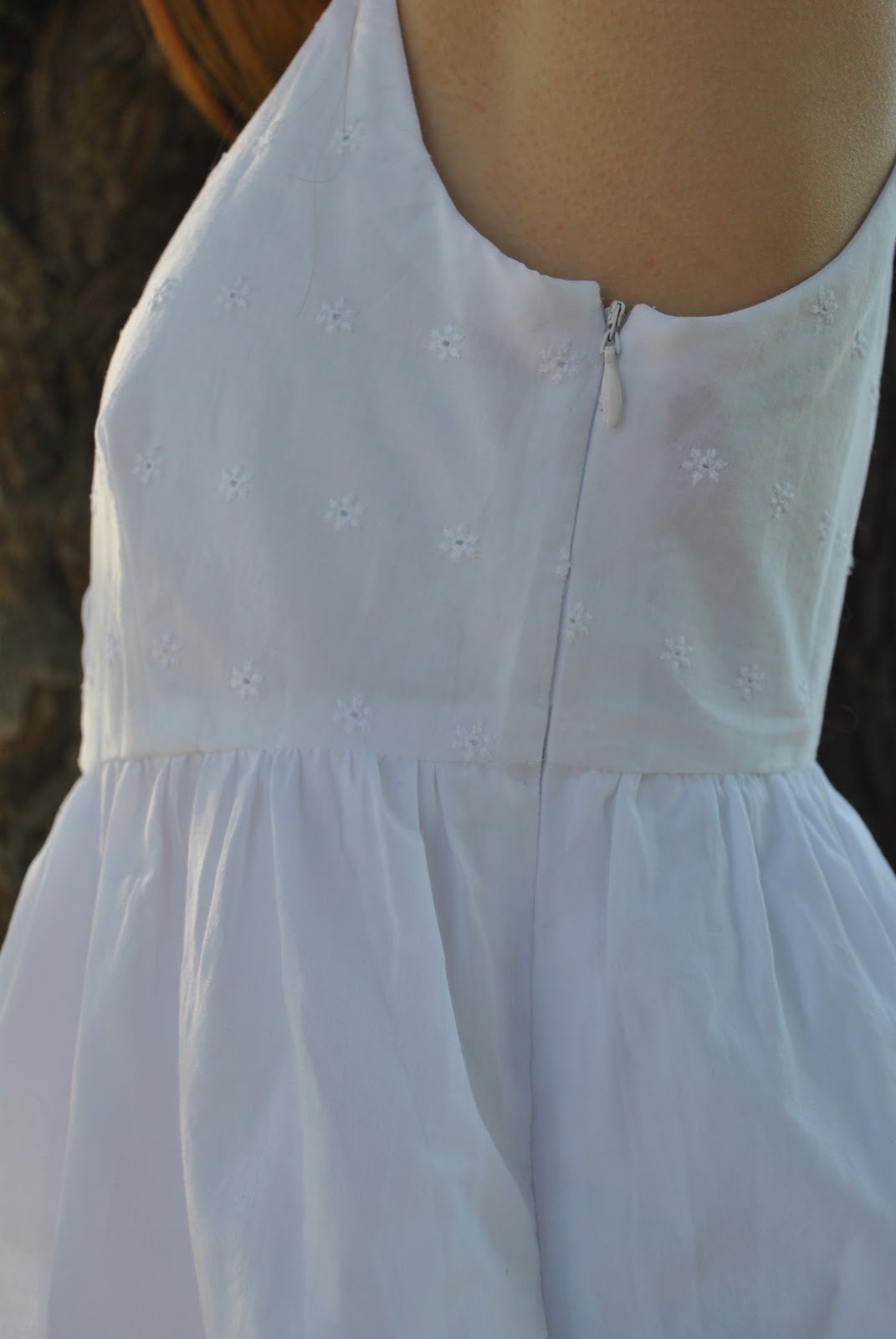
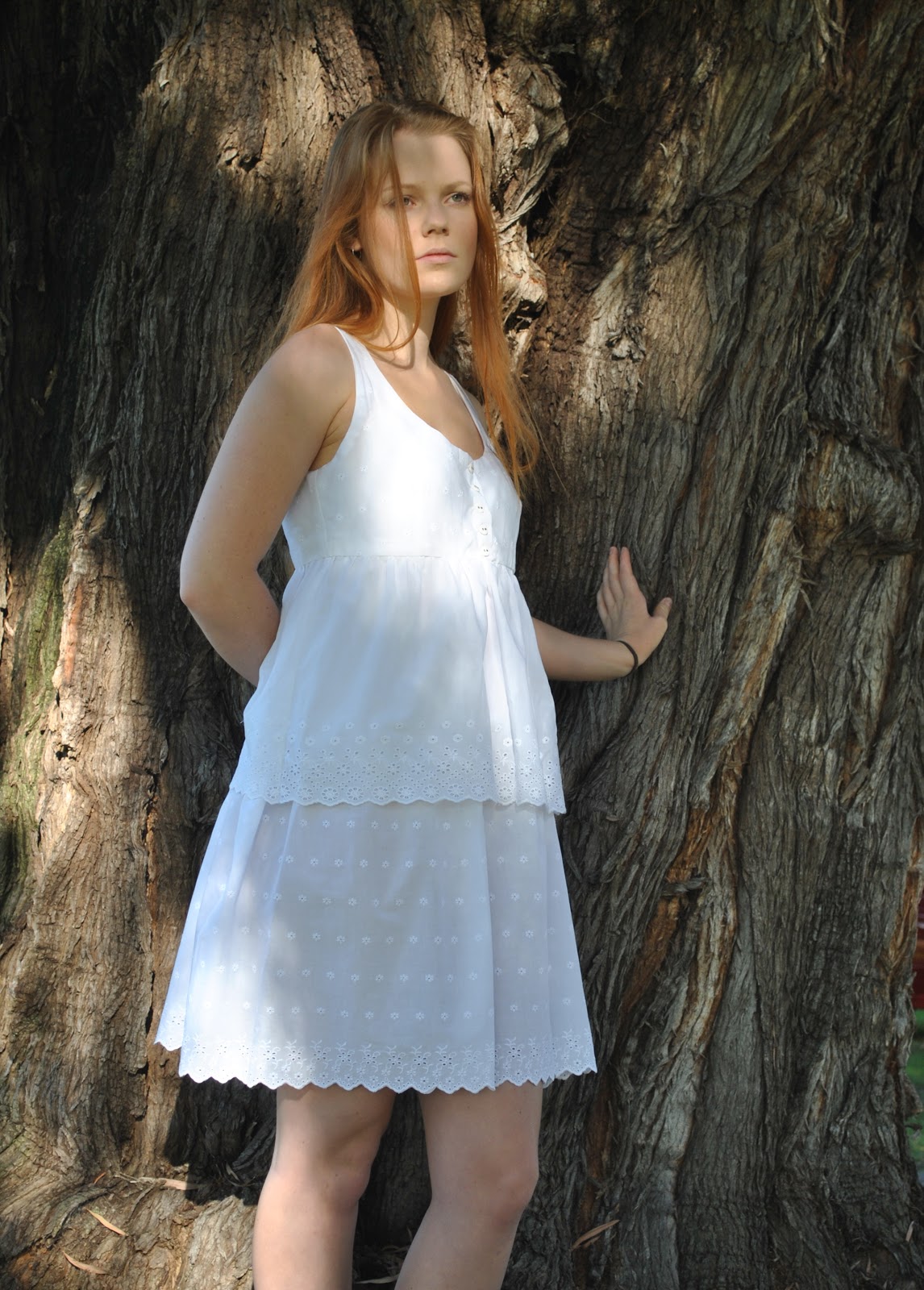
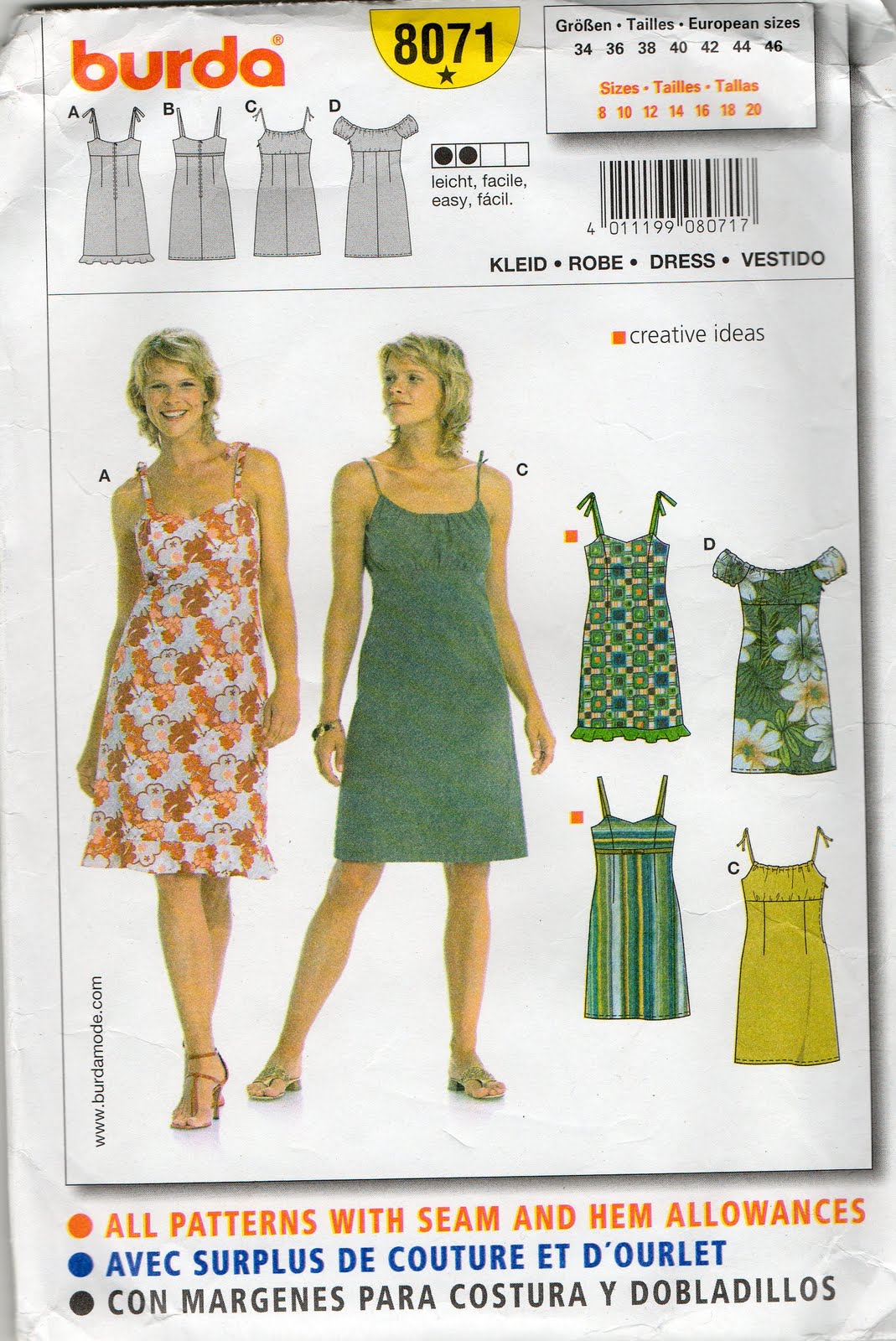
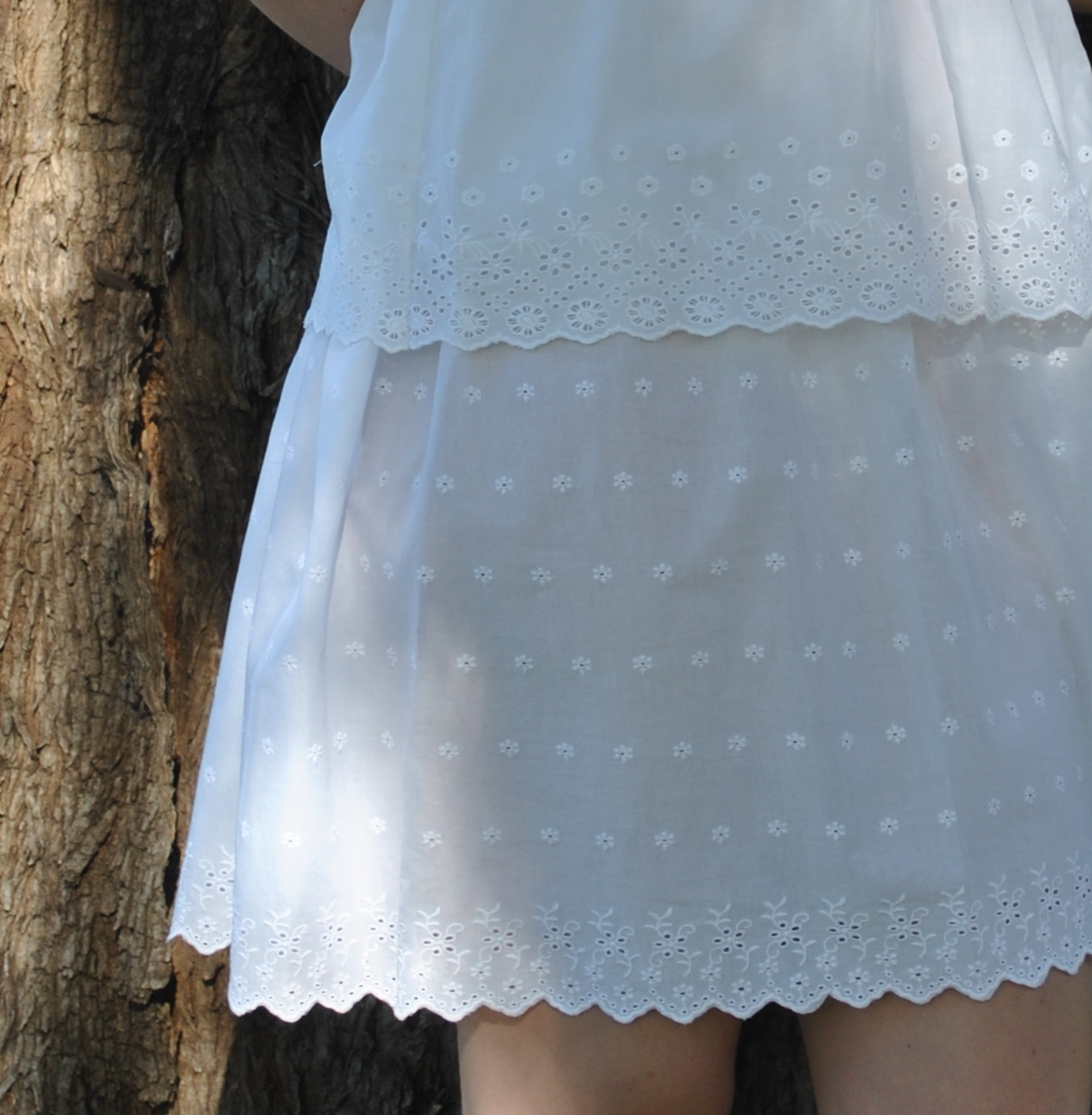
The pattern is from Burdastyle magazine 05/2010, dress 114; a pattern I have used before to make this sundress for myself, and Cassie has used the same pattern for herself once before also. It is an utterly fantastica design for very hot weather; cool, practical, comfortable and pretty, and we have each independently and joyfully discovered that our dresses never fail to draw compliments. Subsequently, Cassie wanted another. Well, when you’re on to a good thing…. 😉The lower tier is sewn to a separate, slightly shaped lining piece, which is sewn to the bodice lining and which lies underneath the top tier. So in this latest version of the pattern the two tiers are completely separate from each other.

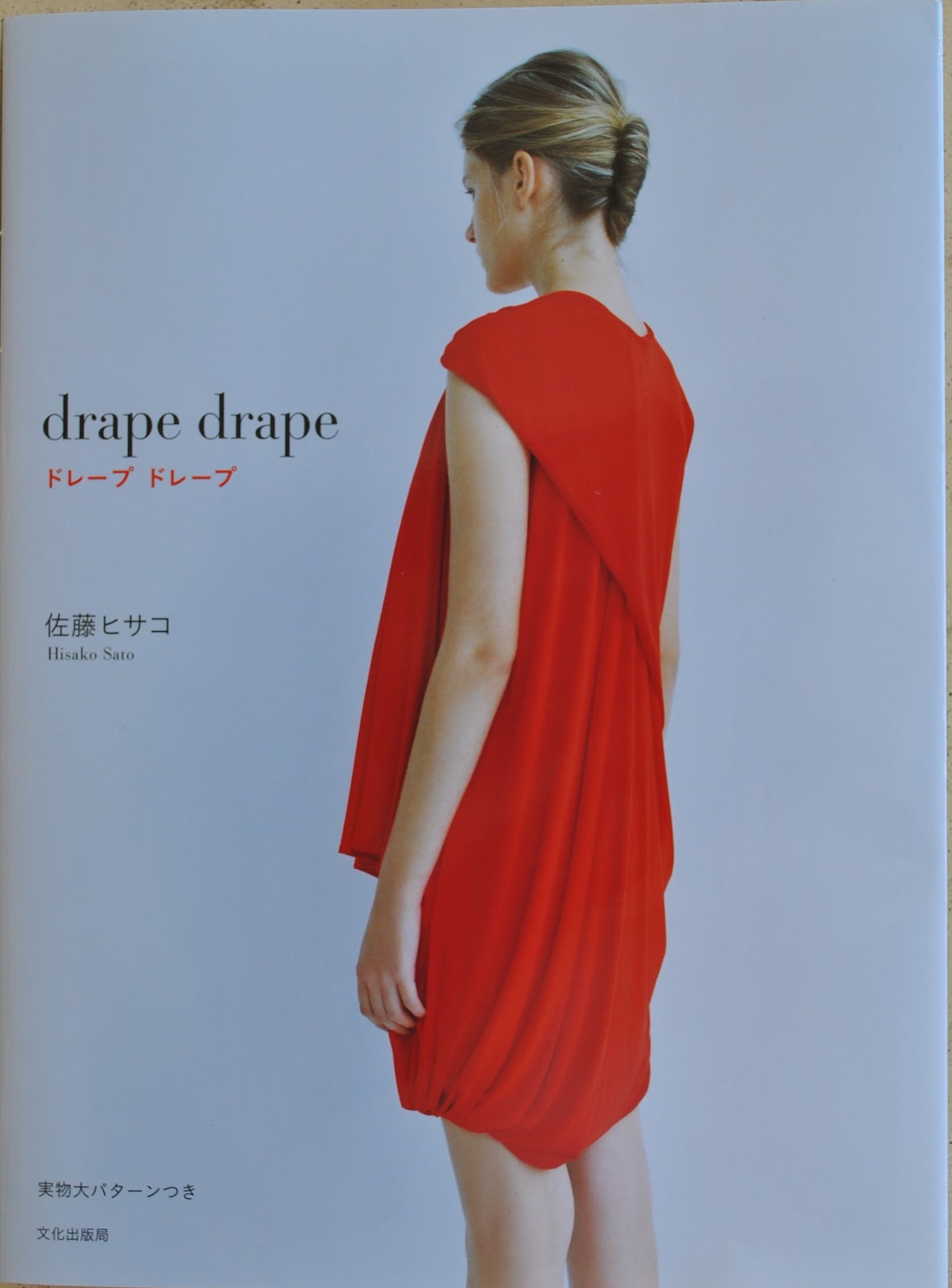
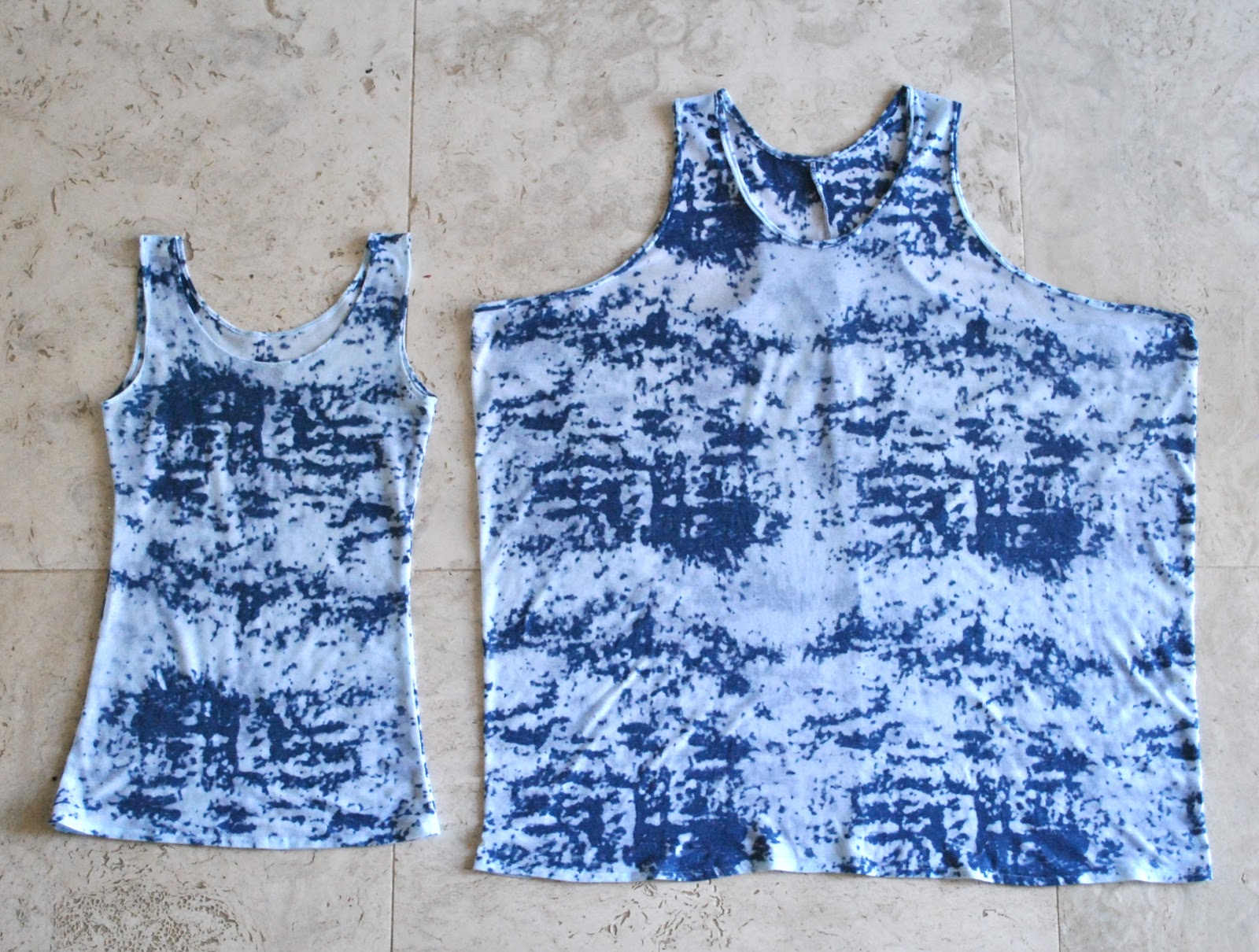
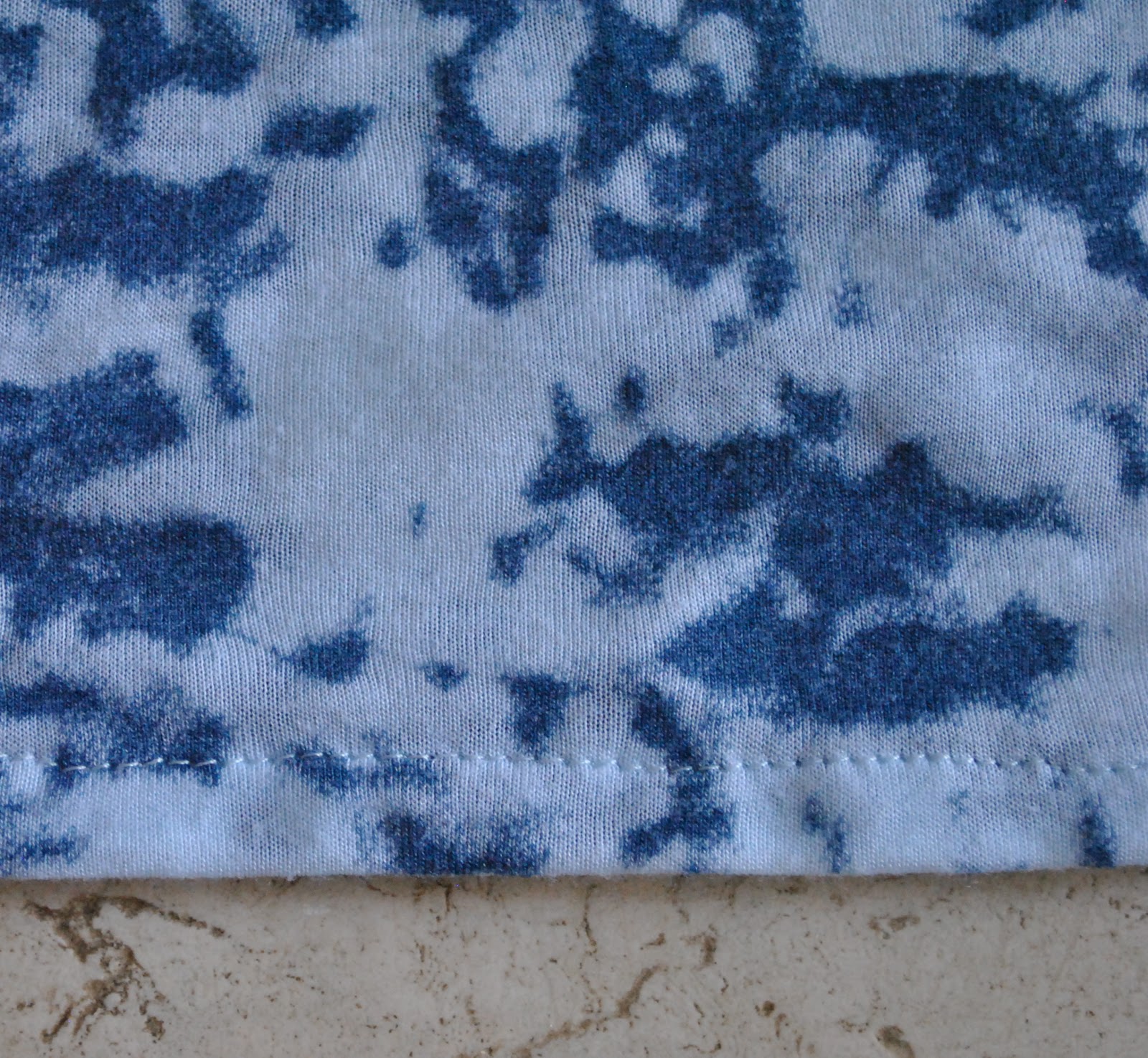
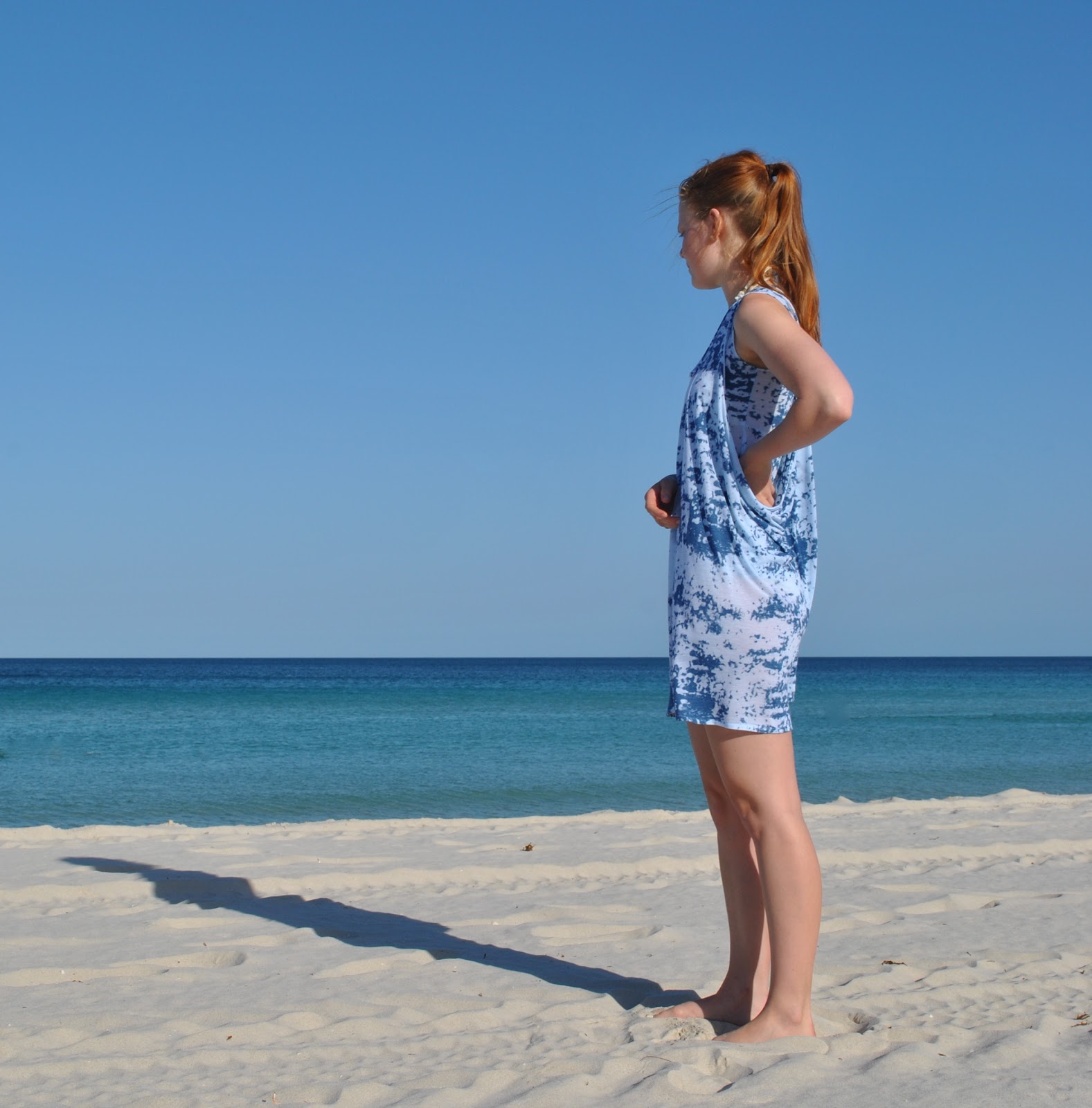
Last up: Cassie! and I made a dress for Cassie for Christmas this year; this is the loose drape tank-top from drape drape by Hisako Sato. I used a thin cotton jersey, printed in an interesting fractured pixels design of ocean blue upon powder blue. I bought the fabric from the Fabric Store in Melbourne during our trip there in September.
I think the tank-top is designed to just be a summer cover-up, the only explanation for its skimpiness and bra-revealing nature; so I also made a matching little tank top; that is, the regular kind of tank top! to go under it, just in case Cassie decided she wanted to wear it anywhere other than the beach. I based the shape of the tank top on a well-fitting Tshirt that she owns already.
For the drape drape tank-top; I edged the neckline and both of those big big armholes with a cross-cut strip of the jersey, attached right-side to wrong side on the inside, and then flipped out to the right side of the dress and stitched down on the outside; so the raw edge rolls up on itself and over the stitching. I can go into more details of this finish with a pictorial tute, if anyone is interested… ? Looks quite nice and kinda cute, and is appropriate for a casual little summery thing, I think.
The regular tank-top neckline and armhole edges are just finished by turning under a narrow hem twice and top-stitching on the inside face.
The lower edge of both pieces are finished with a hem, turned under twice and top-stitched.
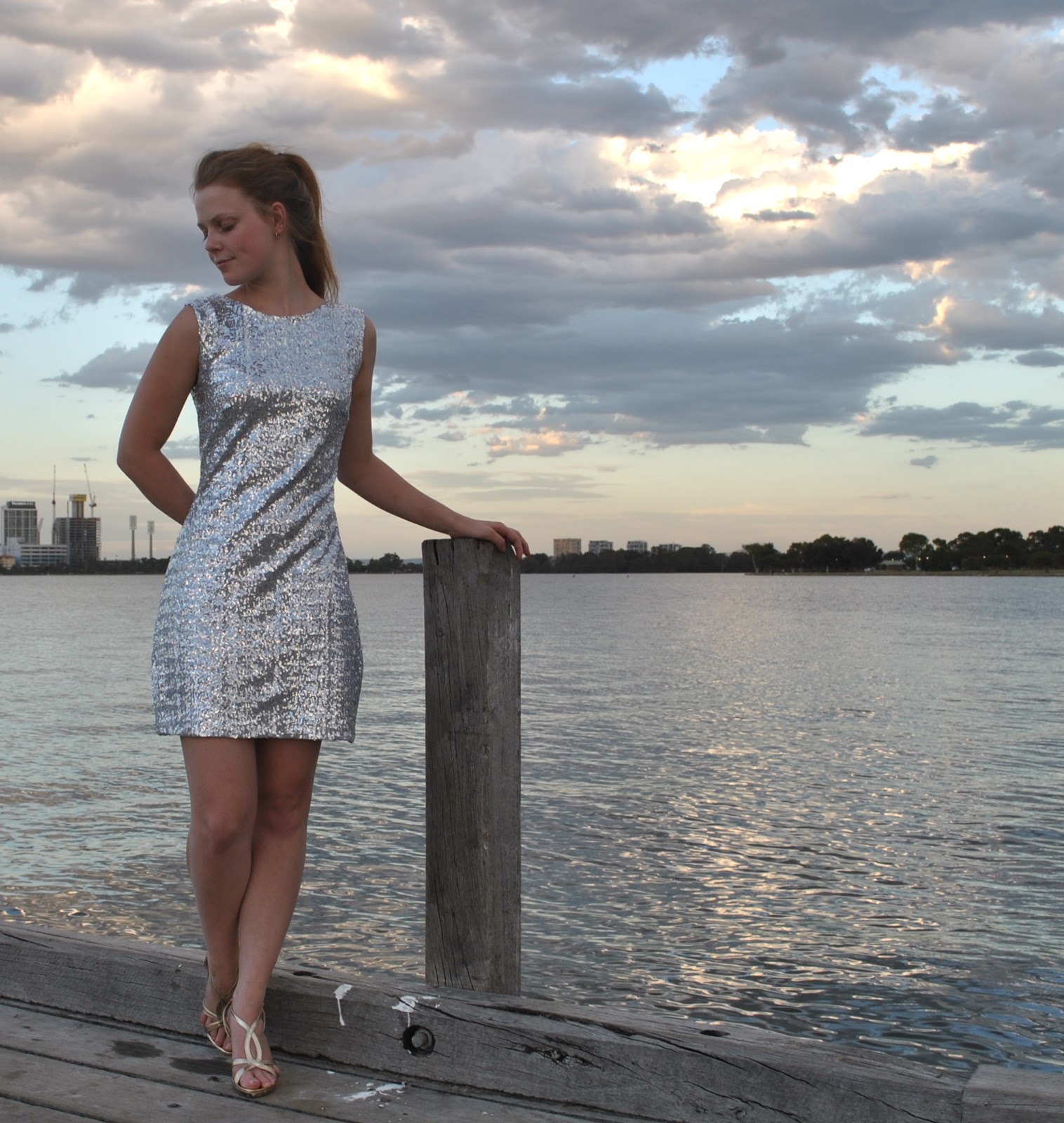
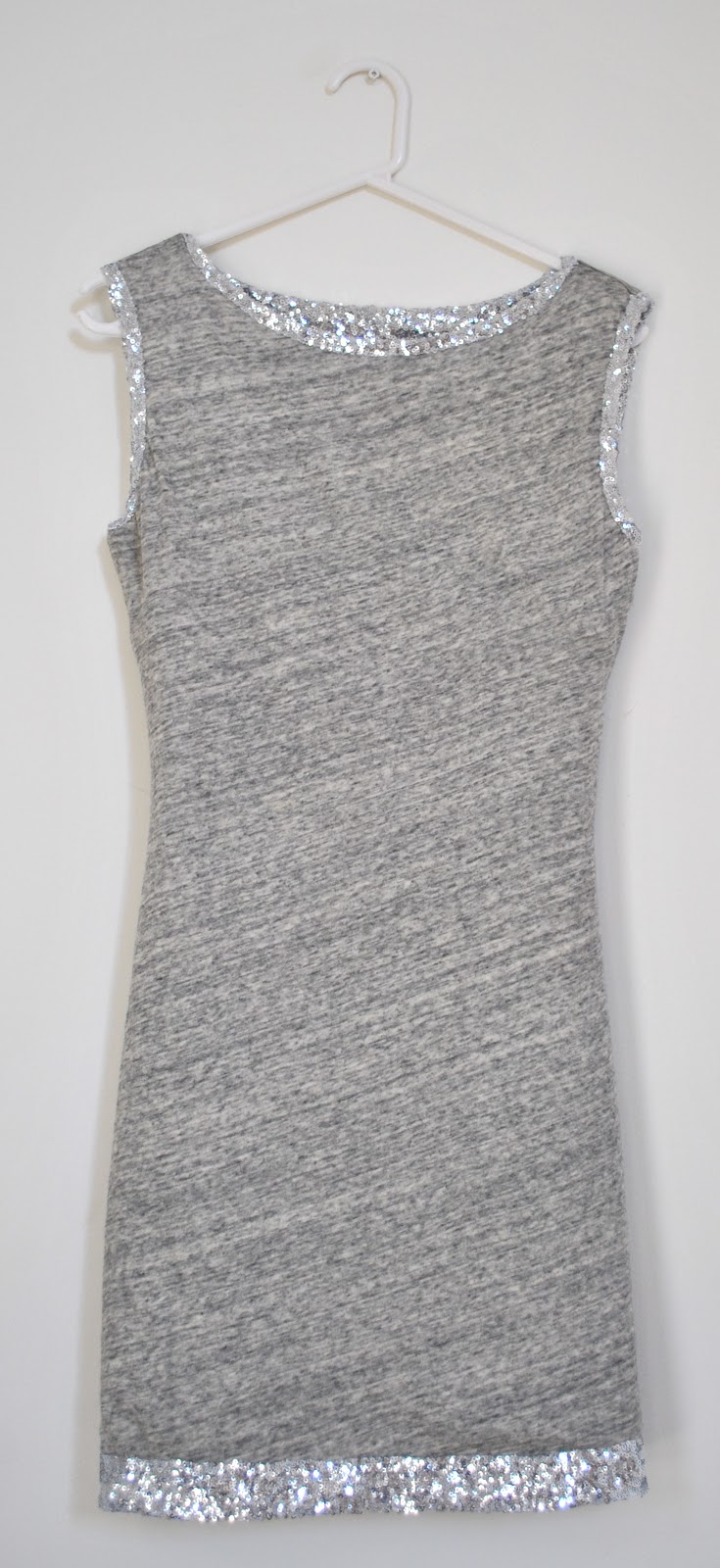
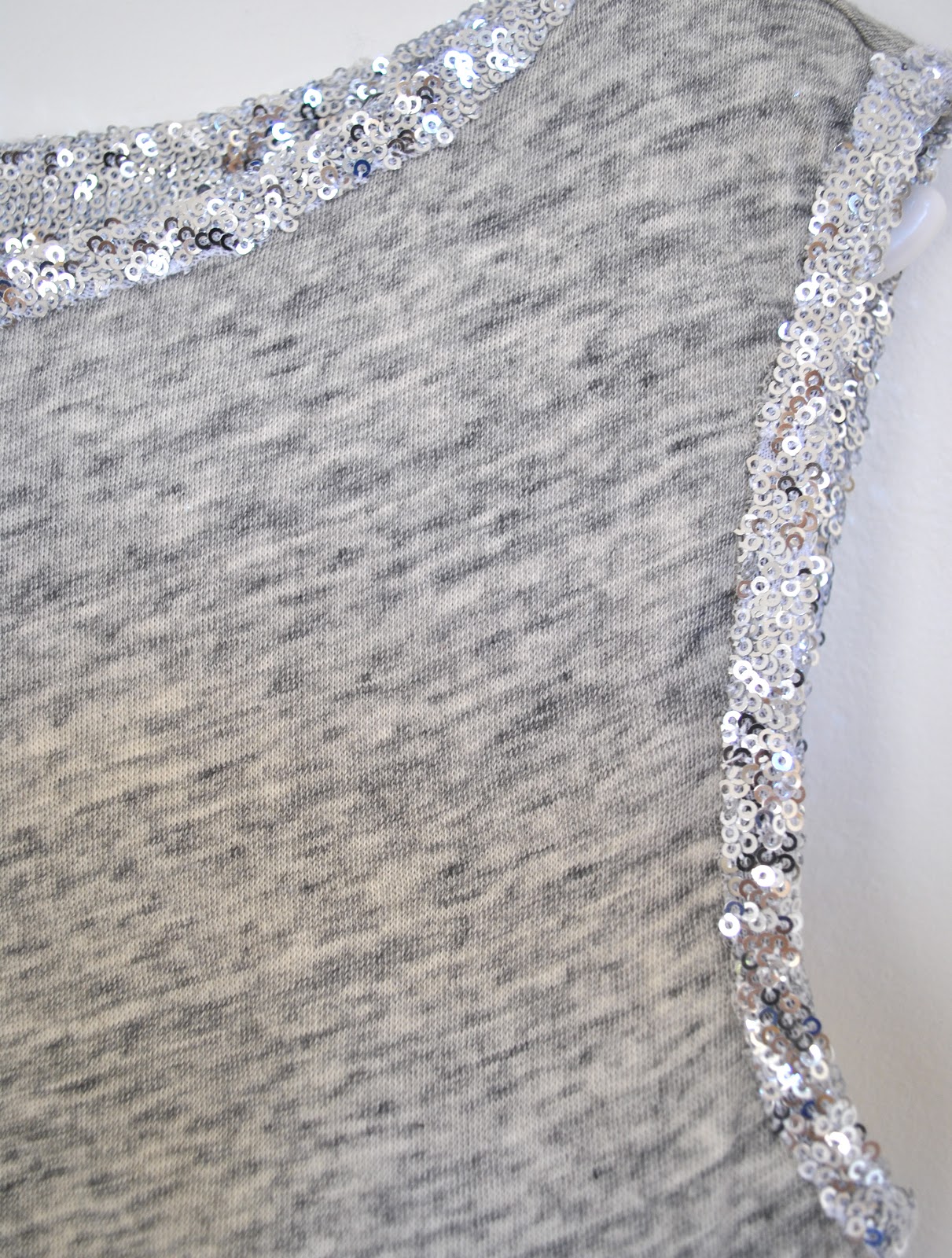
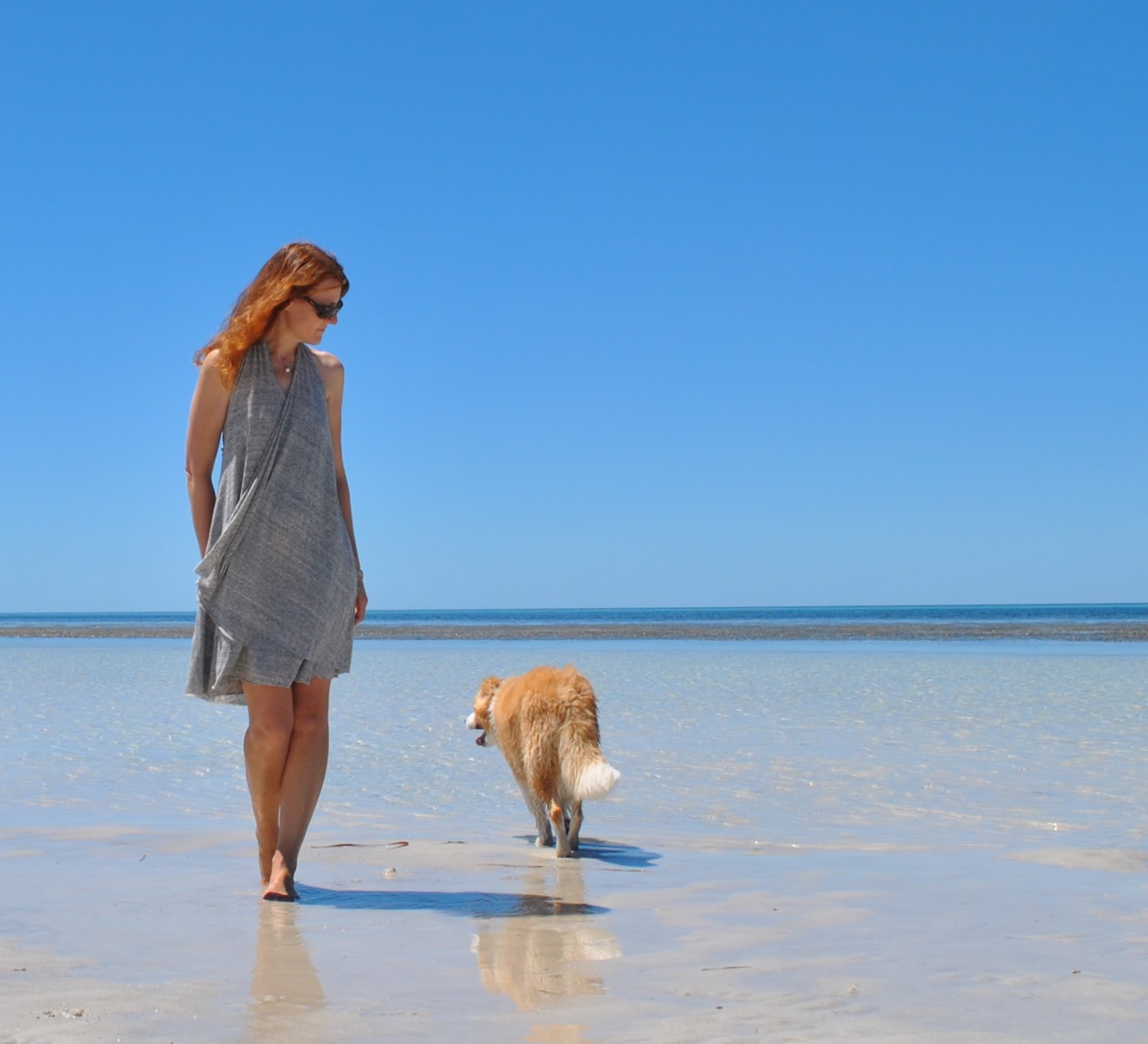
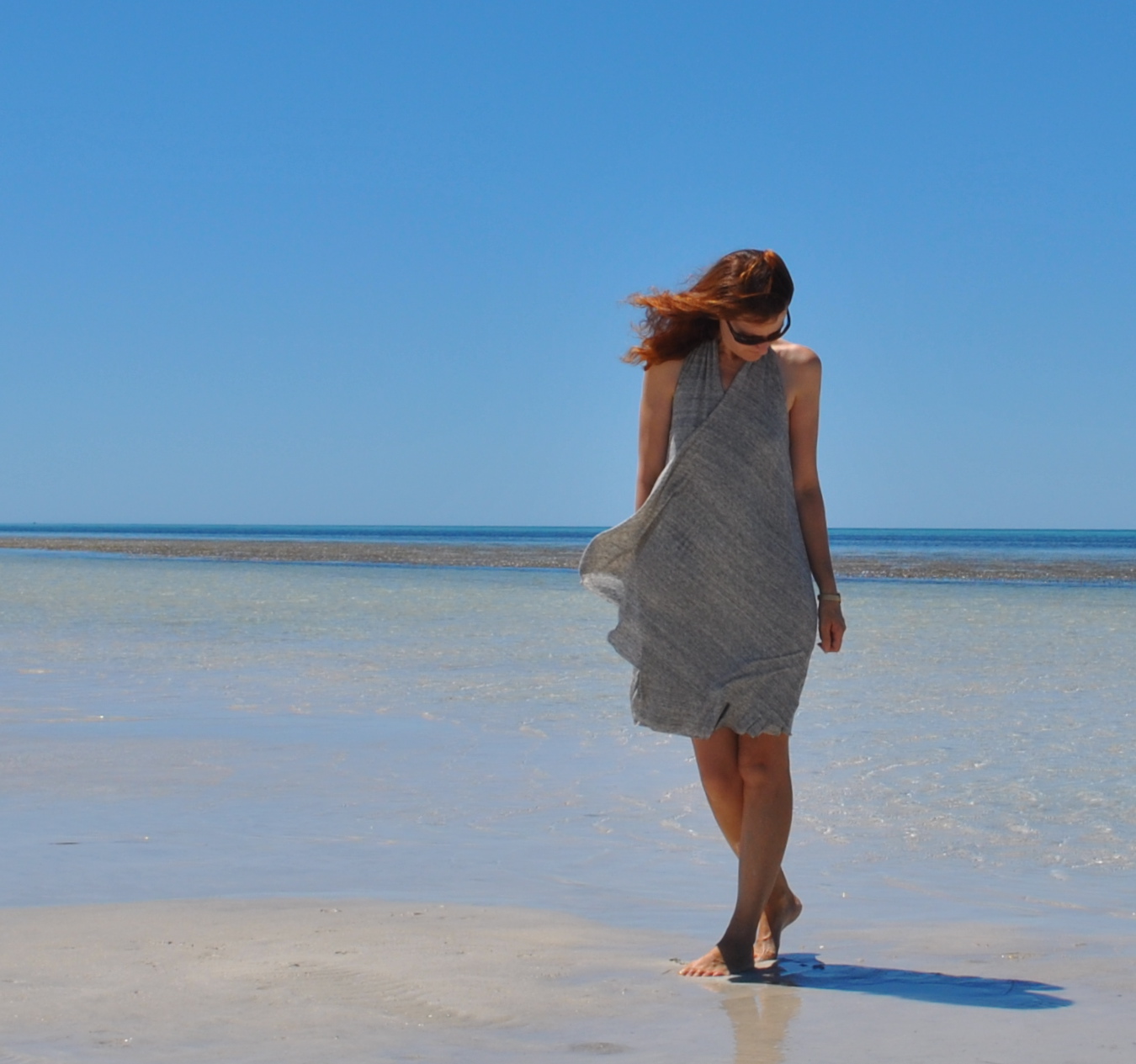
This wasn’t actually supposed to be a real dress. I was playing about. I have to confess to a few strugglesDress; the loose flare drape dress, pattern no.11 from
Drape Drape by Hisako Sato, made of lightweight grey marle jersey knit
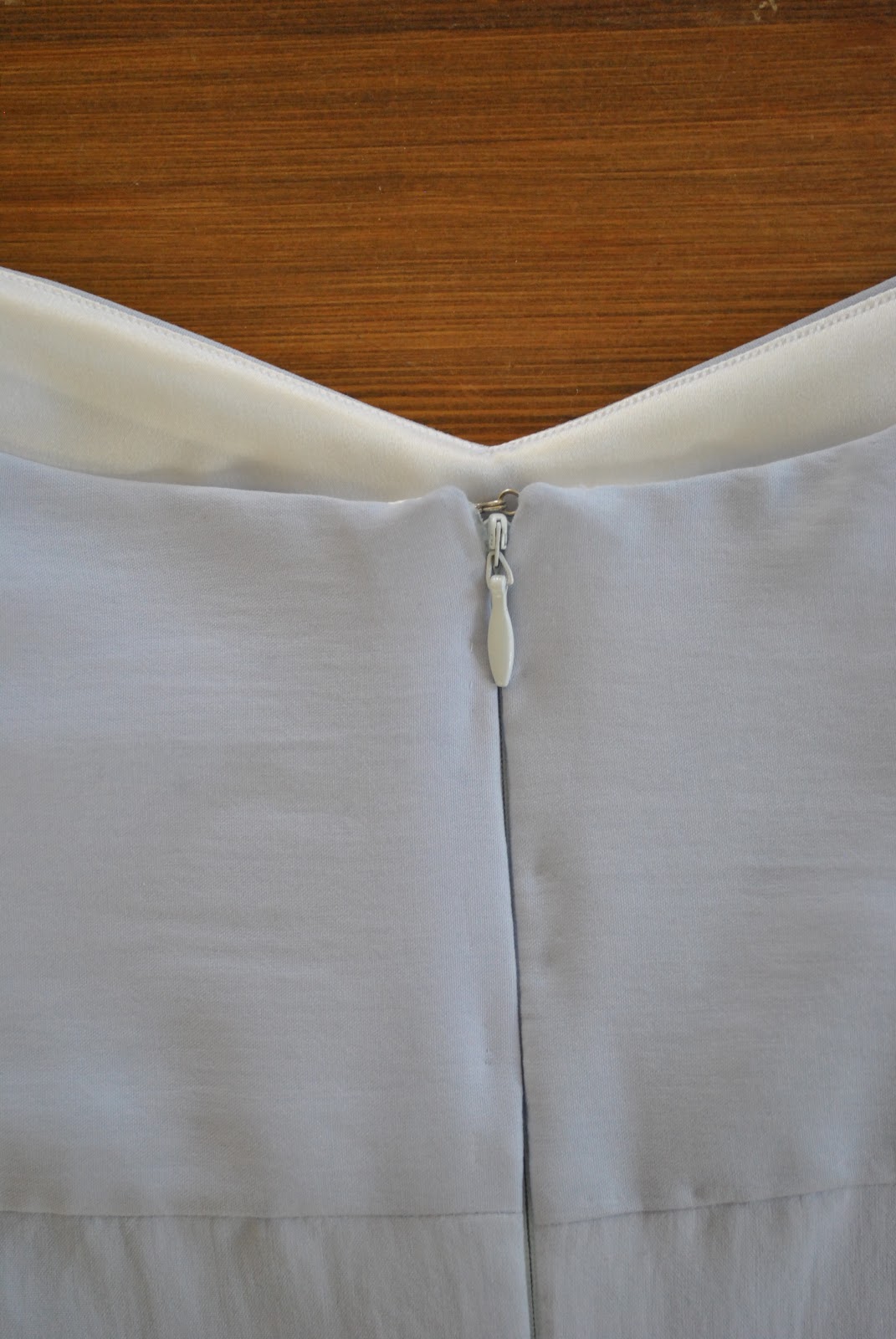
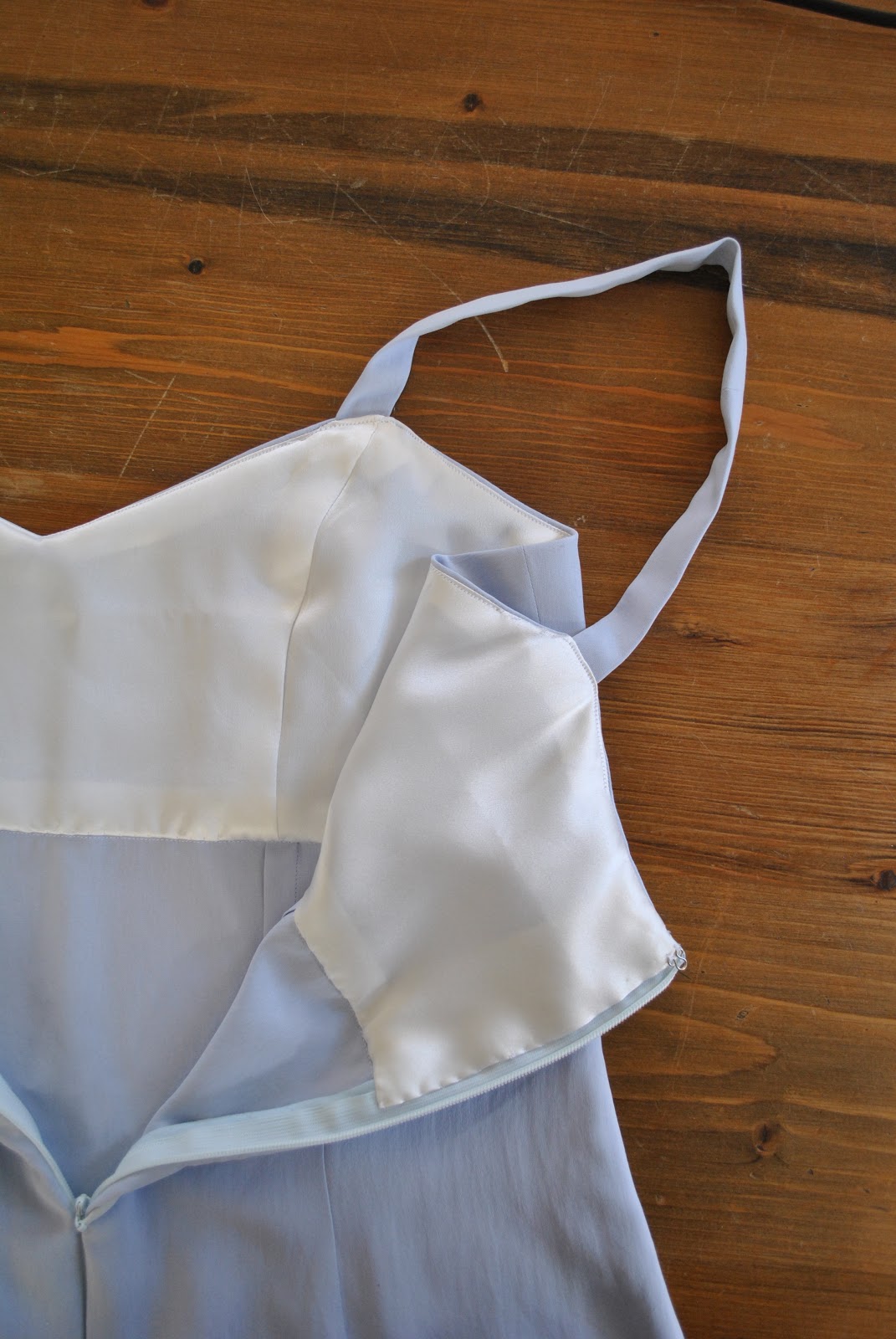
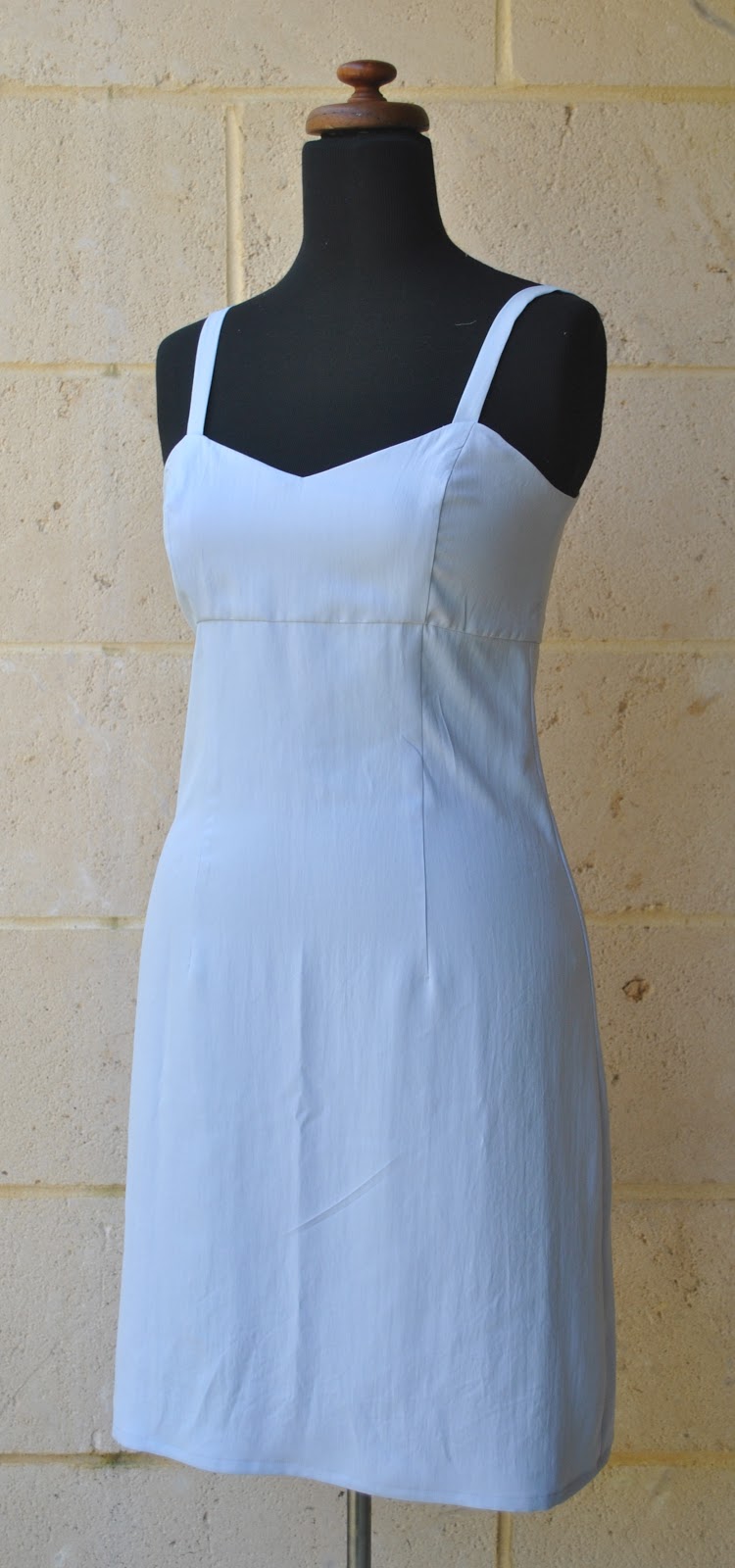
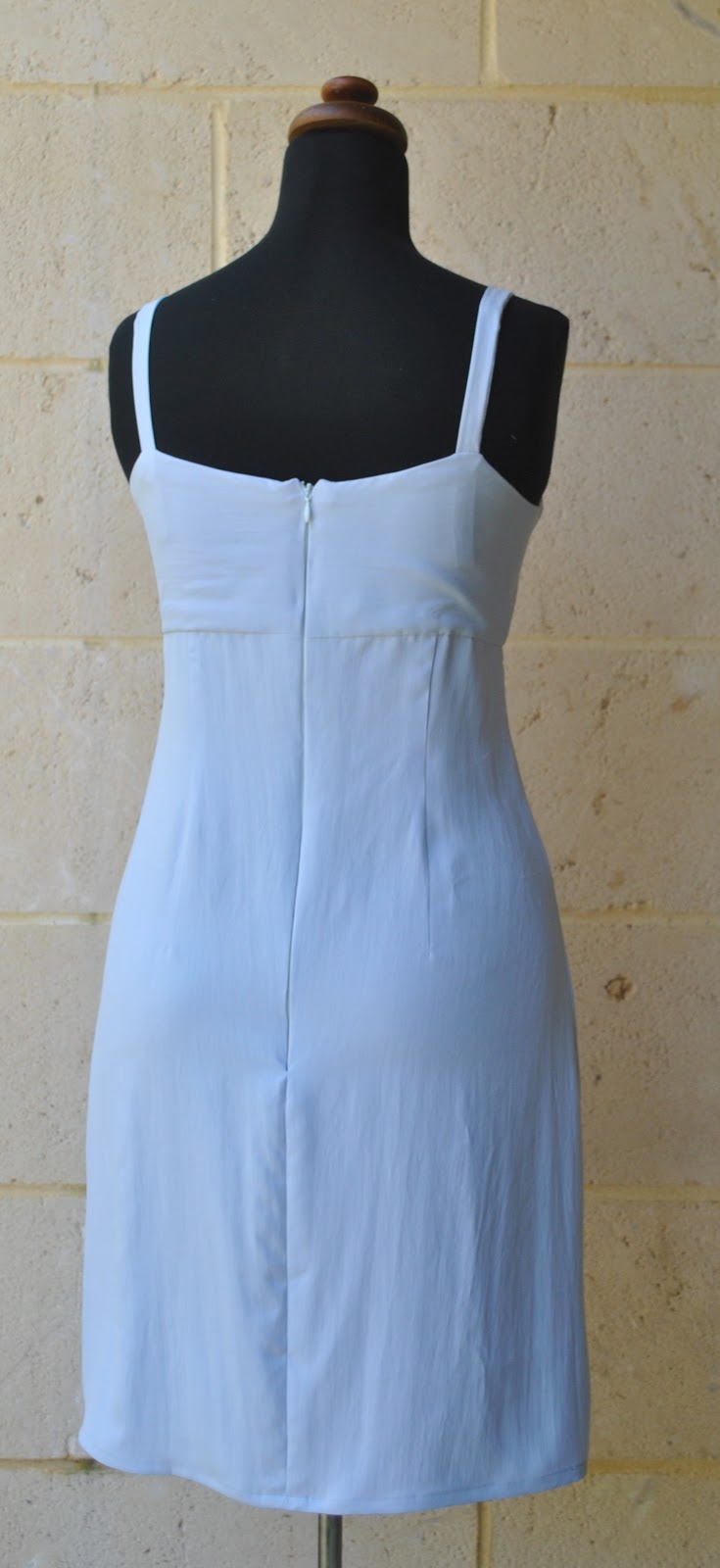
OK, so I have posted about this new… er, thing before; and in a comment janesewandtell expressed surprise that a petticoat should have a zip … the answer of course is that even though I did describe it as a “petticoat” of course it really was only masquerading as a petticoat. Actually it is a bonafide dress, and can very well be worn as one!