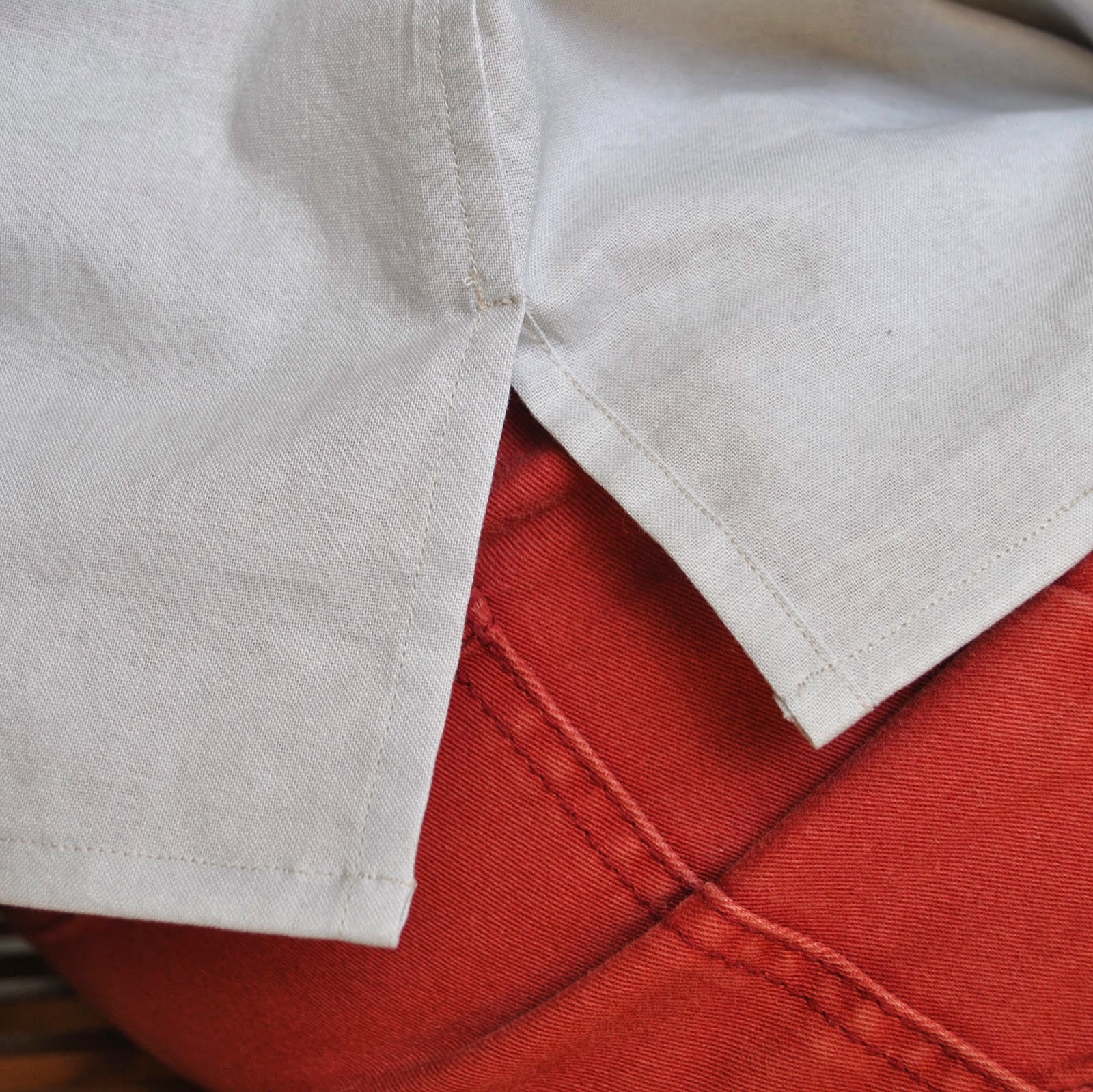
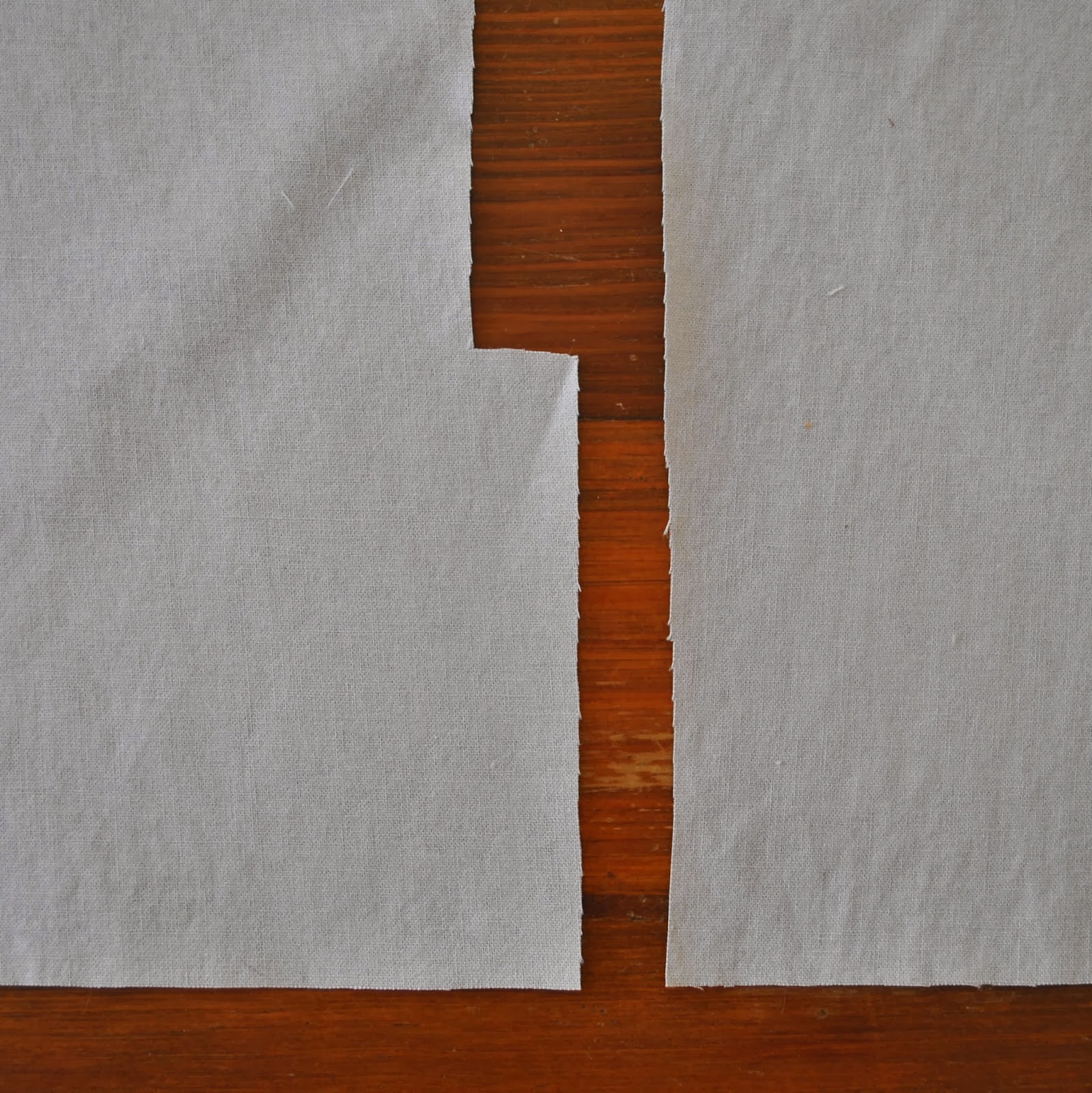
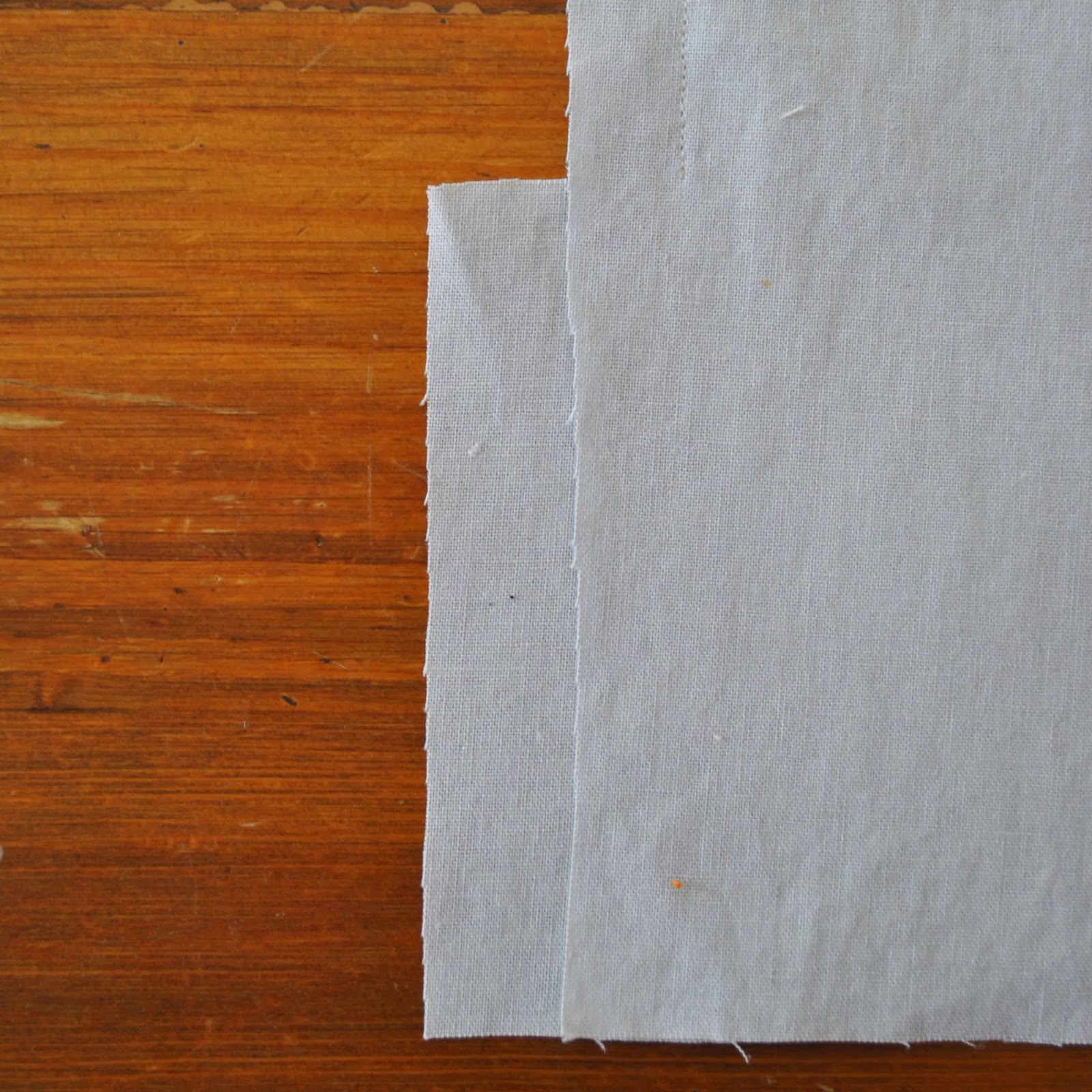
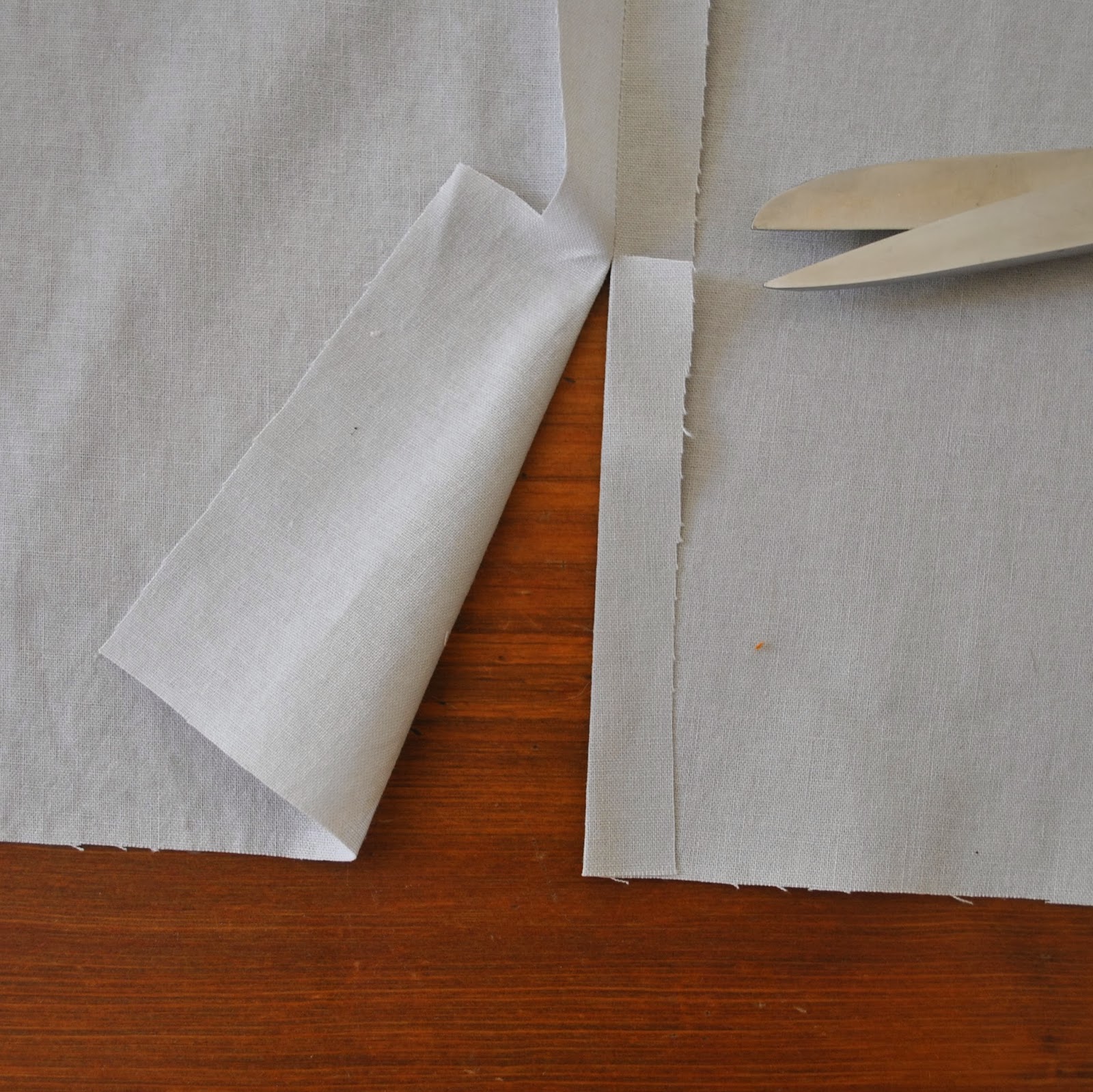
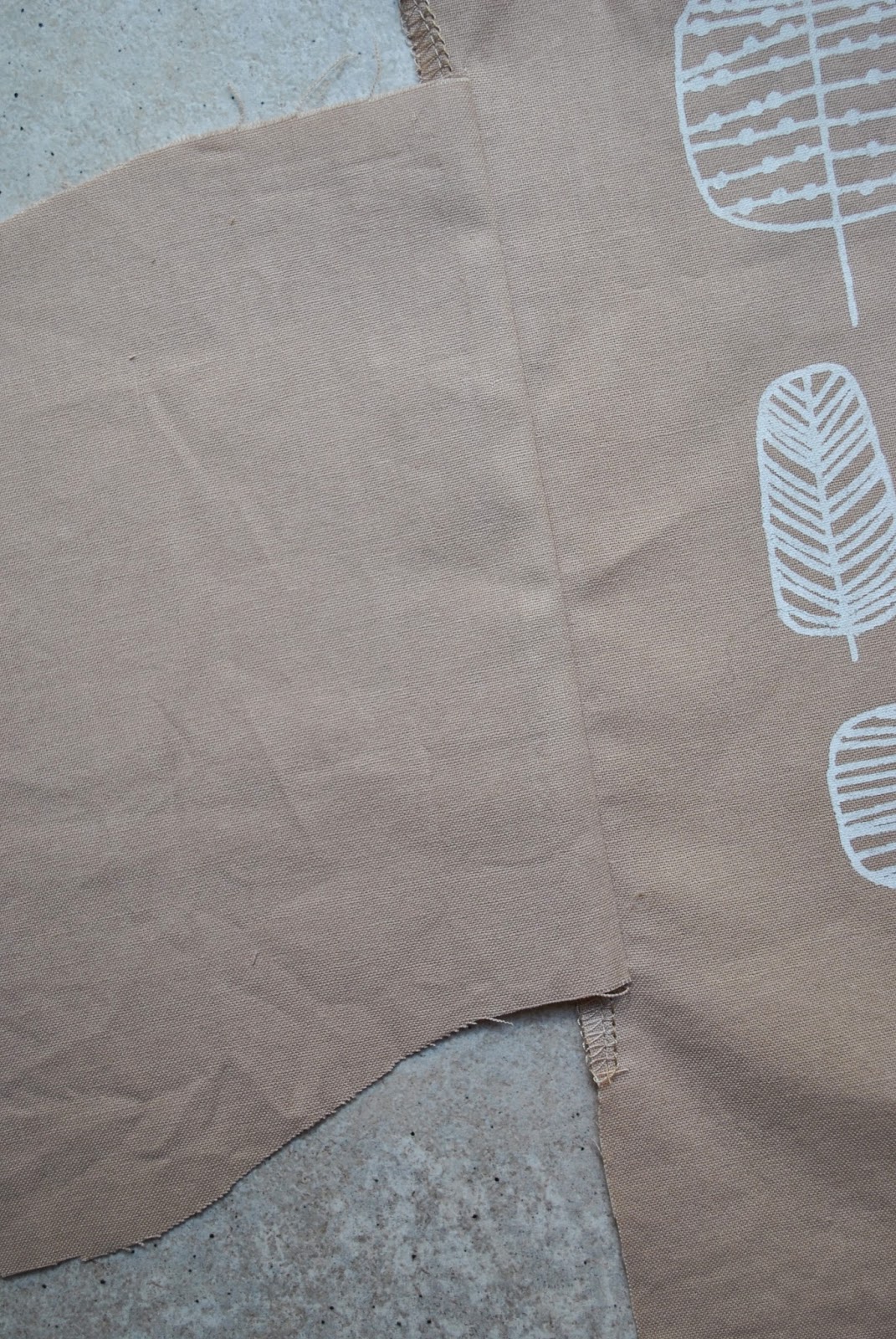
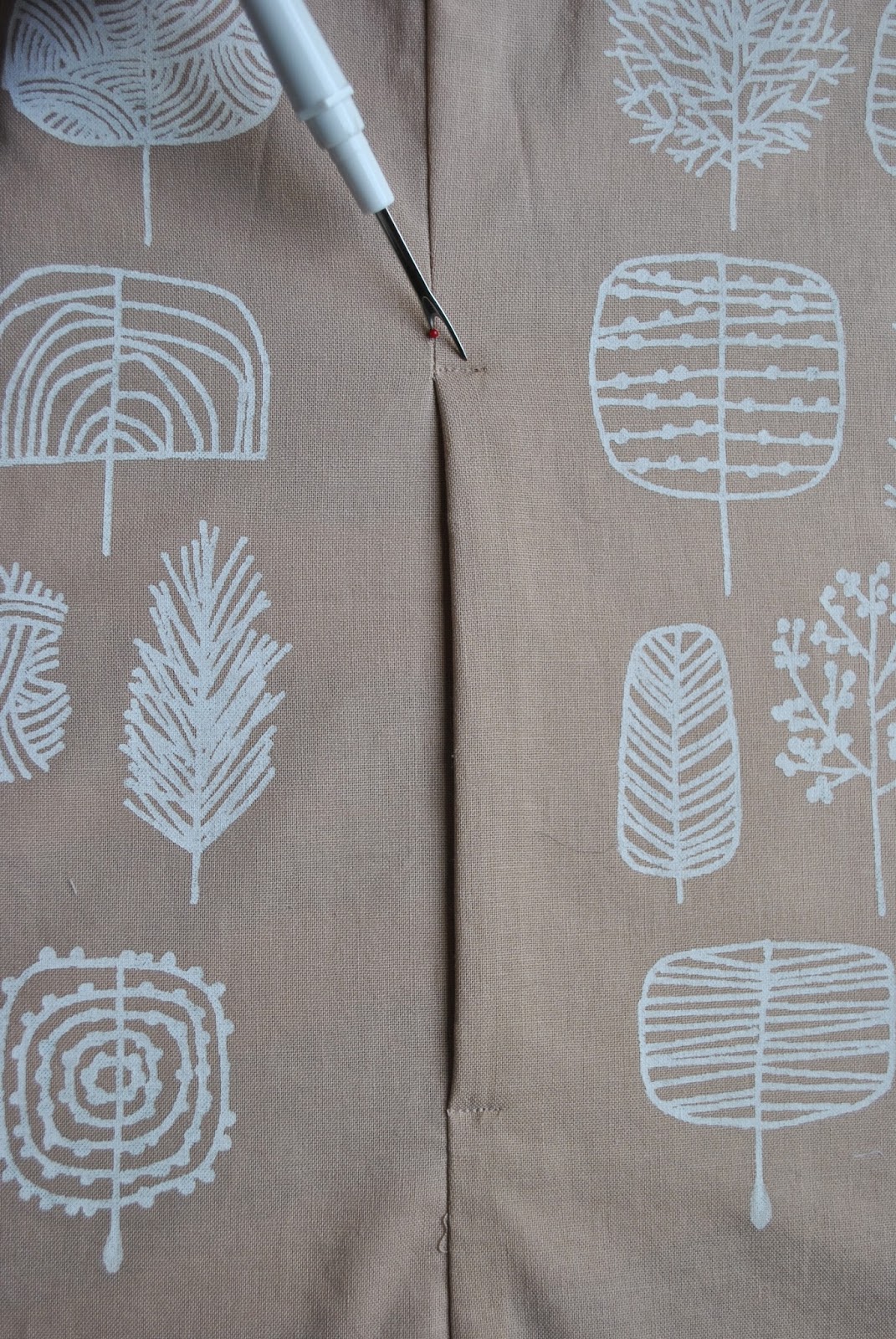
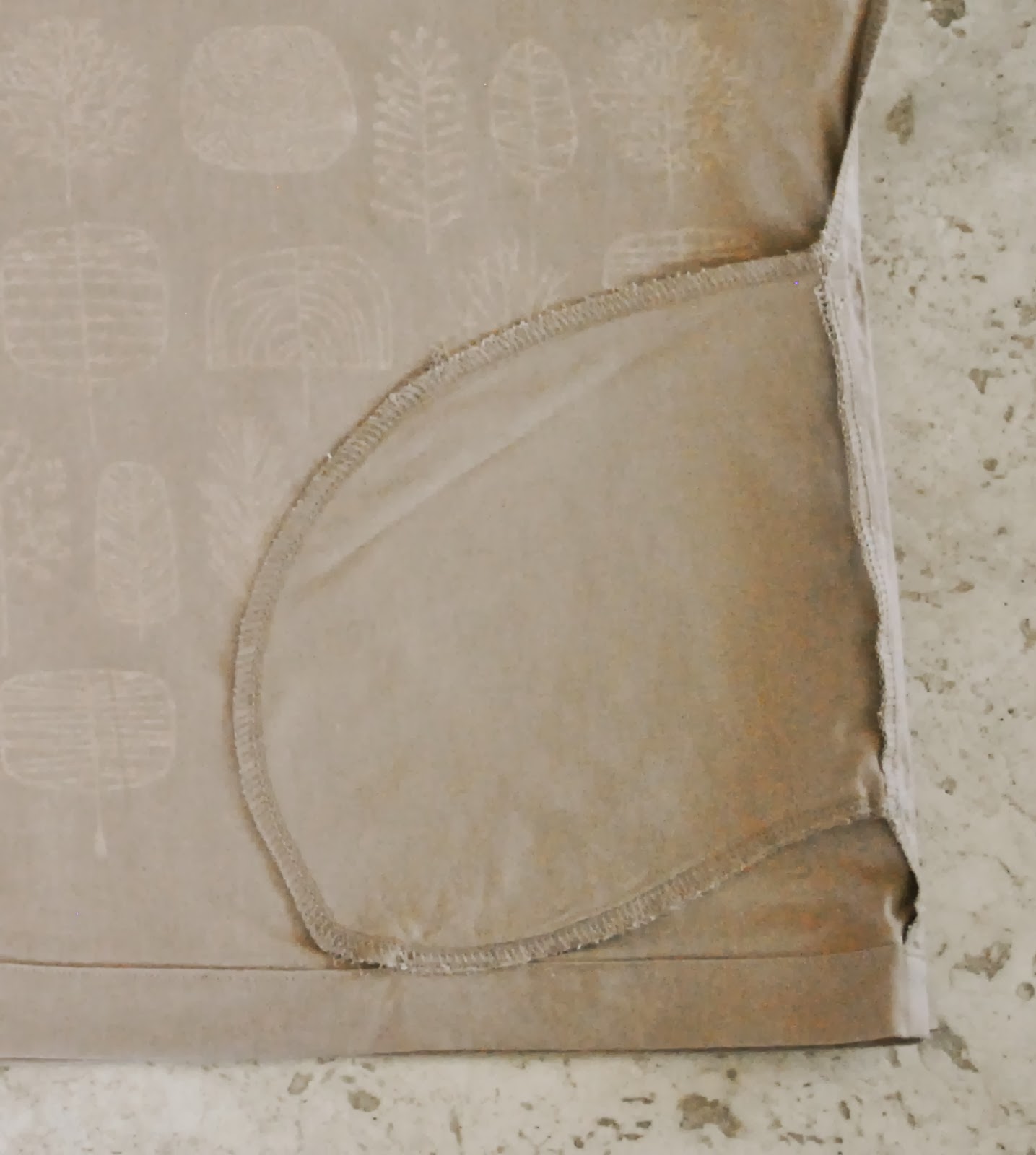
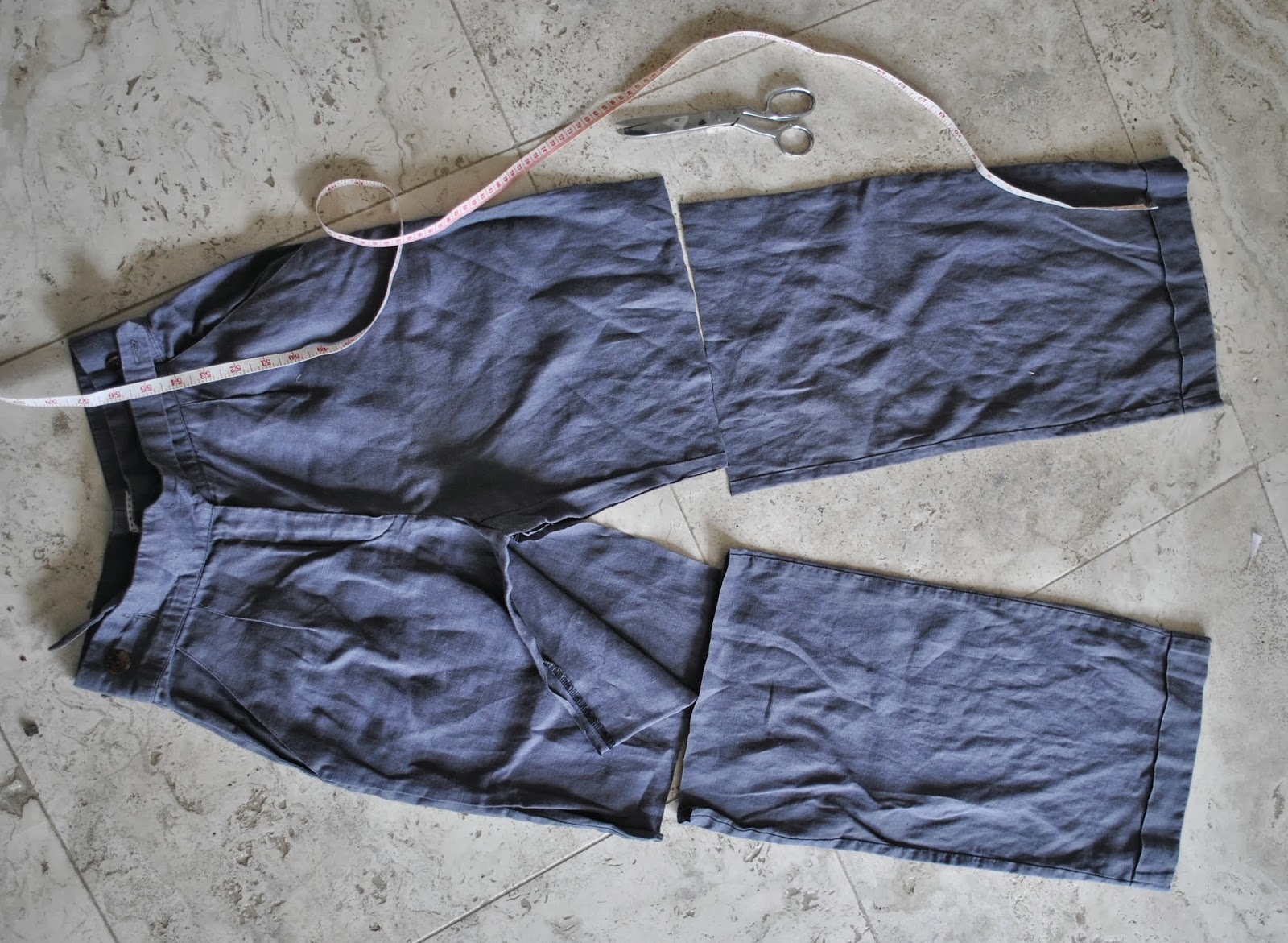
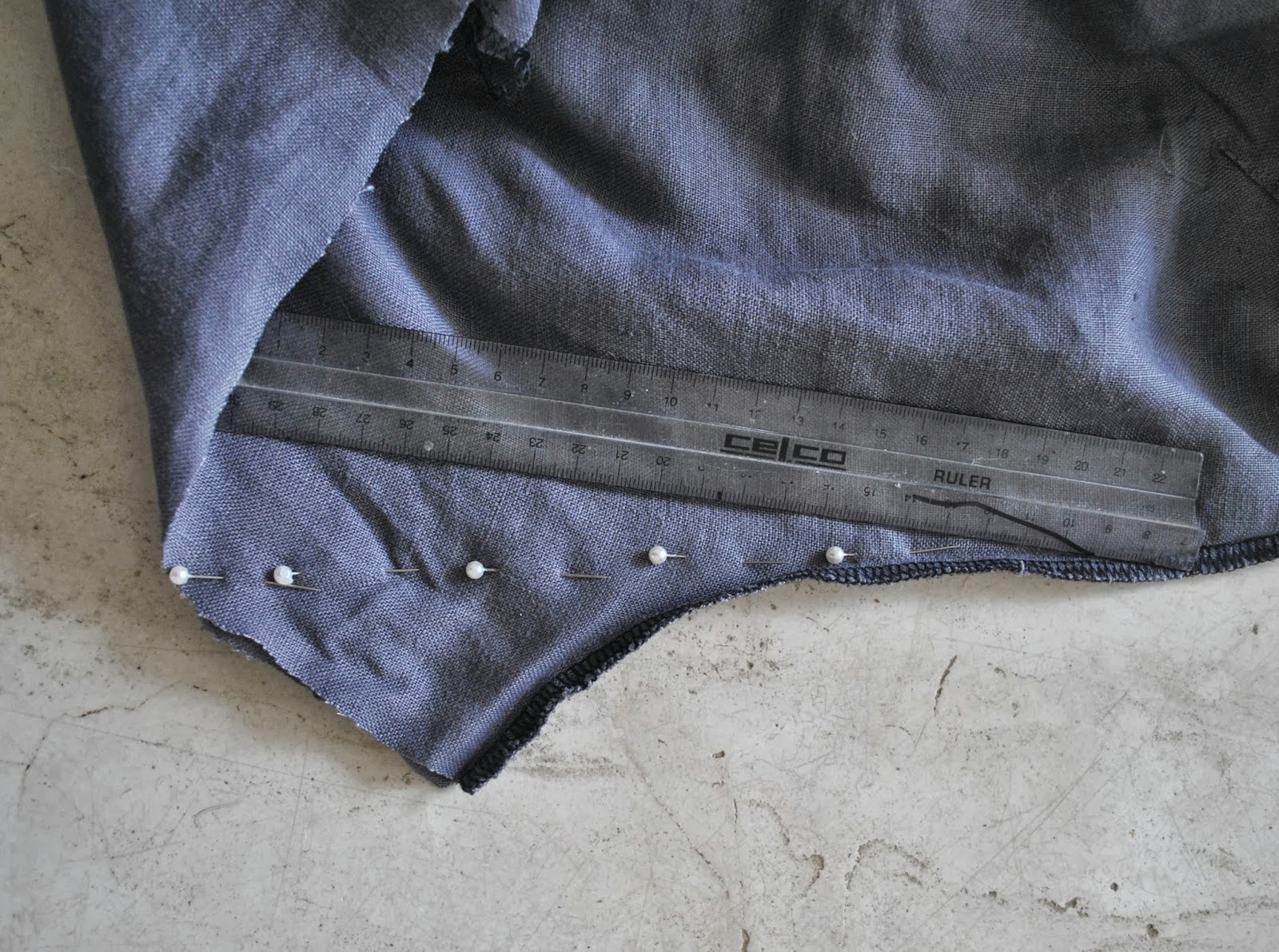
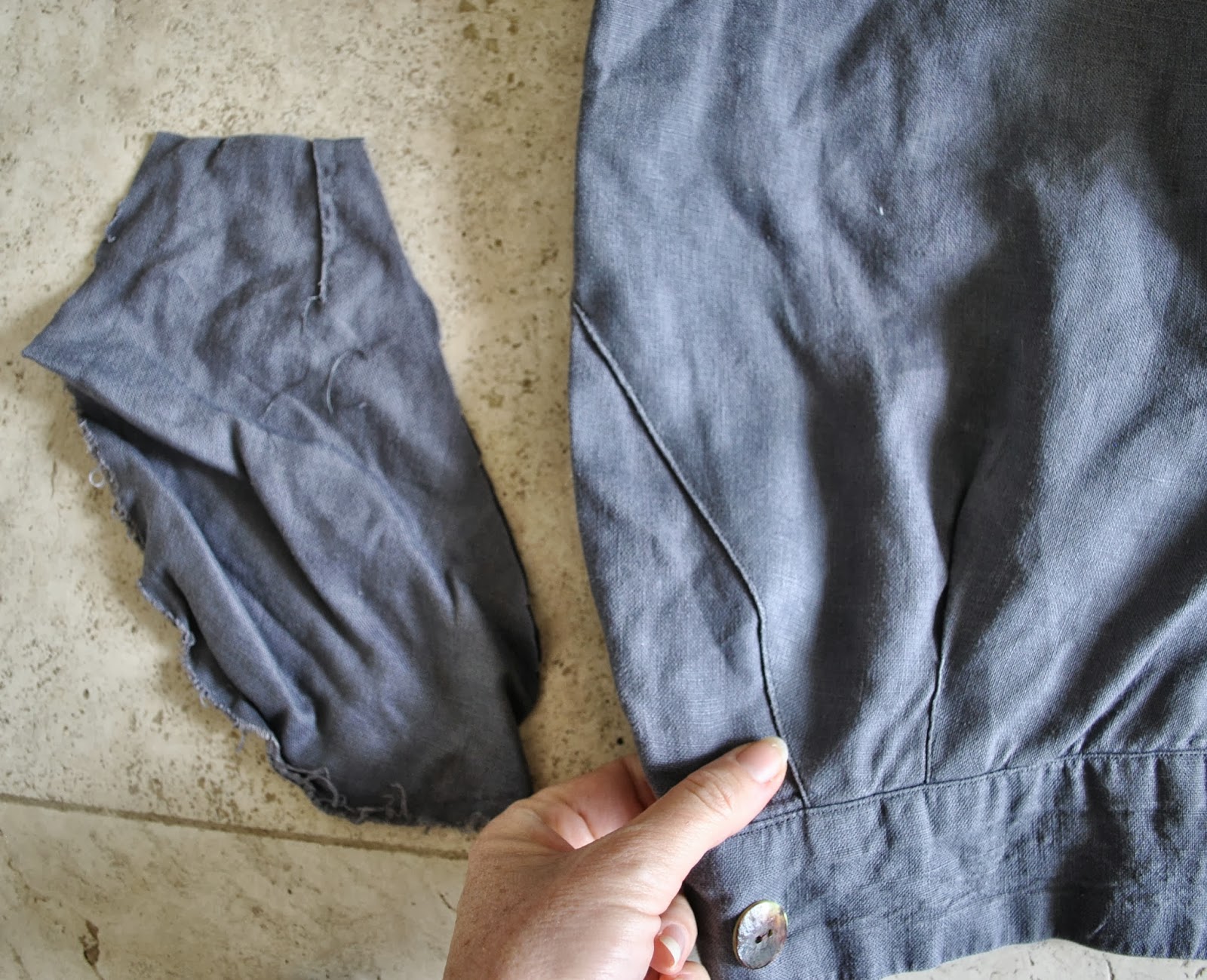
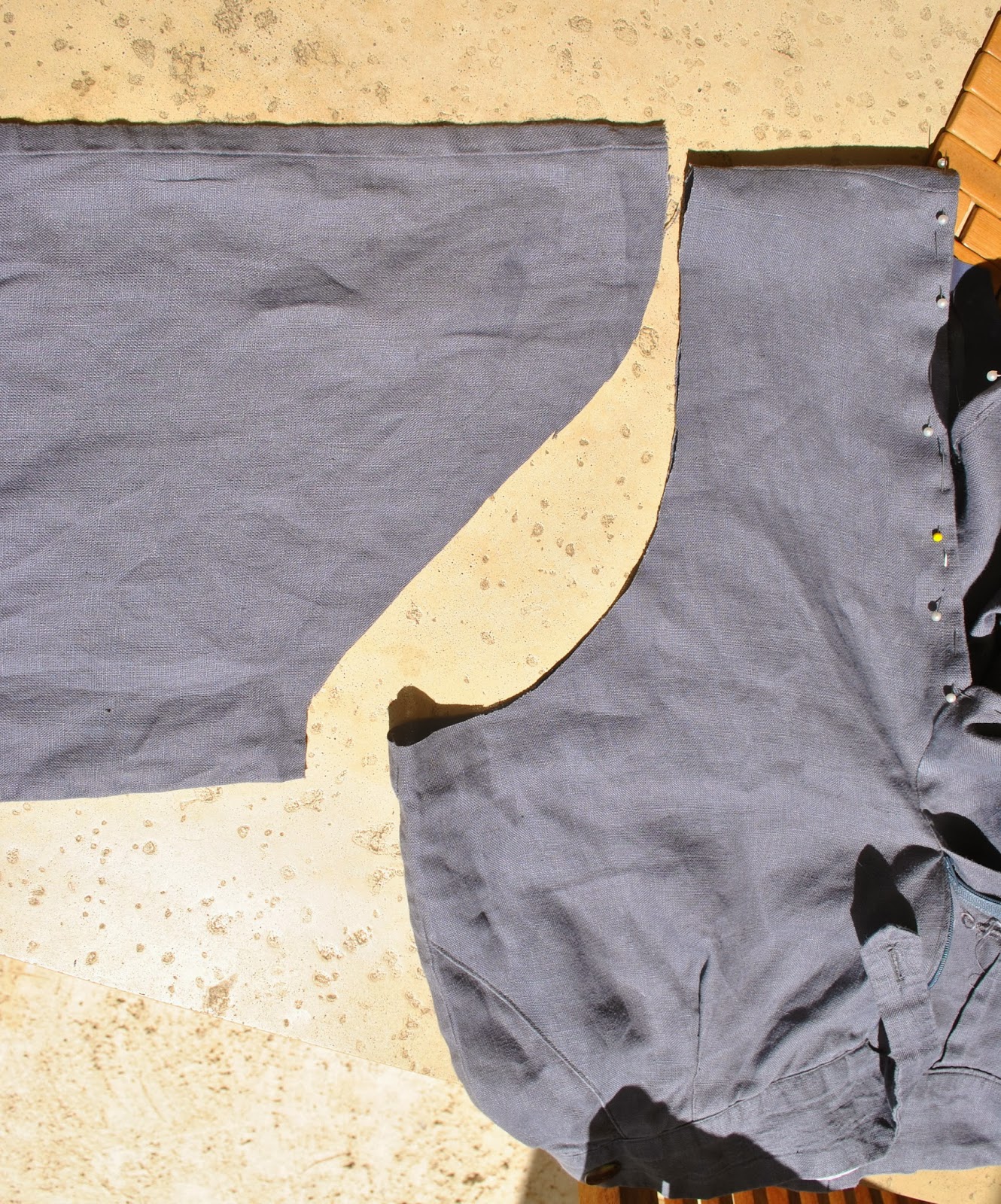
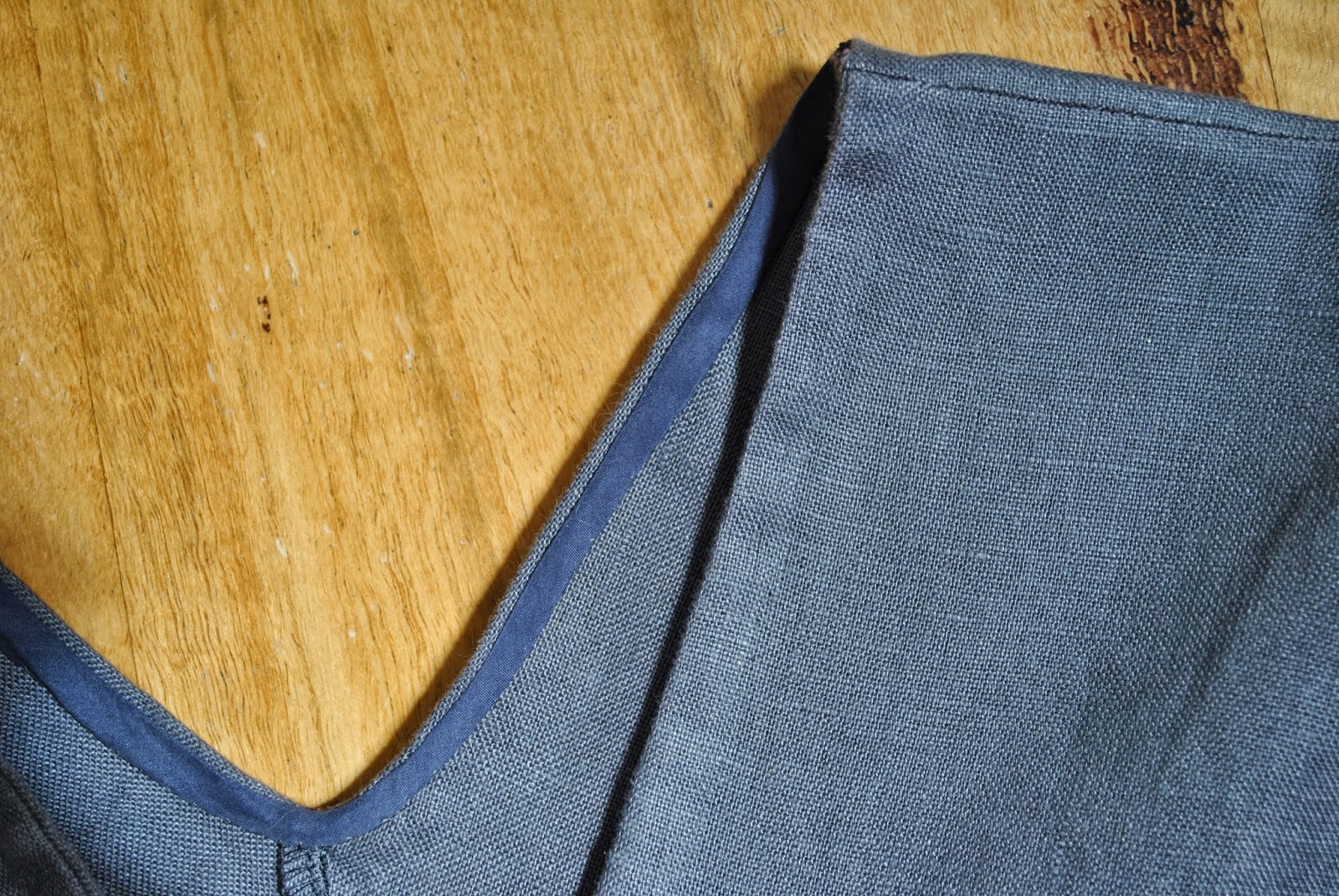
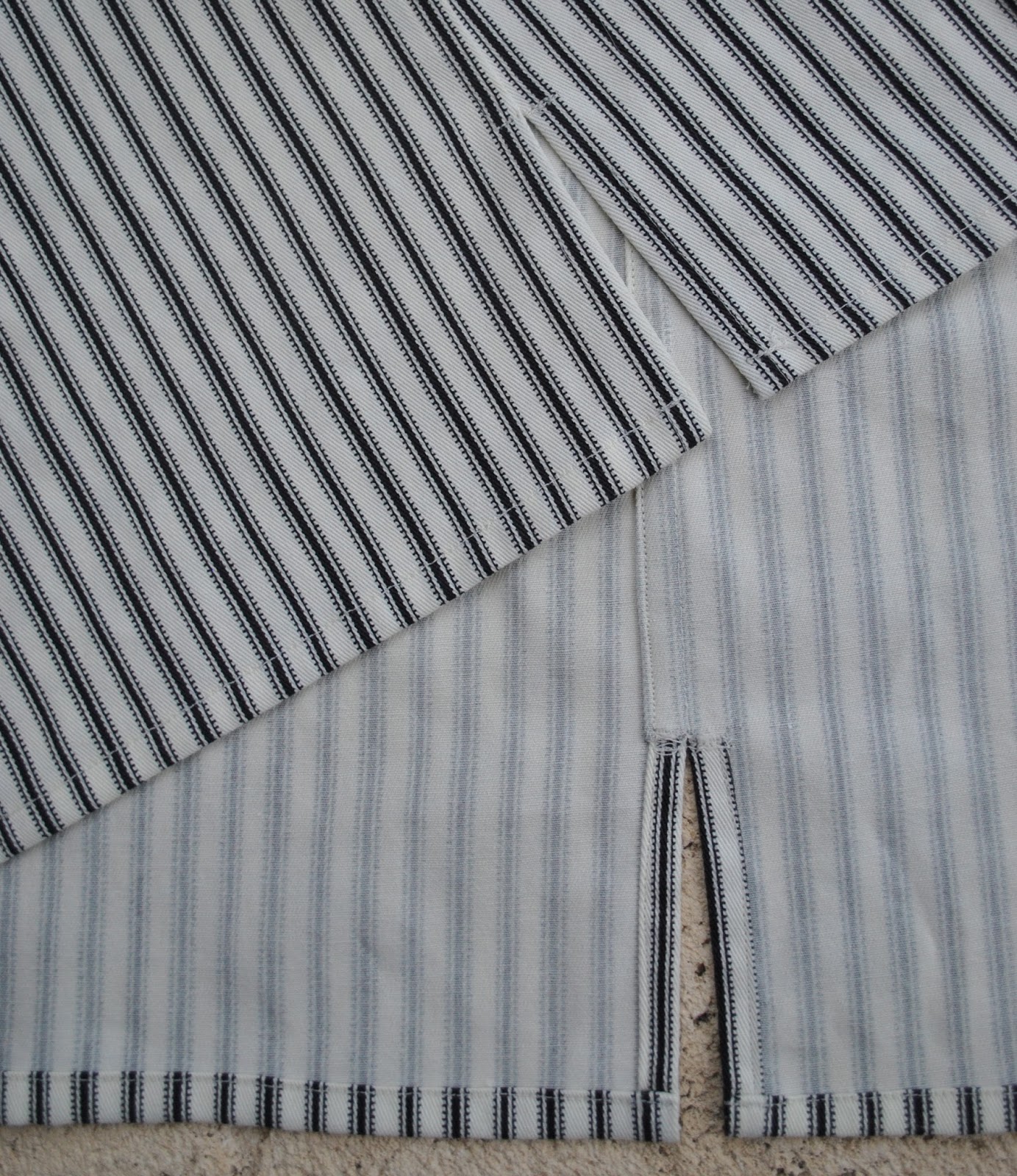
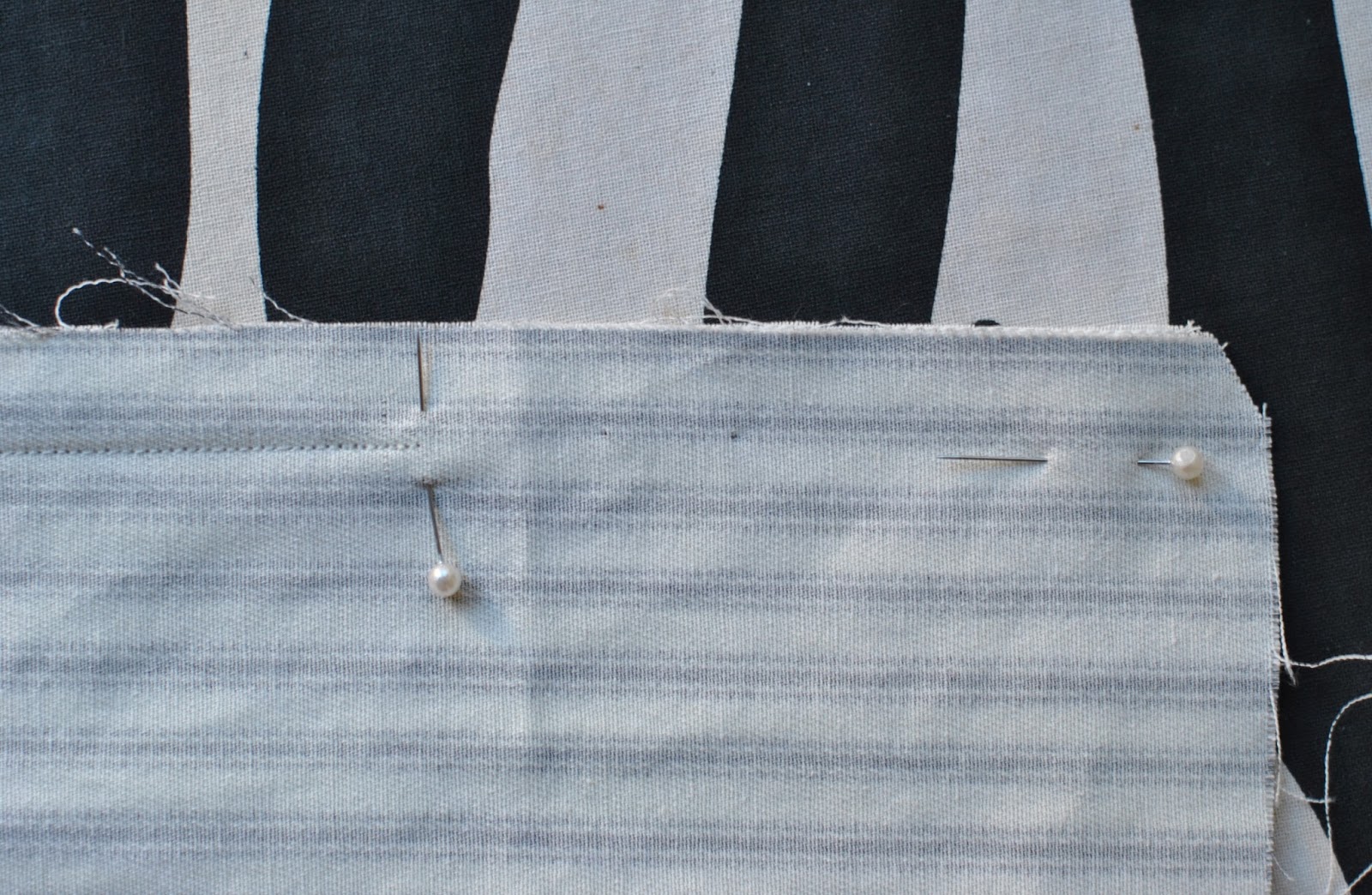
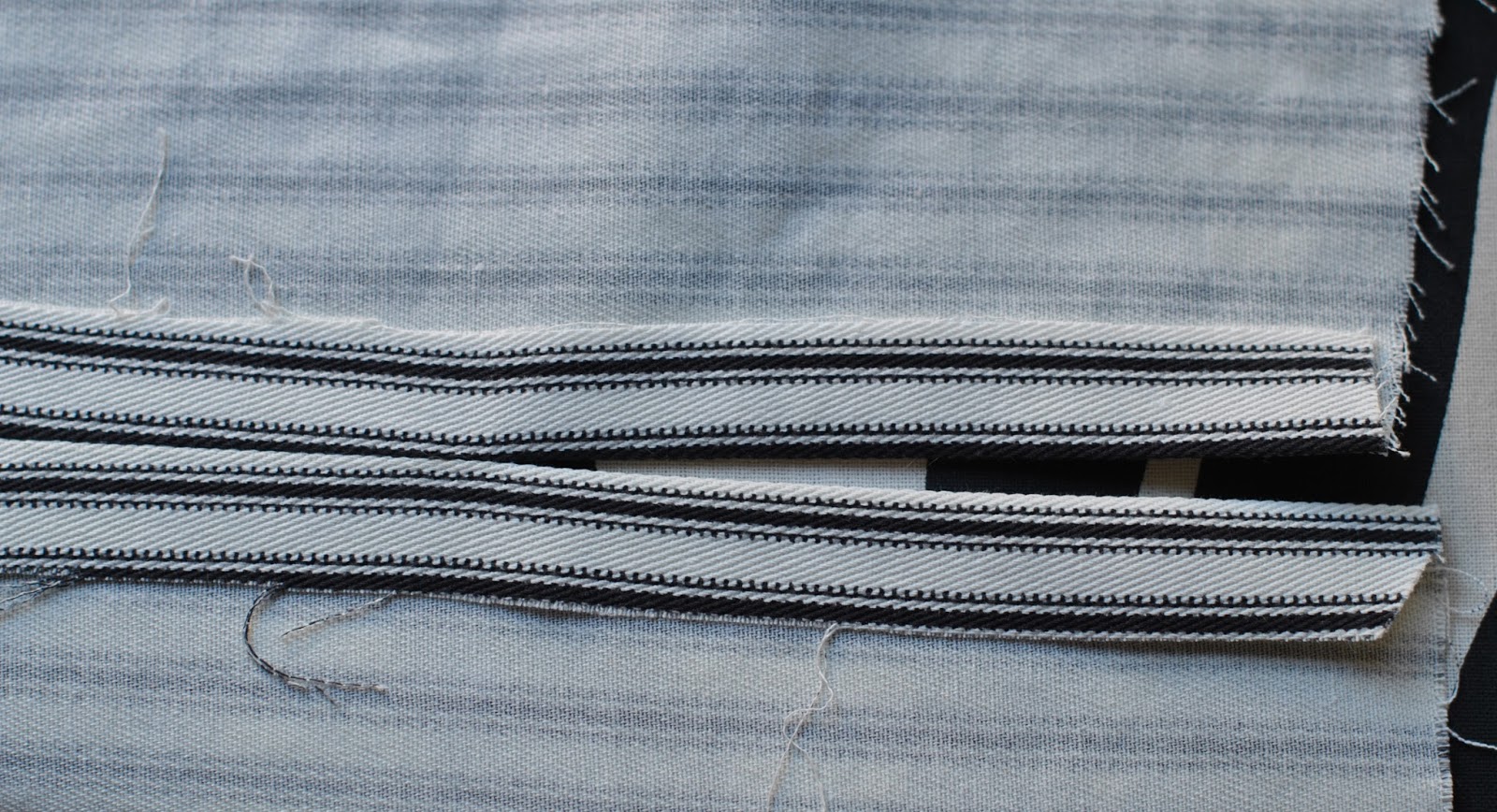
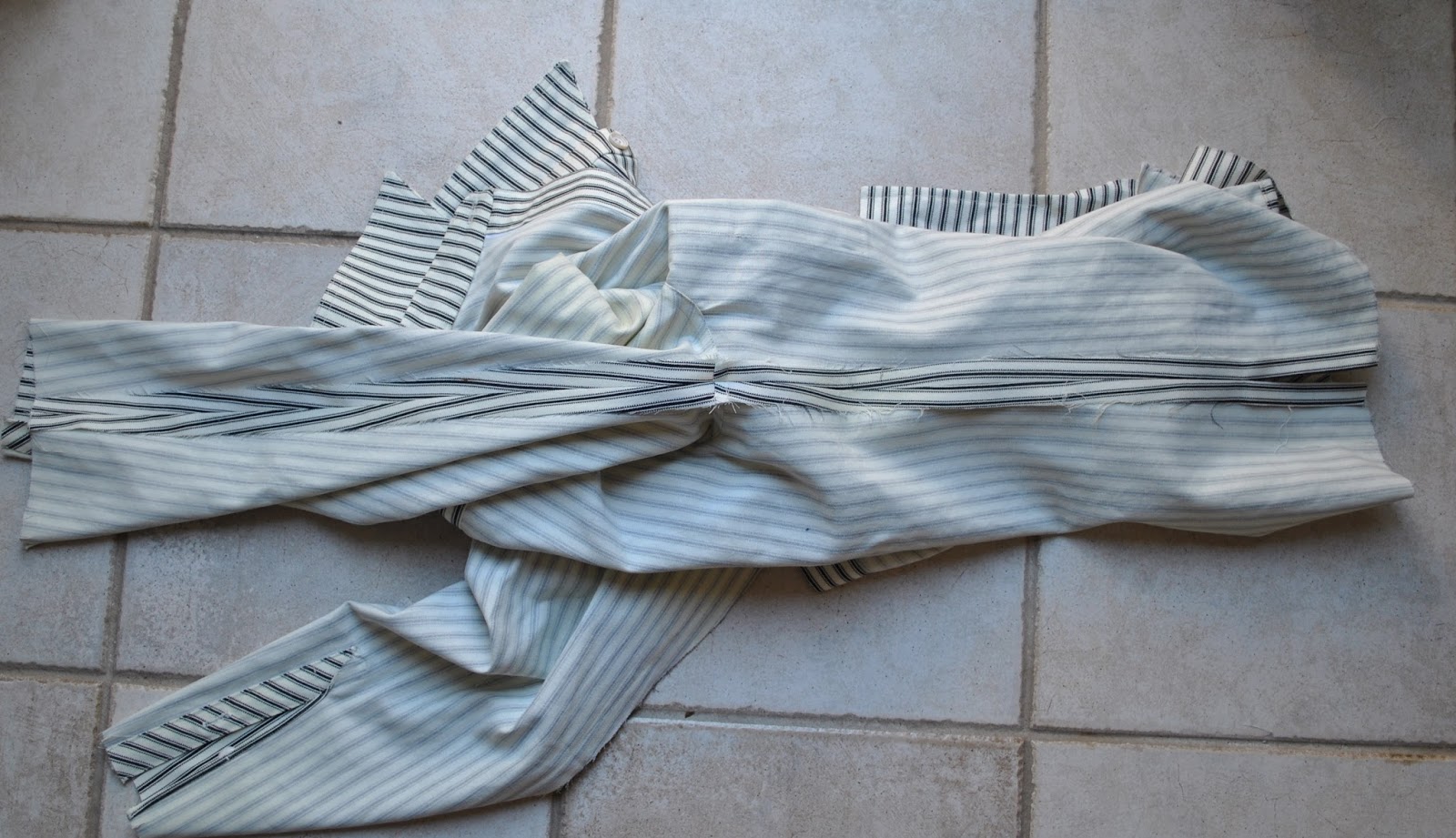
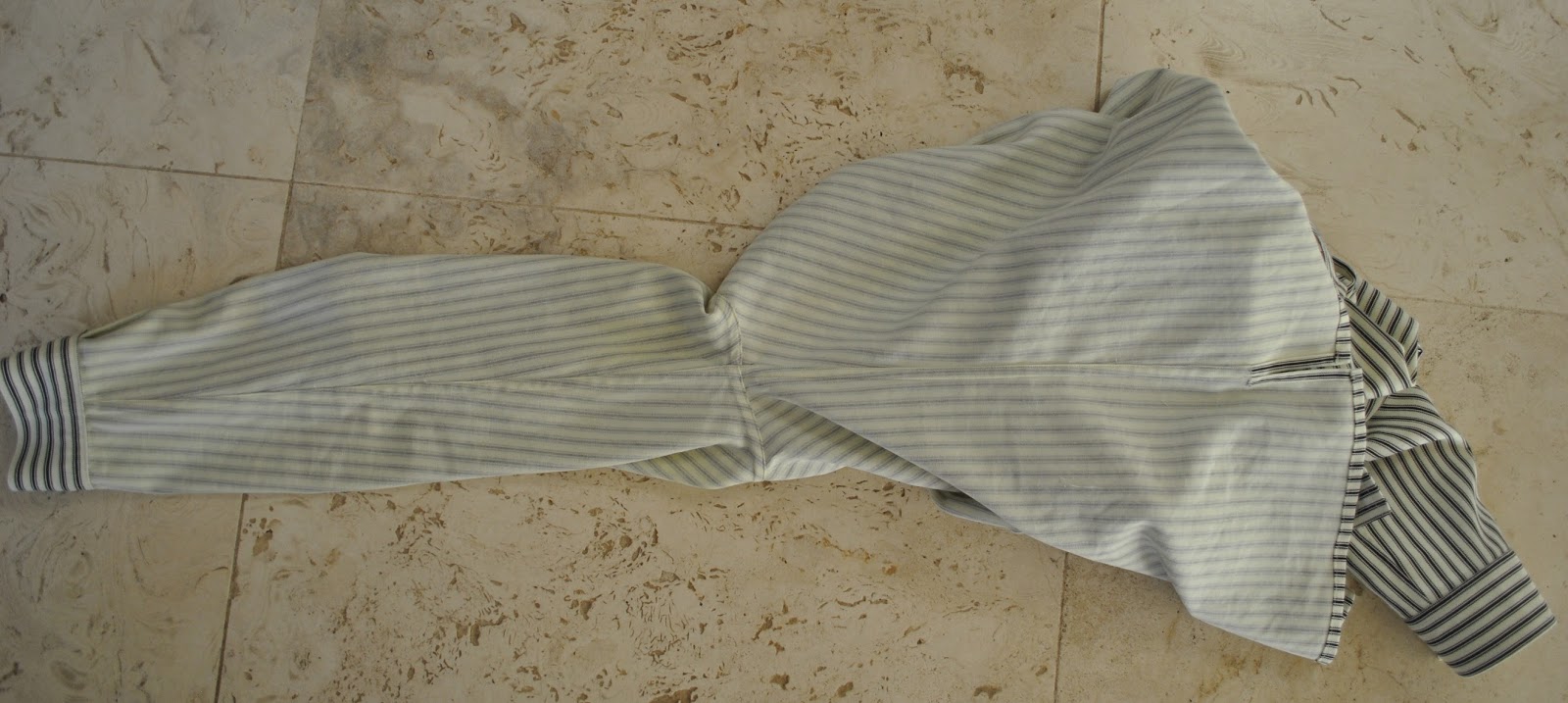
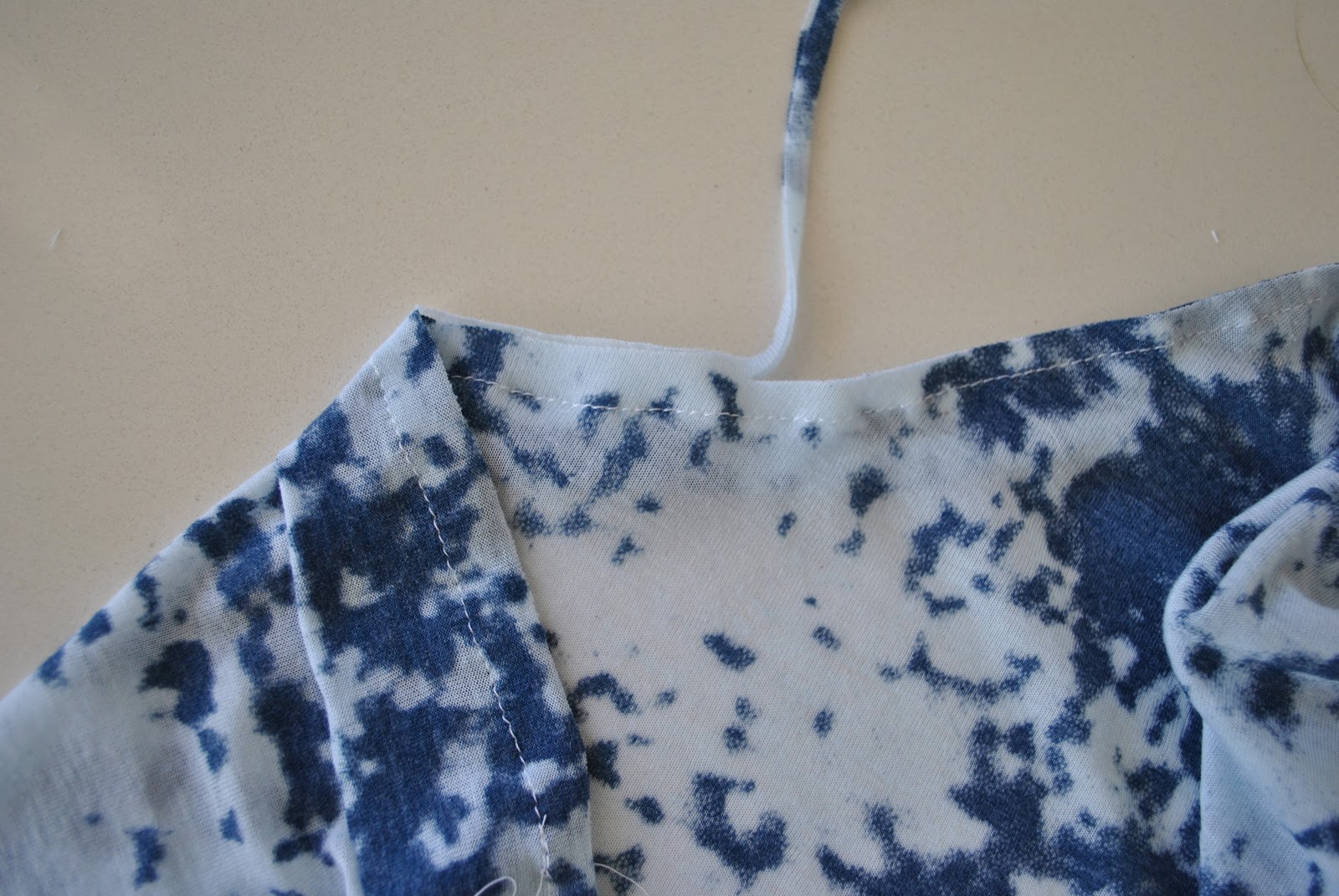
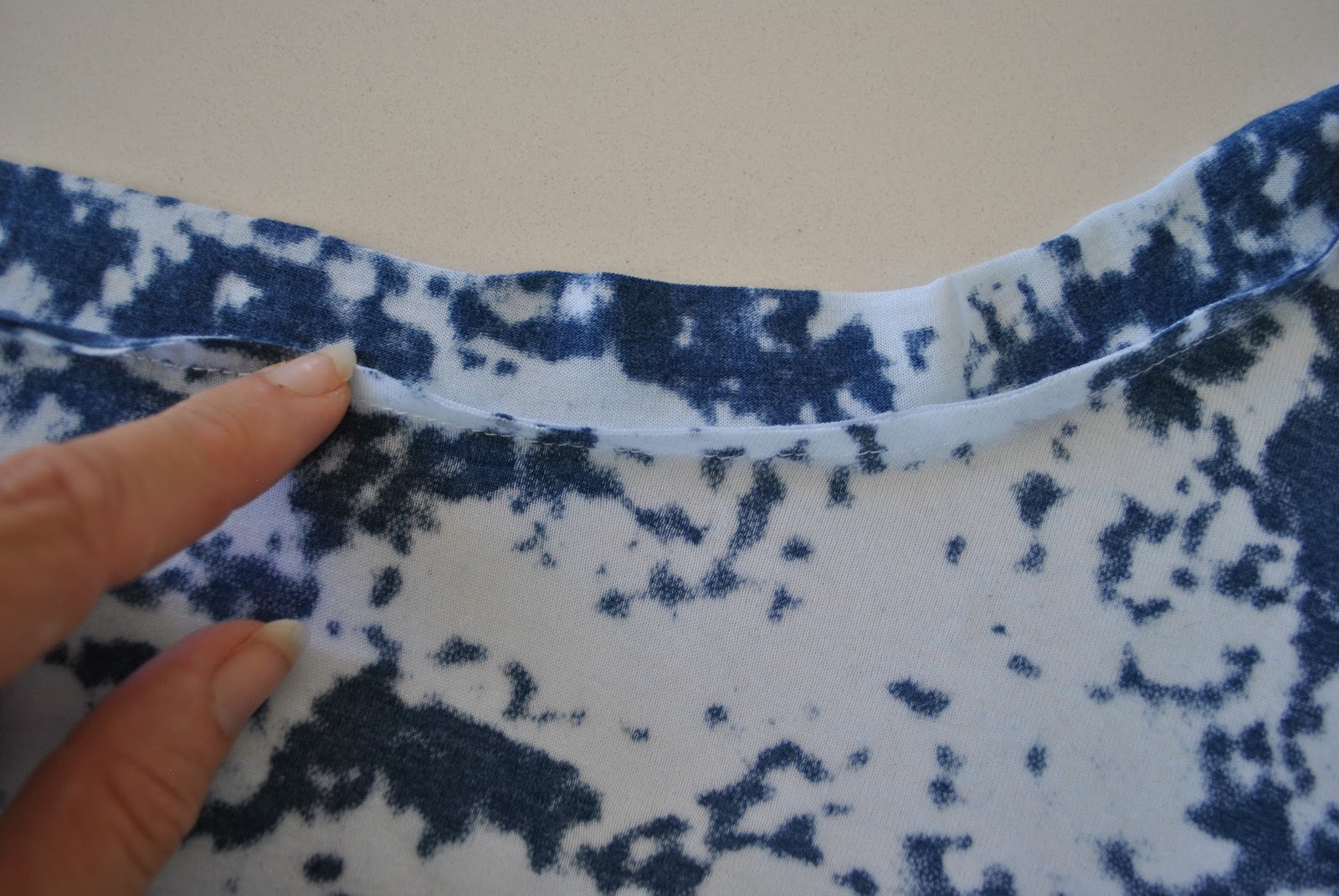
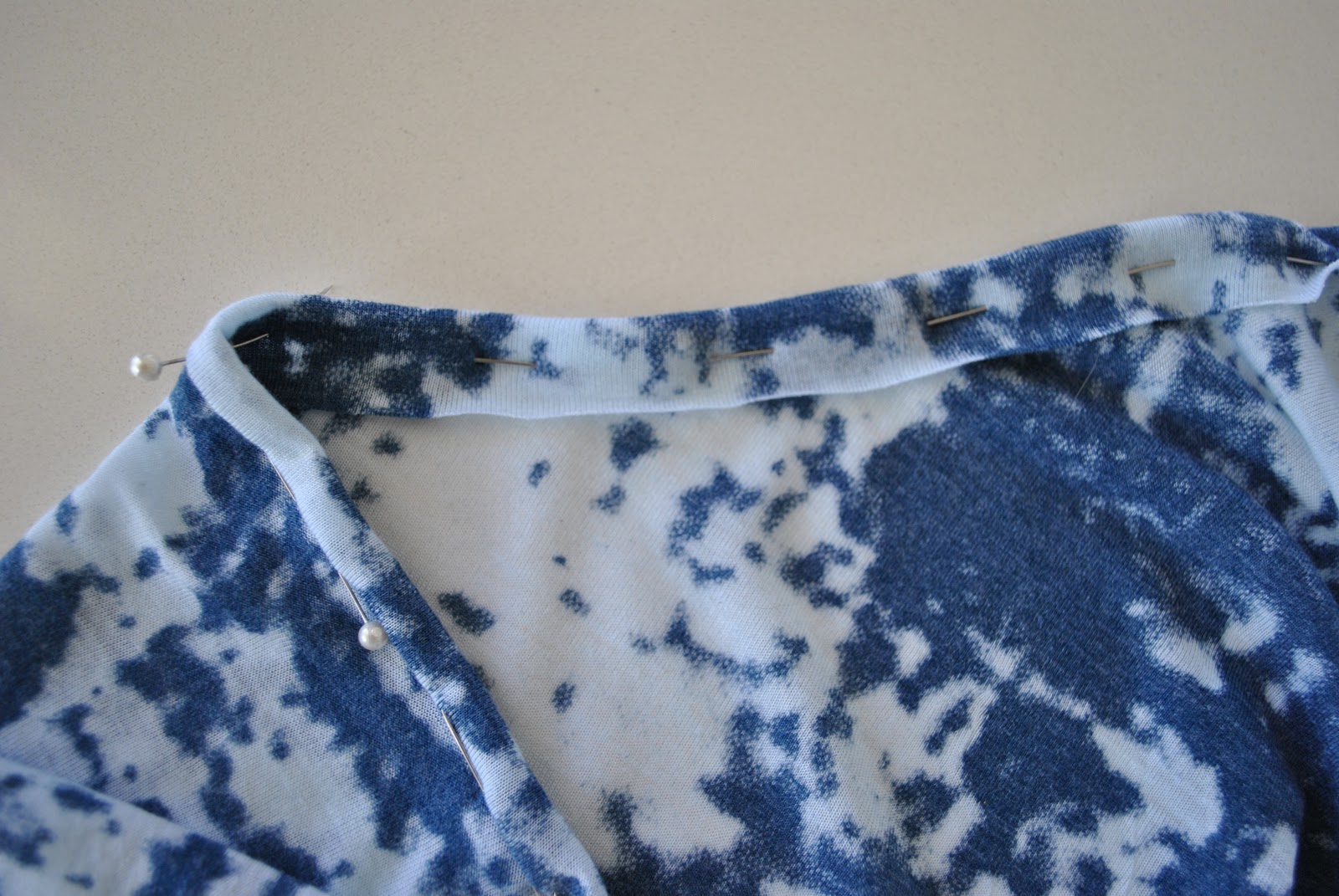
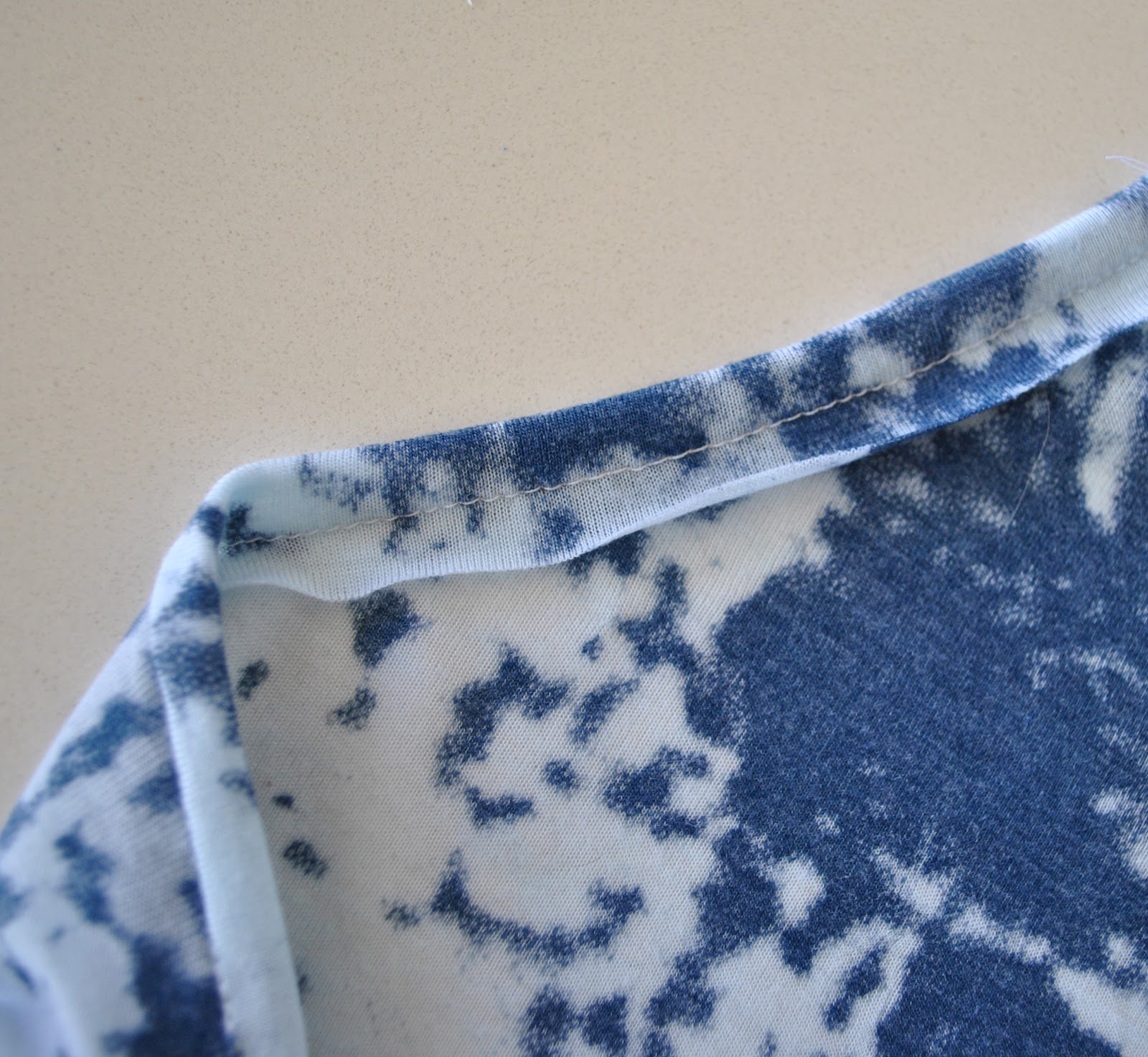
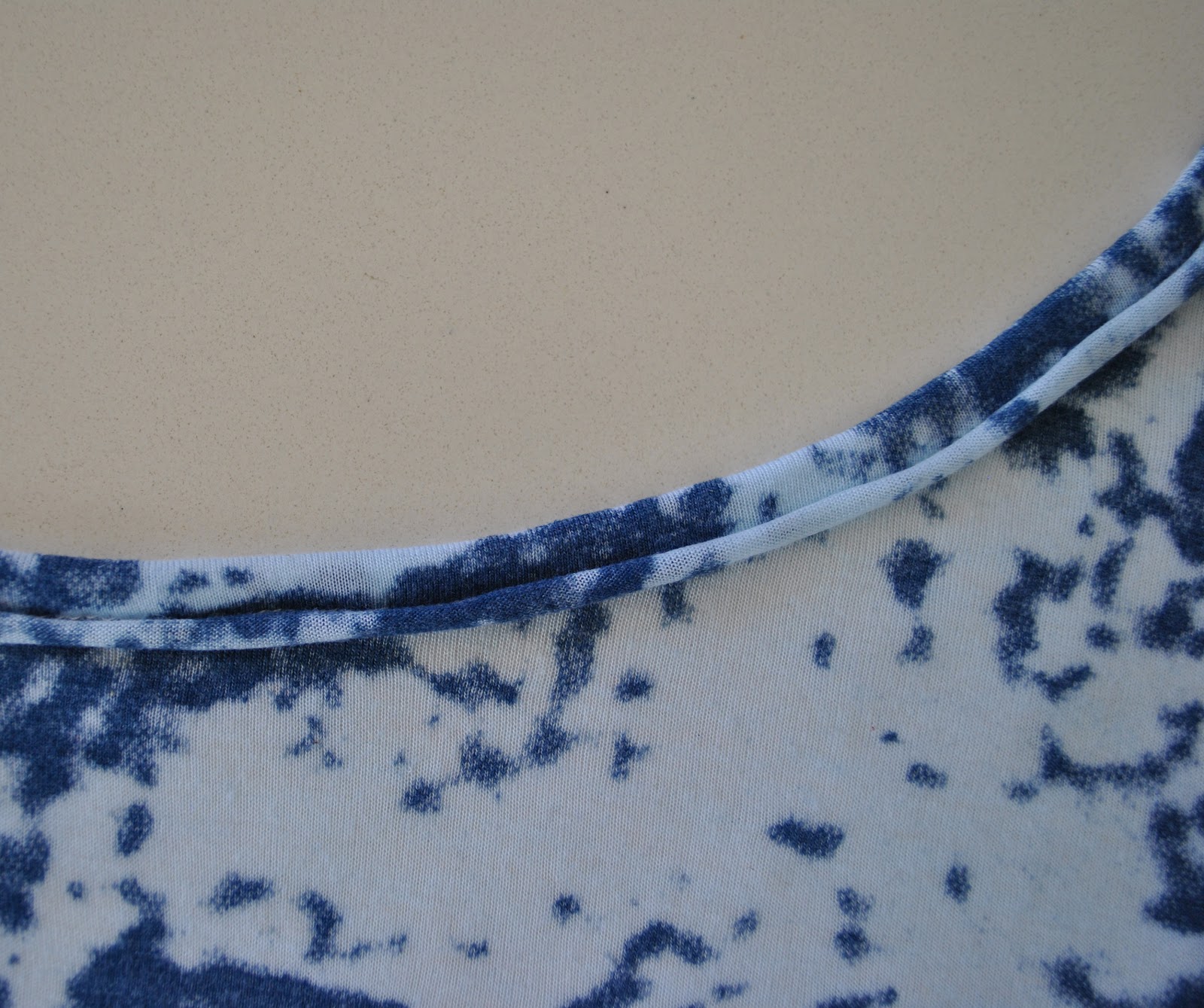
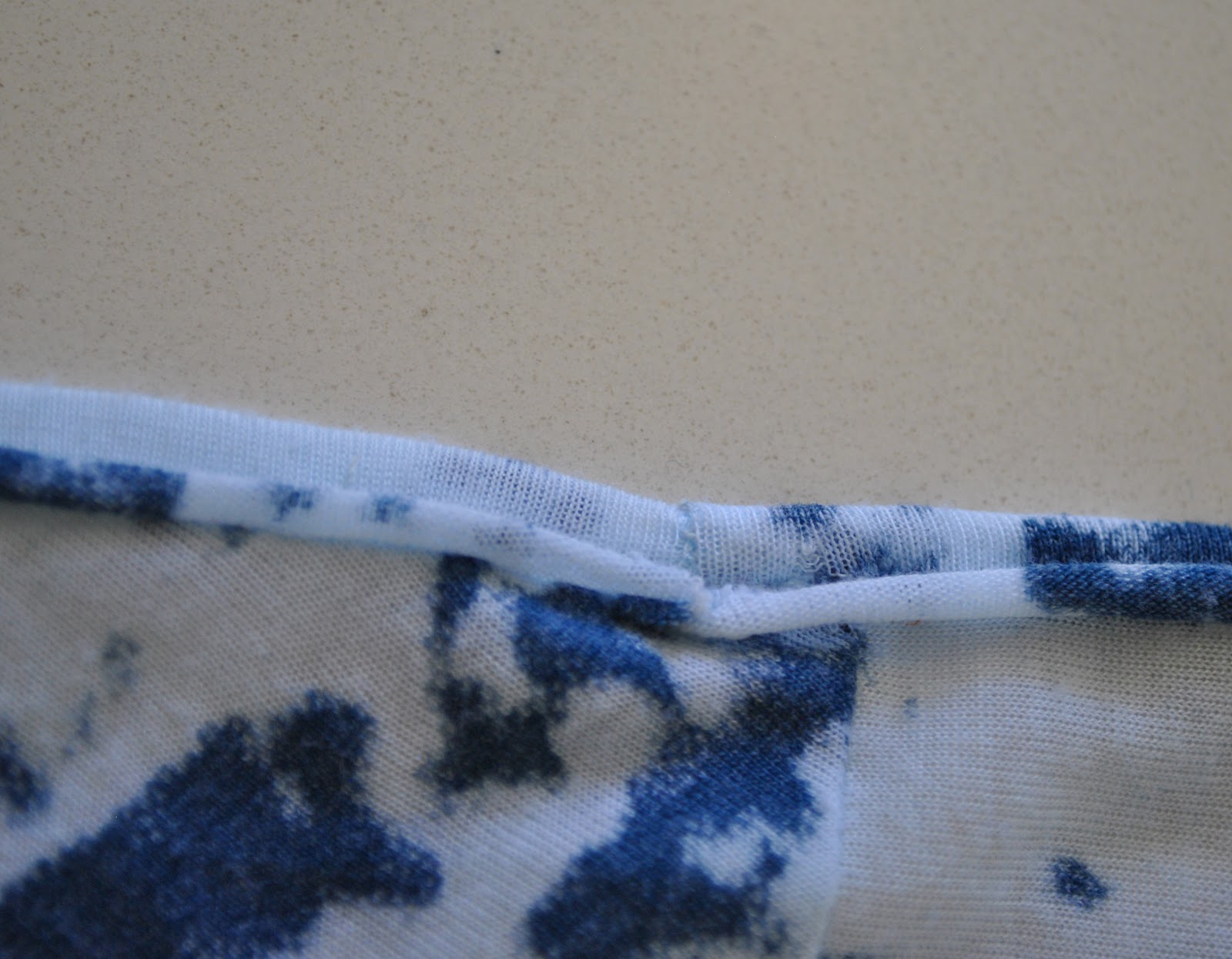
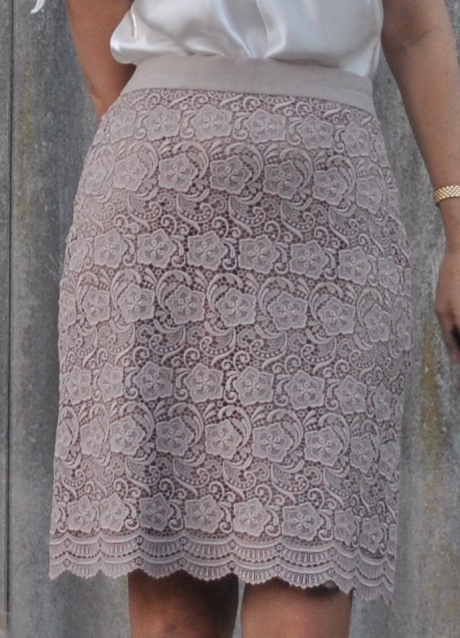
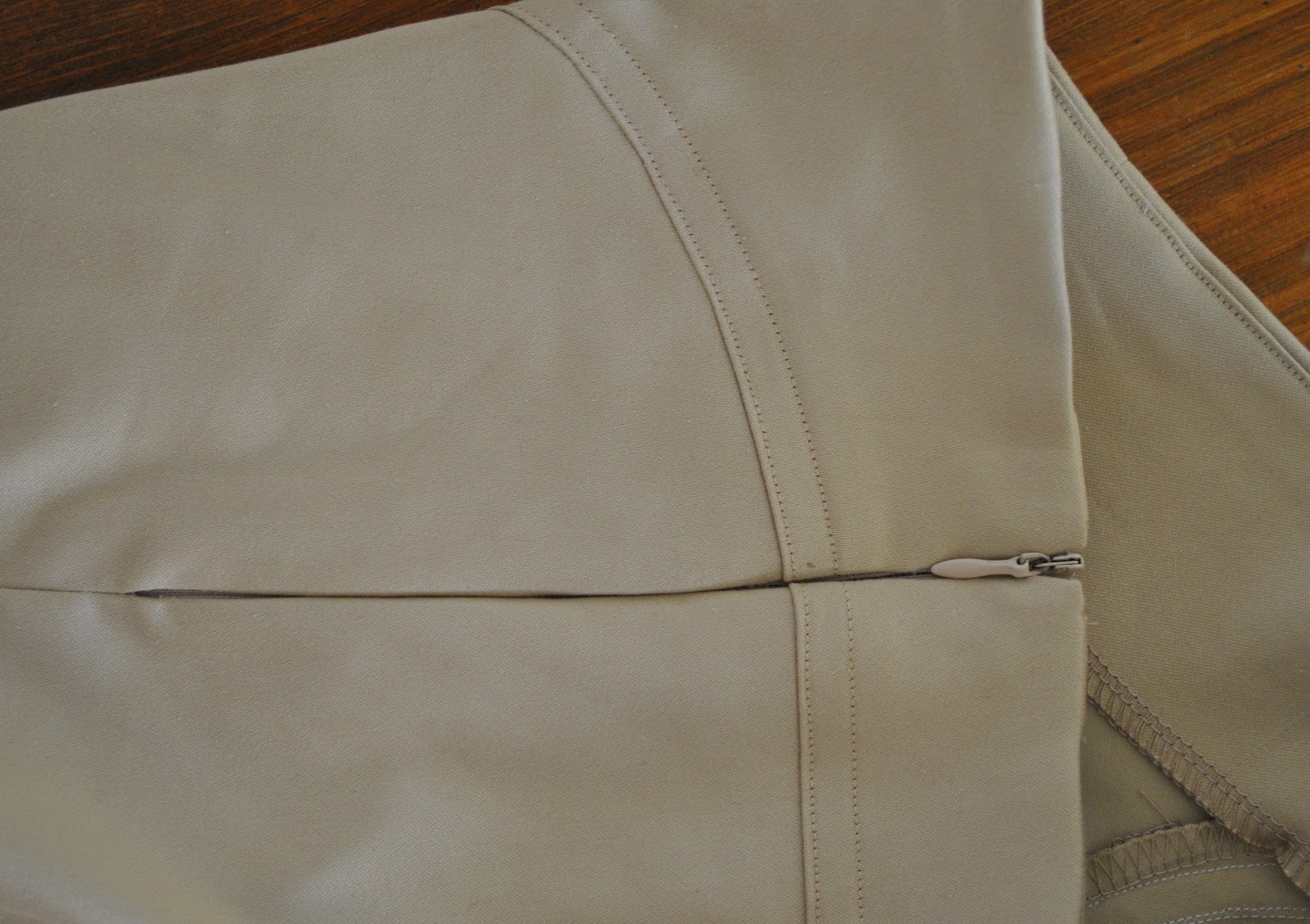
I took a few photos while constructing the waistband of my new capri pants to illustrate a few of my own finishing methods, but first…
Online sewing tutorials.
Since starting my blog I have penned a few of my own sewing tutorials; snapping photos and writing happily and freely about my methods… but lately hesitation has crept in…
why? because scathing criticisms of online amateur sewing tutorials have popped up in the previously harmonious bloggy sewing world. Some people out there loathe and detest them…. on the other hand, some people find satisfaction in seeing the inner workings of other people’s sewing projects. Personally I do too… when they are done well. I don’t enjoy seeing close-ups of snafu’s or obvious stuff ups. If I have made a glaring mistake I prefer to unpick it, take it apart or do whatever possible to fix it up, not take a photo and show it off!
But I do really enjoy seeing beautiful finishes and inner workings; I strive to make my own the best I can and I like reading about how others achieve the same.
So.
Finishing a facing, on an edge with an invisible zip closure.
The zip is in, and I’ve attached the interfaced waistband facing.
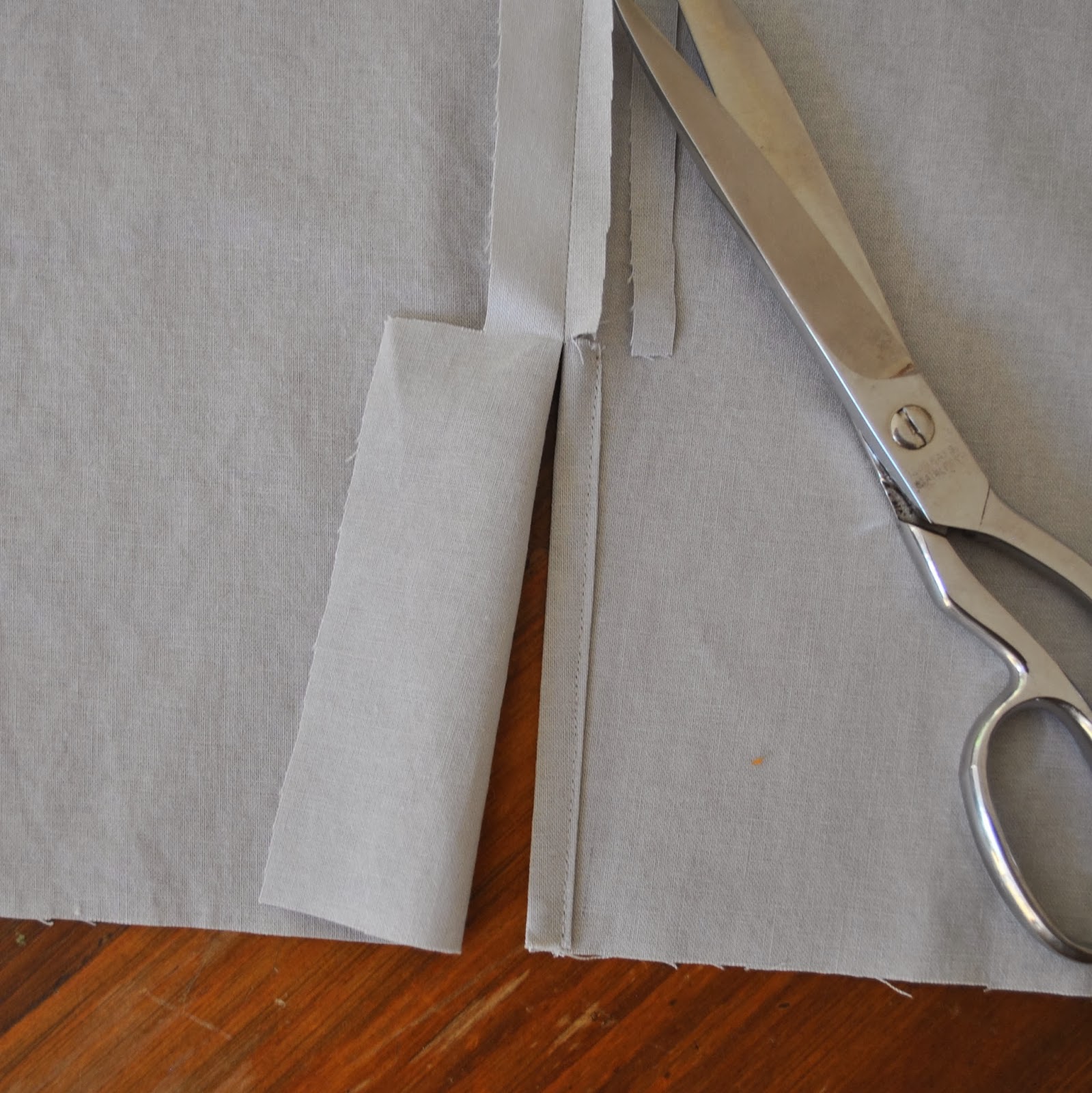
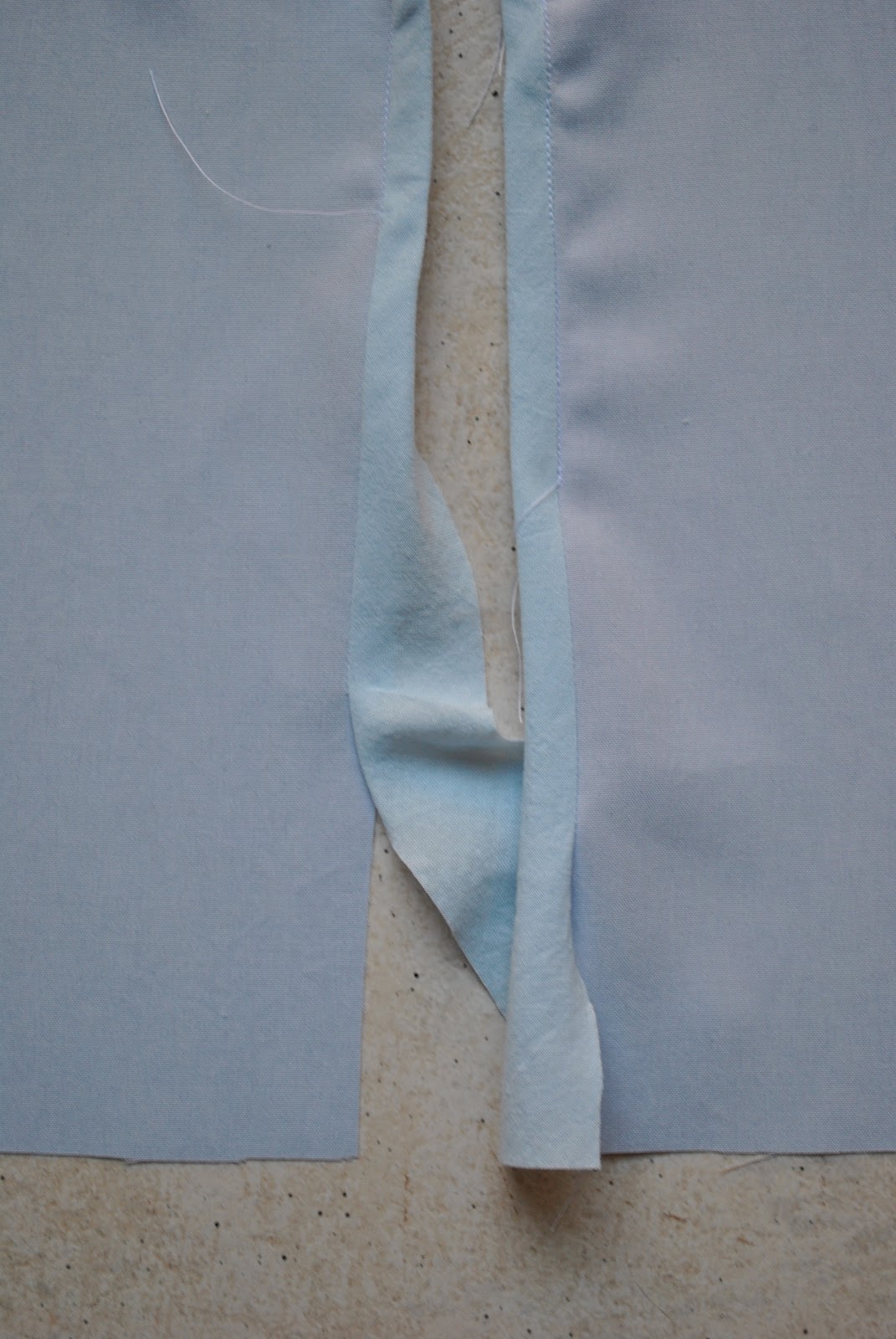
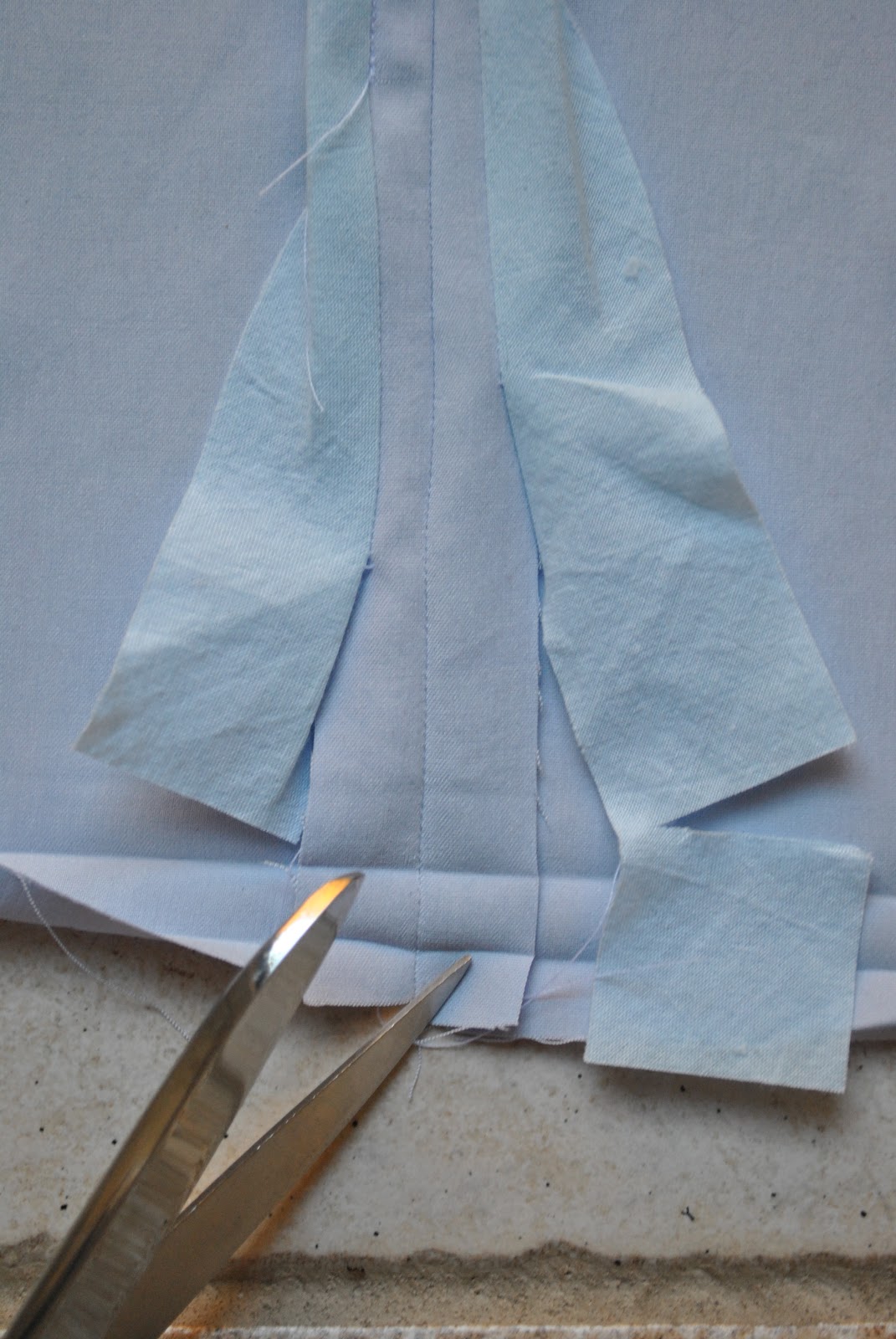
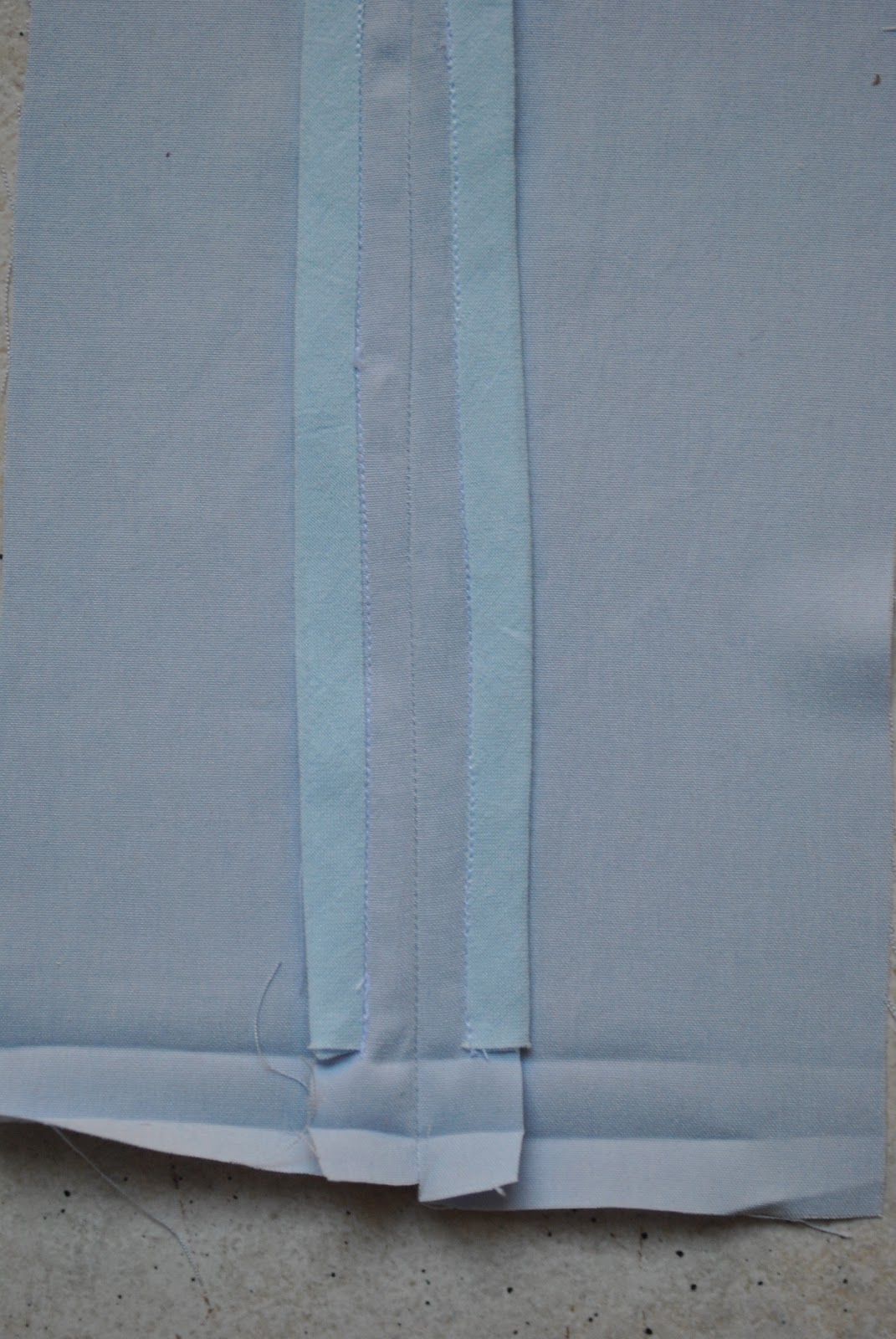
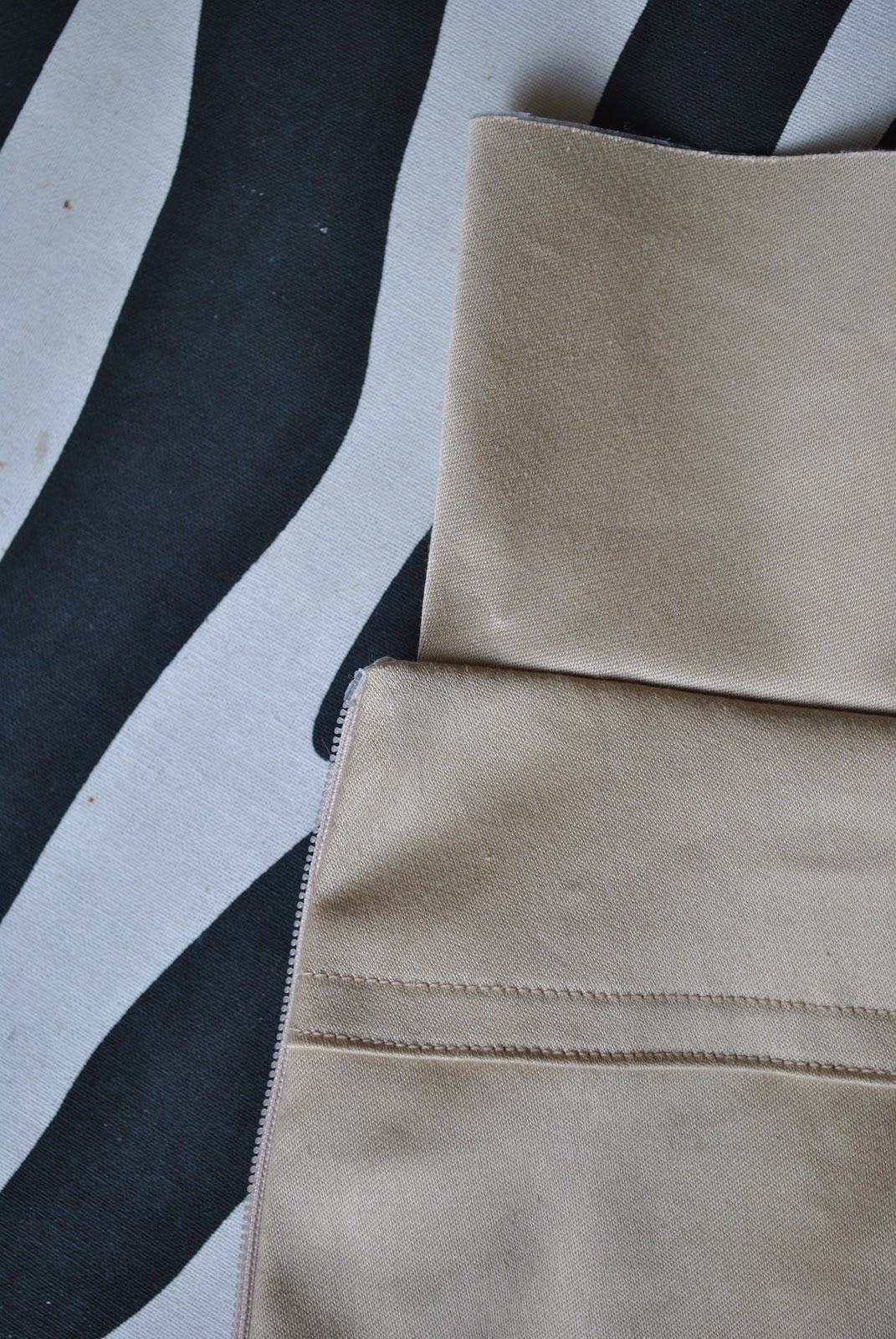
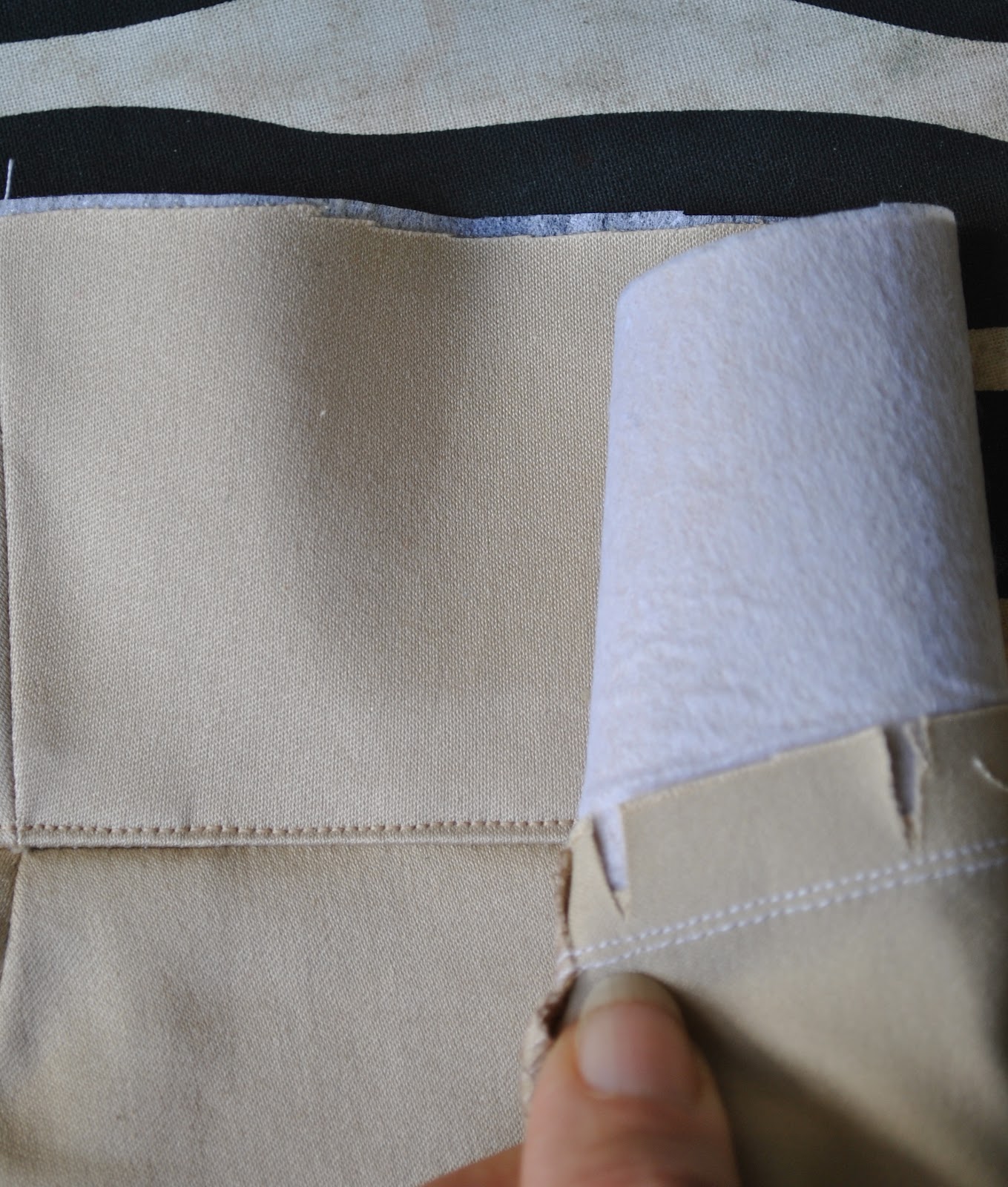
The next step is to trim and clip the seam allowances. My own approach to trimming the seam allowances I have been doing for years, with no concrete memory of where I learnt it: the layers closest to the inside, or closest to your skin are trimmed away the most, graduating from a narrowest layer out to the wider-most layer closest to the outside of the garment, which are trimmed the least. So, the wider allowances are always against the outside of the garment, the narrower ones to the inside.
I rarely trim the stitching of the seam itself away, but trim out to the edge, so as to preserve intact the backwards/forwards securing stitches at the beginning of the seam.

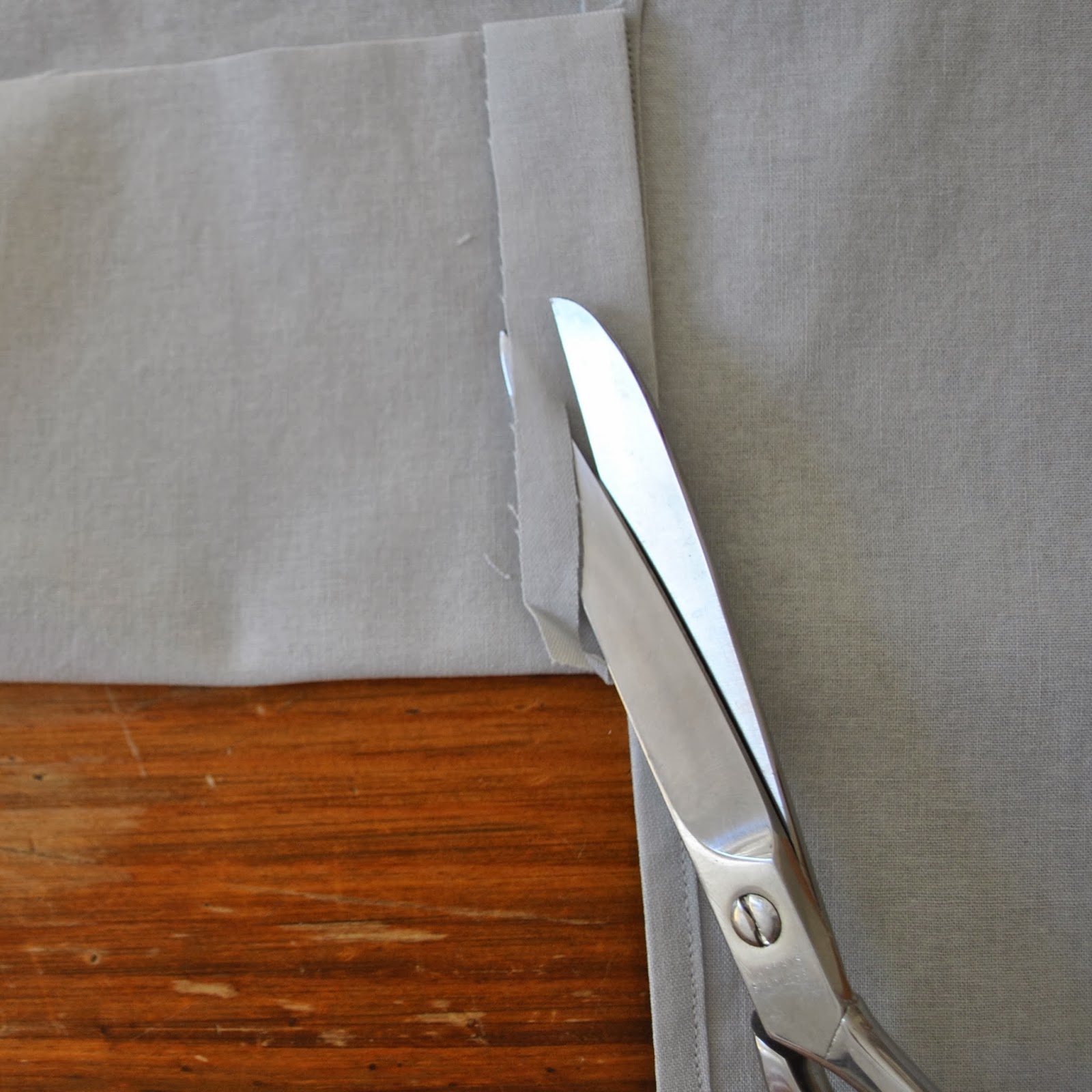
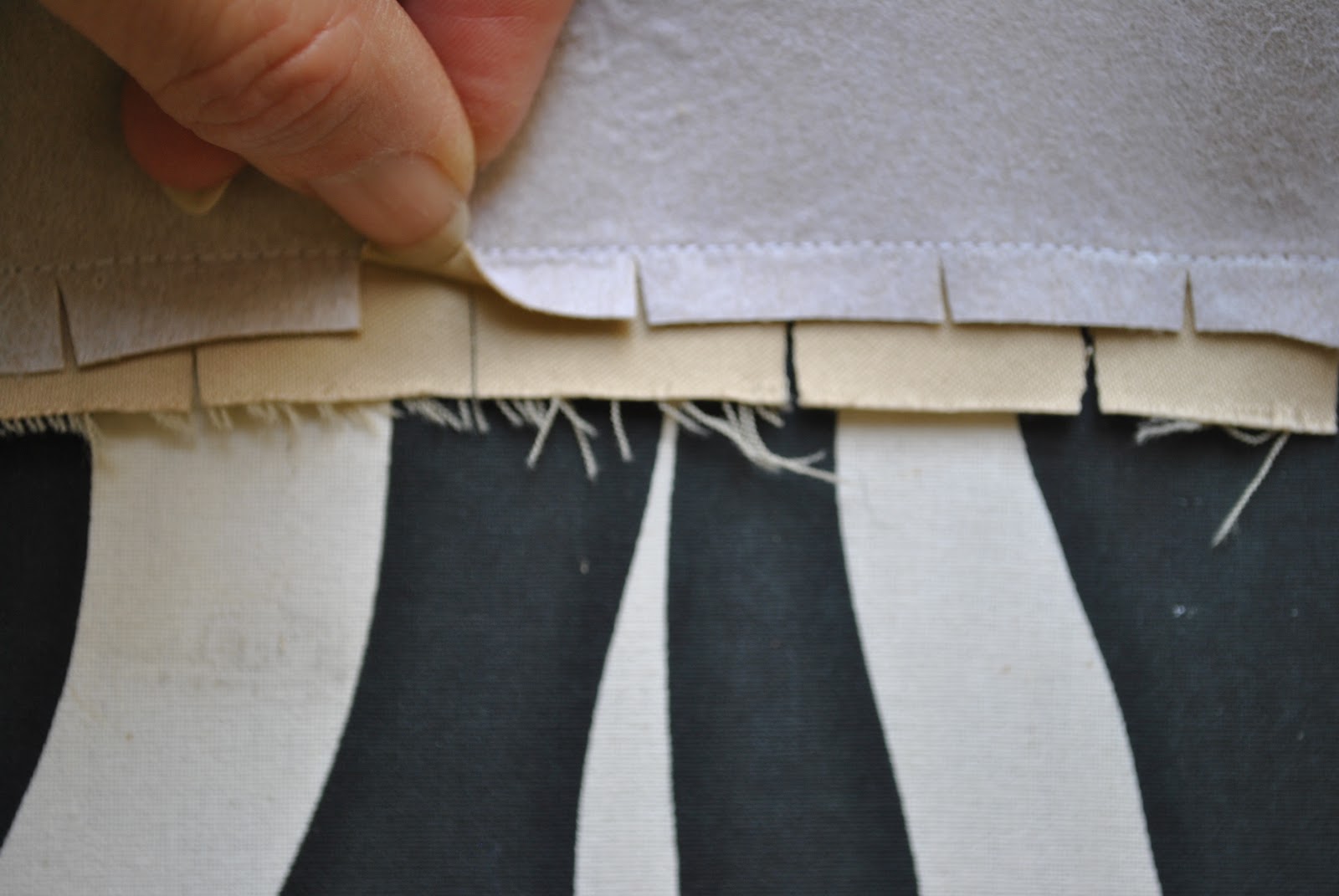
When clipping curves, and especially if the fabric is thick, I sometimes take the precaution of clipping in an offset pattern of clips, like so. This lessens the likelihood of the seam allowances showing up like a little row of “teeth” in embossed shadows around the edge after pressing.

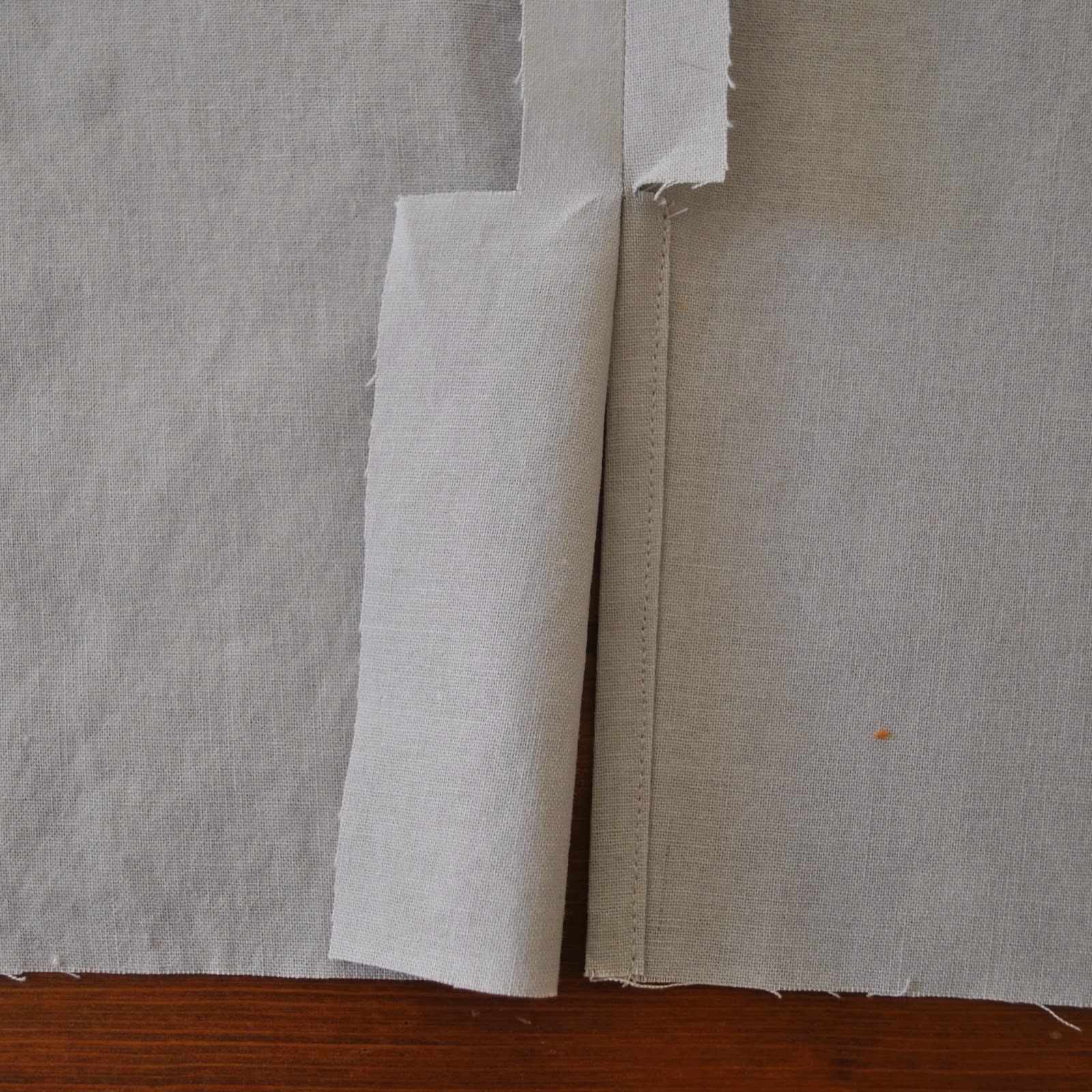
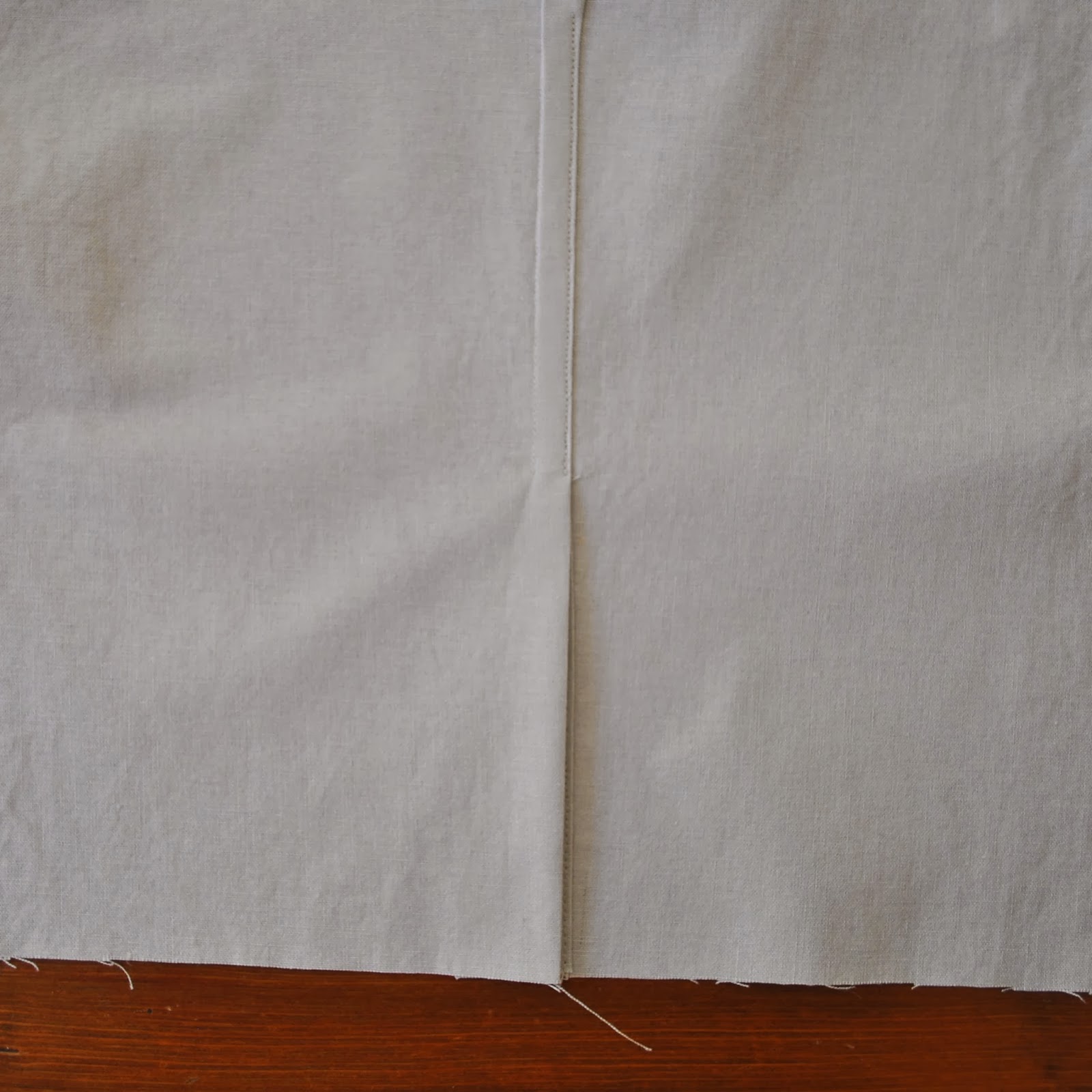
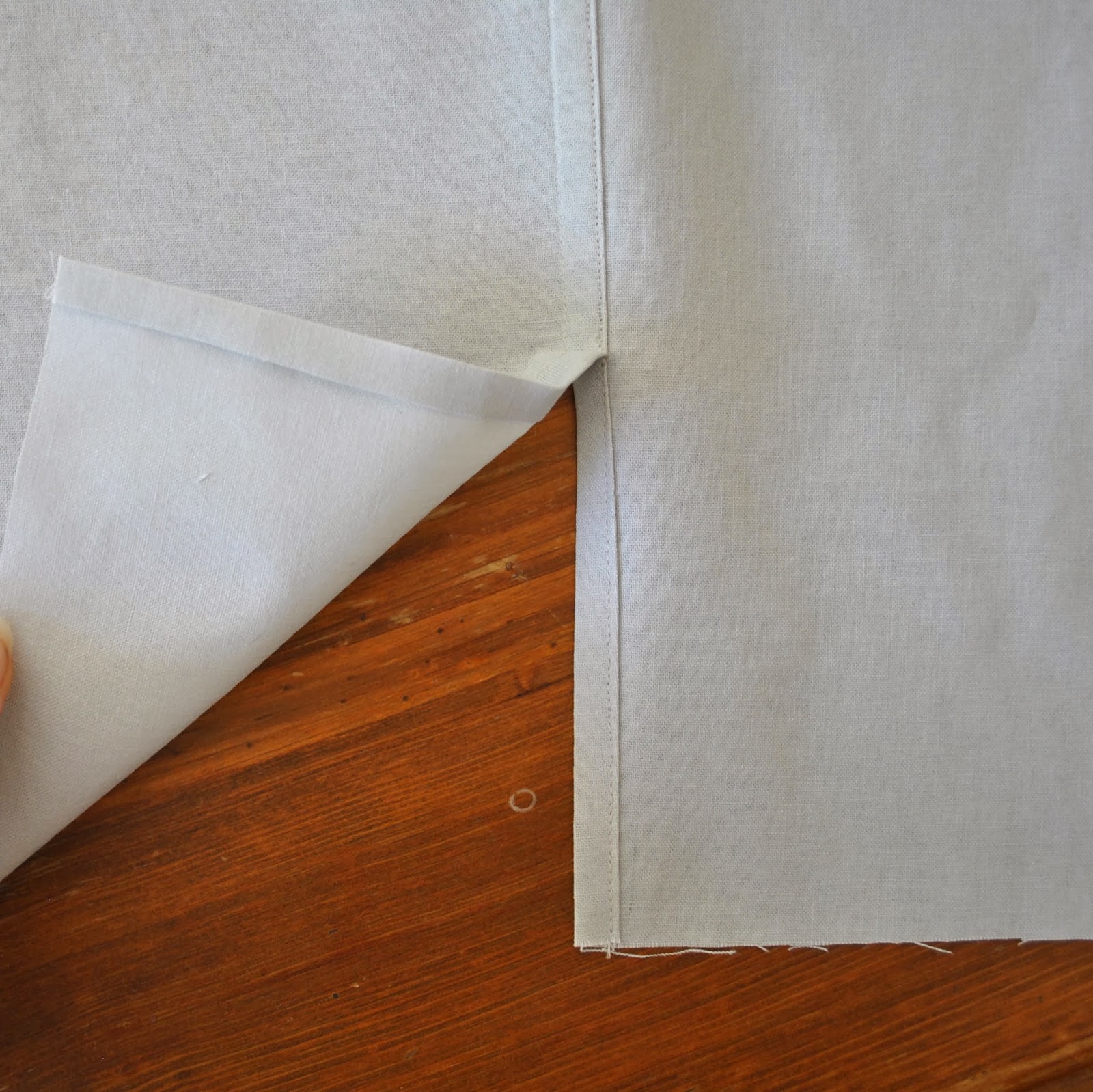
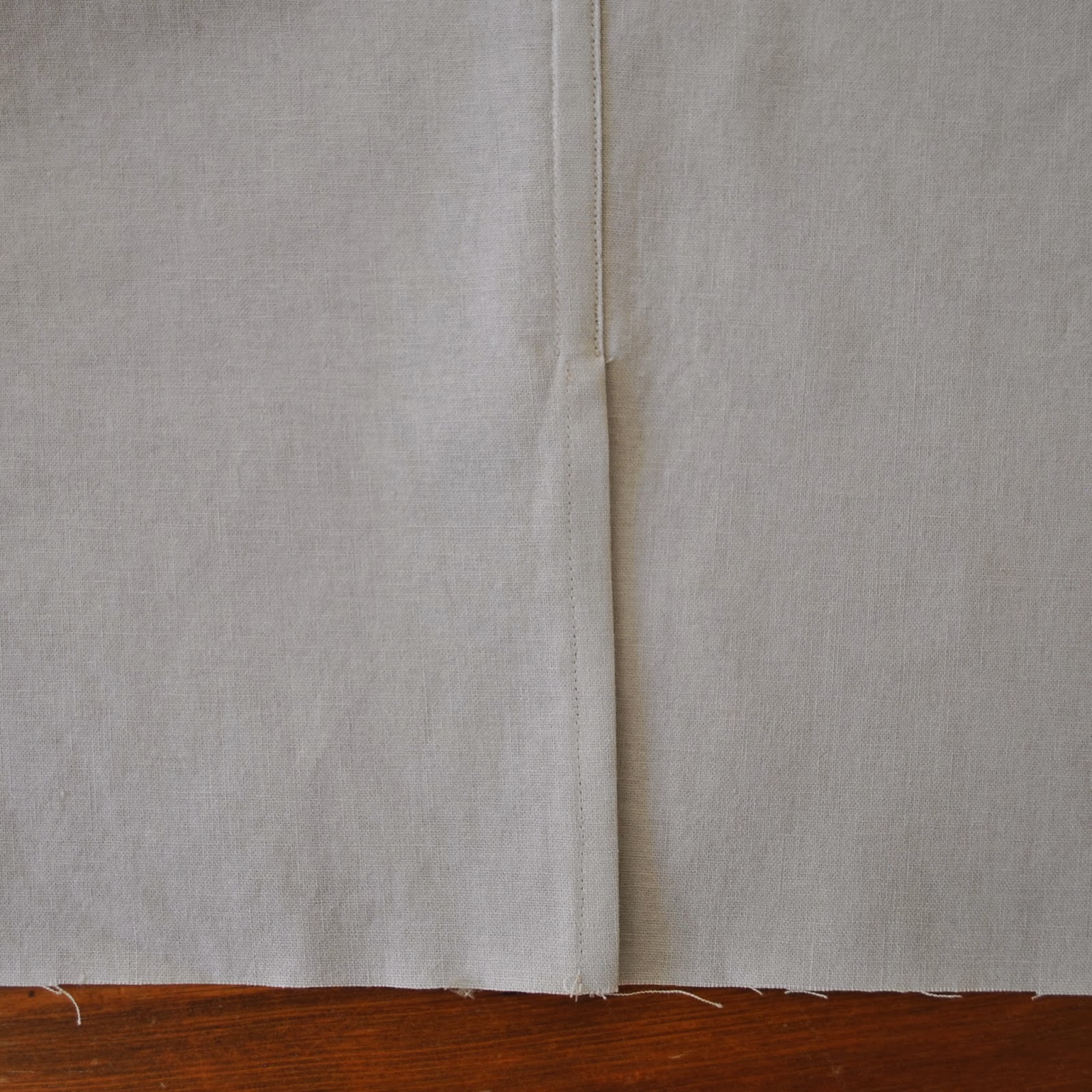
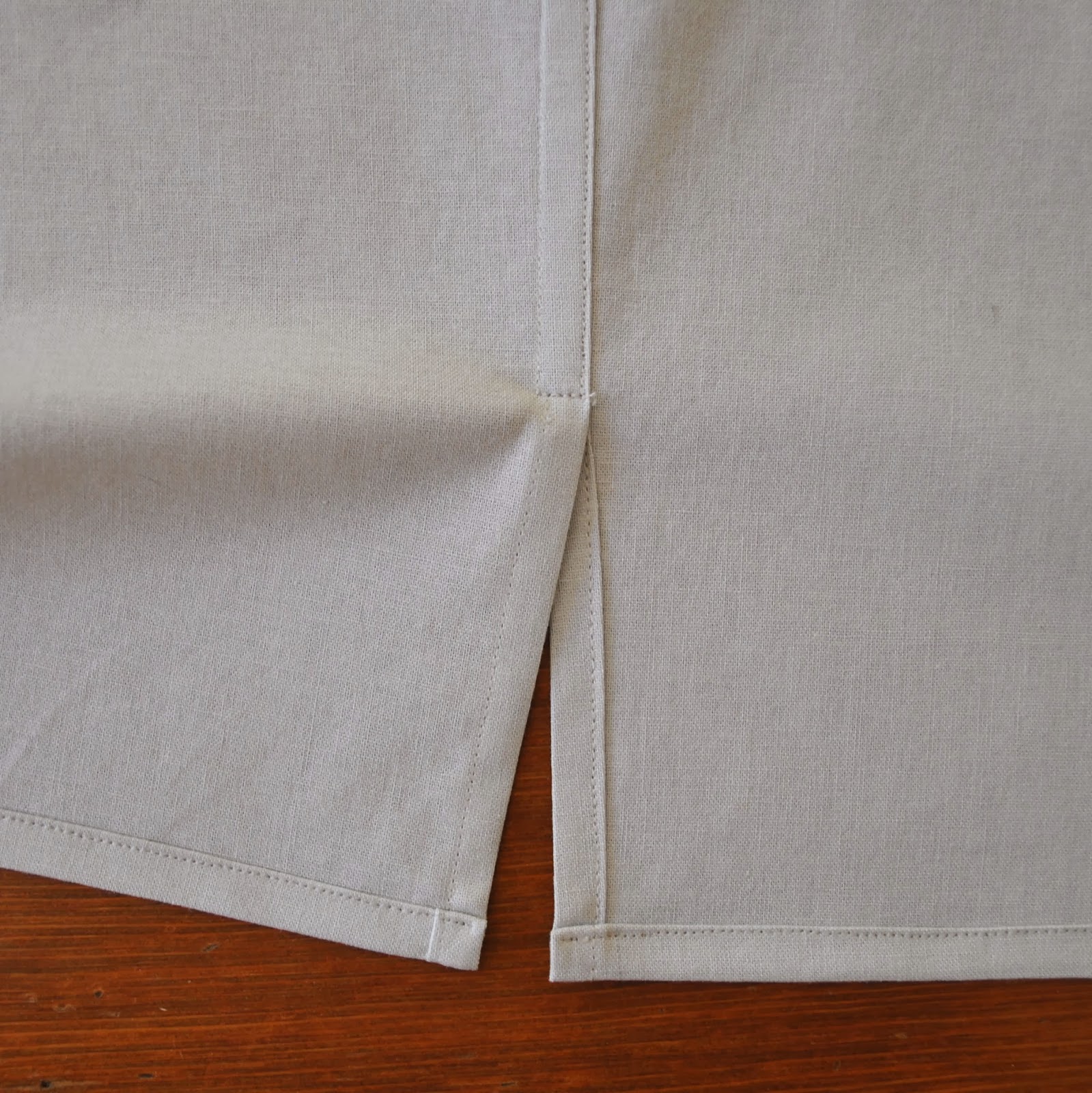
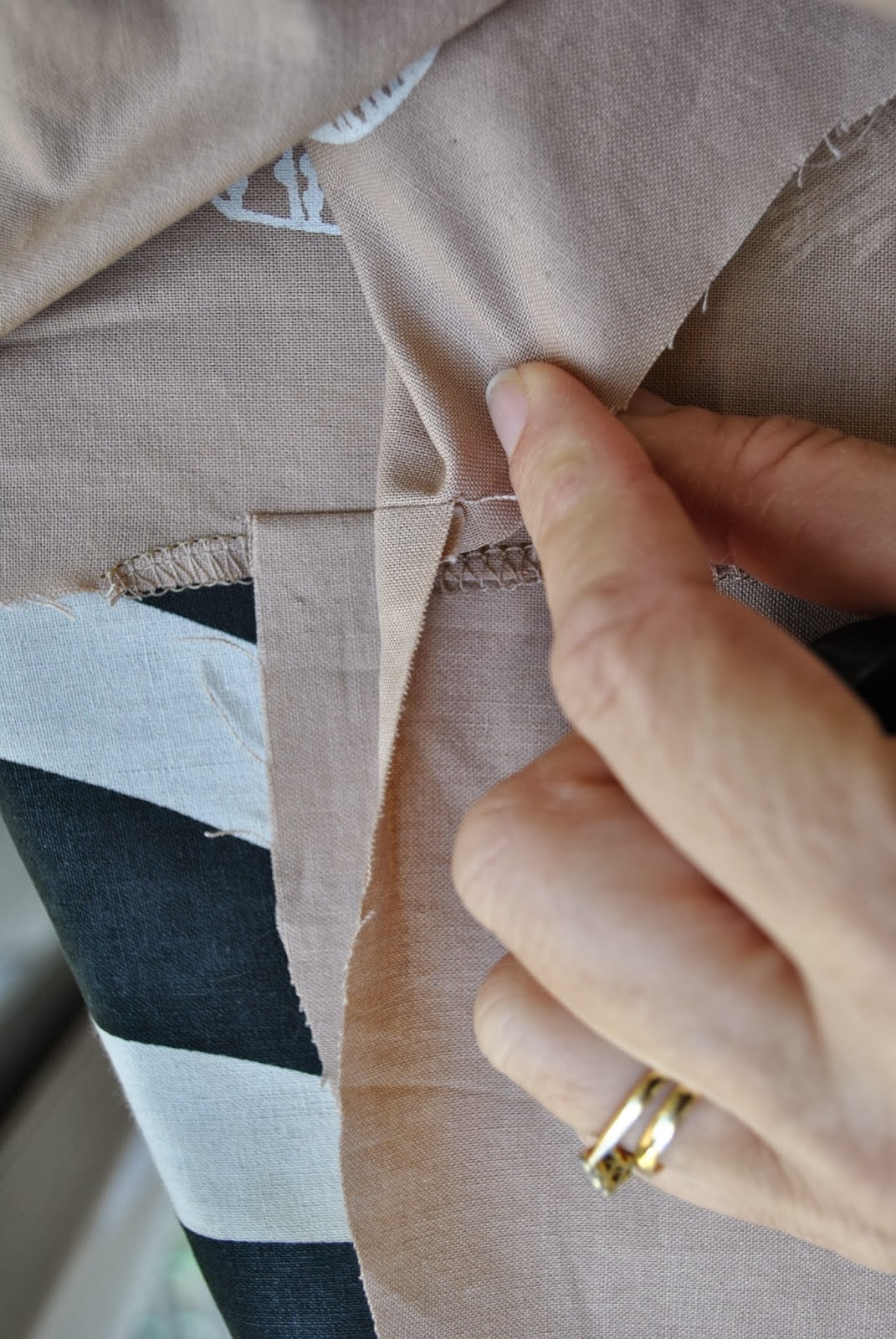
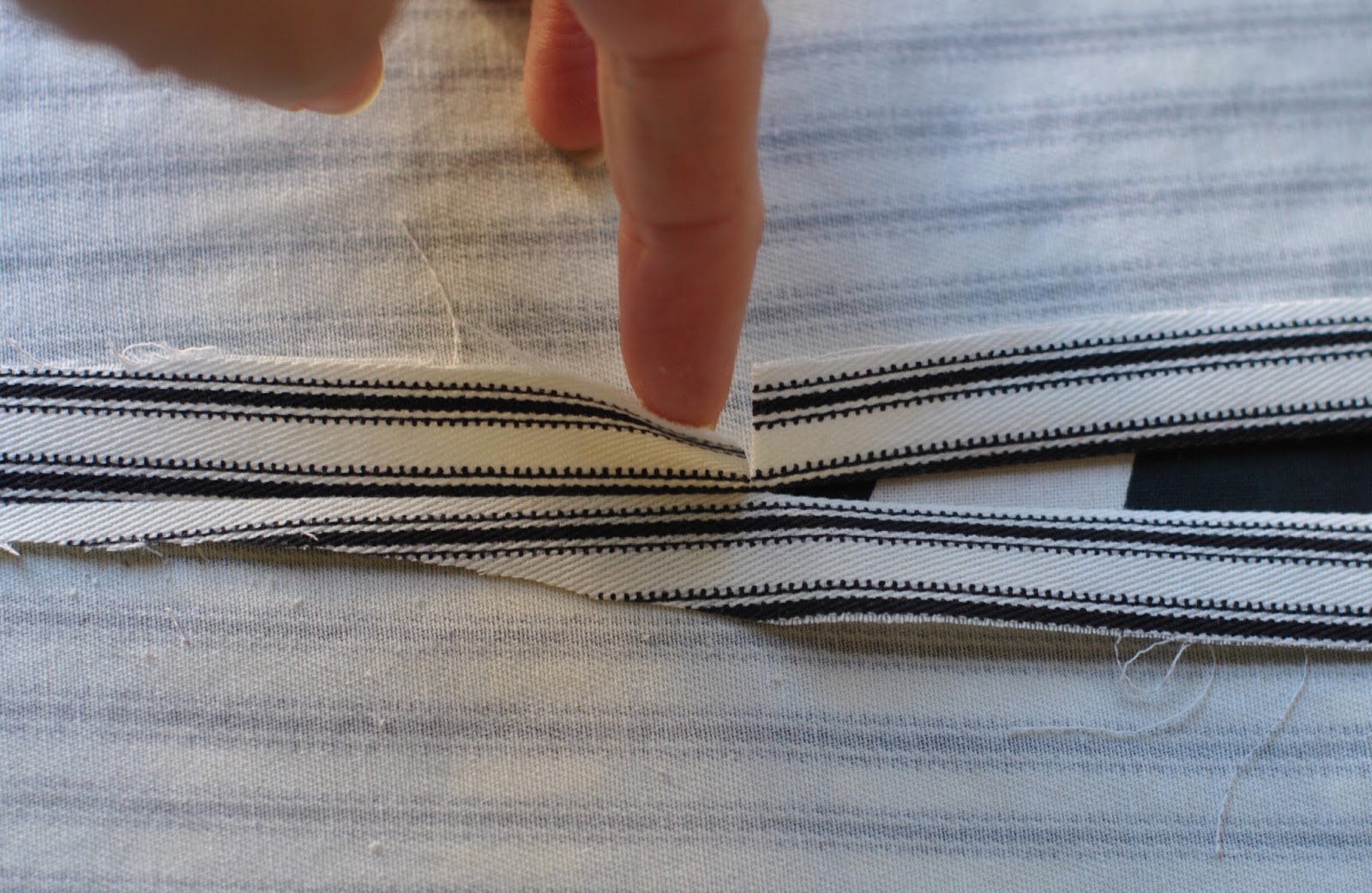
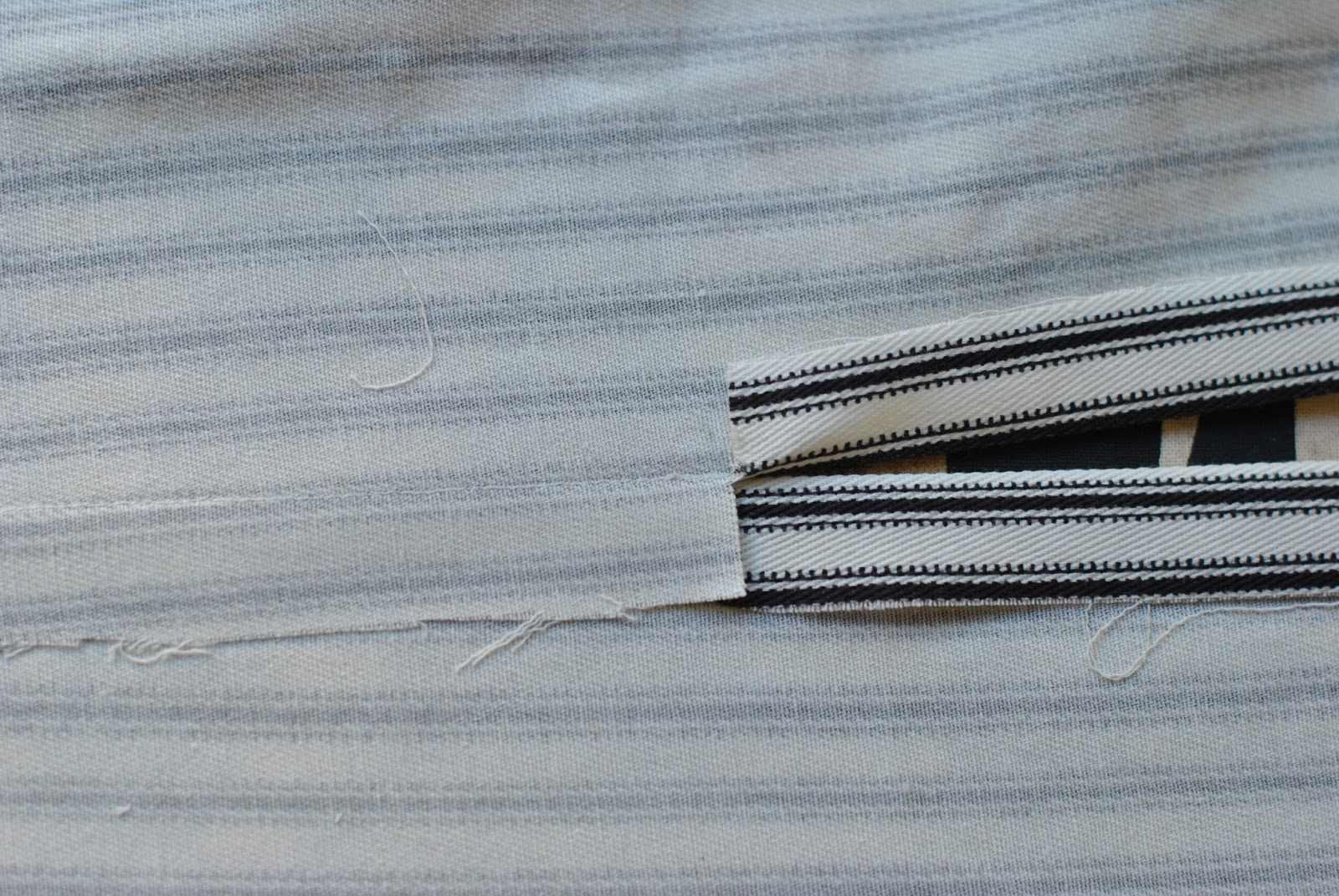
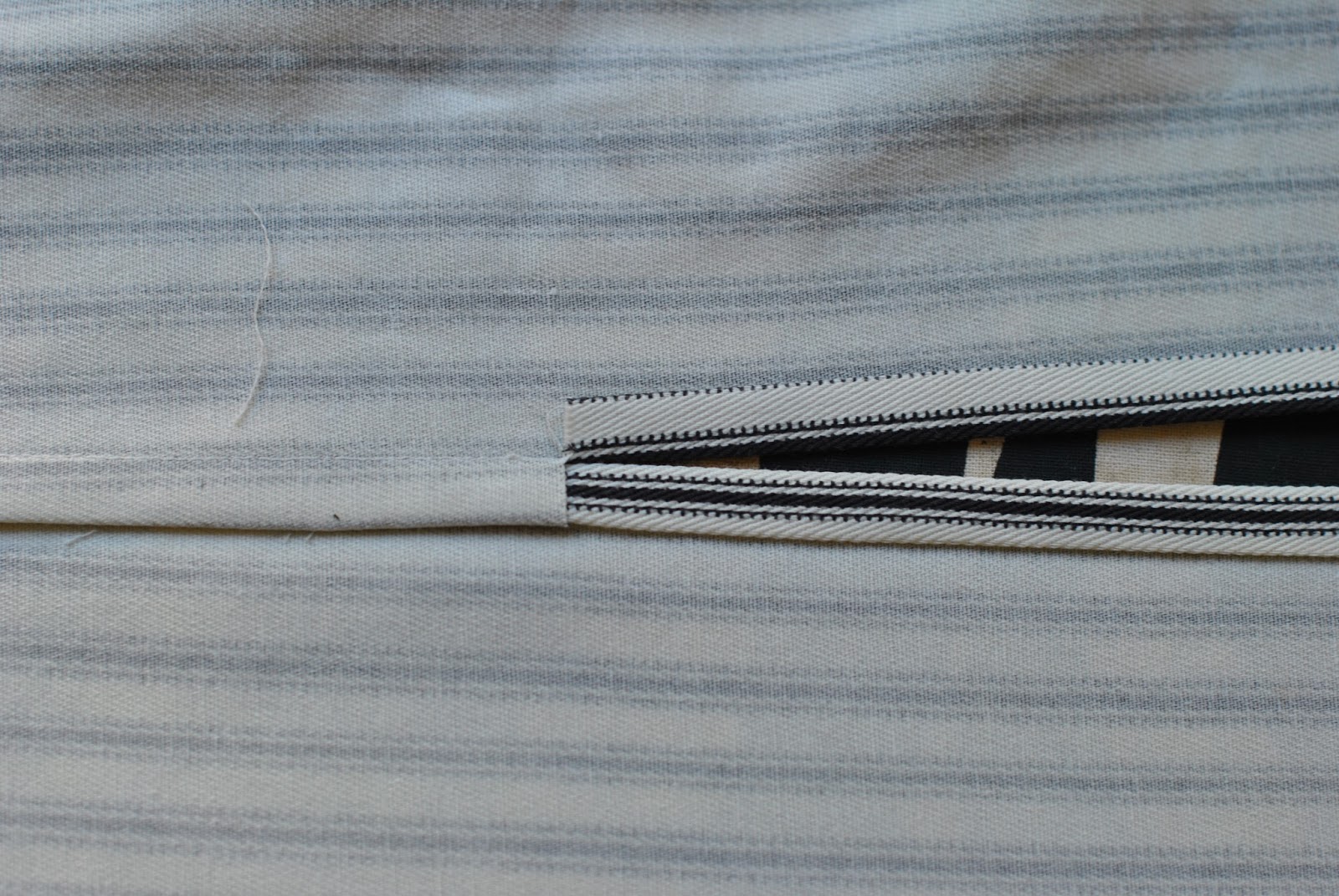
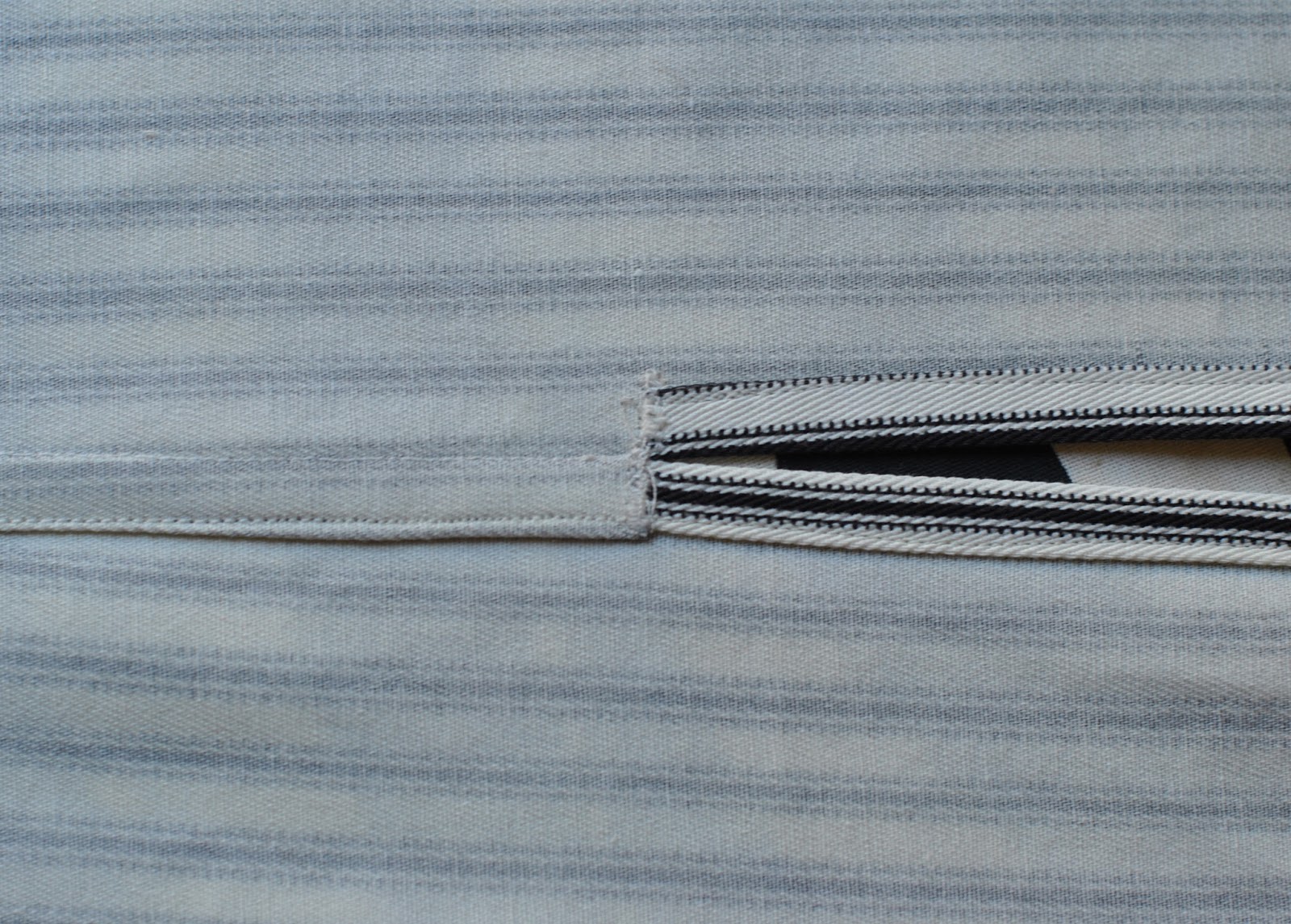
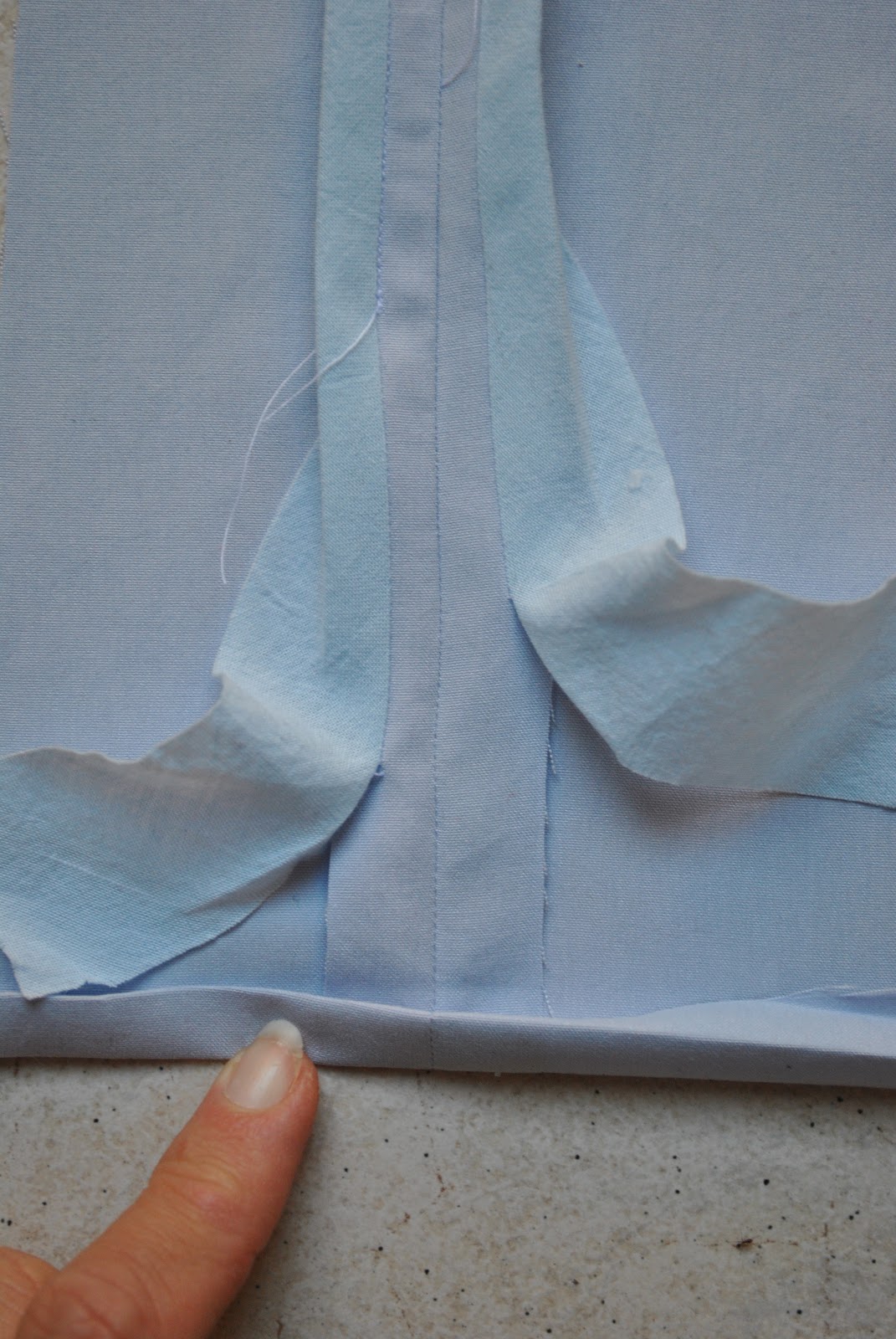
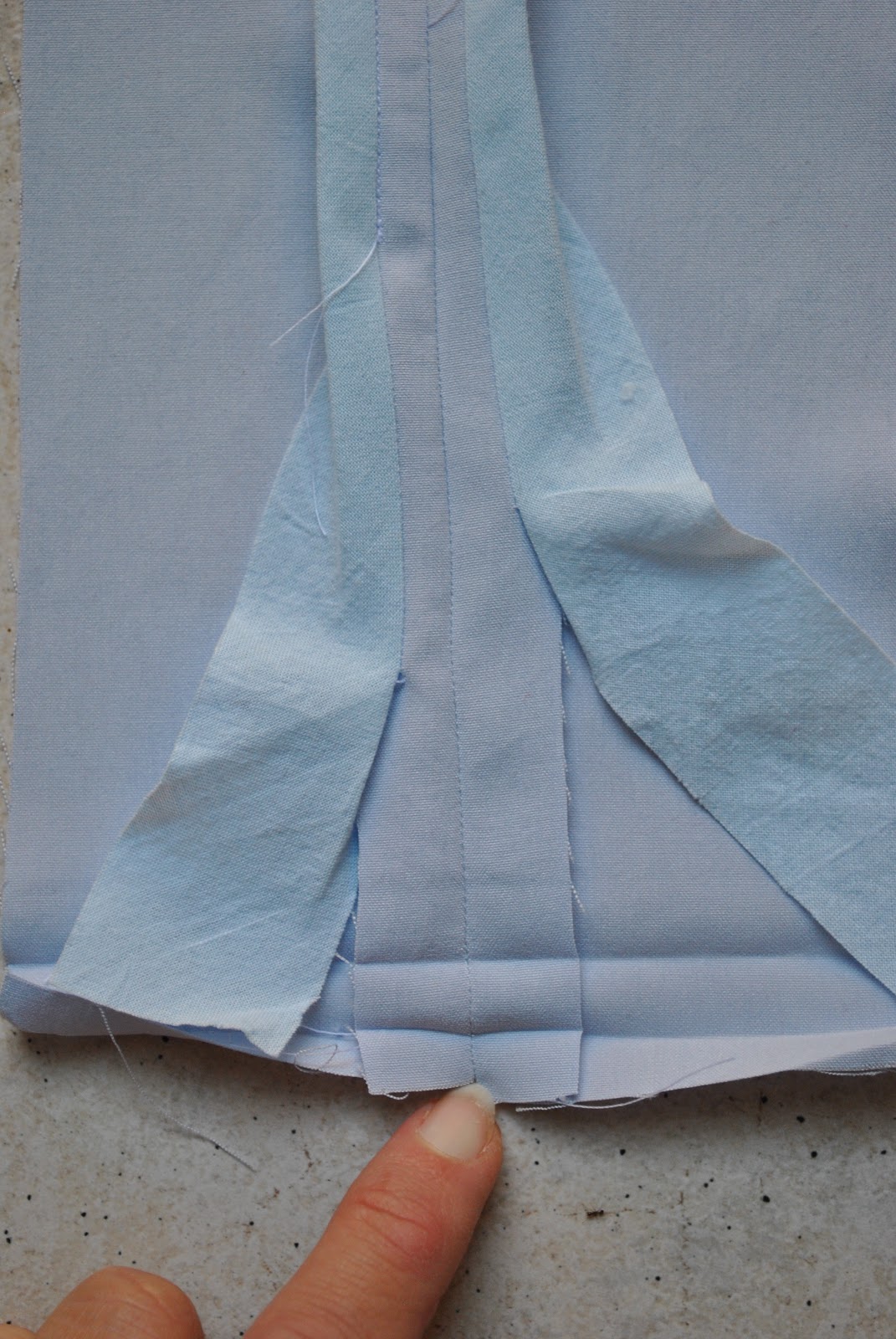
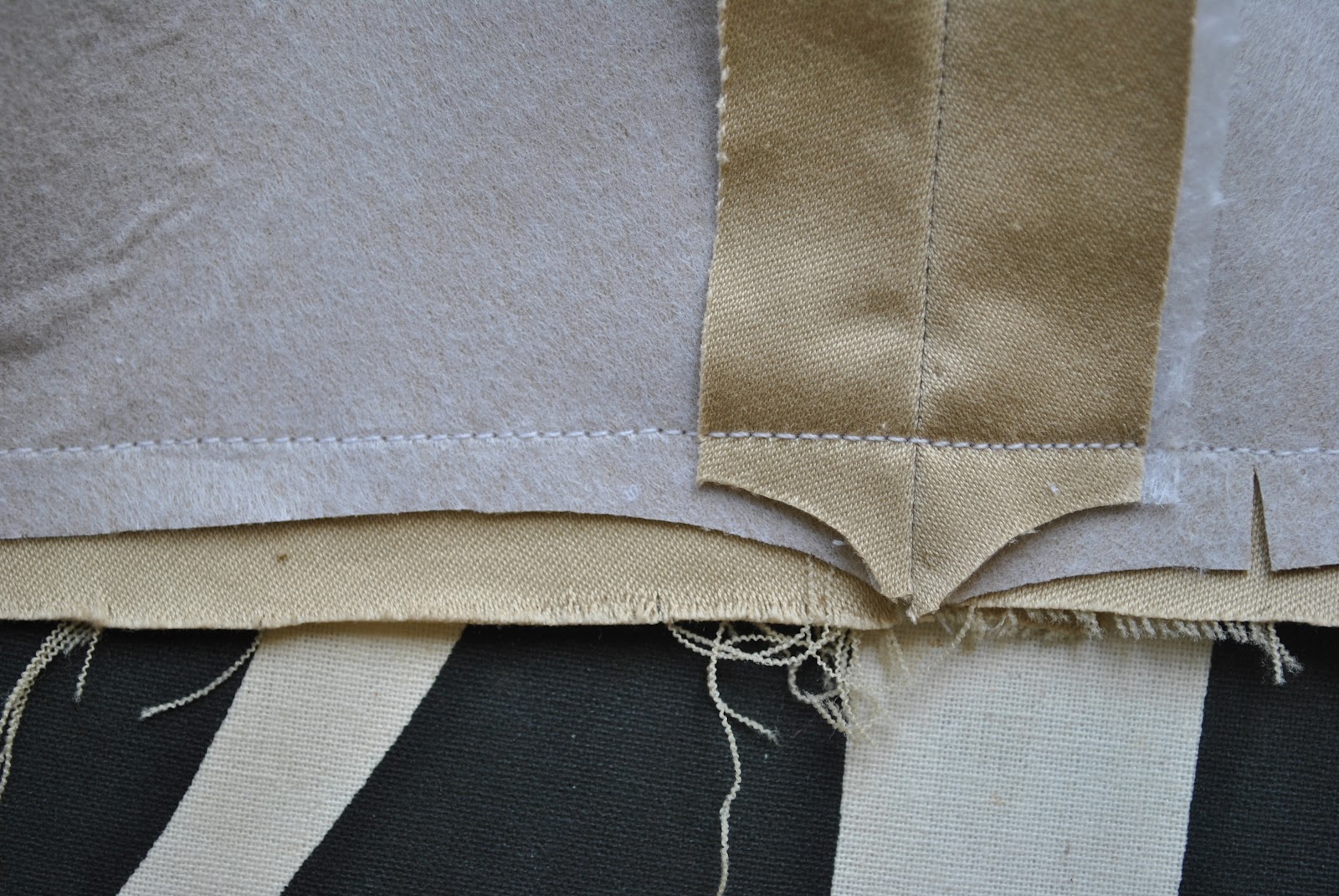
Below is the opening edge, with the facing folded back on itself (wrong sides together), and the zip edge with the garment seam allowance (with overlocked raw edge) folded over it, right sides together; and stitched. I never ever ever (ever ever) diagonally clip away the corner of that fold, but leave it intact, just like this. With care, when you turn it out you should be able to get a nice square point at the corner of facing/waistband just like below right. If the corner does seem a tad too bulky with layers of fabric, turn it back out wrong side out and right on the very corner, just inside the seam allowance at the starting point of that stitching, give it a few good sharp whacks with a heavy wooden spoon to flatten it; then try turning it out again. I promise you, this does work!! Just be super careful not to whack the top of the zip…. This is an old “couture” trick which I read in the Vogue 8333 instructions.


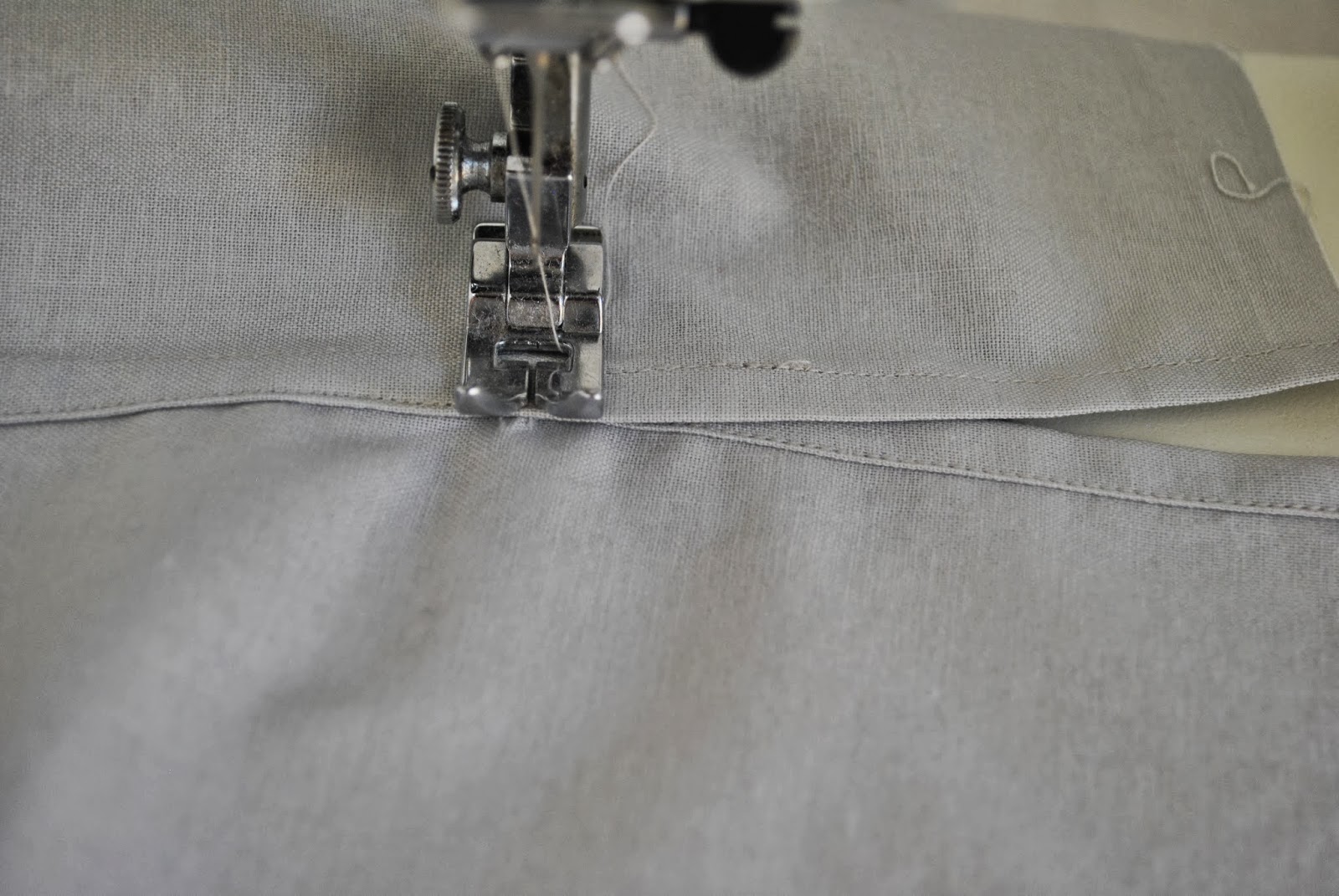
Under-stitching. When I was a younger slapdash thing I sometimes used to lazily skip this step. So foolish! It makes all the difference to a neatly turned faced edge. Do it!
btw, a note on the different coloured threads I have used in this project…
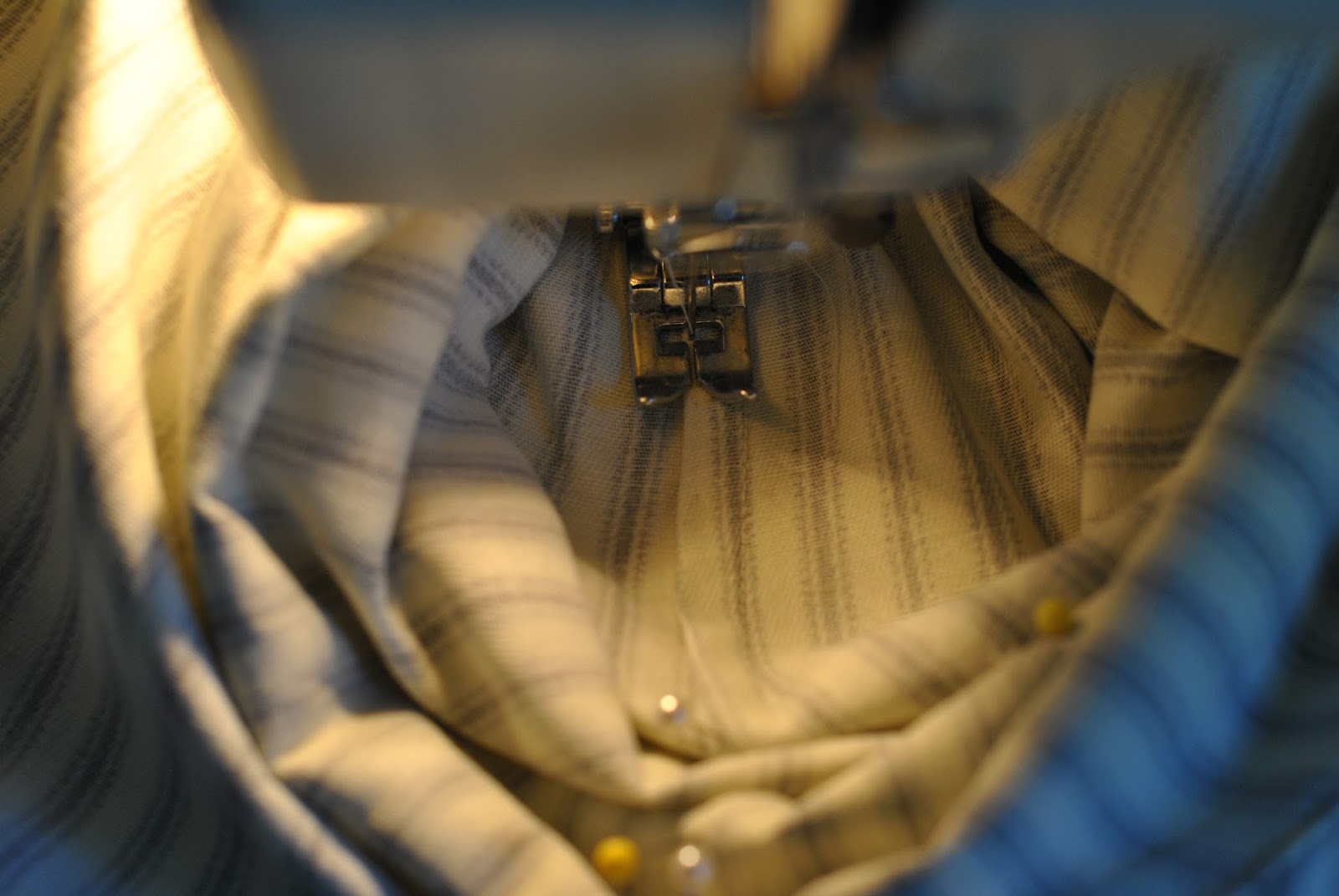
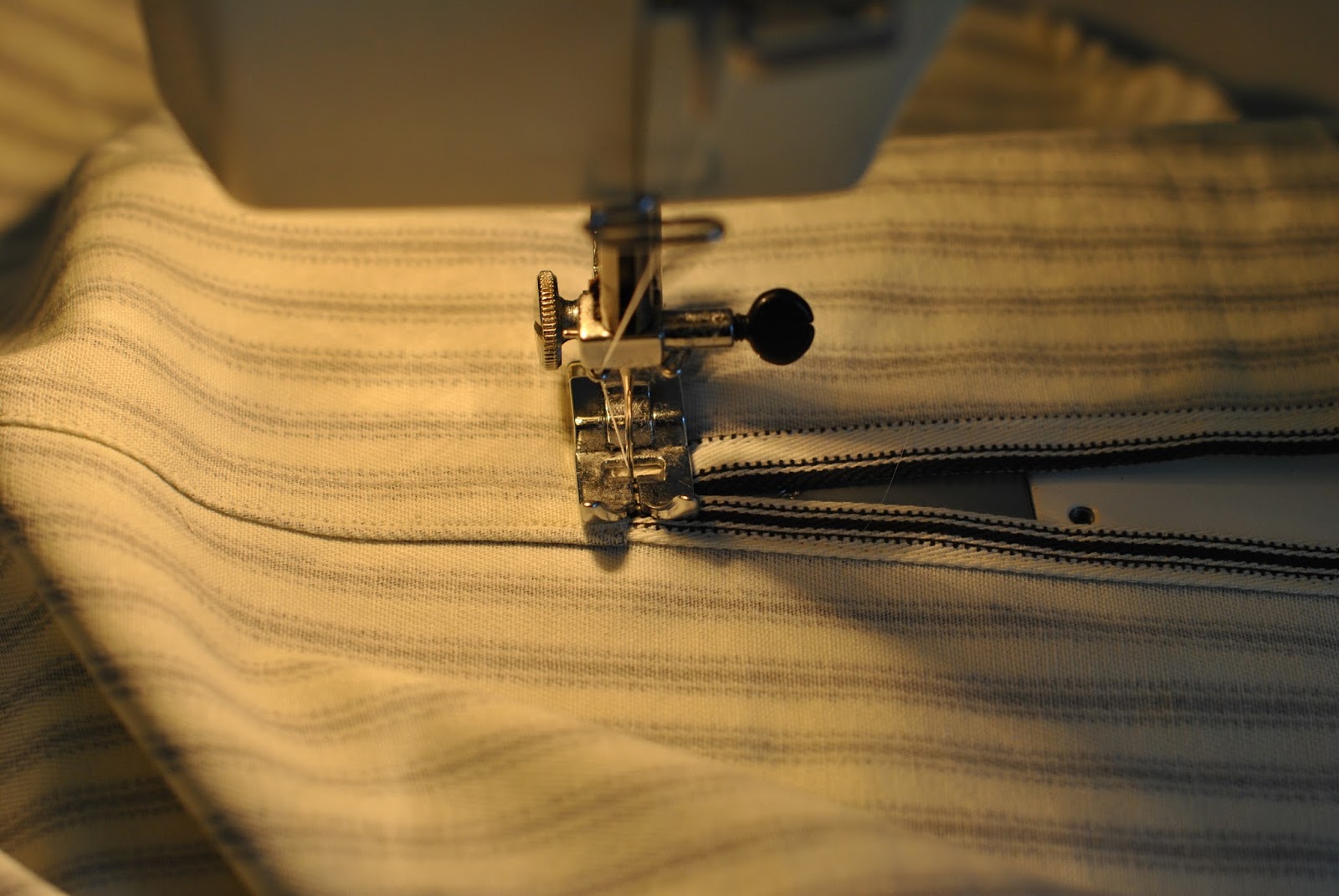
this is not a tip really, but an economical thing; I save my matching coloured thread for any stitching that is going to be visible either inside or outside the garment. I use either black or white whichever is the closest in shade, in this case white, for any stitching that is hidden away inside the folds of fabric. This is because I buy matching colour threads for a project in the smaller and more expensive 100m reels; and I buy black and white thread in the cheaper 1000m reels. I have a black and a white bobbin permanently threaded up, and wind a bobbin in my matching thread before a project, as well as the reels for the top of the machine in white/black and my matching thread: and interchange them depending on whether the thread is going to be visible or not. I know this means extra fiddling about and is not a tip everyone wants to bother with, but it does save money, which can be spent on other things 🙂 This is why you can see some stitching, the visible stitching, is in the matching beige thread, and some stitching is in white. I’m Ok with that because the white stitching is in the hidden spots, and will invisible both inside and outside of the finished garment.

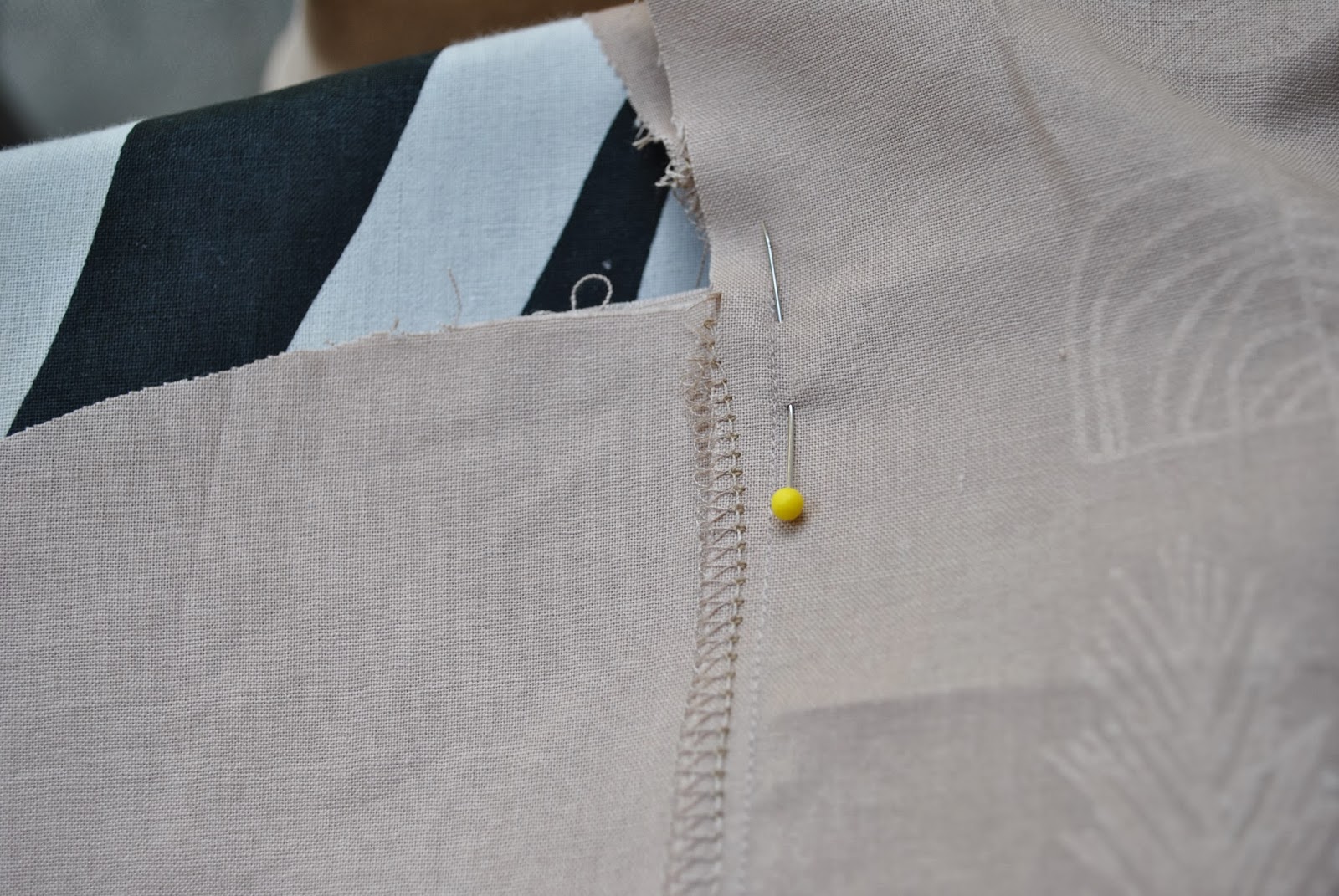
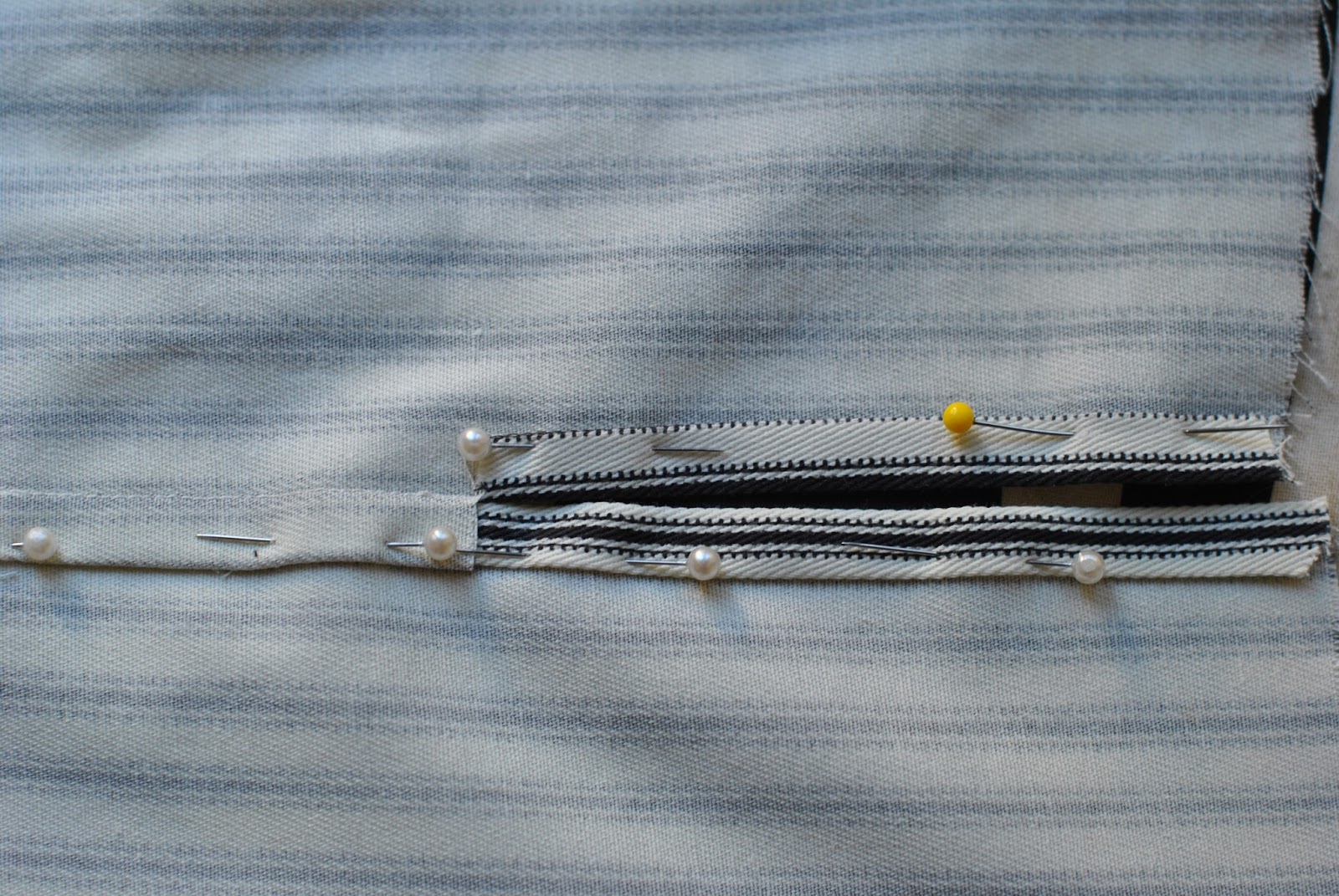
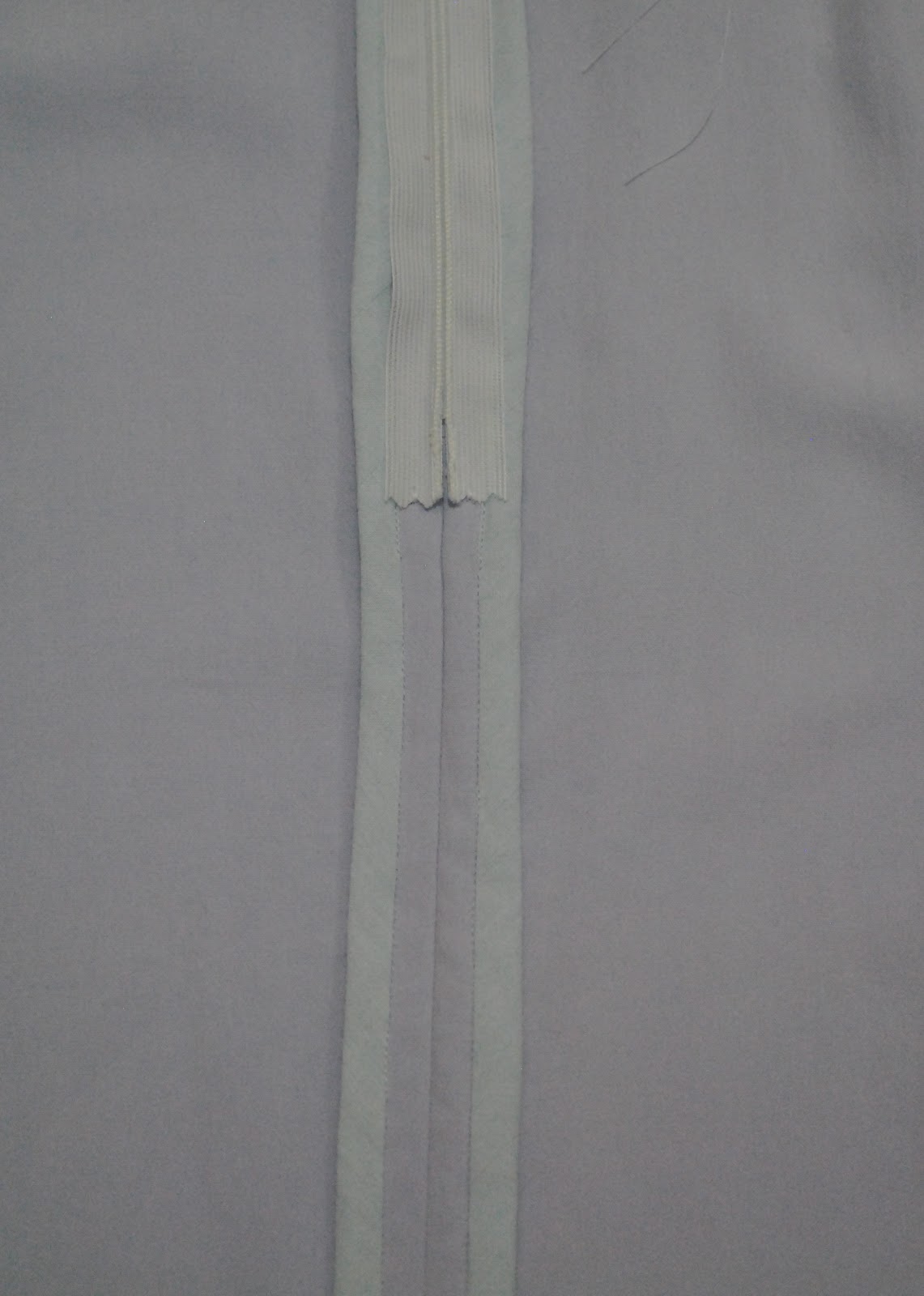
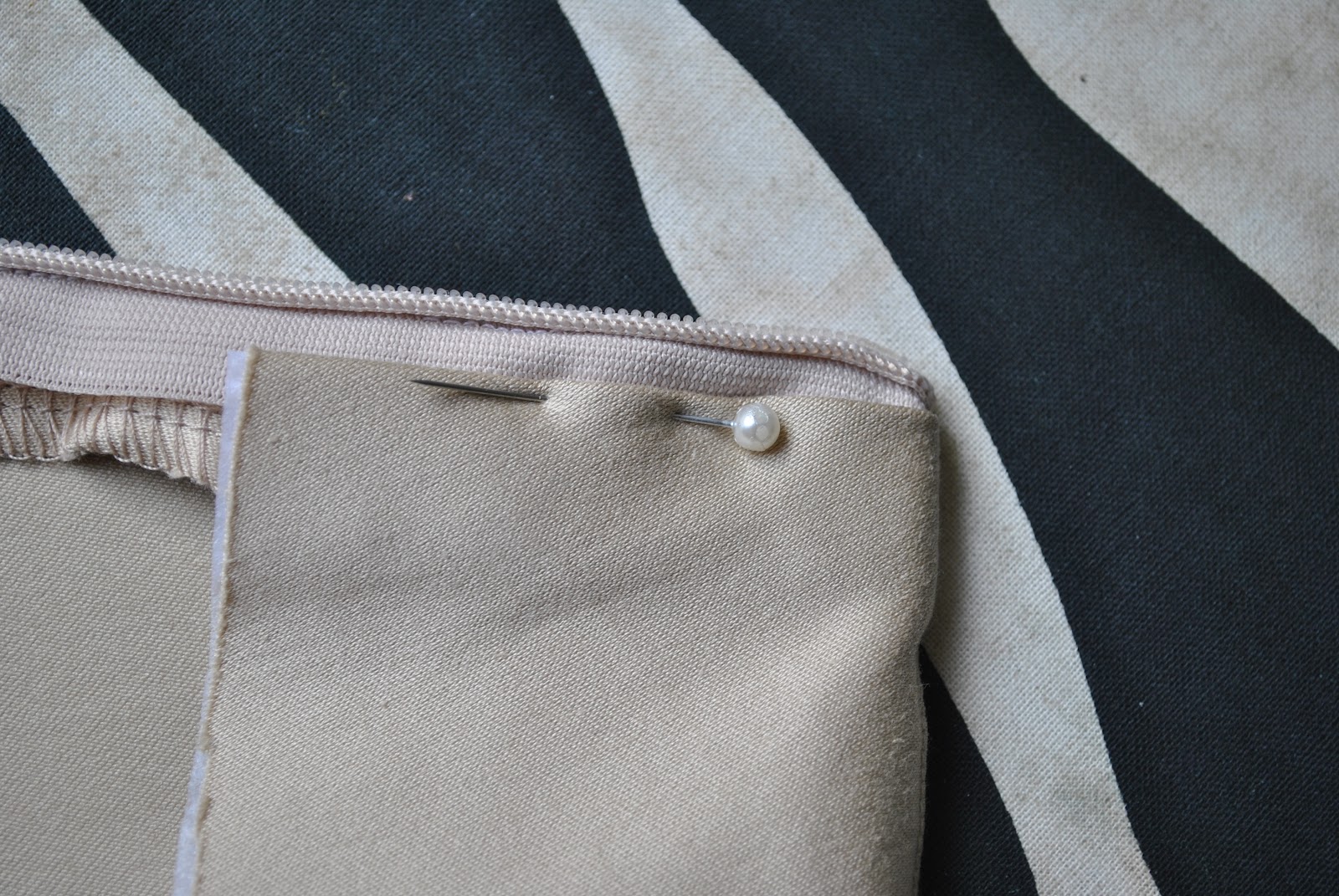
Fold the facing opening edge in smoothly to an even width against the zip tape. I nearly always have to adjust my waistbands, so it is not a given that this will be the same as the allowance dictated by the pattern piece.
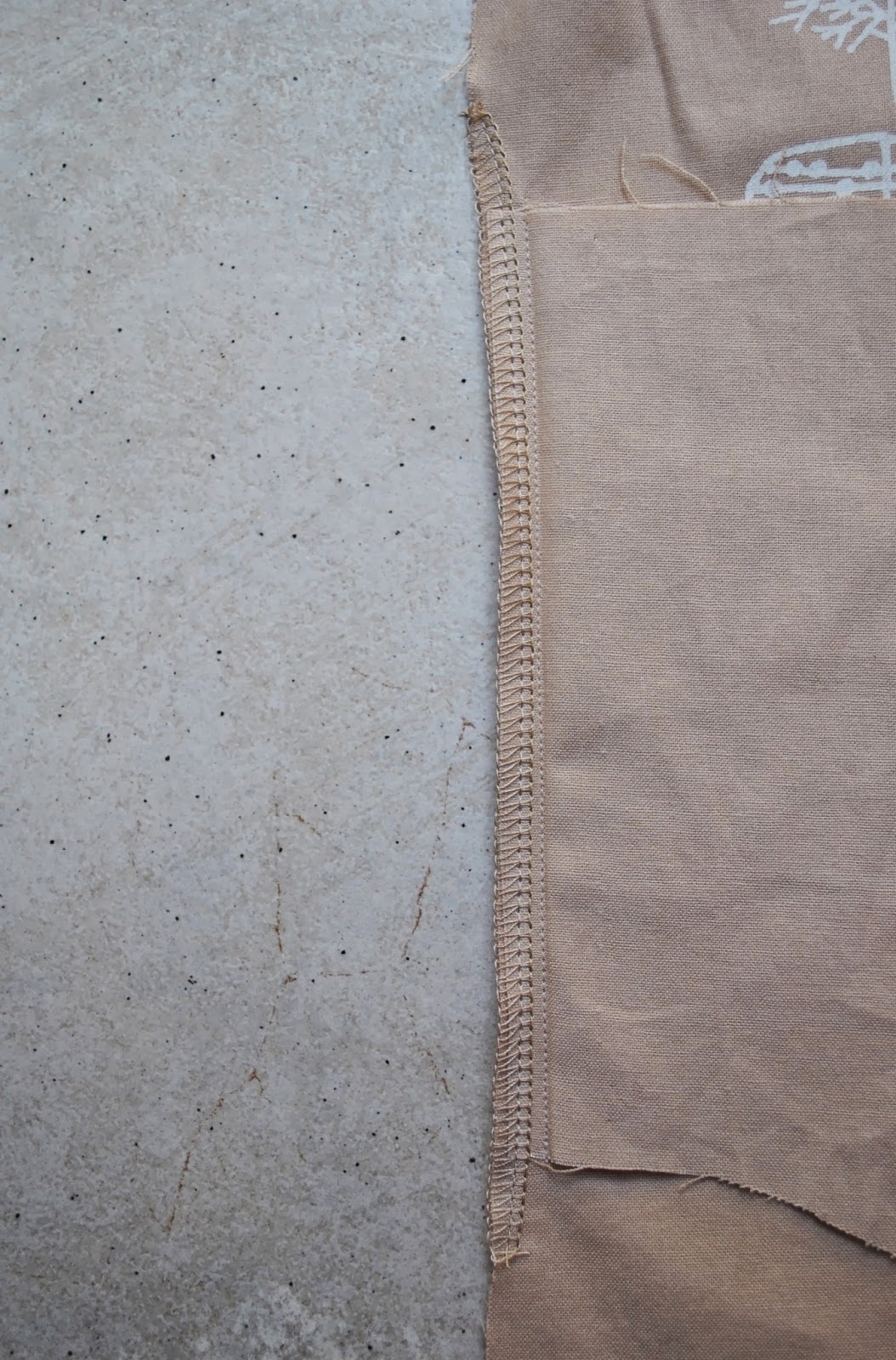
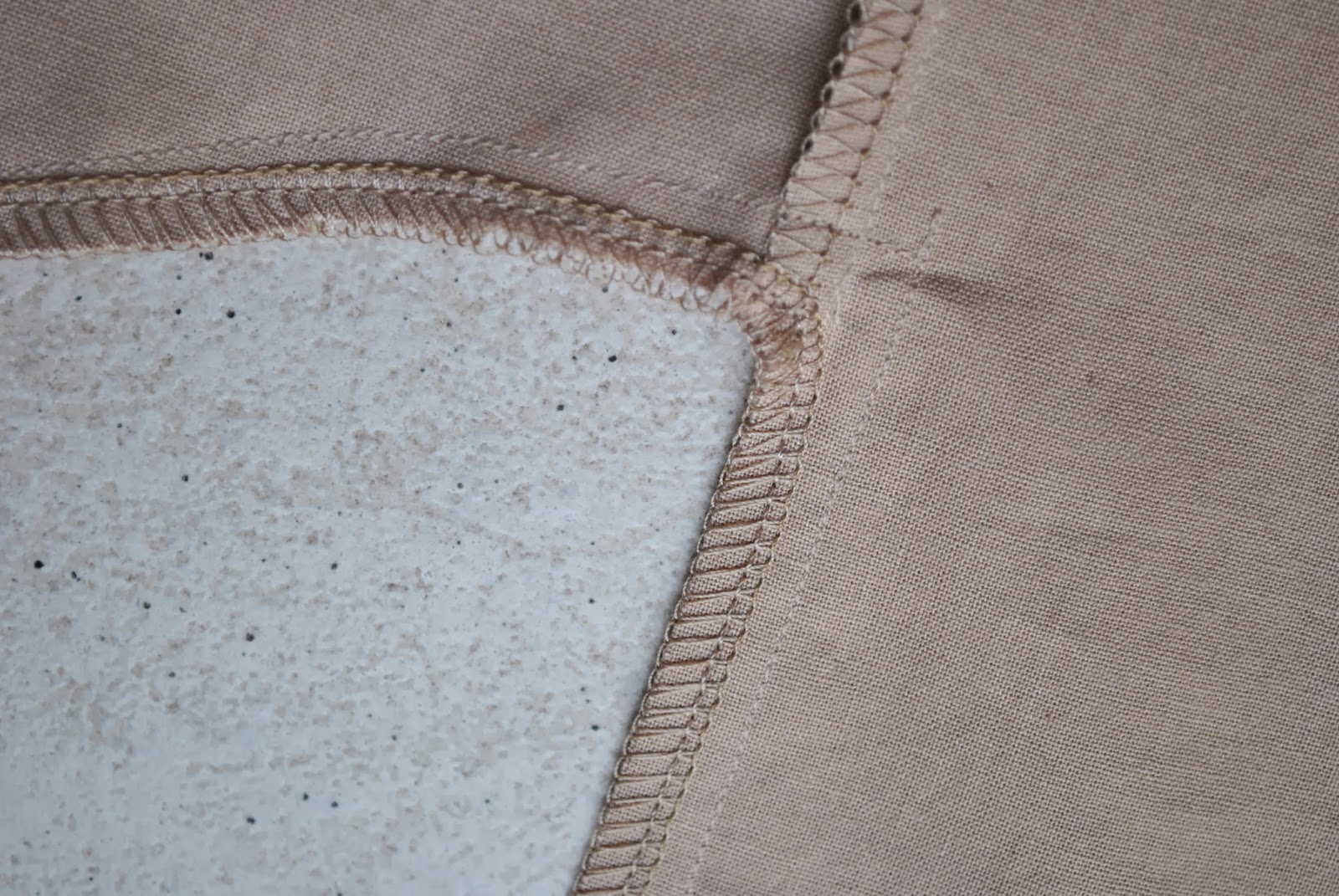
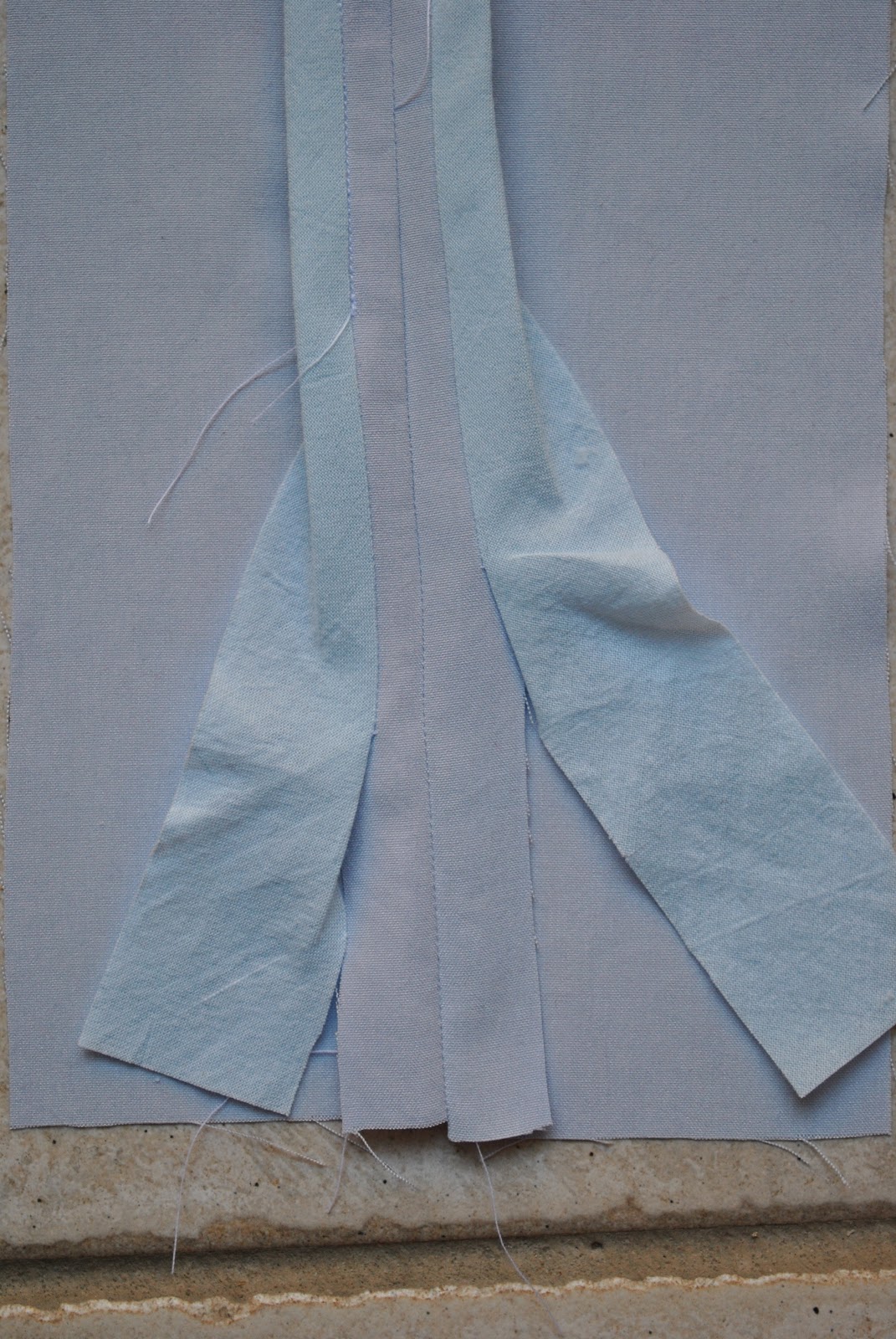
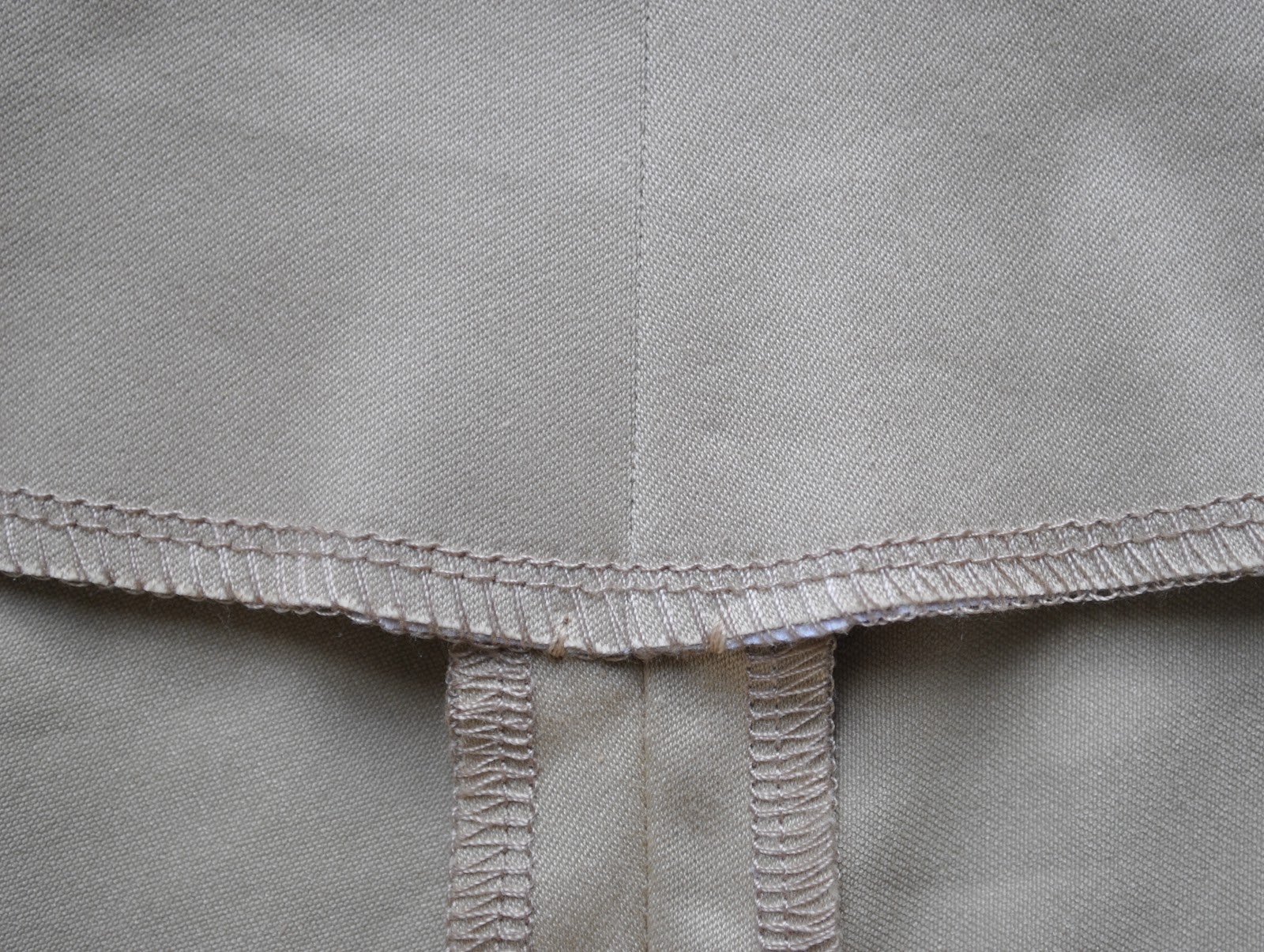
It is only at this point that I finish the lower edge of the facing, all in one go. This time I opted to use the overlocker for a flatter finish, but HongKong seams look real nice. I overlock the opening edge fold down in place as they are pinned above, and also the facing seam allowances down to the facing at this point. Neat and tidy!
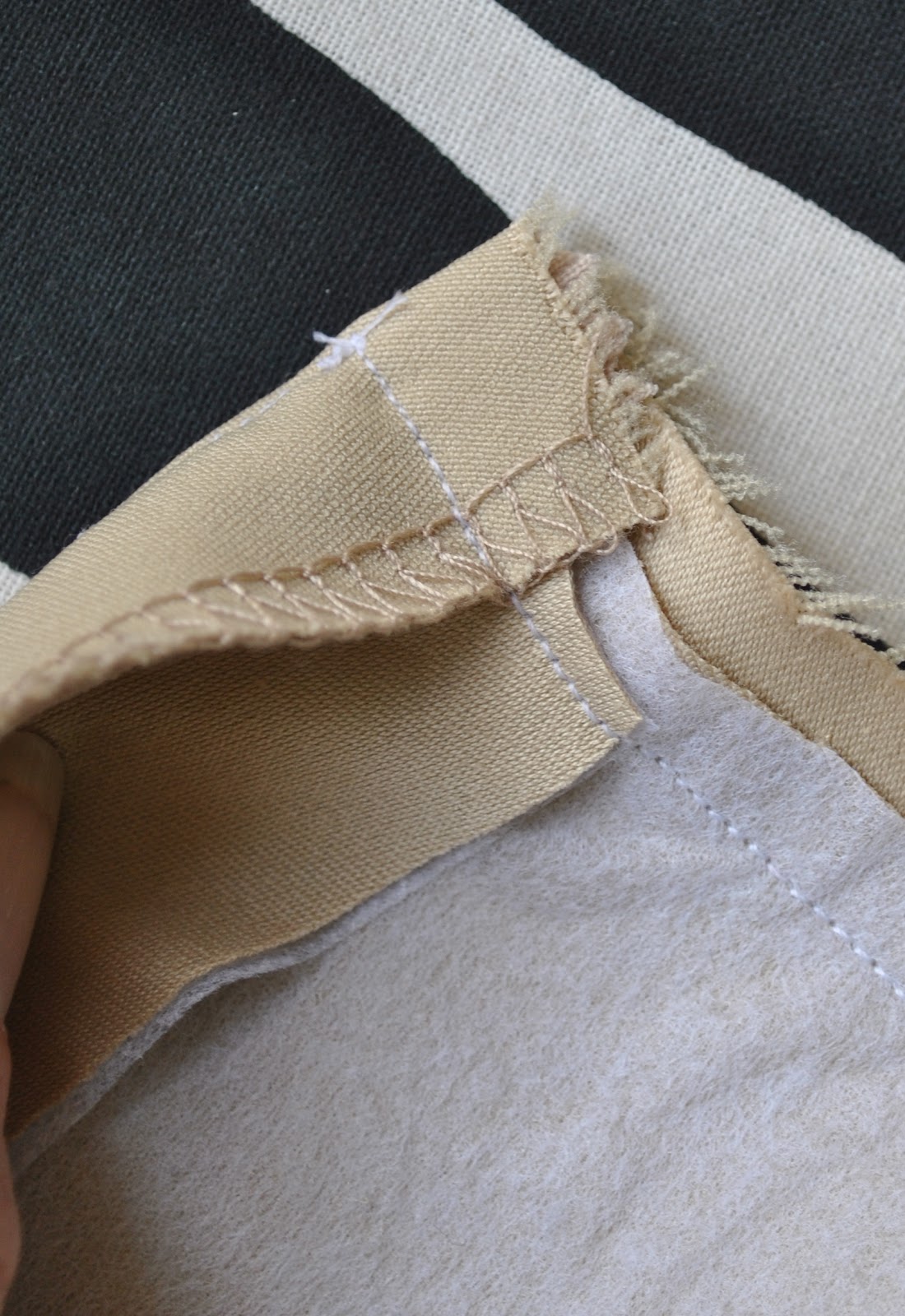
The facing edge is hand stitched to the zip tape using fell stitches.
The facing at the centre back and the other side seam is stitched to the seam allowances. It can be seen clearly here how the seam allowances of the facing have been overlocked down to the the facing in just one pass of the overlocker.
Finito!