Monthly Archives: August 2011

You are browsing the site archives by month.

Easiest knitted handwarmers, ever

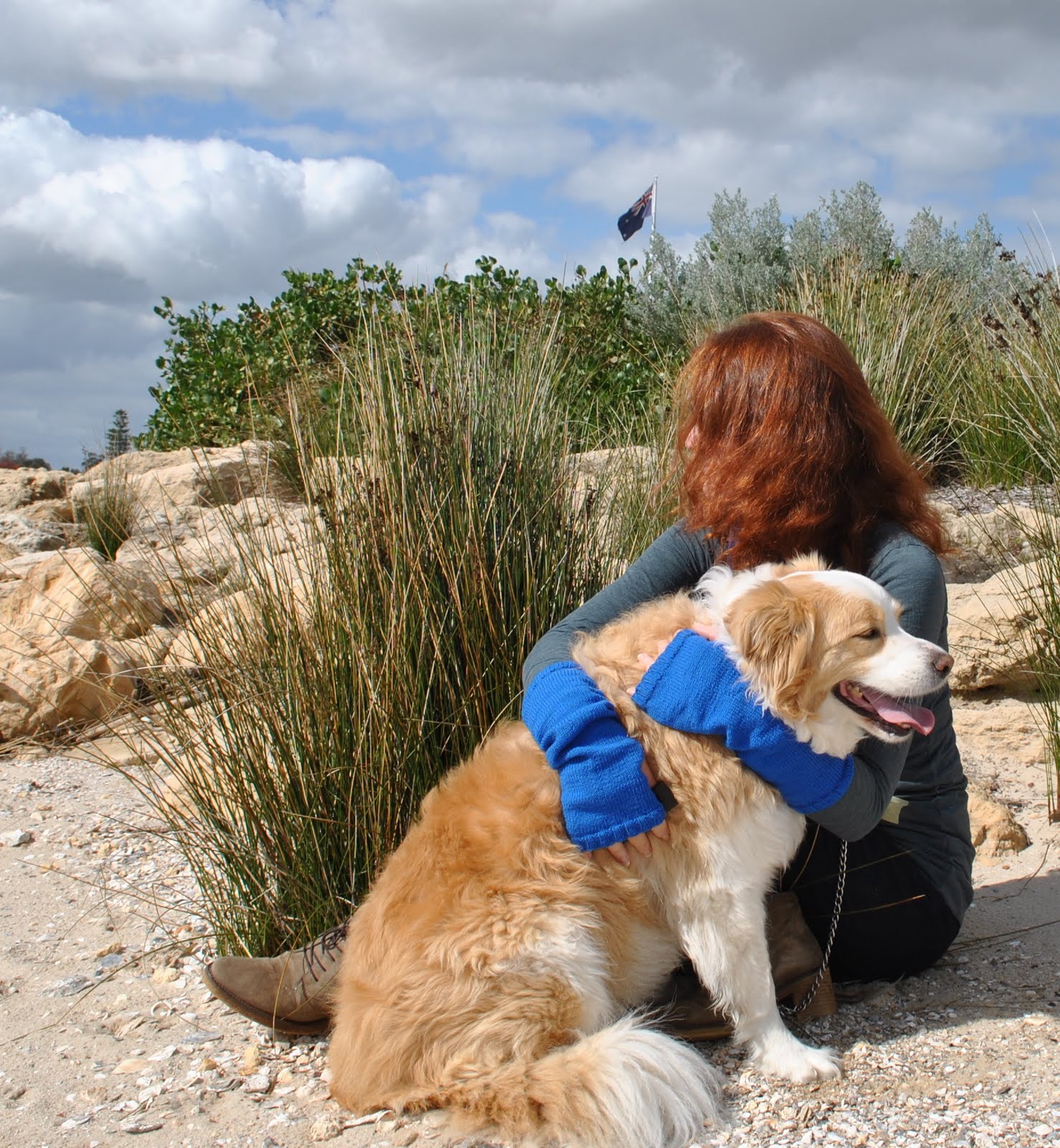
So, I mentioned that I had plenty of socks already, but still some sock yarn kicking around… so I turned to another extremity on my person that really feels the cold; my hands.  I am definitely a cold-hand person… and can be relied on to lay a soothingly cool hand on the brow of a feverish sick person, anywhere, anytime.  Nice for any sick people in my life, but nonetheless I am forever engaging in some futile attempt to lift the temperature of my hands above that of a corpse.  This takes form in various procedures; whether it be slowly rotating my hands over the toaster in the morning, making myself a gazillion cups of tea not necessarily because I am thirsty but so that I have a hot china mug to clutch for a short while (warning; this particular hand-warming method greatly increases the required number of visits to the ladies room), walking about with my hands stuck weirdly in my armpits, or sitting on my hands, which by the way is good for warmth but not for maintaining any actual feeling in the fingers.
And yes there are gloves, some pairs of which I do have and are wonderful for warming the ol’ handies, but not when one is doing delicate stuff such as knitting, or working on a computer keyboard and one’s gloved fingers keep typing in such gems such as: “hekoo there., anmd how arte yourd tofdsy?”
Anyhoo, I brilliantly detected this gap in my wardrobe, and set to filling it…

Here is my pattern for these super-easy handwarmers, suitable for knitters of all levels of ability.  It really doesn’t get any easier than these things…

Yarn; 4 ply, I used Morris Empire Superwash Merino 4 ply
Quantity; 1-2 balls…  exactly how much yarn depends on how far up your arm you want your handwarmers to extend.
Set of 2mm double ended needles
Tension; 28 stitches and 36 rows to a 10x10cm square of stocking stitch

Cast on 60 stitches, distribute so there are 20 stitches over three needles.
Bringing the last stitch on the third needle round to join onto the first stitch on the first needle to start knitting in the round, commence in K2, P2.  Leave the long tail from your first slip stitch hanging loose without weaving in, this marks the starting point of your knitting and enables you to count rows more easily.
Continue in K2 P2 for 8 rows.
From the 9th row, K in every stitch.
Continue for 20 rows.
Row 29; turn and P 60 stitches.  Note for this stocking stitch section, always slip the first stitch purlwise on a purl row, and knitwise on a knit row)
Row 30; turn and K 60 stitches
Repeat last two rows until there are 20 rows of stocking stitch.
Row 50; join the work so you are knitting in the round once more, and continue knitting in each stitch until the work measures the desired length (in this example, 31cm from the beginning)
K2, P2; for the next 8 rows.
Cast off in K stitch loosely, and weave in the loose ends.
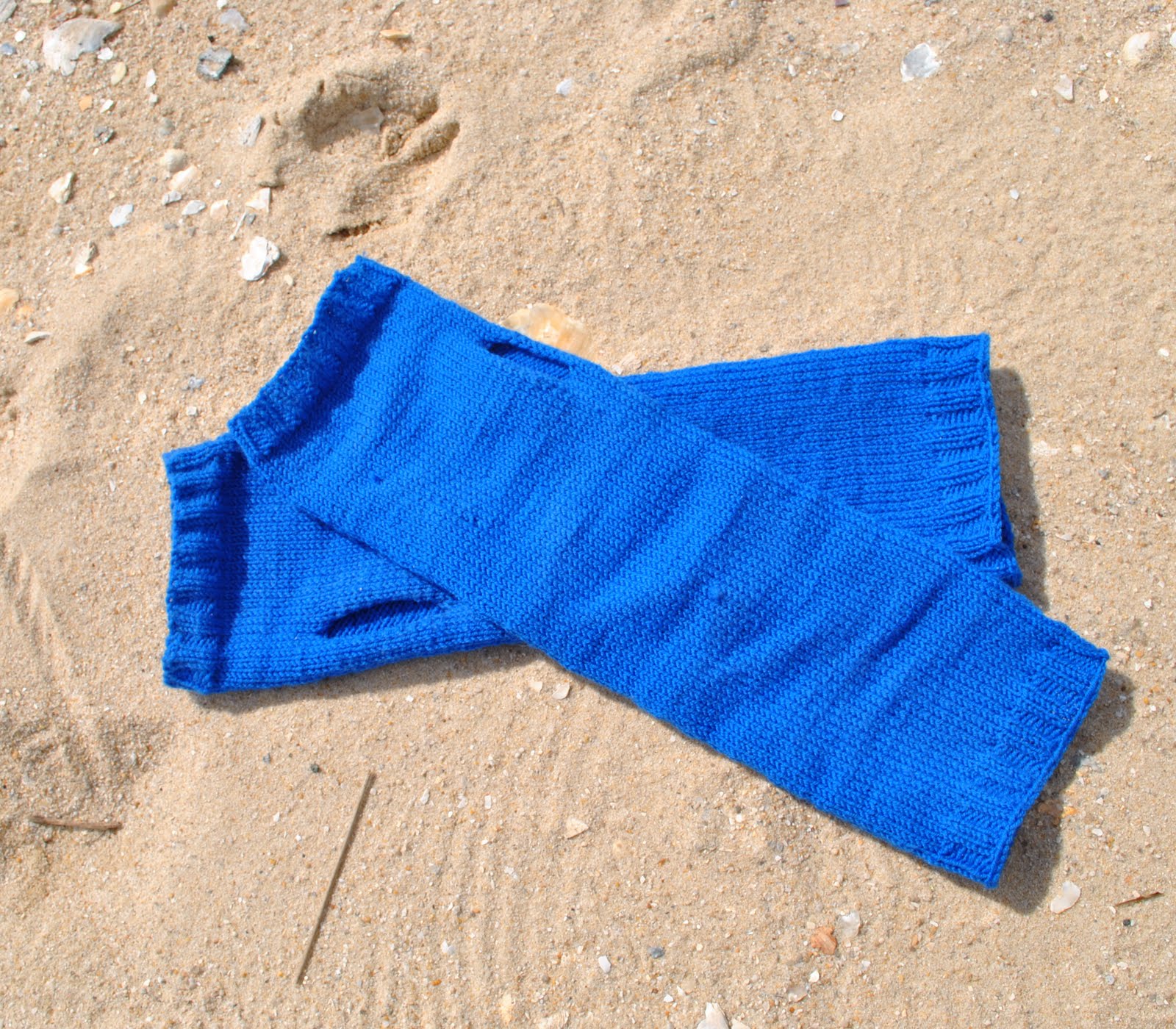
Voila, one handwarmer!  Now just repeat for the second one… if you want to get fancy it is pretty easy to incorporate a cable design or something down the backs of each hand, but this is the basic unadorned model to start with.  This is a super easy project that doesn’t require much thought at all, so is perfect for while your family is watching TV or something and you want something mindless to do… and your toasty warm hands will thank you in the winter!

Details:
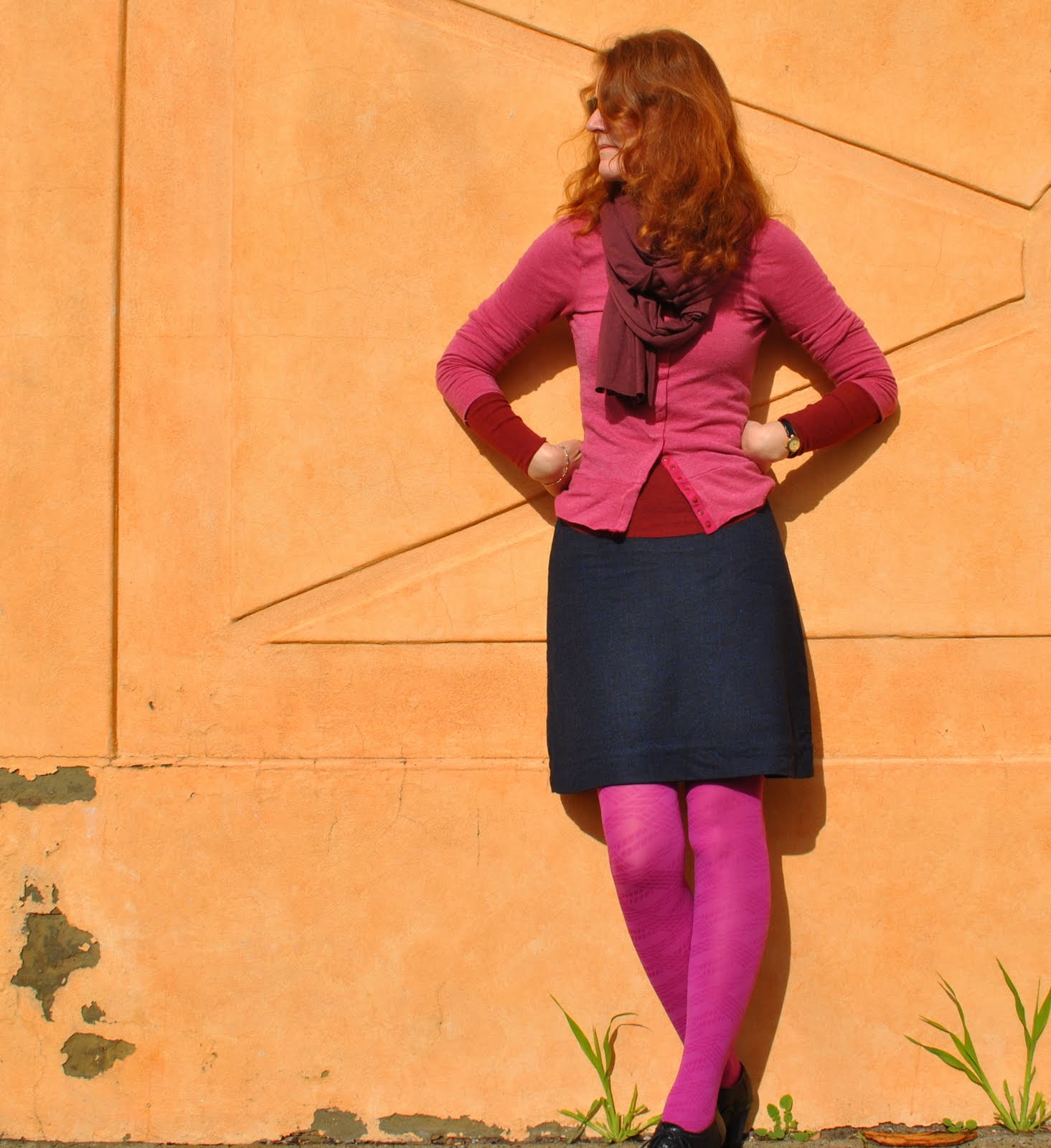
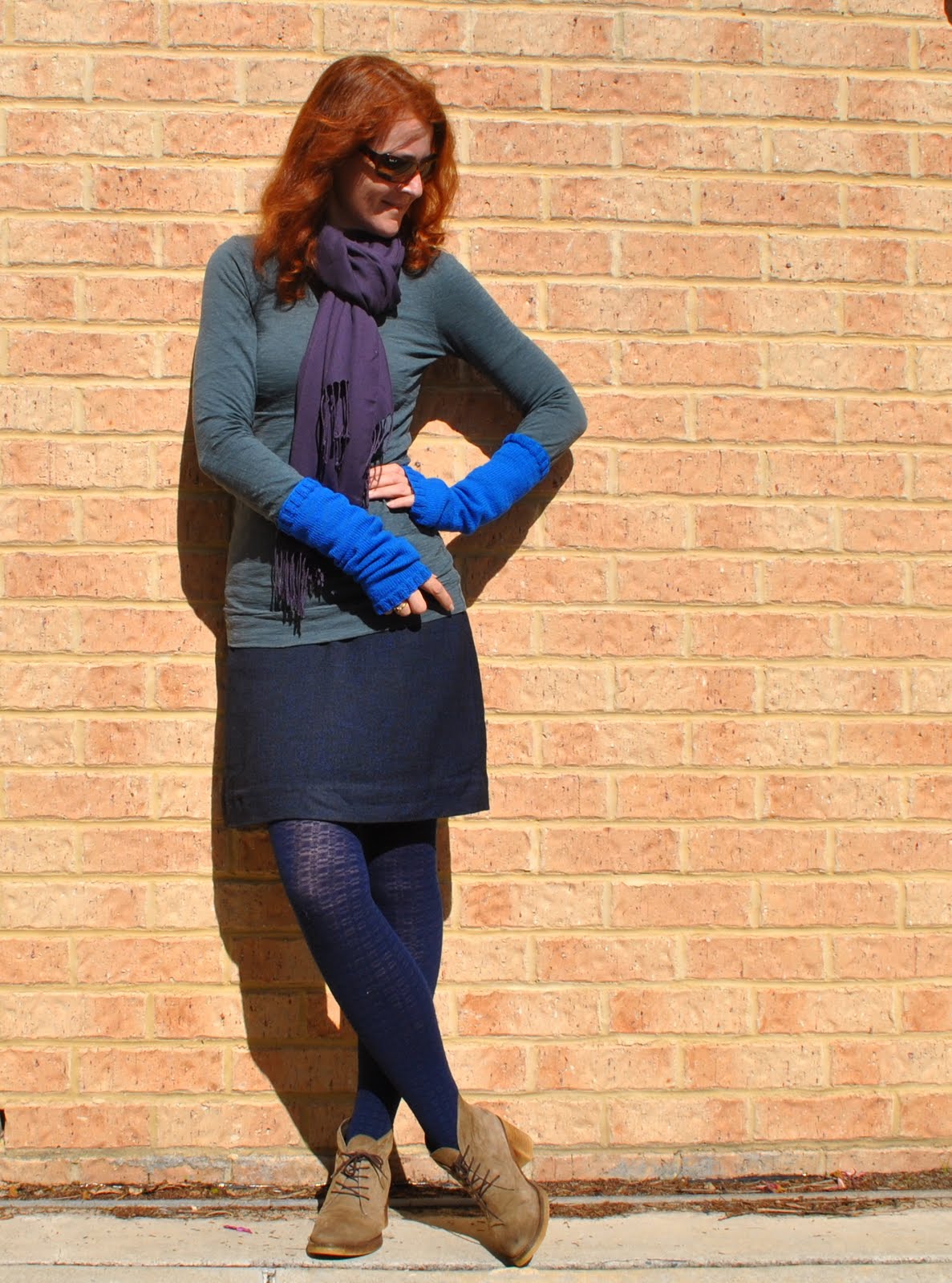
Handwarmers; my own design, knitted in Morris 4 ply merino, in Imperial Blue (col 424)
Top and tights; Metalicus
Skirt; Vogue 7303 in charcoal suiting, dyed blue by me here
Scarf; a gift
Boots; Francesco Morichetti, from Zomp shoes
pinterestmail

Thanks for the memories…

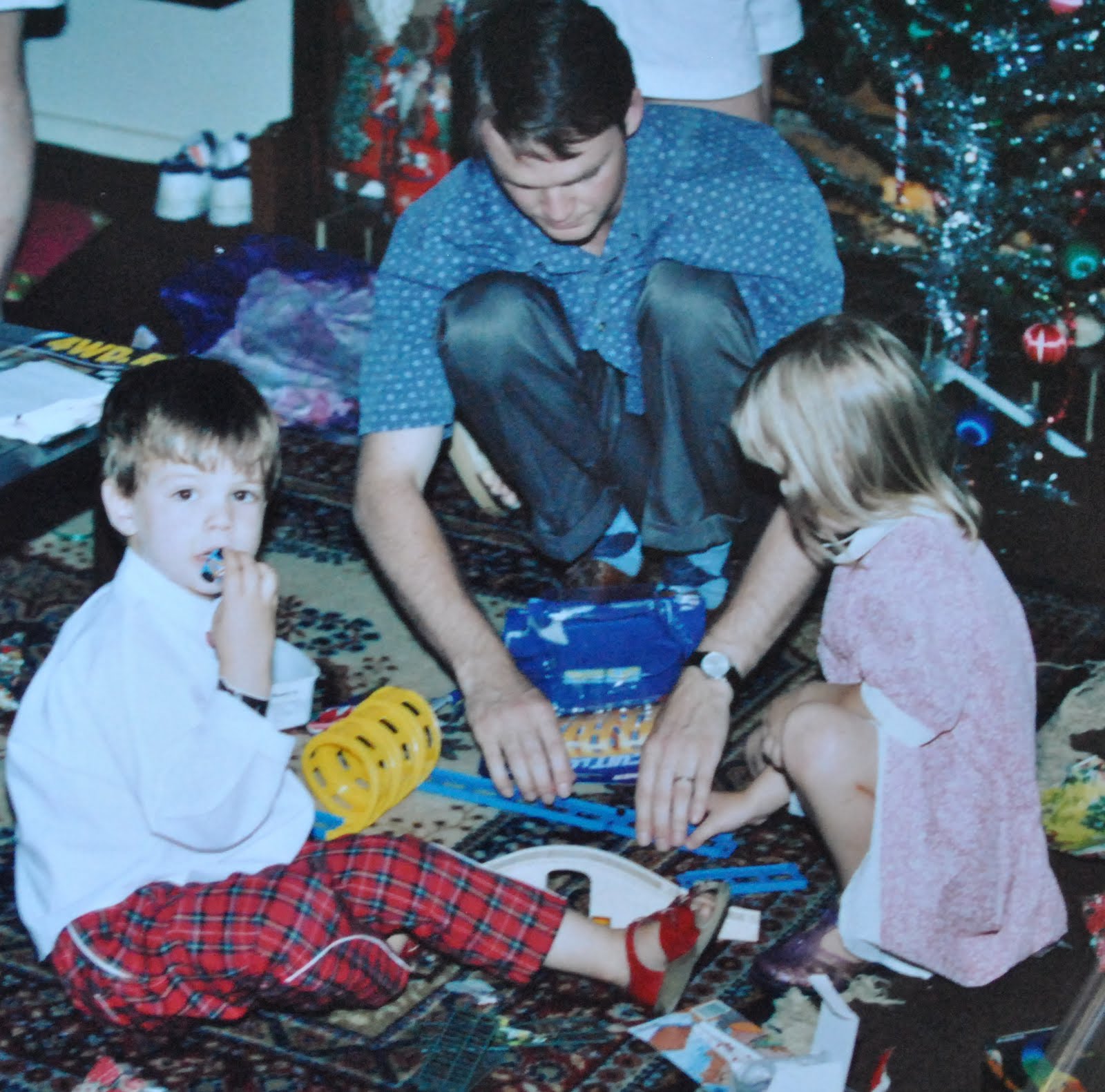
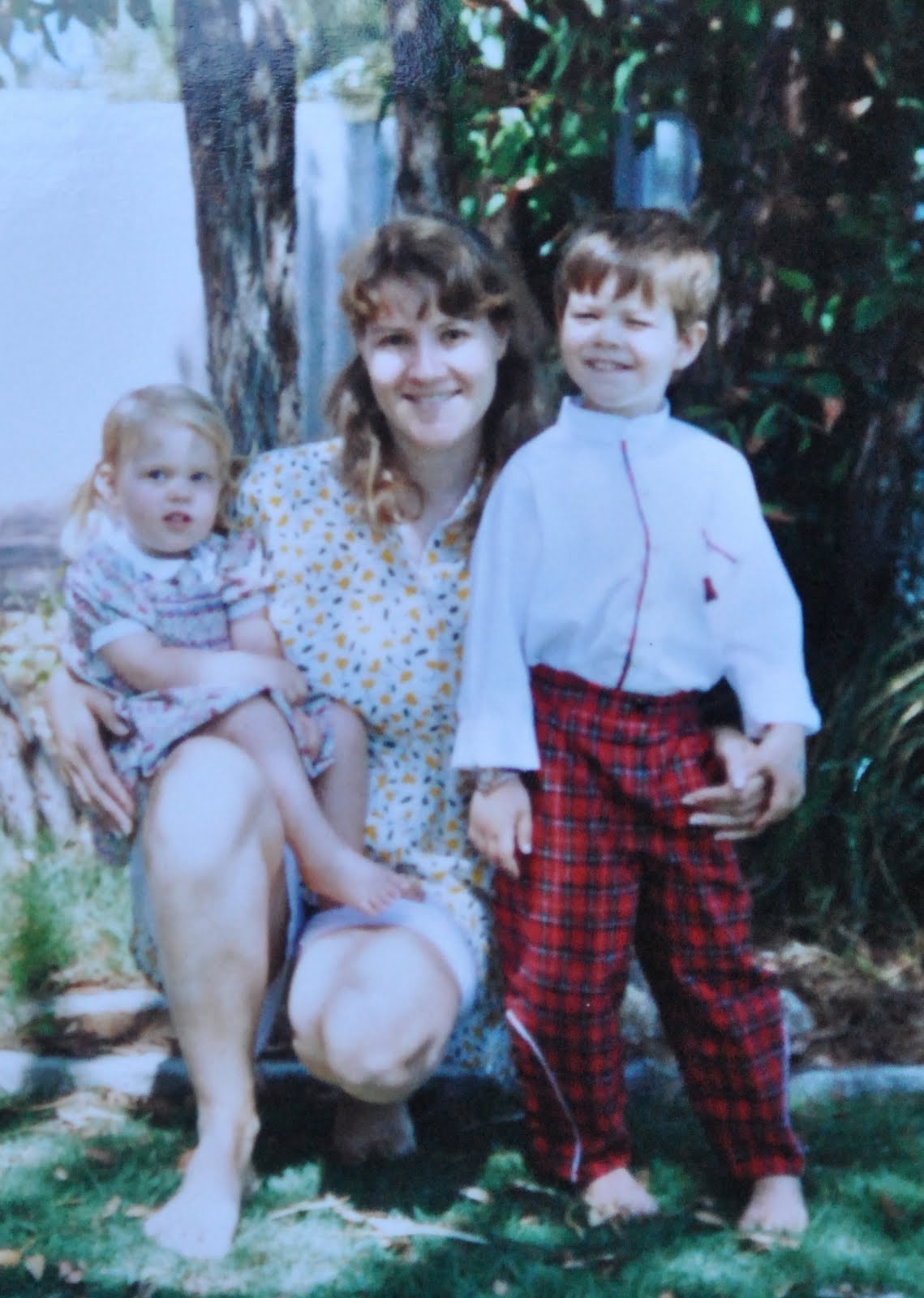
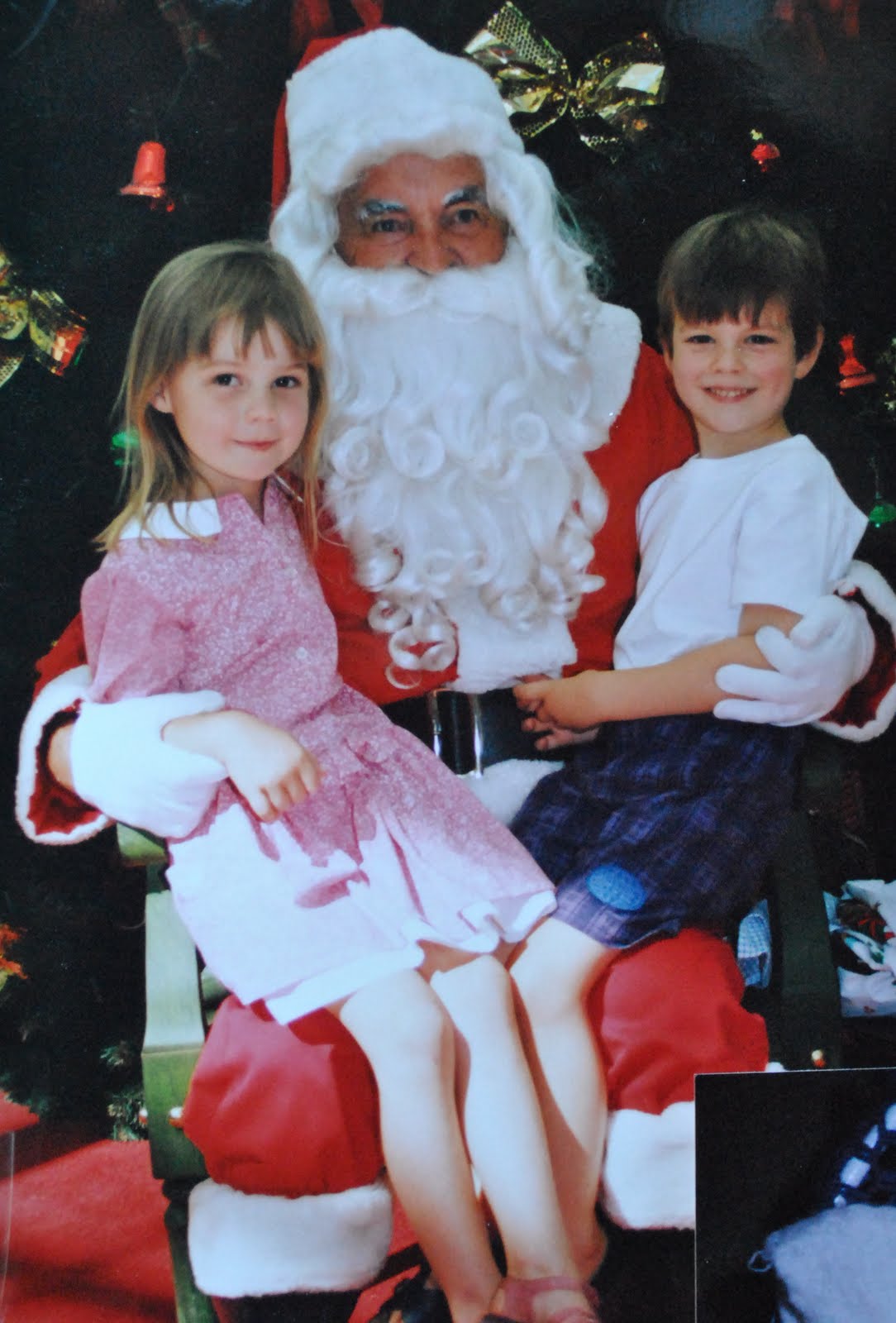
…and all I can say that if it wasn’t for Christmas and birthday family get-togethers I would have almost no photos of my children in the clothes I have made them… these photos are all from the albums of our extended family, since we took very few ourselves!, and please be aware that the photos I have here on my blog represent about ten percent of the clothes I actually made for my children!  Of course I am disappointed that my photo taking was pretty slack in those days.  Photography wasn’t really on my radar back then.  Too busy taking care of my little ones and the household, no doubt.  Oh, and er, fitting in a bit of sewing too, I guess!
In the Christmas gathering pictured here, Tim is wearing a little ensemble comprising a white collarless button up shirt and tartan trousers.  The tartan pants have contrasting white piping in a curved insert in the side of the legs, and along each front pocket; and the shirt has tartan piping in the buttonband, plus a few tartan patches for good measure to really tie the whole outfit together.

The children’s cousin Michelle is wearing a little pink dress I had made her for a previous birthday; it had a button-up front, dropped waist, an attached white petticoat, and white sleeve cuffs and collar.  In the middle picture I am wearing white shorts and a big oversized (in the best 90’s tradition) blouse, both made by me.

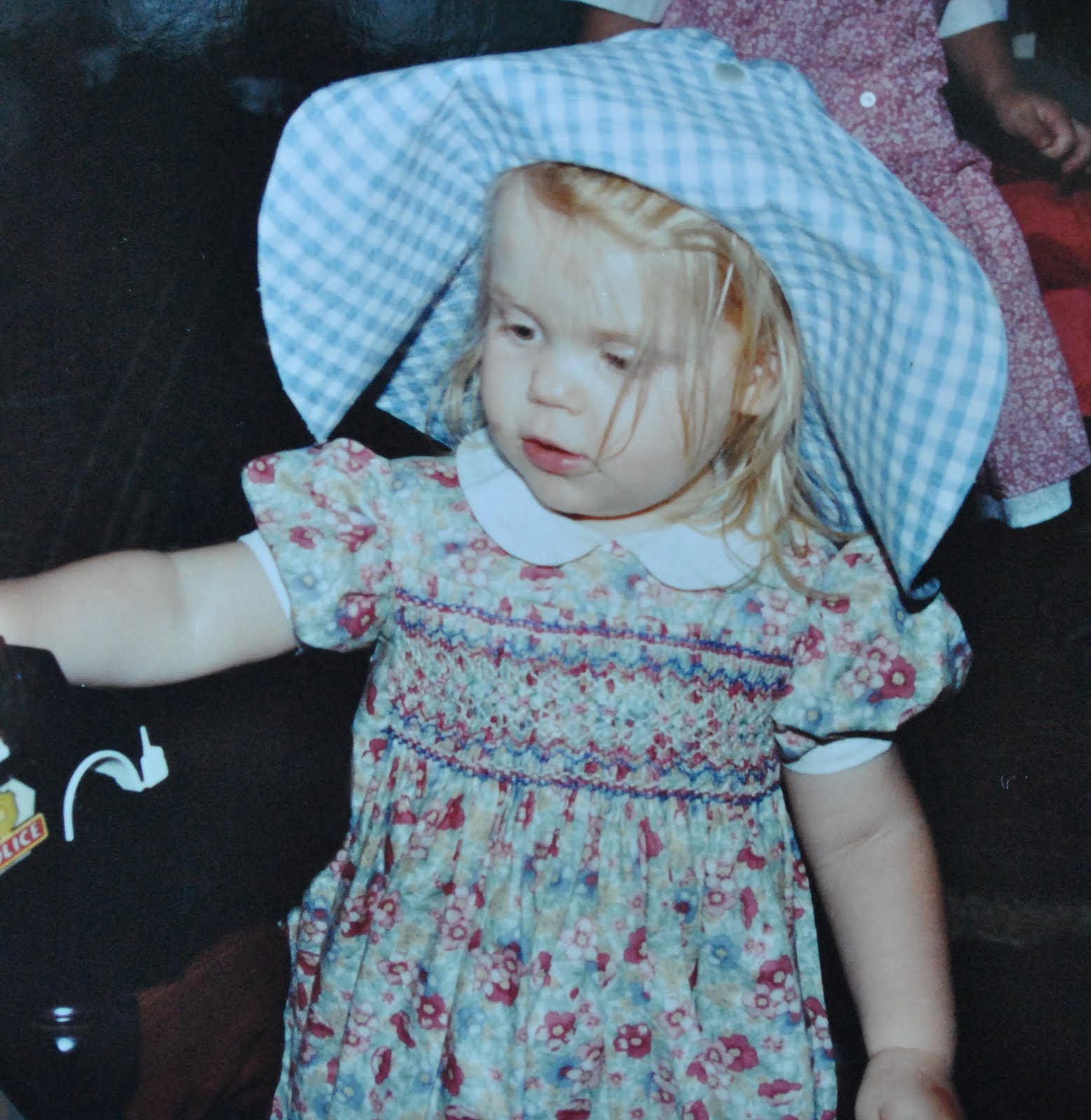
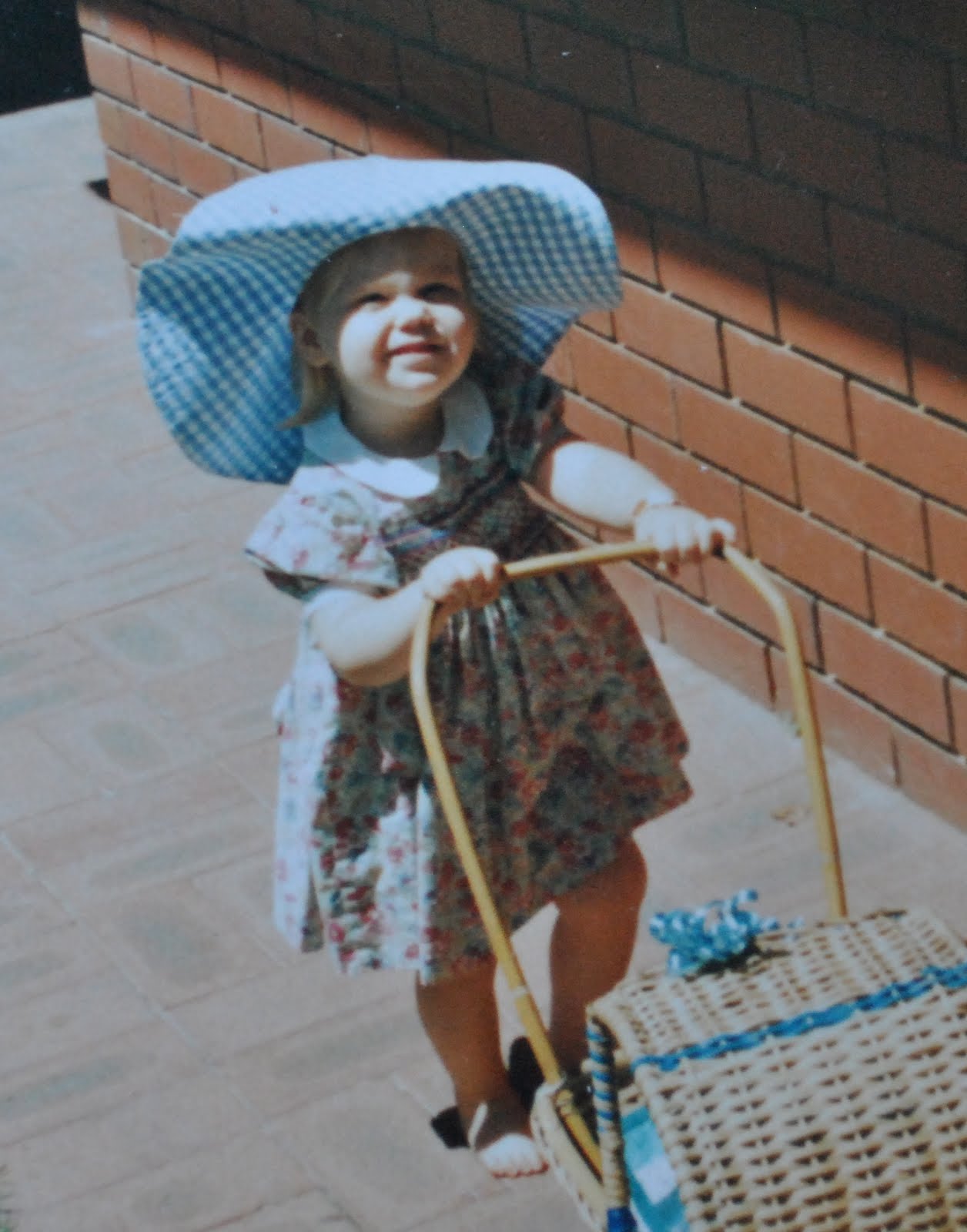
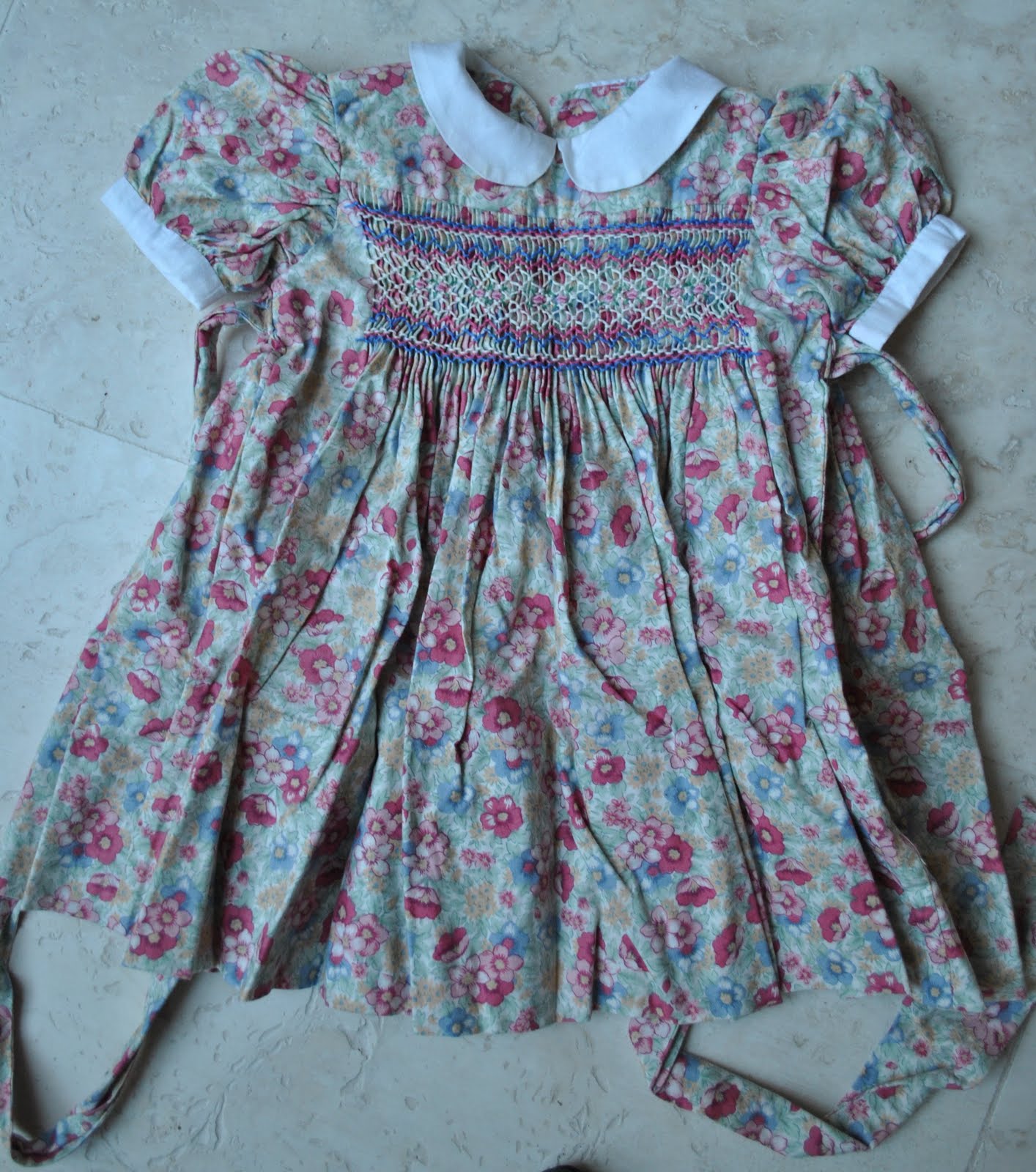
Cassie is wearing a little dress and a big floppy gingham hat, both made by me.  The dress has smocking and embroidered grub roses on the front, and is one of the very few pieces of children’s clothing I have kept so I can include a close-up.  I was pretty proud of the smocking, and I can still recall obsessing over mastering the perfect grub rose in between chatting-while-supervising, fruit-cutting and nappy-changing sessions at playgroup.  The partially finished dress lived in the nappy bag so that I could be sure it accompanied us wherever we went and I could snatch a few more minutes working on it if the opportunity presented itself… 
All the children’s patterns are TopKids patterns, except for Cassie’s smocked dress which was some sort of heirloom pattern, the exact details of which I have no memory.

pinterestmail

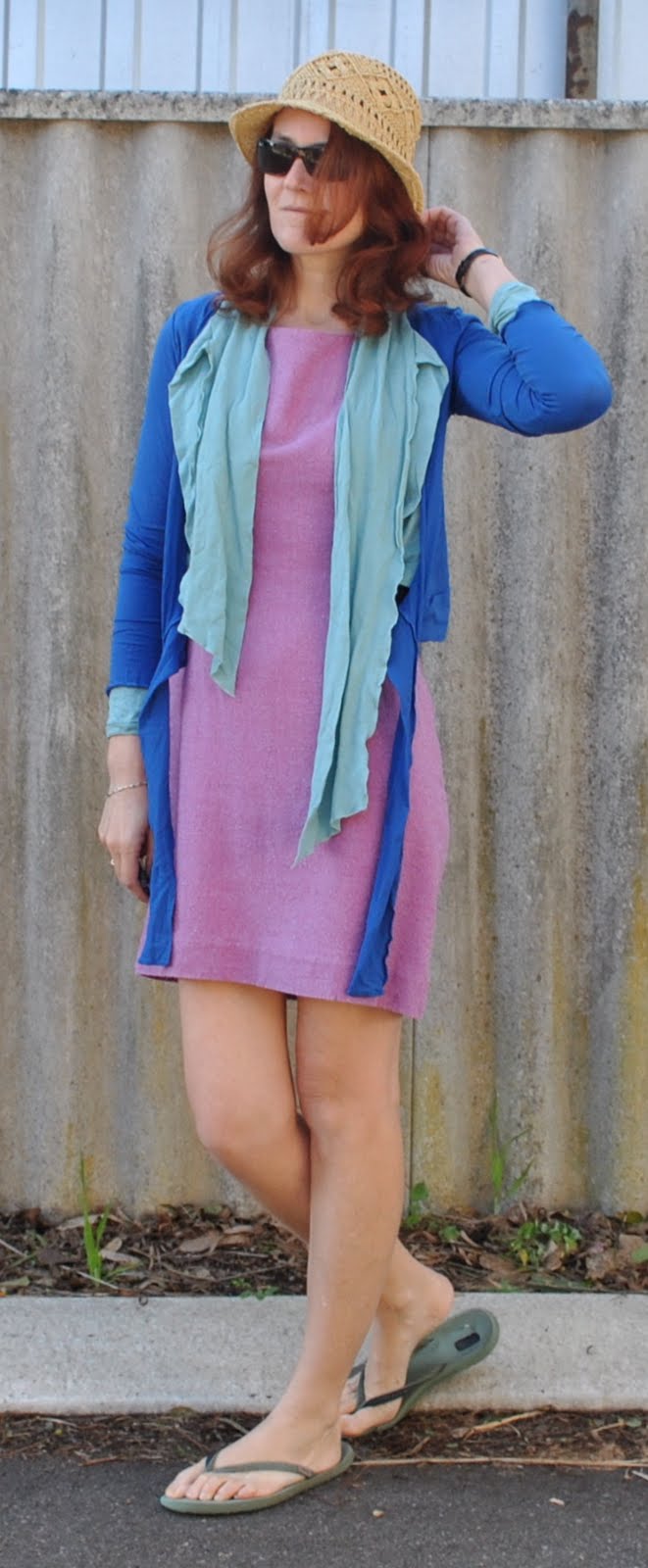
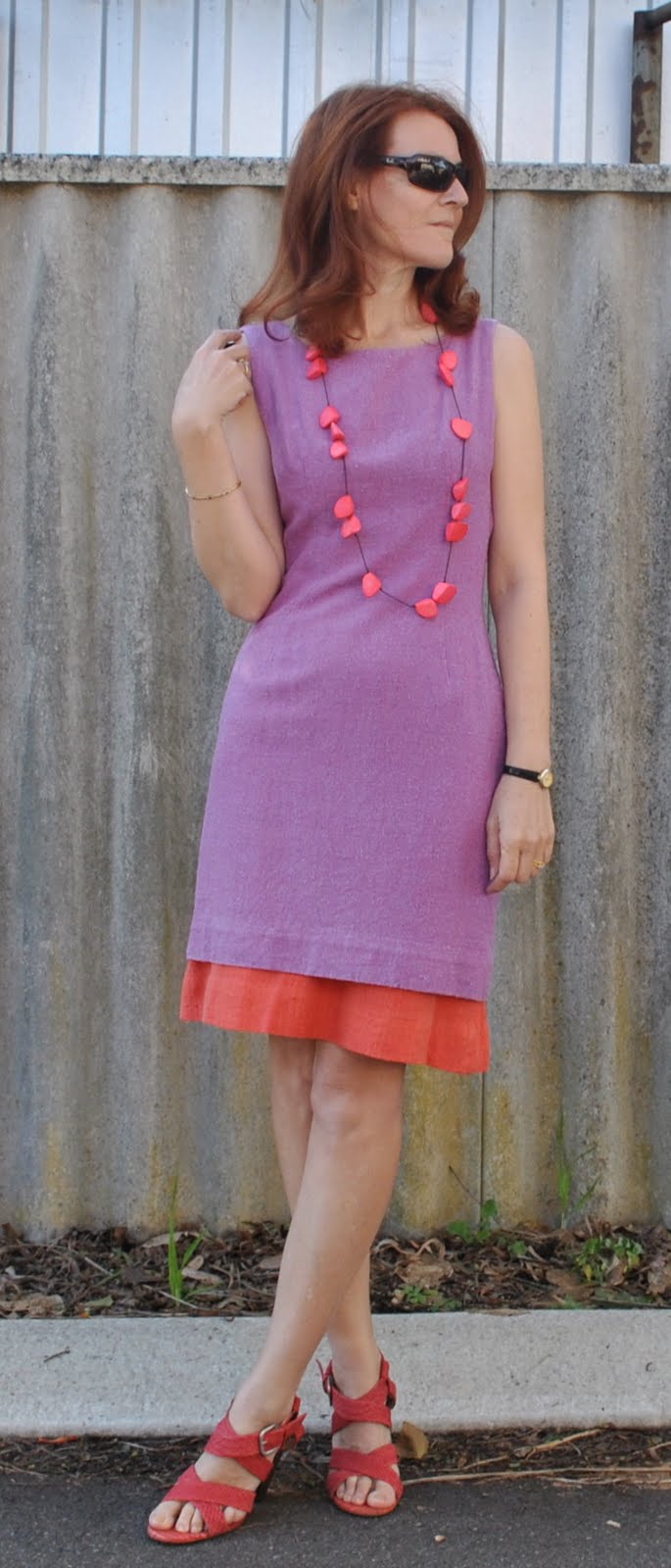
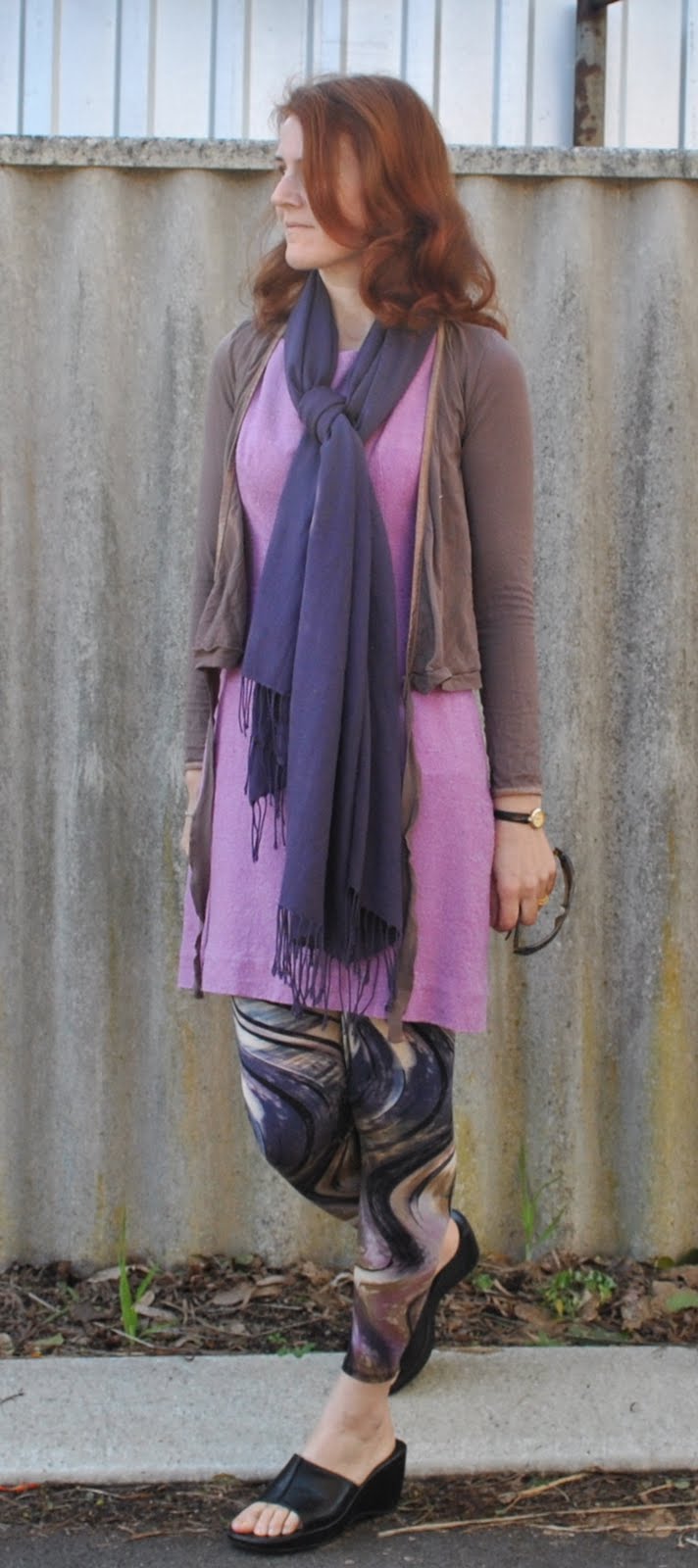
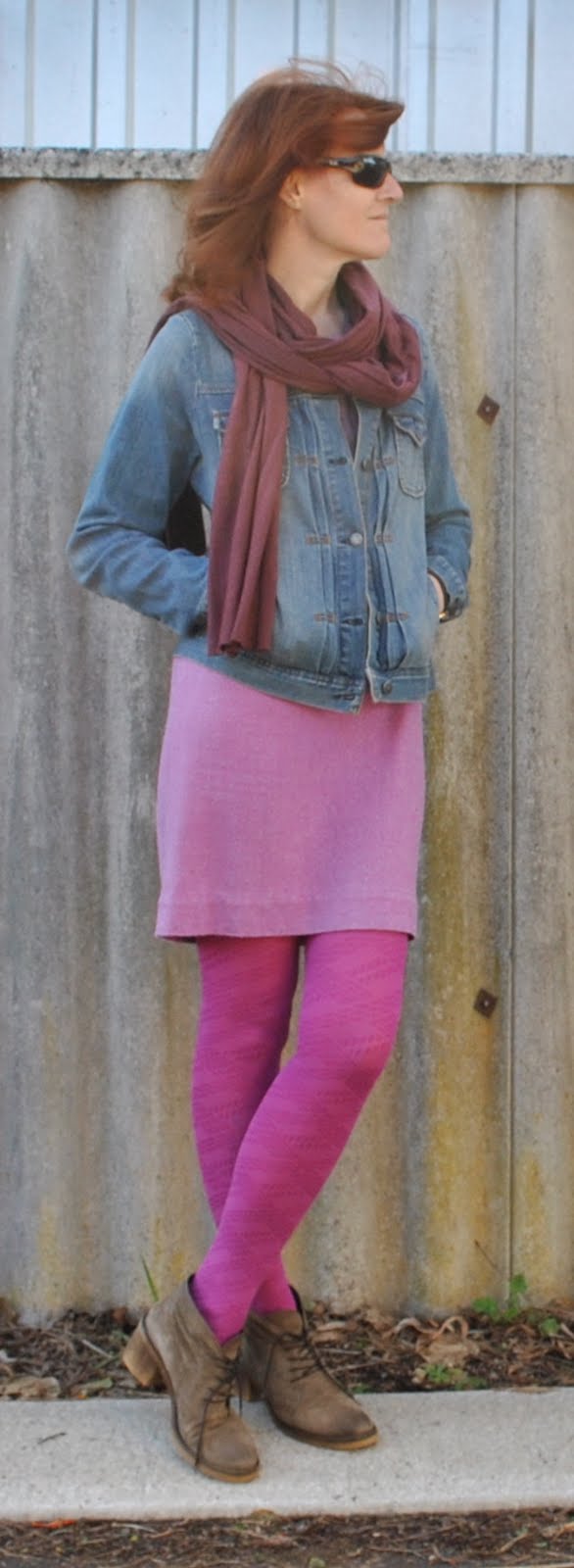
Purple sheath dress; 6 different ways

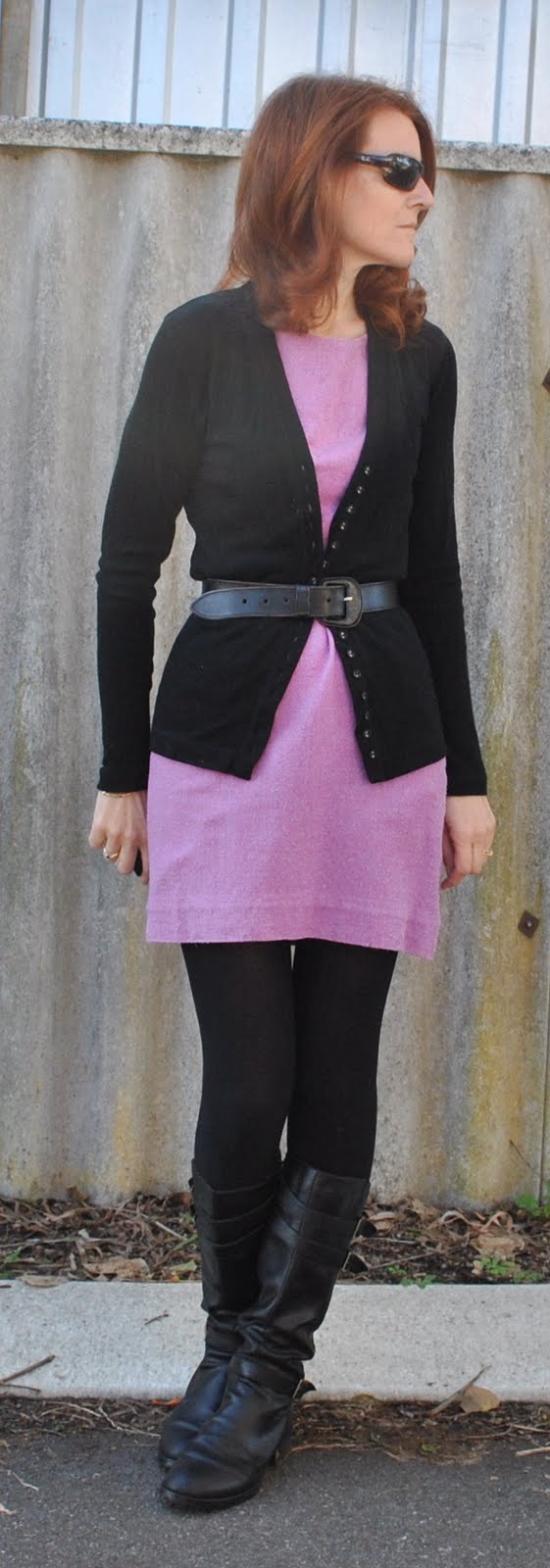
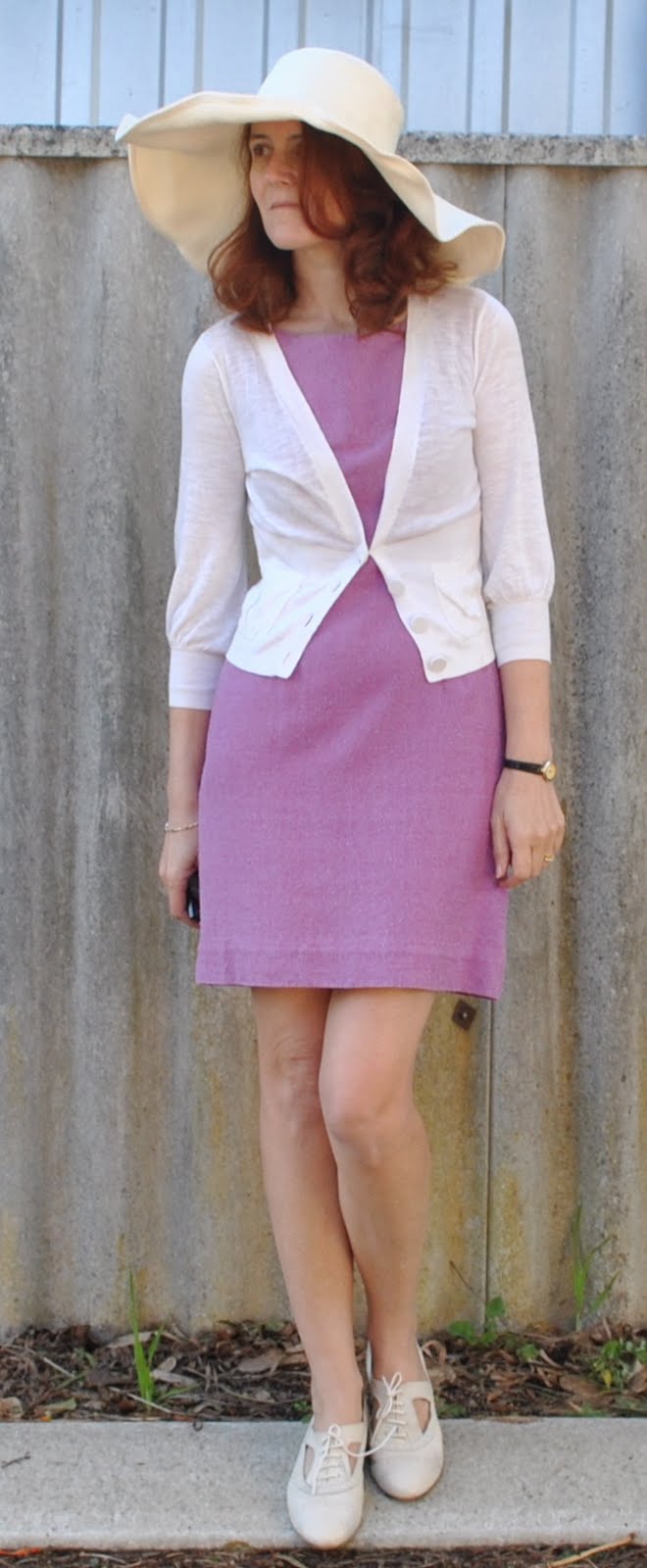
I made this silk hessian dress using Burda 8511 about a year and a half ago and yes, this dress has appeared here in a number of mixes already.  I have found the simplicity of the design to be a wonderful canvas for accessorising and layering, and the colour has proven itself to be trans-seasonal.  (look at me, pulling out all those professional-sounding stylist-type words there, hmm?) Trans-seasonal, meaning the soft violet colour is quietly pretty enough to fit in happily into a neutral cold weather ensemble, but still has enough personality to hold its own with the stronger colours of the warmer seasons; and I’ve worn it on all but the hottest of days.  Being fully lined it is kind of unsuitable for the full-on heat of summer, but it’s been such a goodie for any day of lesser temperatures.  So here we go…
Firstly, and feeling uninspired, I went to my go-to smart/casual winter styling for this dress at left.  Hmm, well maybe it is a tad ho-hum, well of course any dress goes with all black accessories… at right my next, more summery attempt at styling this dress; well now lookeee, it goes well with ivory too!  T’ank you Captain Obvious.  I’m all set if I ever get an invite to a garden party here.  Anyhoo, you can see what I mean here about the neutral-friendliness of this colour…

OK, so now getting more adventurous with colour and thinking about the warmer days ahead here… how I would wear this for a typical day spent walking along the beach?, well like this, at left.  As well, the shape of the sheath is not overly fitted so the dress can work successfully as a tunic, and for a more dressy event on a summer’s evening it can be worn over a slightly longer A-line skirt for an extra layer of colour, and with an equally colourful necklace and heels to dress it up.

And finally for the cooler days we have been getting during winter, at left the colour is not an overwhelming look-at-me shade, so that it blends OK with other smudgy neutrals, at left; and at right, on a particularly cold winters day I can really rug myself up with a scarf and denim jacket, and with some bright cheerful tights to visually punch it up.  This last look is the one I am wearing today in soccer mum and weekend going out-and-about mode.  It was cold this morning, 5C!!!  I’m so over winter, sorry…

And happily my wardrobe brainstorming session has given me some new inspirations for different ways to wear this dress to see out winter and to welcome in the warmer days of spring!
Which look here do you like the best?

pinterestmail

A leopard print daughter…

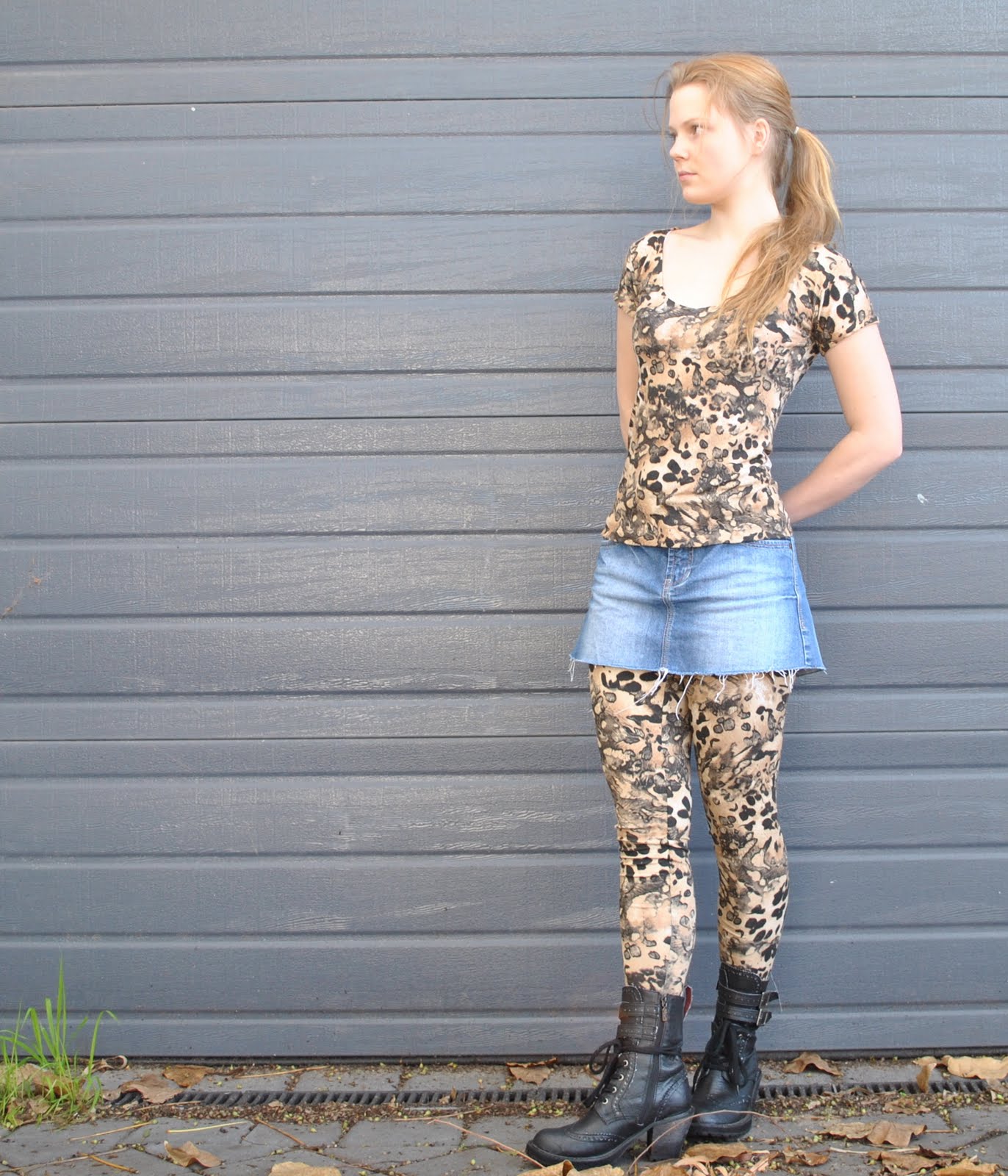
We bought enough of this gorgeous leopard print stretchy stuff in lovely caramels and warm golden brown shades to make this little Cat-girl set; Cassie made the Tshirt herself, drafting her own design based on a Tshirt she already has and that fits her well, and I made the leopard print leggings using my own pattern.
The side and armhole seams of the Tshirt are overlocked, and Cassie hand slip-stitched the lower and sleeve hems, and the neckline down in place.
Theoretically, the leggings were made to my pattern and so fit me too, but I’m doubtful I have the edge factor to pull these off! … they will be living permanently in Cassie’s collection.

Details:
Tshirt; made by Cassie to her own design, print stretch stuff
Leggings; made by me to my own design, leopard print stretch stuff, my tutorial on making your own custom fit leggings here
Denim skirt; Just Jeans
Boots; bought in Japan… tres cool, no?

pinterestmail

Ivory blouse

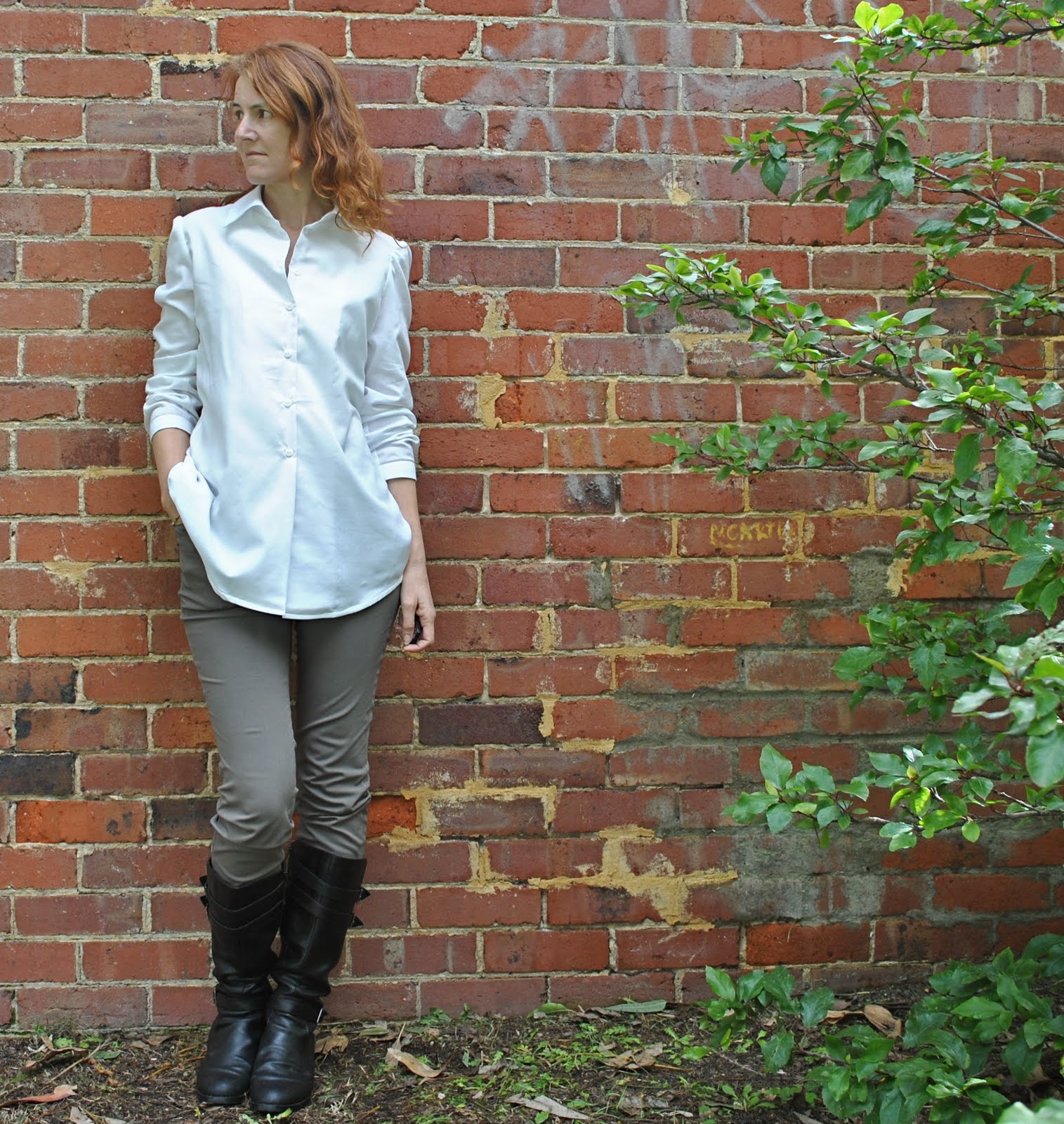
I finished a new blouse.
This is a project that took me far longer than it should have, actually.  Been working on it for a few weeks! and that is not like me…  I had it nearly finished, and then toddled off to get buttons.  Got completely distracted by a sale on at Spotlight and the dye selection and, you guessed it, came home with a heap of new dyes and some other odds and sods, as you do, but no buttons… then it was a while before I could get back to the fabric store, blah blah blah.  Then I went off it for a bit, thinking it was awfully boring and uninspiring, and it came thisclose to getting dip-dyed on the weekend, but then I came to my senses.  I think I will be glad I kept it snowy white.  Everyone could use an ivory shirt in their collection, right?  And now my husband’s white linen shirt will finally be safe from my clutches…
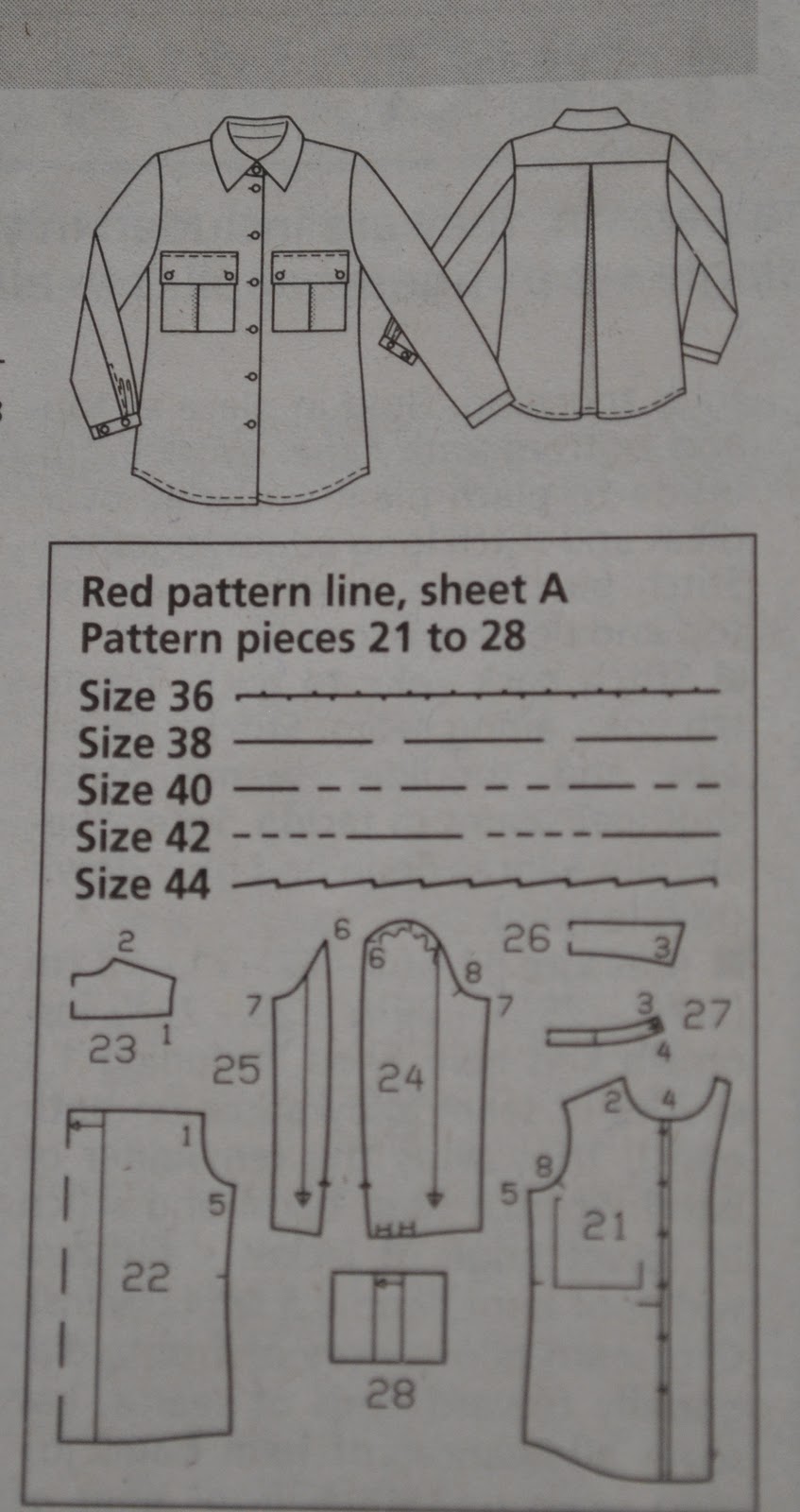
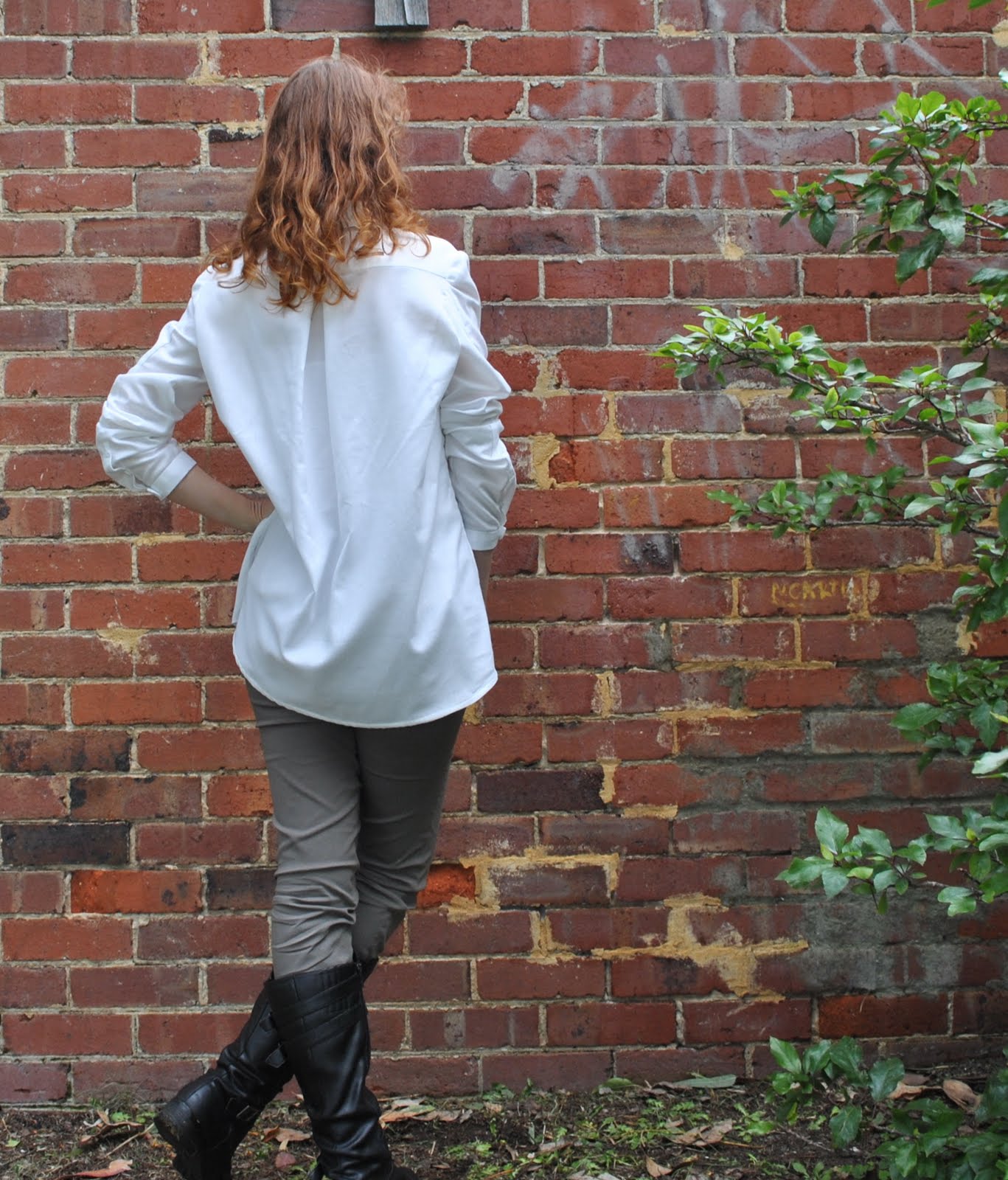
The fabric is a light slightly fluffy brushed cotton, and I used pattern 102 from Burdastyle magazine 10/2010.  I have used this pattern partially before to make my black blouse, so I know it to be quite nice; billowy but still slightly mannish.  I do like that in a ladies’ shirt.
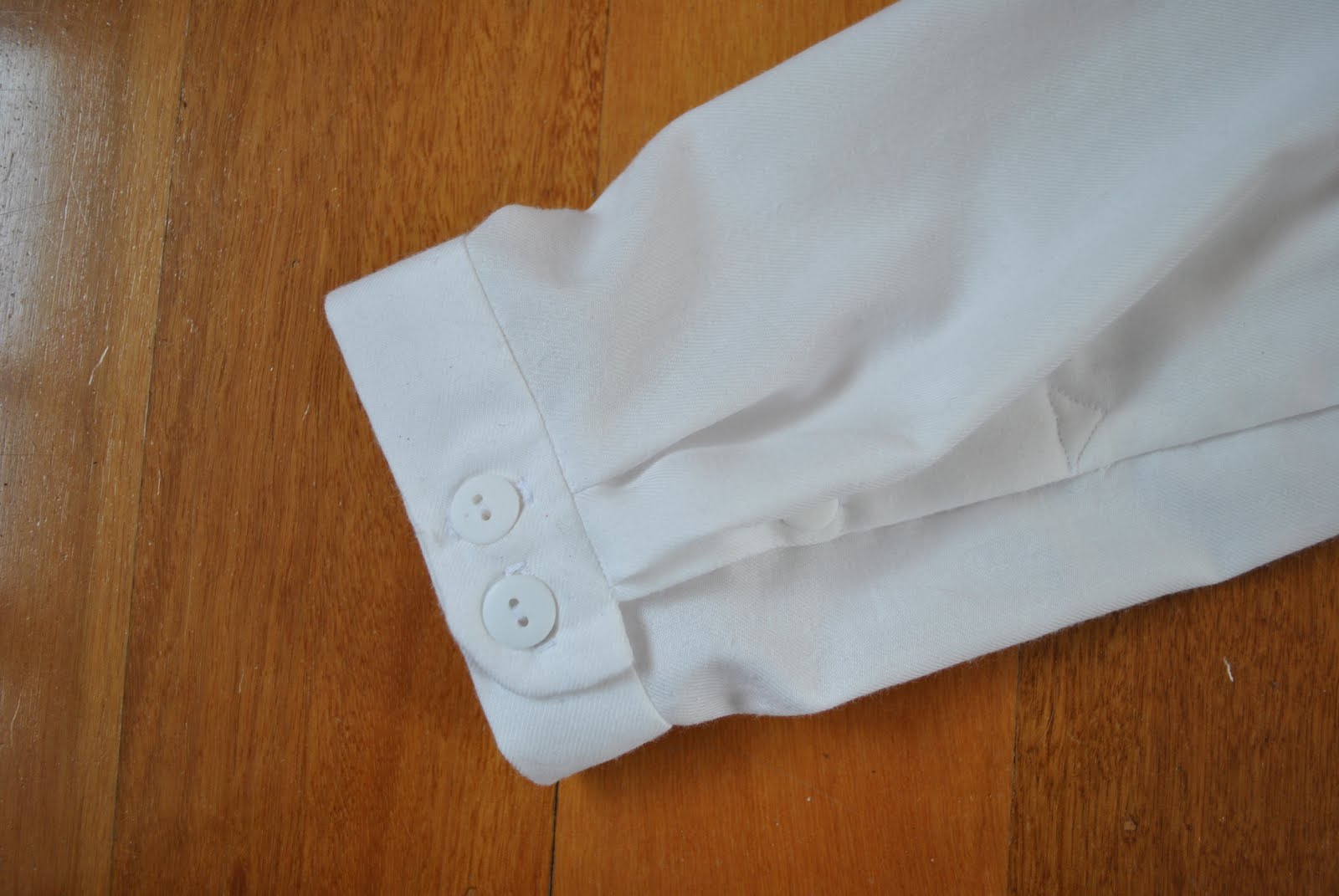
Because the fabric is slightly sheer I finished all the seams with French seaming, except for the armholes which were just overlocked.  I curved the top edge of the sleeve cuff and put on two buttons and buttonholes, one perpendicular to the other for a little touch of something interesting.  I did this because the sleeve cuff dimensions provided by the pattern are overly generous and I found them to be too long.  So rather than clipping them off to the right length I just kept them long and put in this double offset buttonhole feature for fun.

Details:
Blouse; Burdastyle magazine 10/2010, 102, ivory brushed cotton
Jeans; Burda 7863, khaki stretch gabardine, details here
Boots; Andrea and Joen, from Uggies in Dunsborough

Pattern Description:
Loose-fitting button-up blouse with two piece sleeves, cuffs, collar stand and collar
Pattern Sizing:
36-44, I made a straight 38
Did it look like the photo/drawing on the pattern envelope once you had finished sewing it?
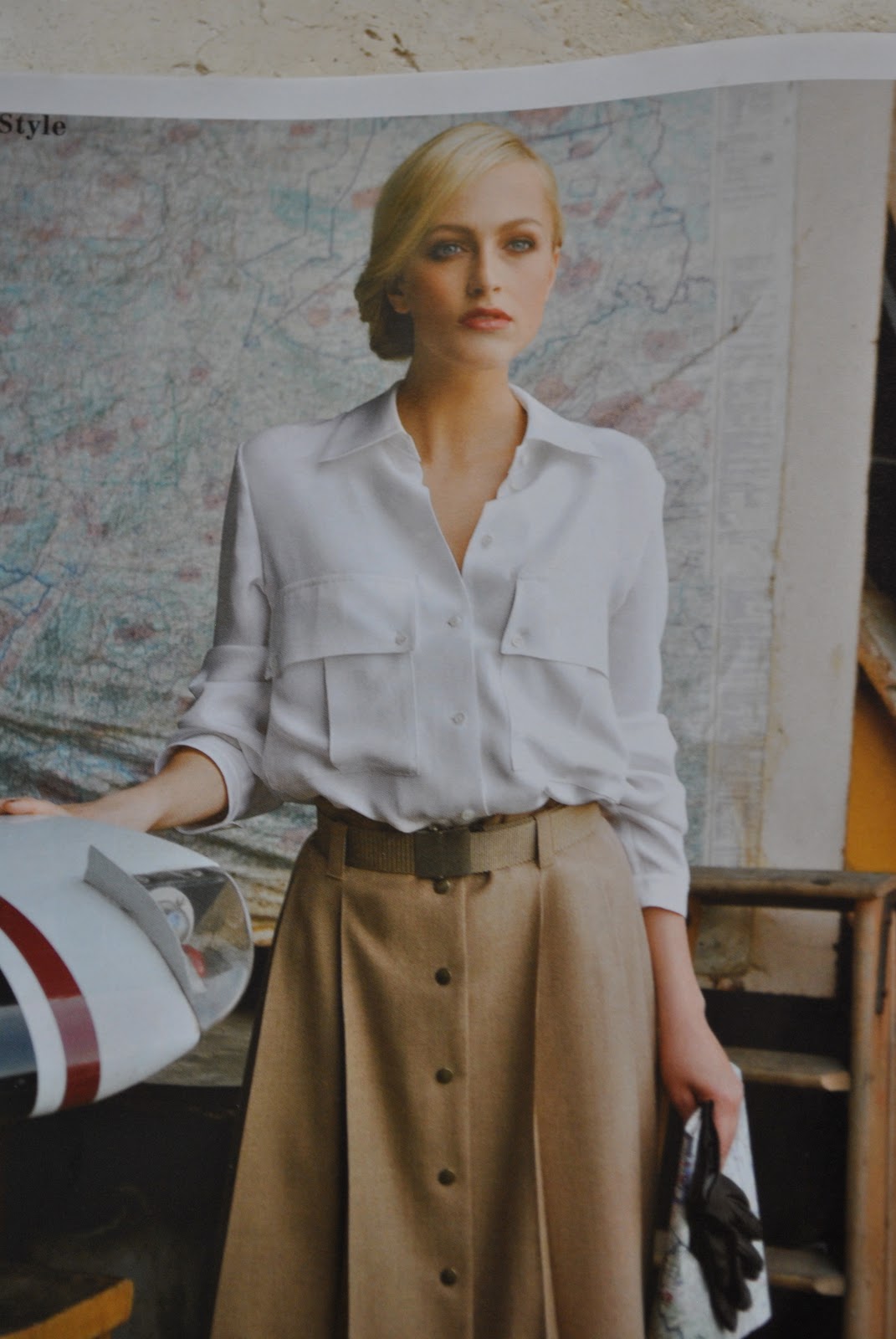
I left off the breast pockets, but otherwise yes
Were the instructions easy to follow?
If you have made up a tailored shirt before, then yes.  For a beginner I would recommend getting a pattern with step by step illustrations, like one of the big 4 for example, for a first go at a tailored shirt.
What did you particularly like or dislike about the pattern?
I love the big blouse-y shape of this blouse!  If I was making it up again, I don’t know if I would bother with the two piece sleeves but instead go with a one piece sleeve with a slit and a separate placket piece for the vent, a procedure I am more familiar with.  And these sleeves are so loose-fitting that it doesn’t seem worth the effort of that little bit of shaping you get with having the two pieces.
Fabric Used:
lightweight, slightly fluffy, brushed cotton blend
Pattern alterations or any design changes you made:
I left off the breast pockets.
The method for putting together the front facing and collar stand was inefficient in my opinion, so I did it instead by turning the facing to the outside around the collar stand and sewing it in one seam, then turning the facing to the inside.  This not only means less fiddling about with slipstitching the collar stand seam allowance under, but also means the collar stand seam allowances are down inside the facing and not up inside the collar stand itself, meaning less bulk.  The usual issue of all those bulky seam allowances inside the collar stand are a slight pet peeve of mine, and I thought having a front self facing that branches up into the shoulder seam is a great solution to this small problem…
I also altered the button placement.
The pattern stipulates one yoke piece; I cut two and enclosed the seam allowances of the back piece and shoulder edges of the front pieces between the two yoke pieces.  A double thickness yoke is more stable too.
The cuff dimensions are generous and I found them to be too long; but I kept the extra length, curved off the top edge and just had two buttonholes and two buttons, for an interesting little feature.
Would you sew it again? Would you recommend it to others?
Probably I will sew this again sometime, and yes, I do recommend this to others!
Conclusion:
Nicely blouse-y and feminine, but still with a slightly tailored and mannish air about it, so I am pretty happy with the look of this lovely and flattering pattern.  I think I will get a tonne of wear out of this!

pinterestmail

French seaming…

I am making a blouse for myself using a fabric that is a smidge on the sheer side, and when one is using light or sheer fabrics the seam allowances inside your garment can be very visible from the outside.  French seaming might seem like a lot of extra work, but it’s not so much really… if you plan to overlock your seams to finish then you are still running over each seam twice anyway so French seaming is the same amount of sewing time…  and you want your handmade garment to look as nice as possible, right?  

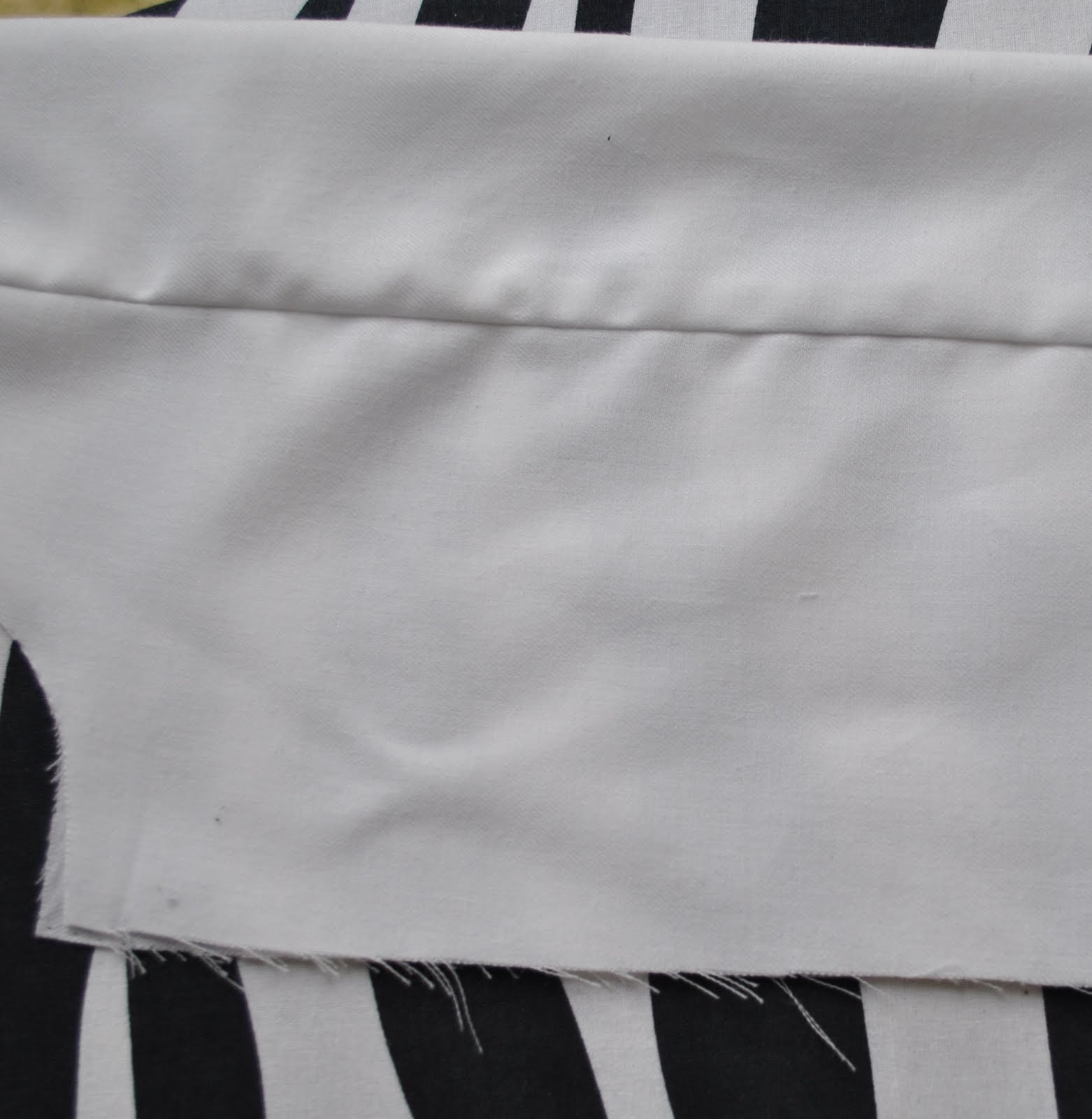
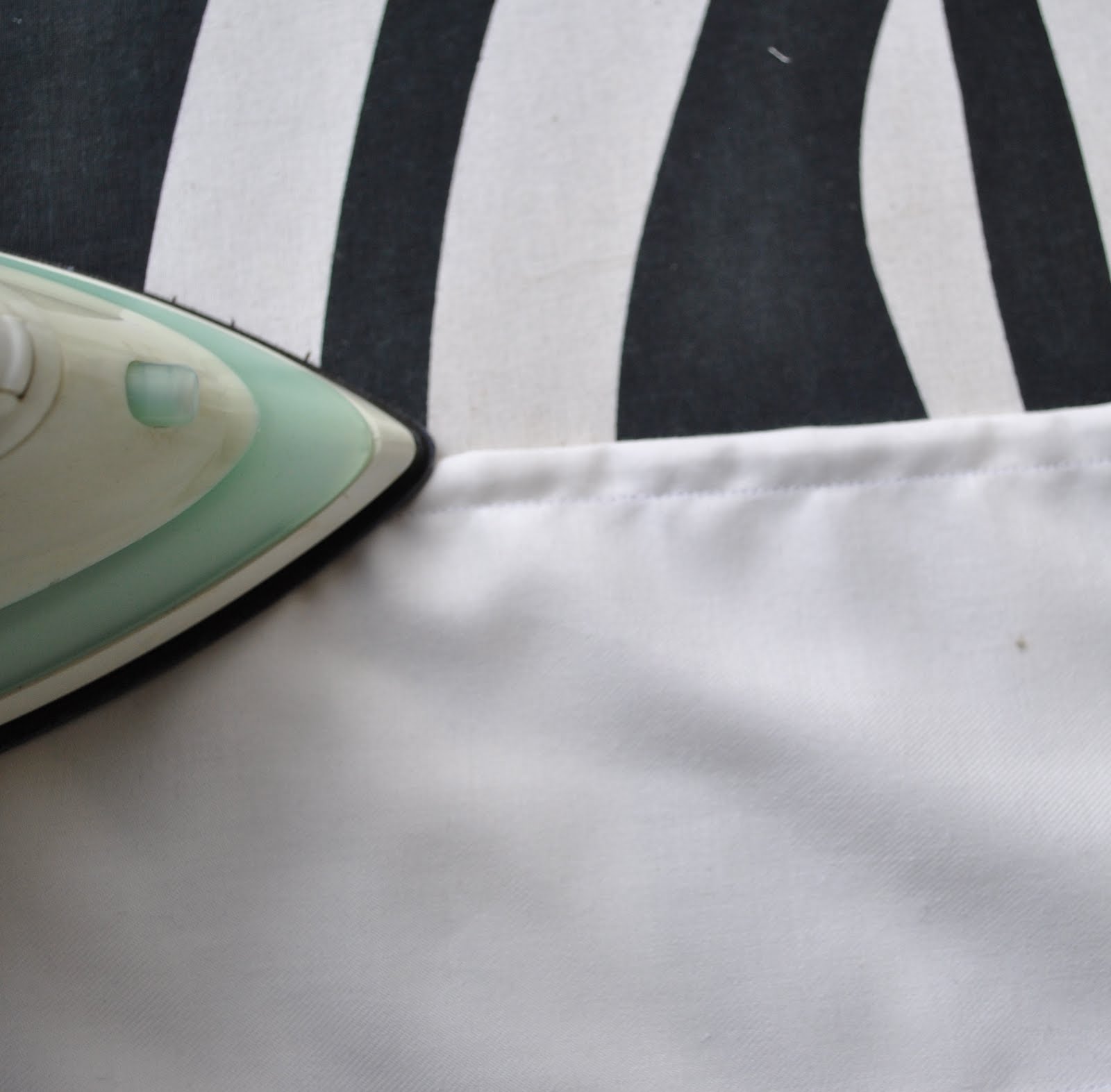
When sewing a French seam, the fabrics are firstly laid wrong sides together, and the raw edge sewn together in a narrow 5mm (1/4″) seam.  I know, I know, it seems all wrong wrong wrong to sew the fabric wrong sides together, goes against everything we’ve ever done as seamstresses before… but bear with me here… it all comes right in the end.

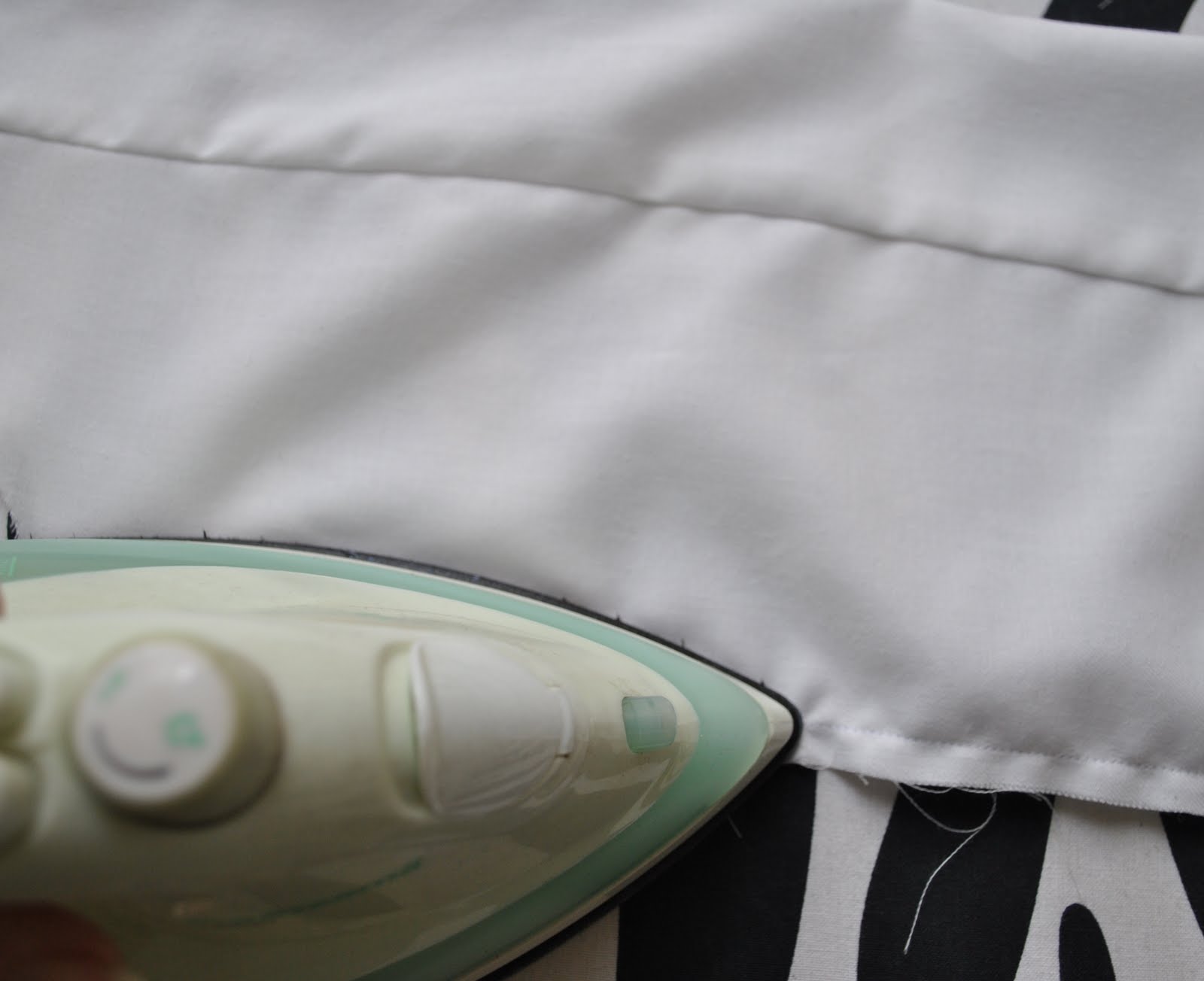
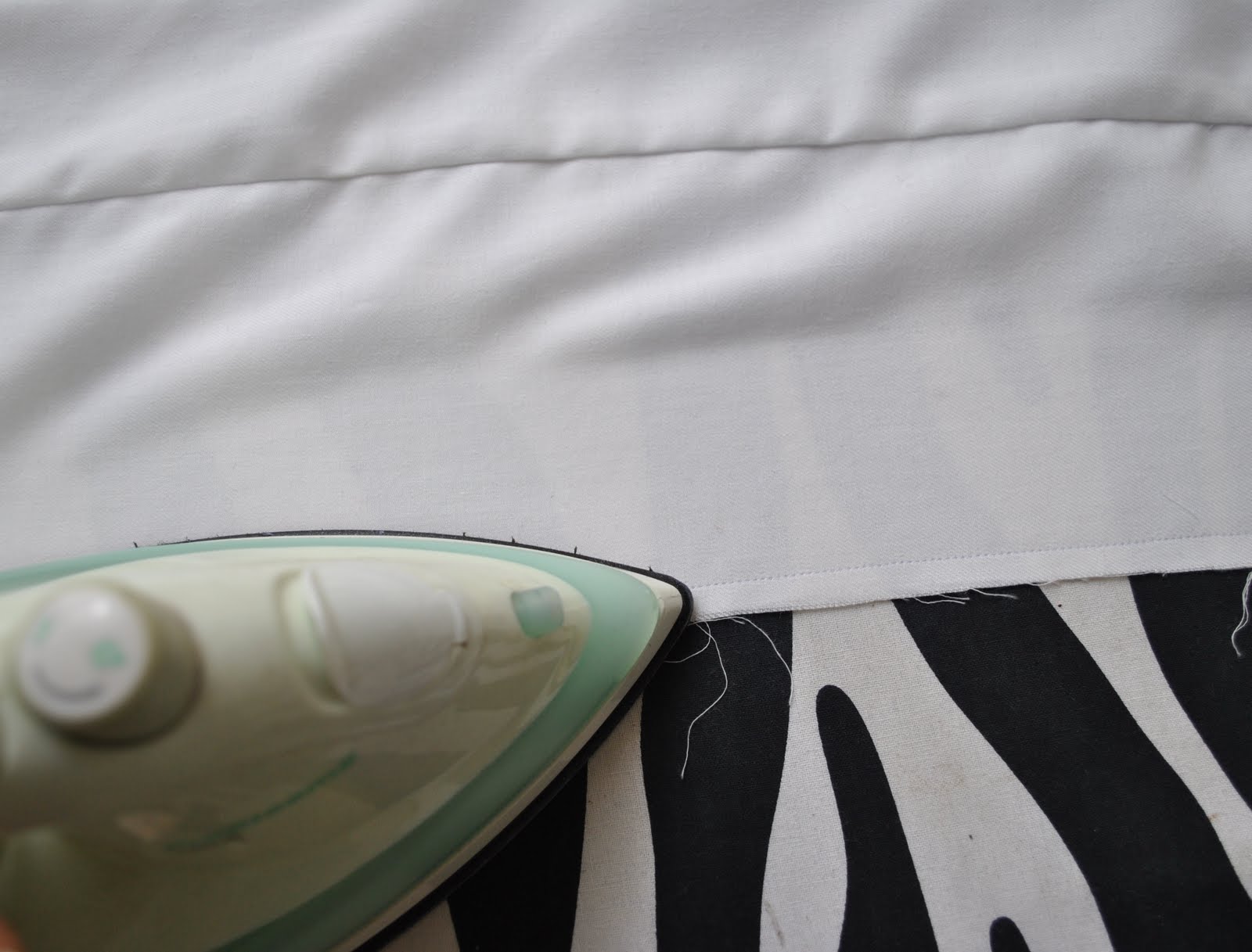
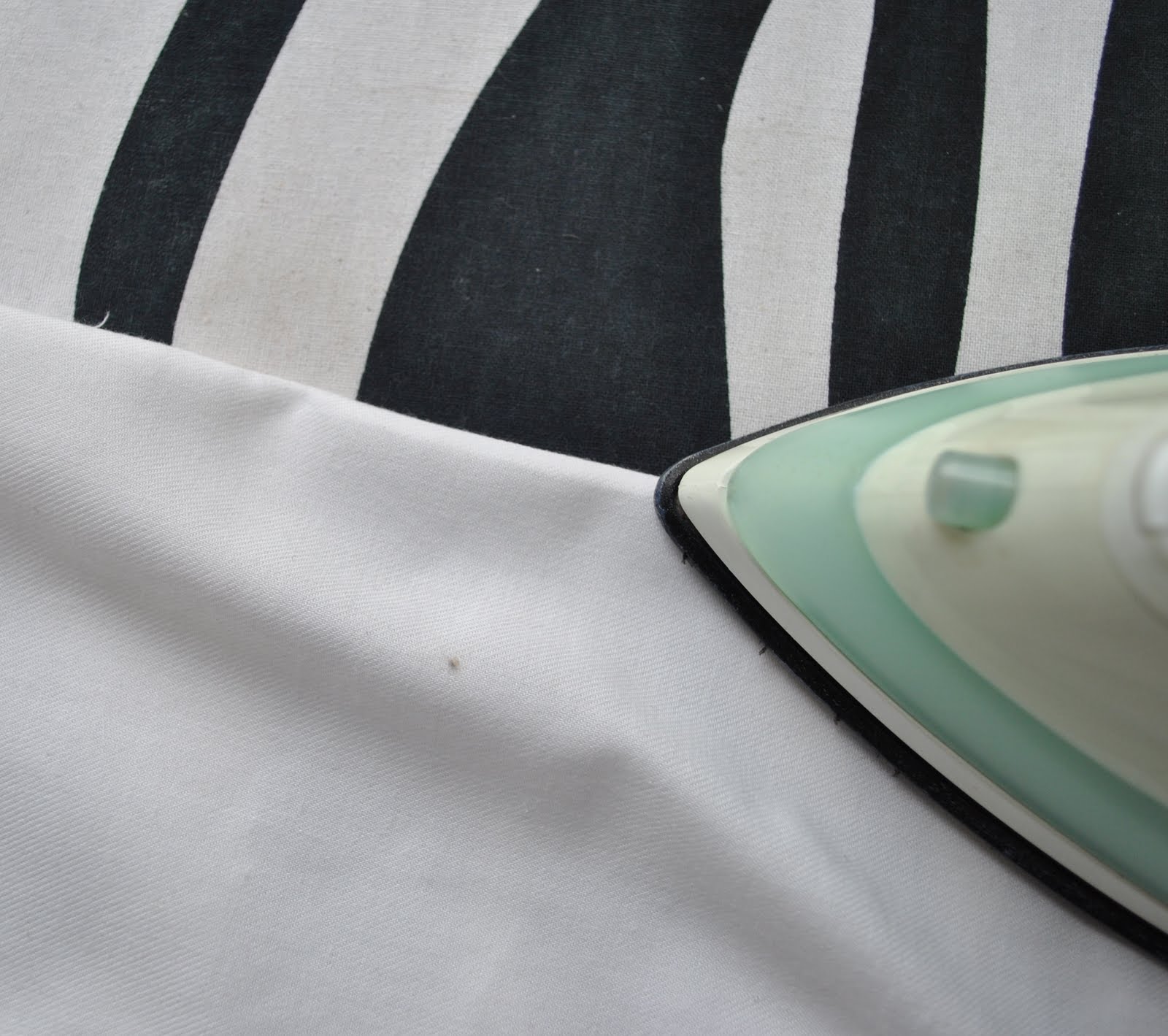
Press the sewn seam nice and flat.

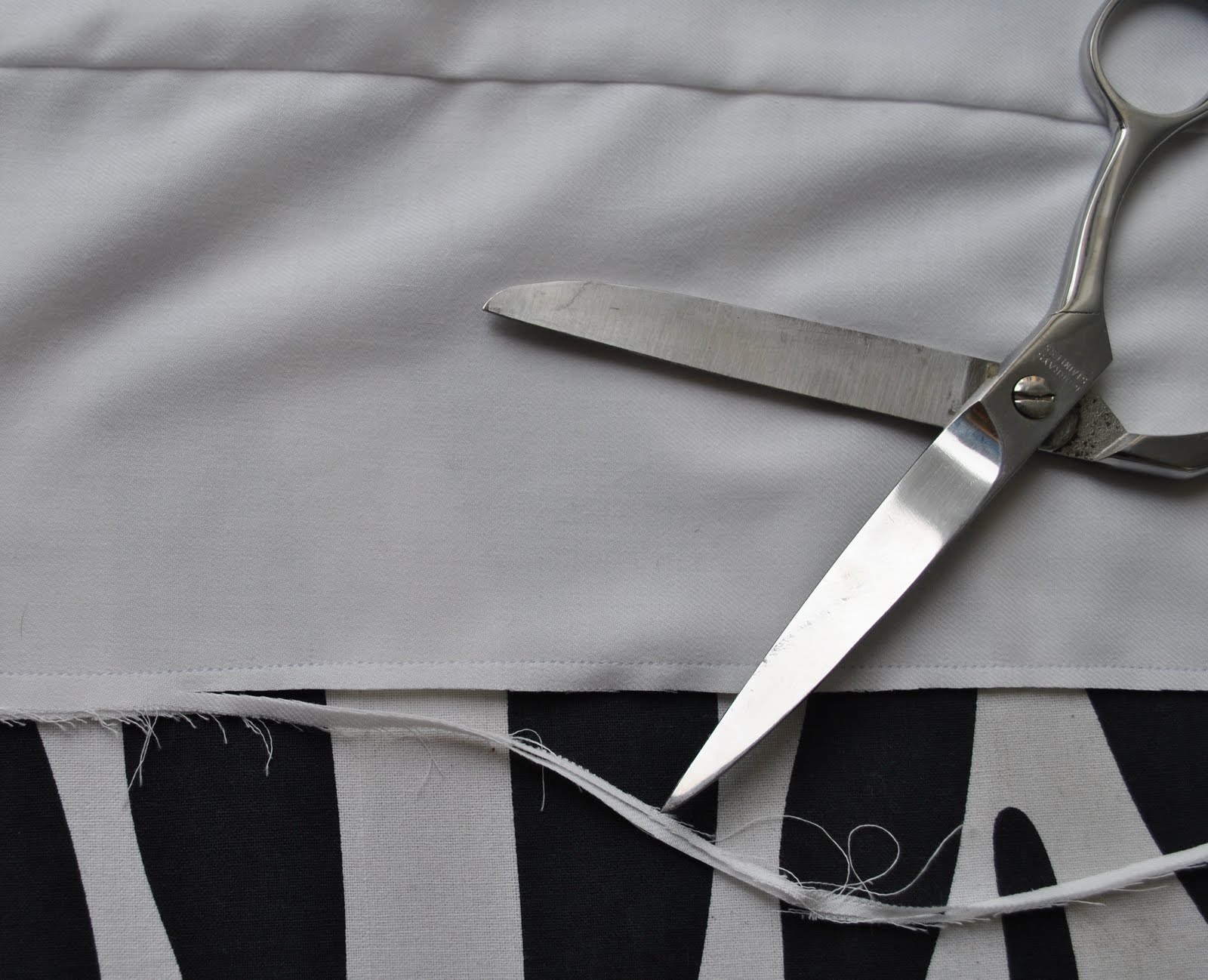
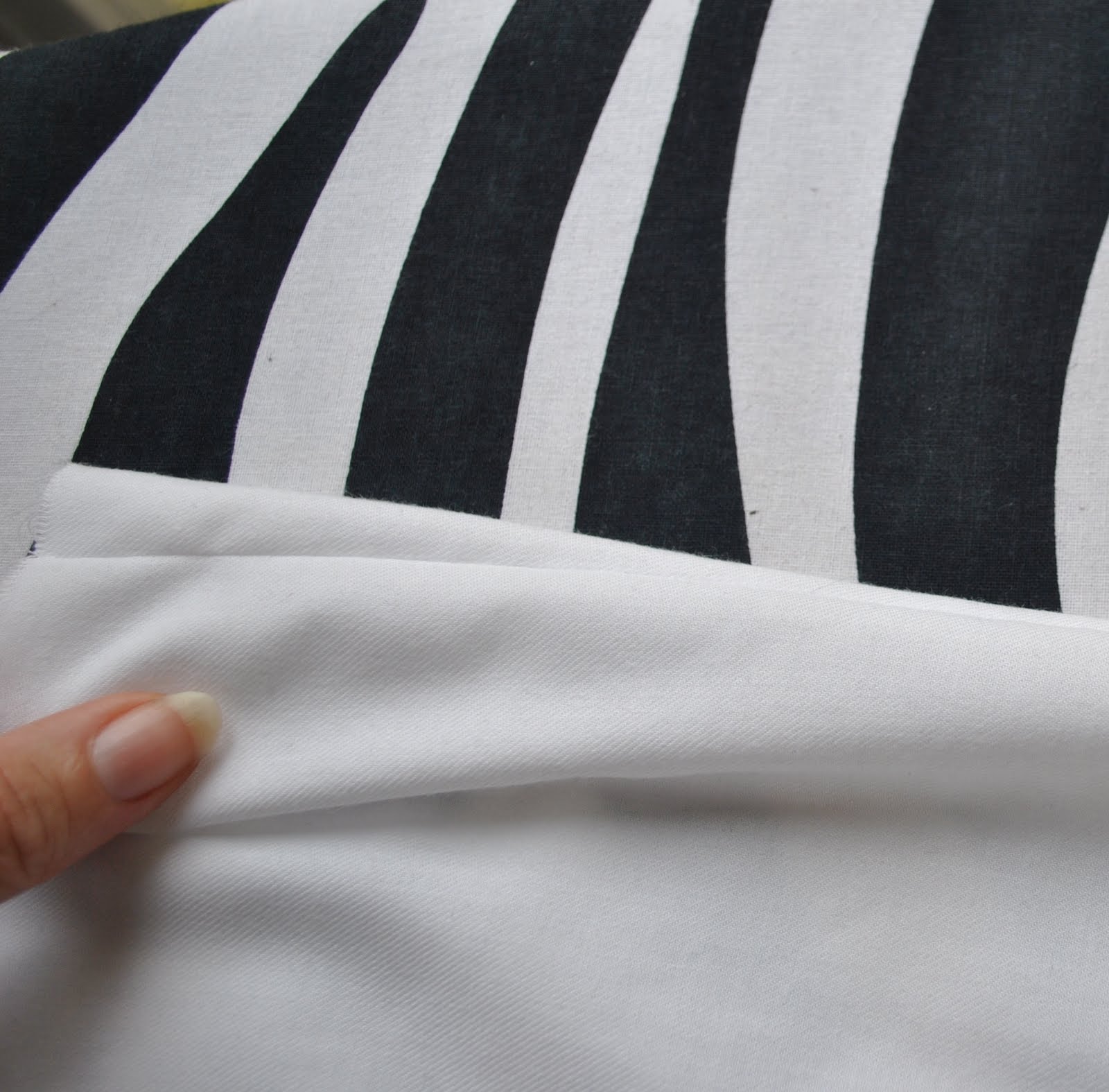
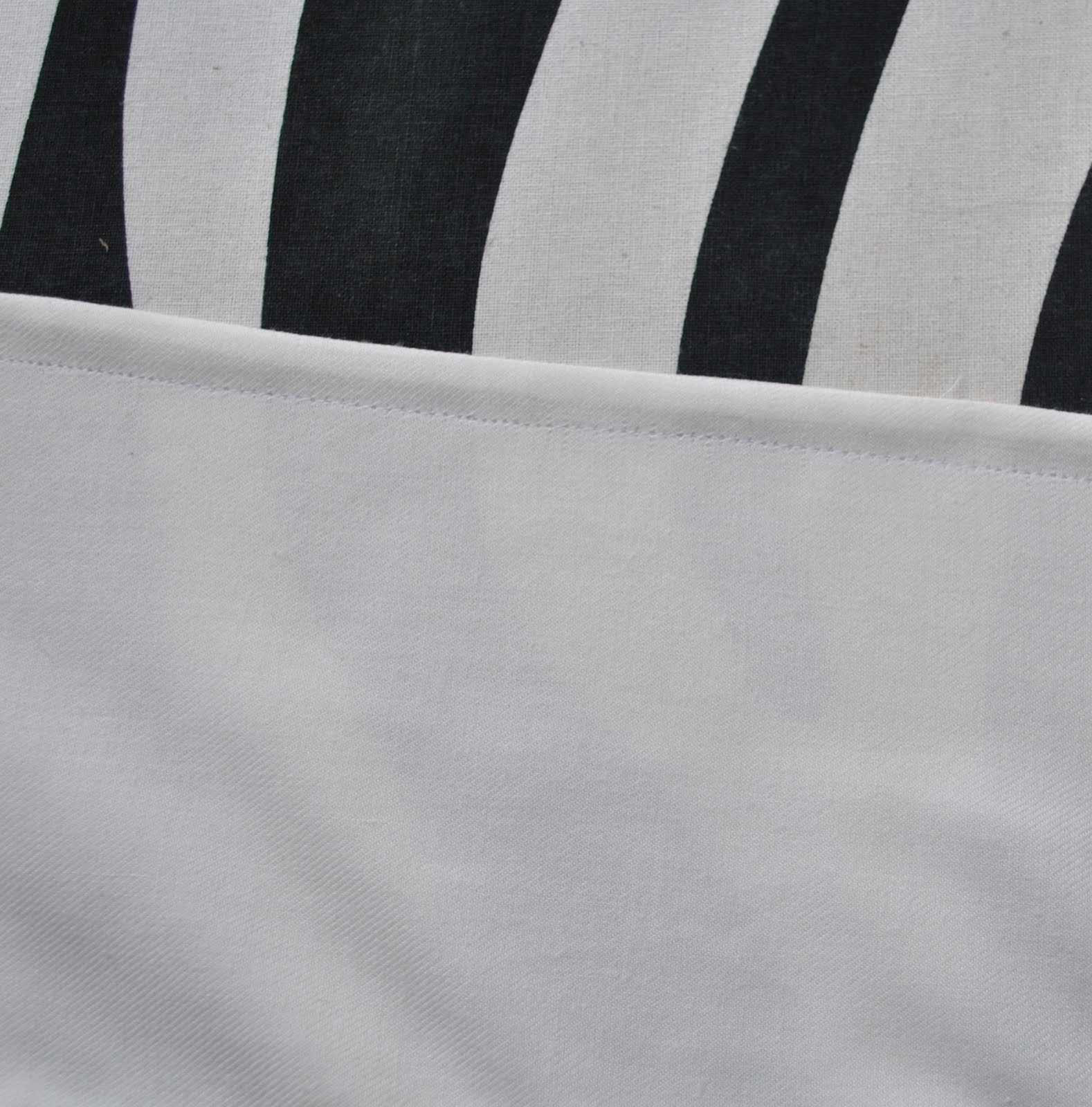
Trim the raw edges to an even 3mm.  It is a good idea to do this step, even if your fabric edge is perfectly cut and not fraying at all, although if you are anything like me, you’ve cut out your fabric maybe a few days before and it is already starting to fray a little just sitting there making this step an absolute essential.  Trim them anyway… and as straight as possible.

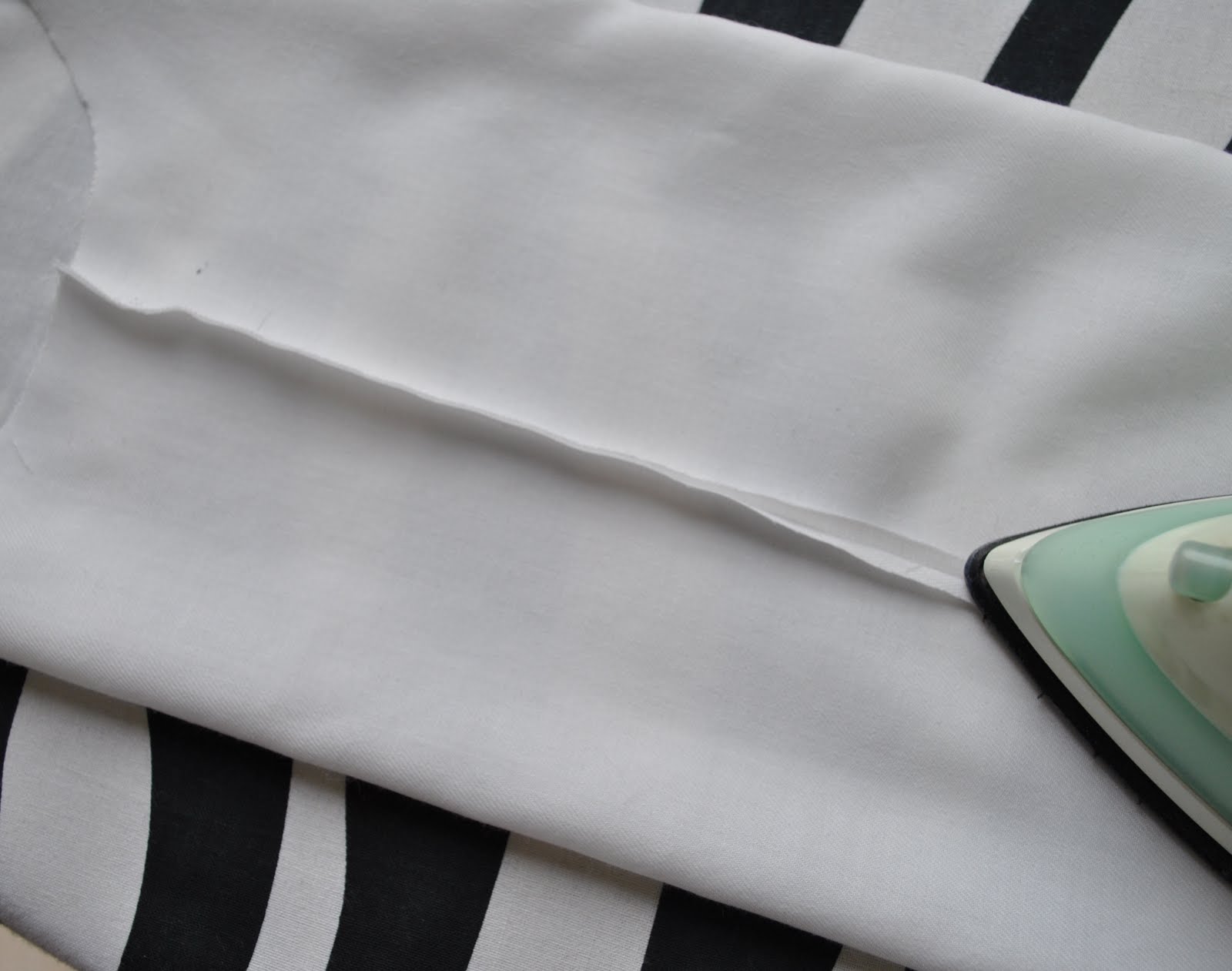
Open the fabric pieces out and press your new mini seam open…

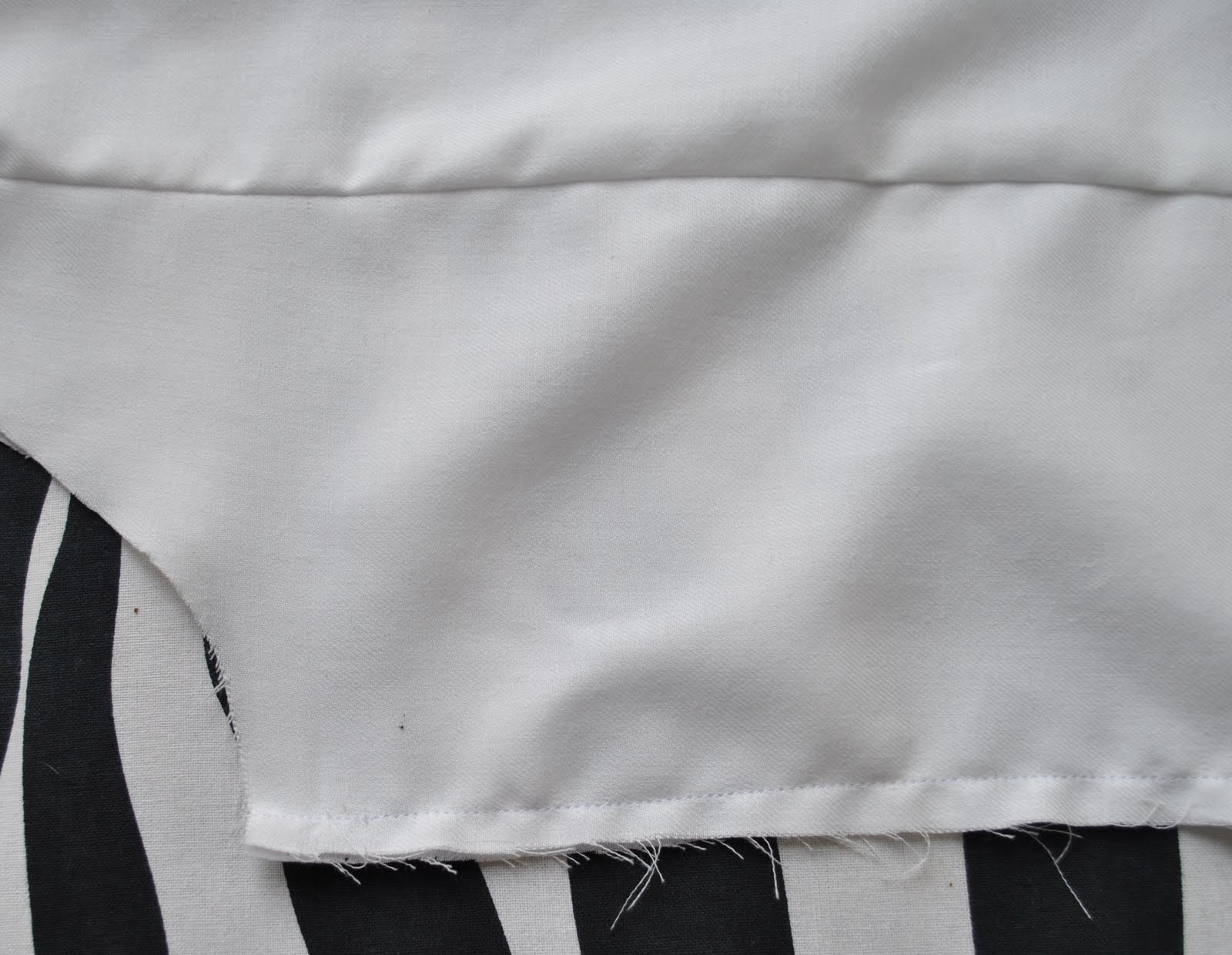
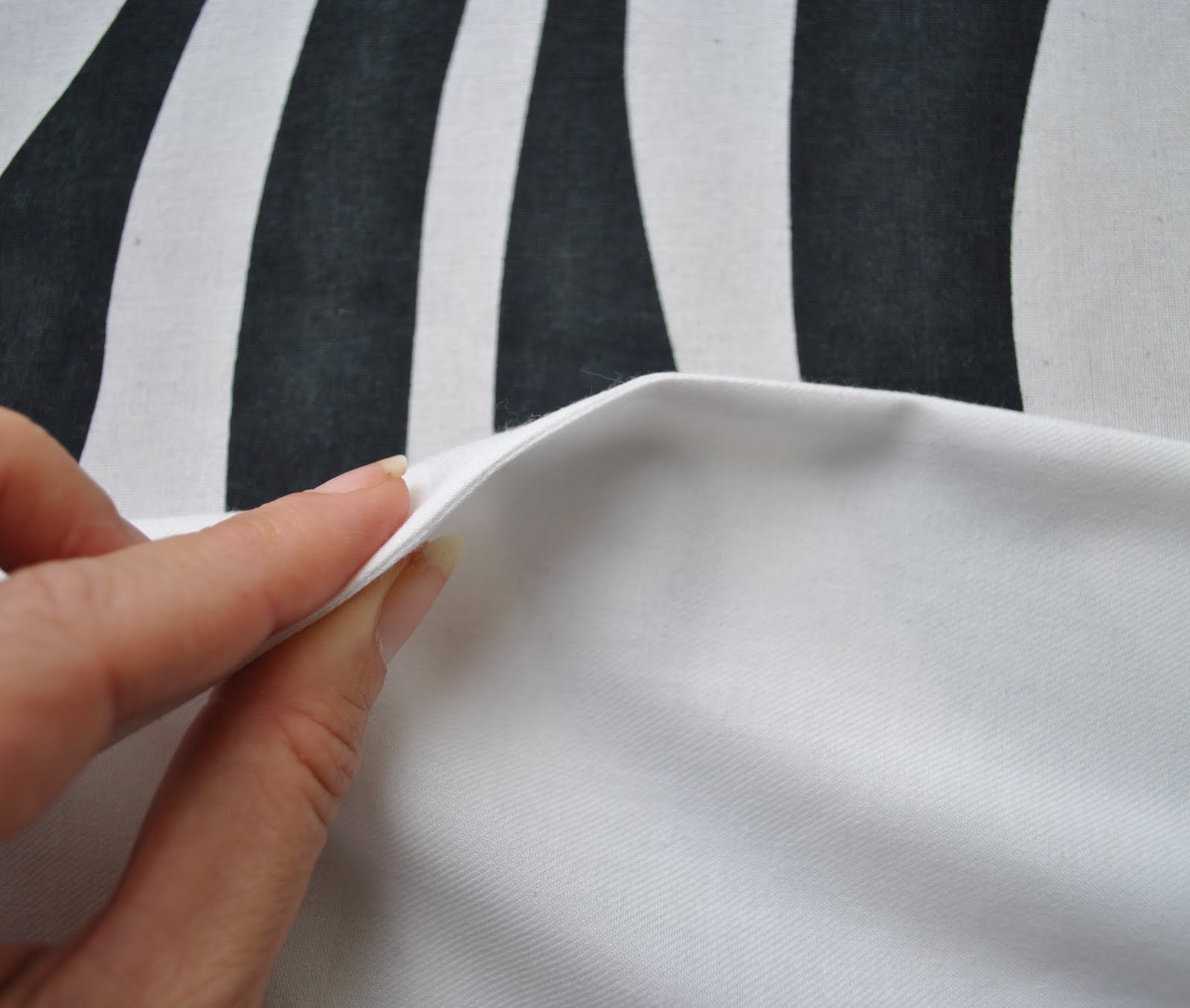
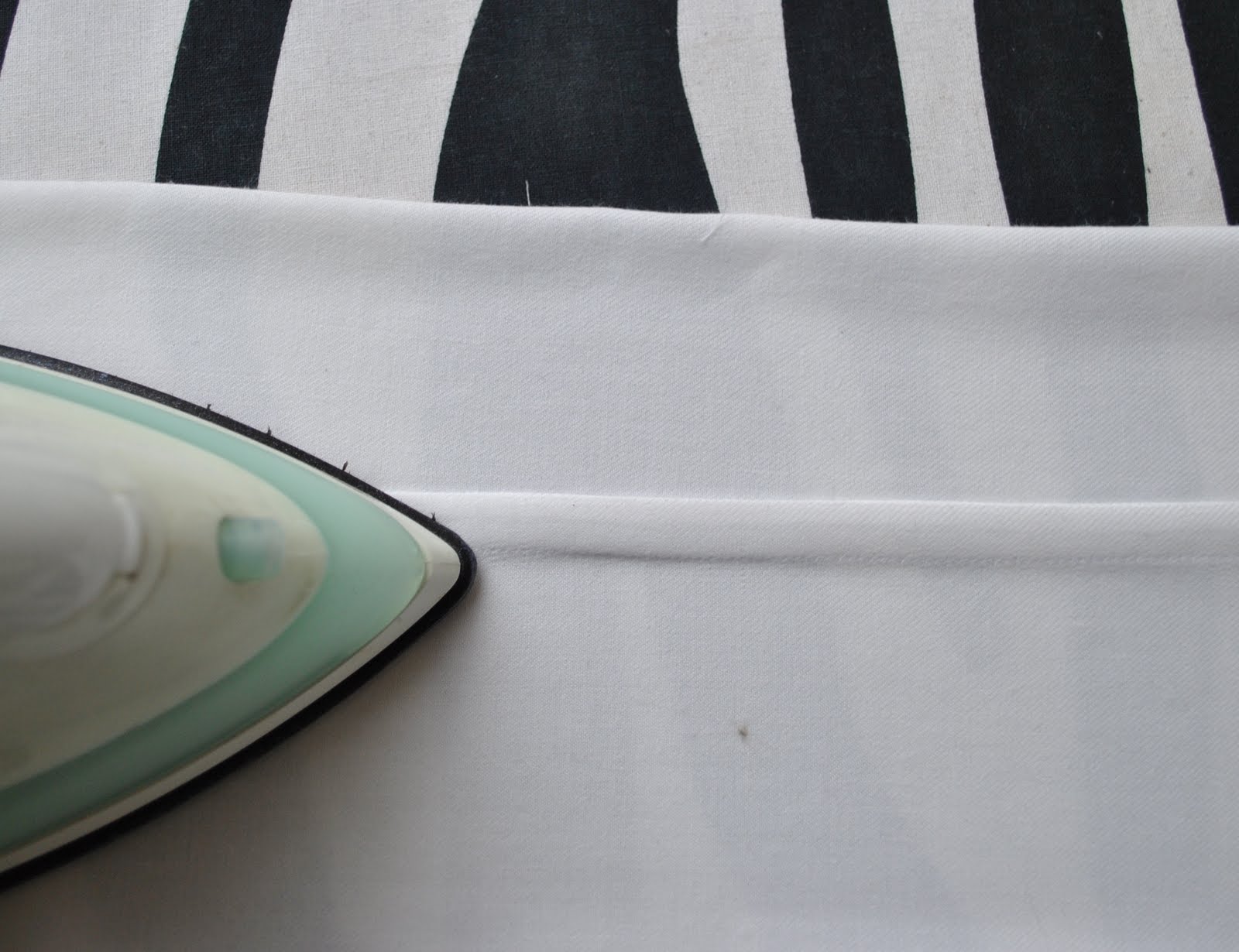
Now turn the fabric over, fold with the right sides of the fabric together (and all is right with the sewing world again…) and fold flat along the new seam edge.  Try to get that sewn edge of the seam right slap bang on the fold, and press in as sharp a knife edge as possible…

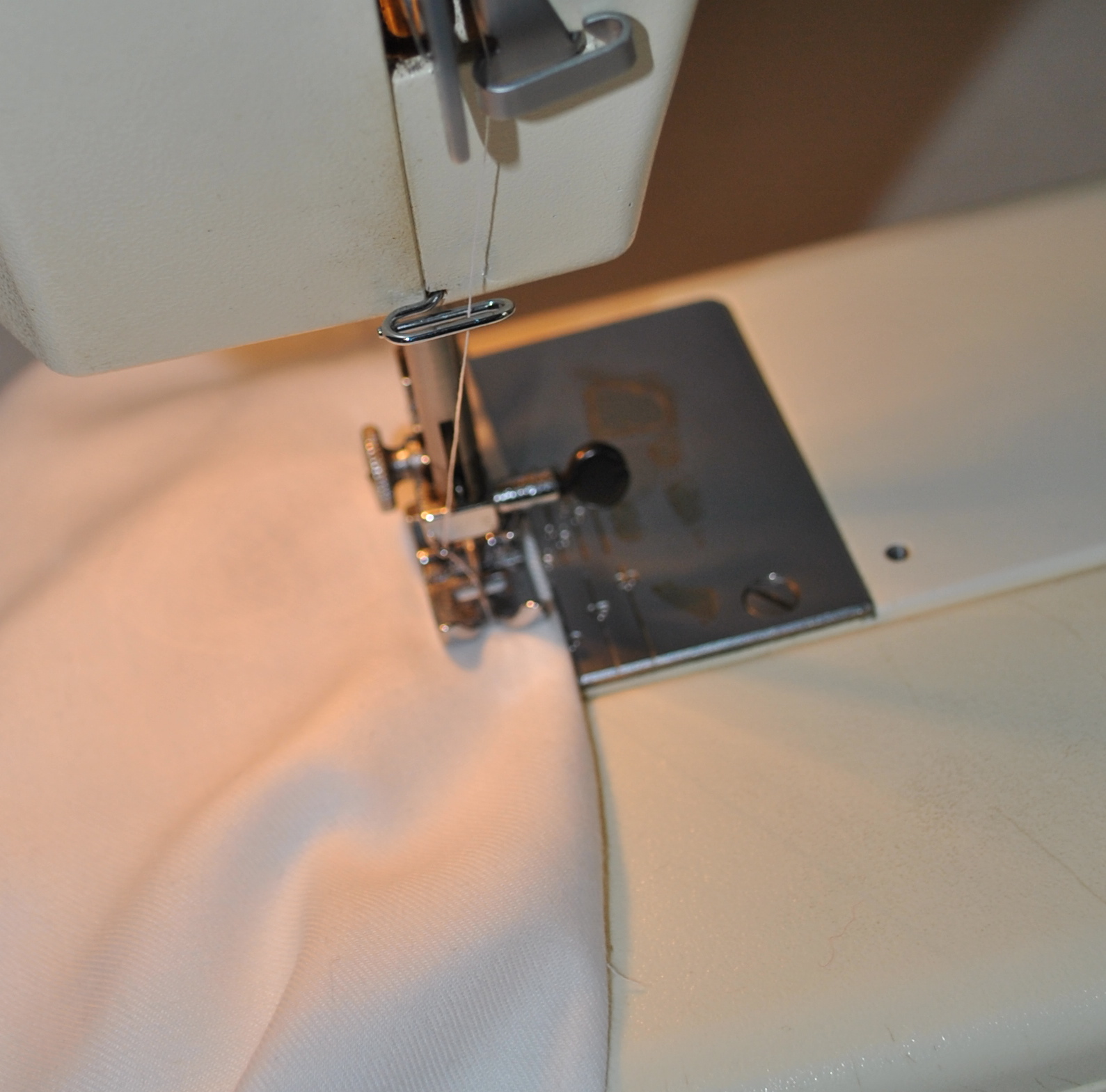
So with the right sides of the fabric now together, and treating the fold you have just pressed as your new “edge” of fabric, sew a new seam 1cm (3/8″) in from the fold.

Press the sewn seam.

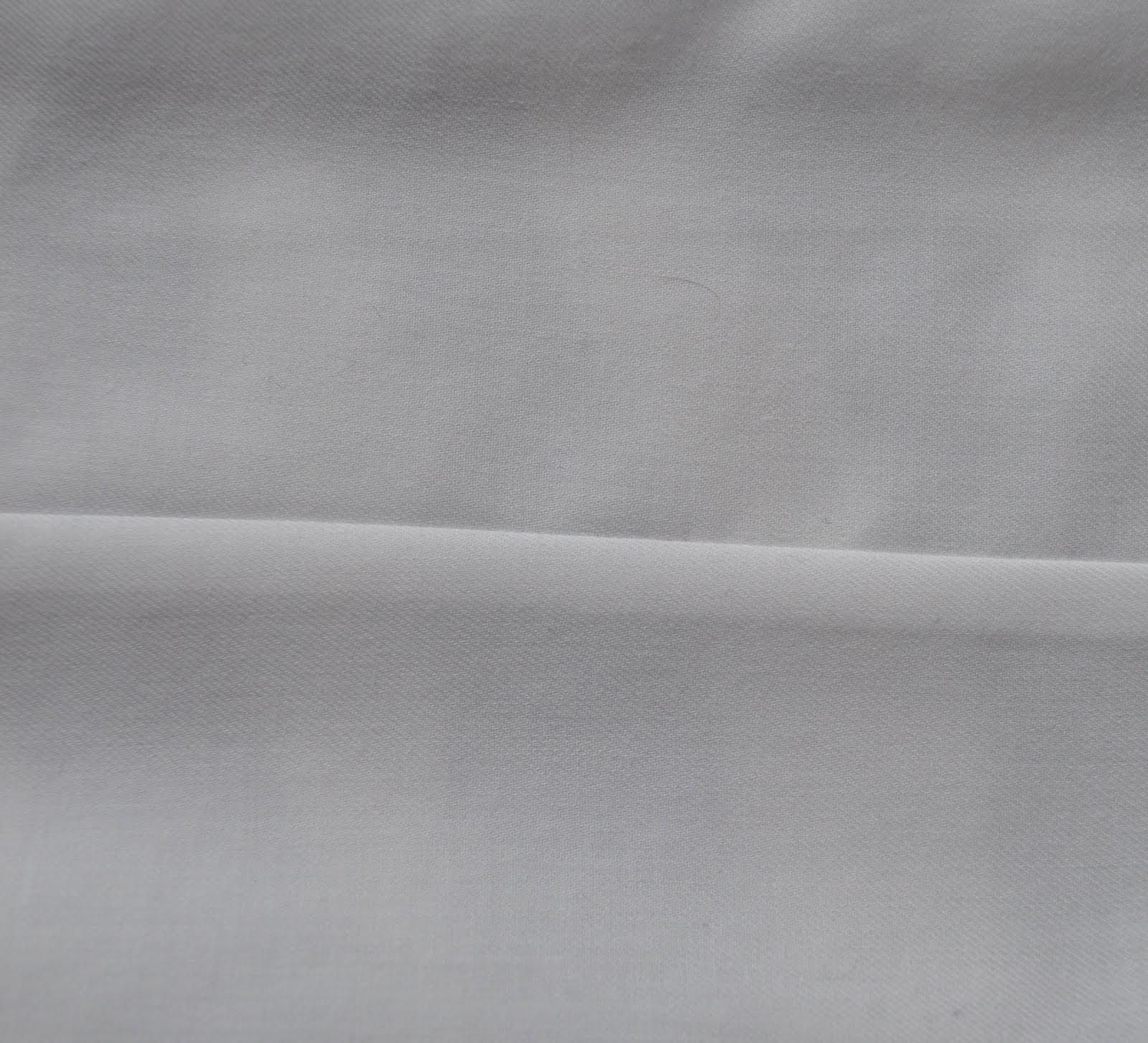
Open out the fabric and press the new French seam to one side.  Exactly which side you press it to depends on which seam within the garment you are sewing…  I have a roughly blanket guide to myself of pressing seams towards either down or towards the back of my garment, whichever is more applicable, but I’m sure everyone has their own preference here…

There you have it!  From the outside your seam looks like an even width 1cm line.  This is a neat and tidy finish with no bit-sy ratty threads showing, and (if immaculate insides are your thing) as beautiful on the inside as on the outside. 

pinterestmail

Dip-dyed wrap “f”

While I had the dye-pot filled with blue dye, I took the opportunity to do another little dyeing experiment I’ve been dying to try out  (hehe, little play on words there, see, see?)
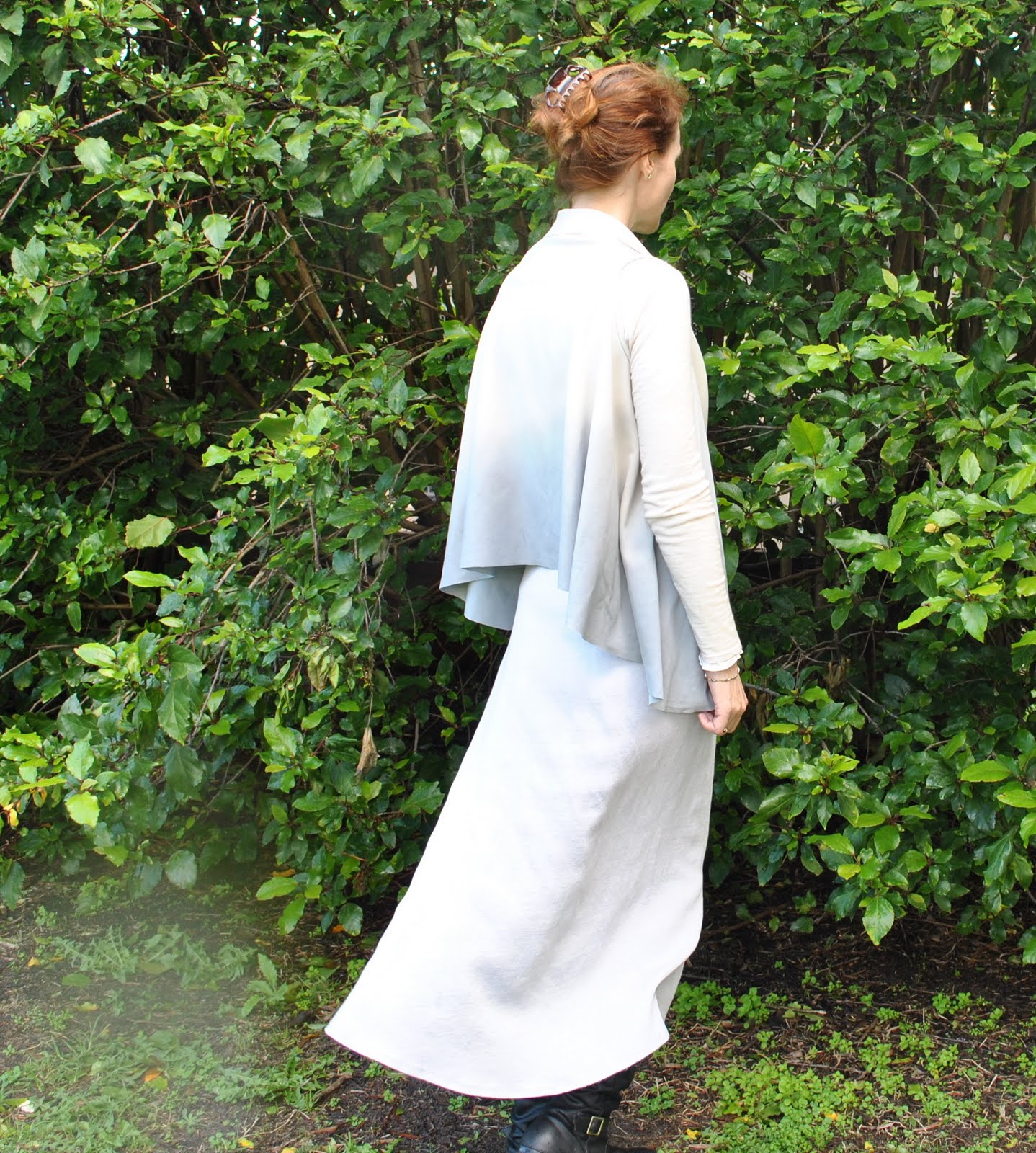
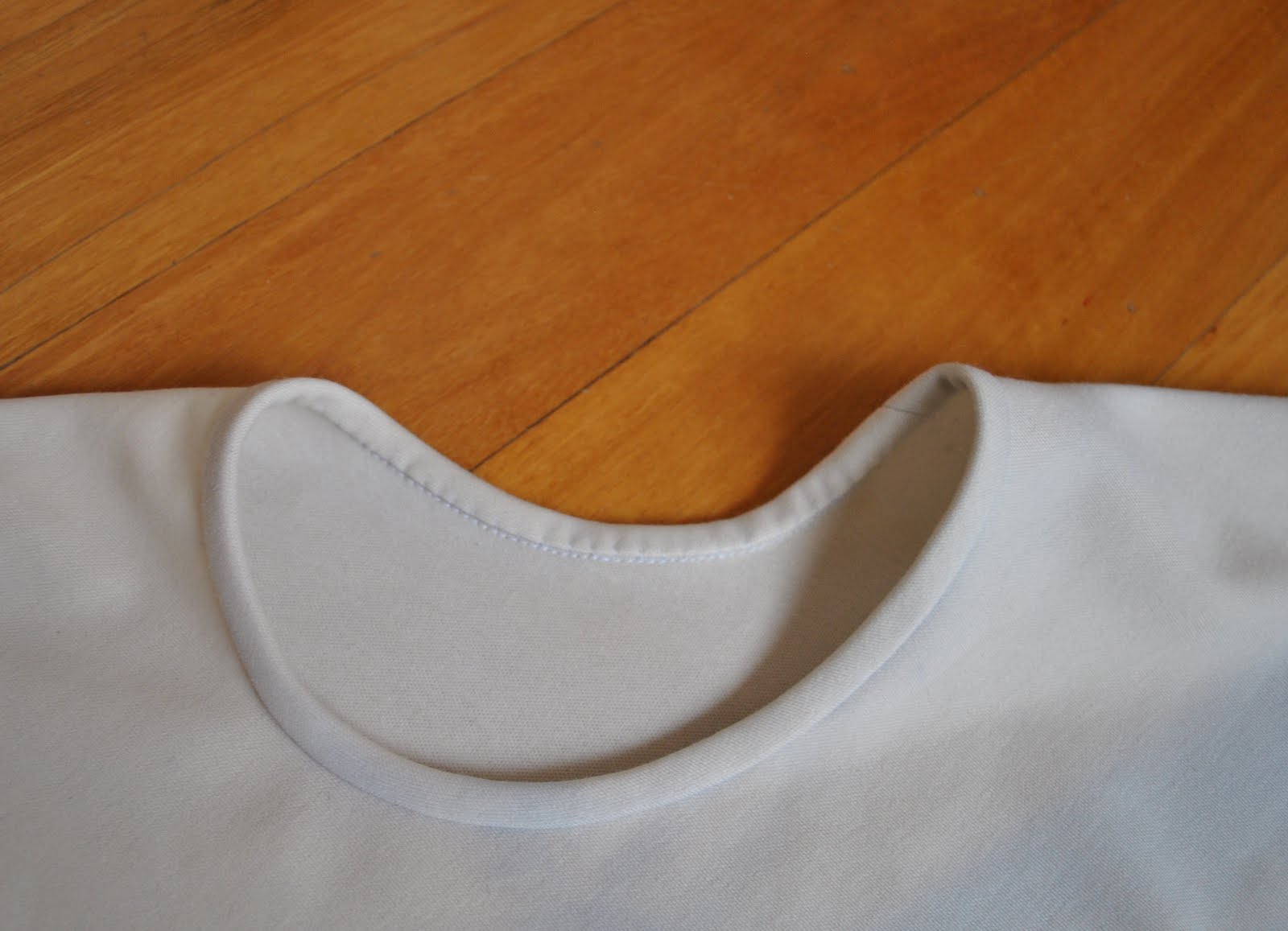
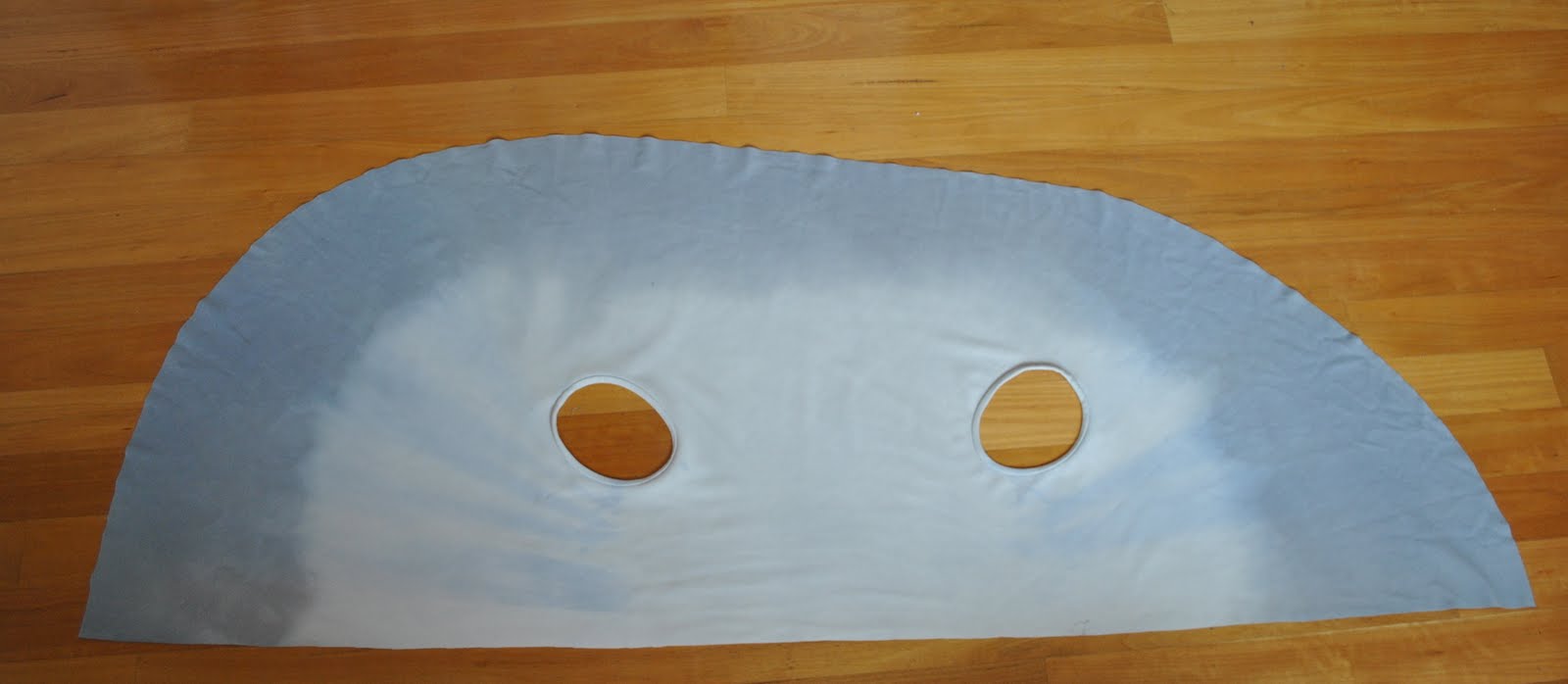
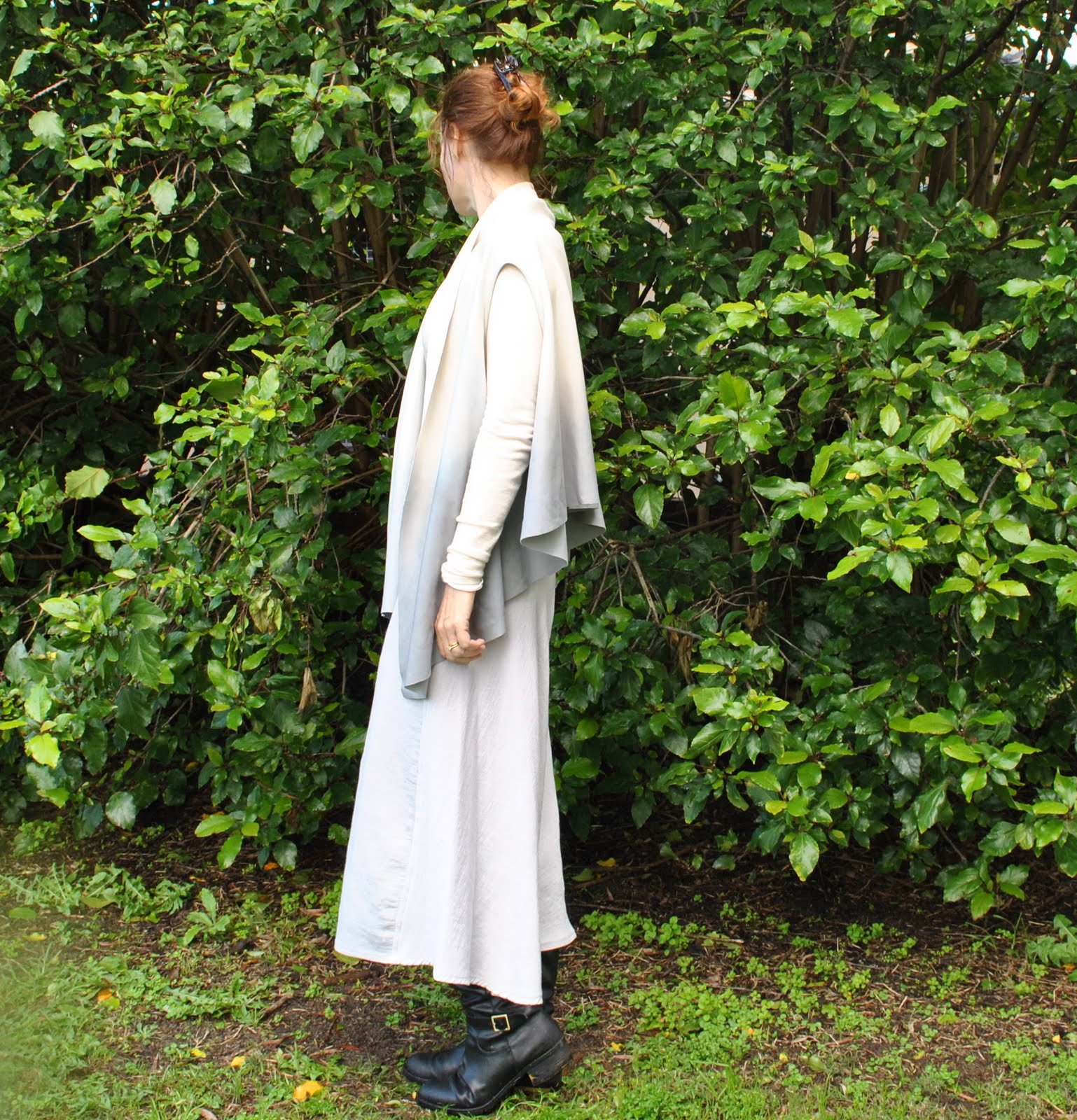
I made this wrap top “f” from the Japanese pattern book Unique Clothes Any Way You Like, by Natsuno Hiraiwa, using the piece of creamy coloured knit stuff leftover from after I had made this top.  This is a very very easy pattern btw, simply a flat asymmetrical half ellipse, with two armholes cut out in the middle.  I edged the armholes with bias strips of the same fabric as recommended, for strength and some extra stability in the armholes, but didn’t hem as this fabric doesn’t fray.  Also it is quite thick and substantial, and I thought a hem would have been too bulky and spoilt the smooth ripply effect of the fall of cloth.
Couldn’t be easier!

Now for the dyeing bit of it….
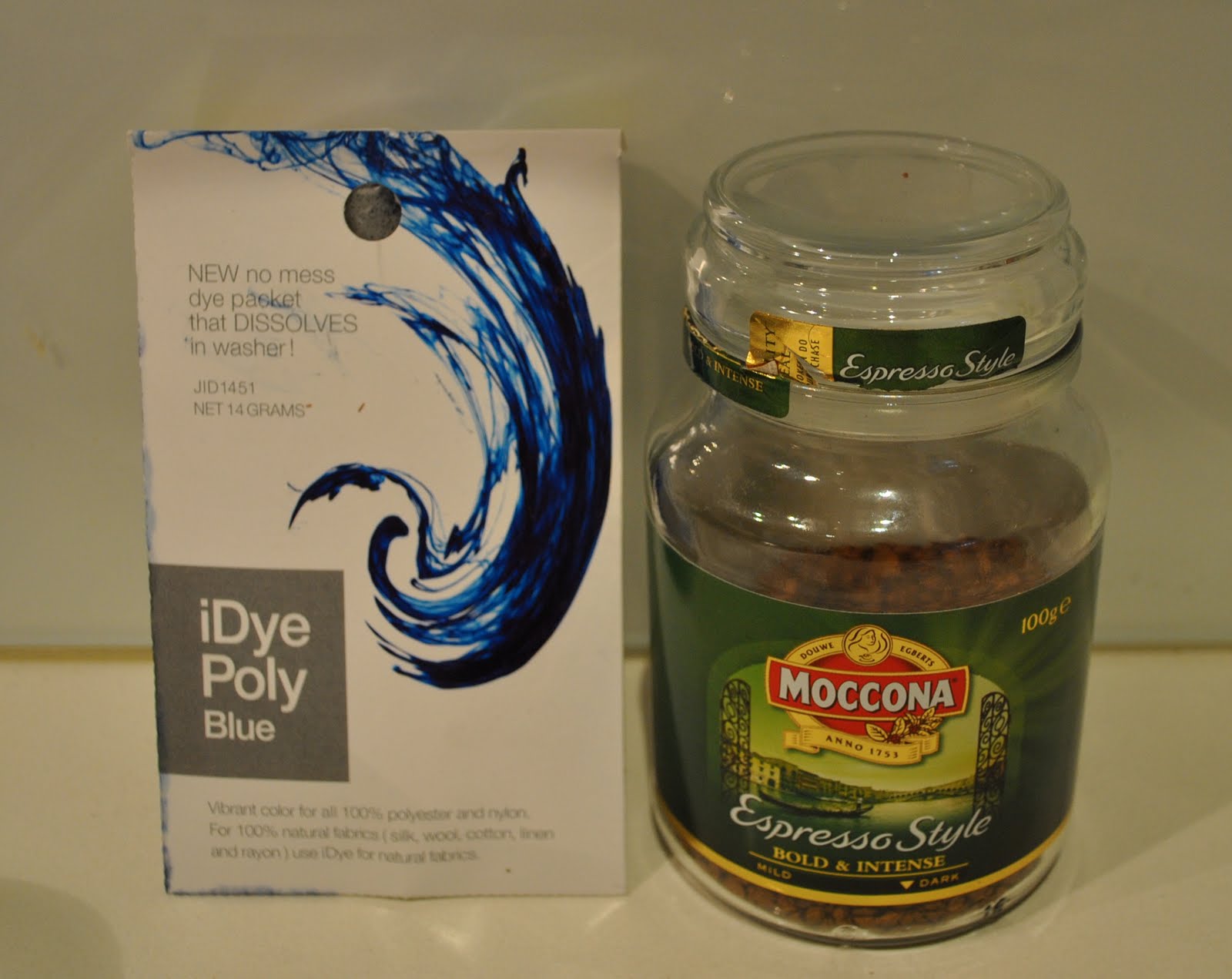
Now the most significant part of the dyeing phase is the first few seconds, when you first immerse your fabric.  That is why whenever I’ve read about people’s dyeing experiments on the internet and they pause to take a few photos of their fabric partway dunked into the dye bath, you just know they are going to end up with a blotchy dye job…  The best way to get an nice evenly distributed colour is to have your fabric thoroughly soaked through, and then dunk it in the dye bath firmly and decisively in one quick movement, then to swirl and whoosh it (technical terms there) around as thoroughly as possible for the first minute or so.  This is when the majority of the dye will take.  So, since I had dyed my skirt in this for the requisite thirty minutes already, I knew the dye wouldn’t have much oomph left in it (another highly technical term there).  But I was OK with a lighter blue outcome.  For a bit of a smudgy colour (yet more techno-jargon) I decided to add a bit of coffee to the colour mix.  No, not coffee-coloured dye, but some actual genuine coffee.  Although my husband doesn’t view this as real coffee at all, but let’s not get into that debate!… I added half a jar of this instant coffee to the dye bath, and away we went.

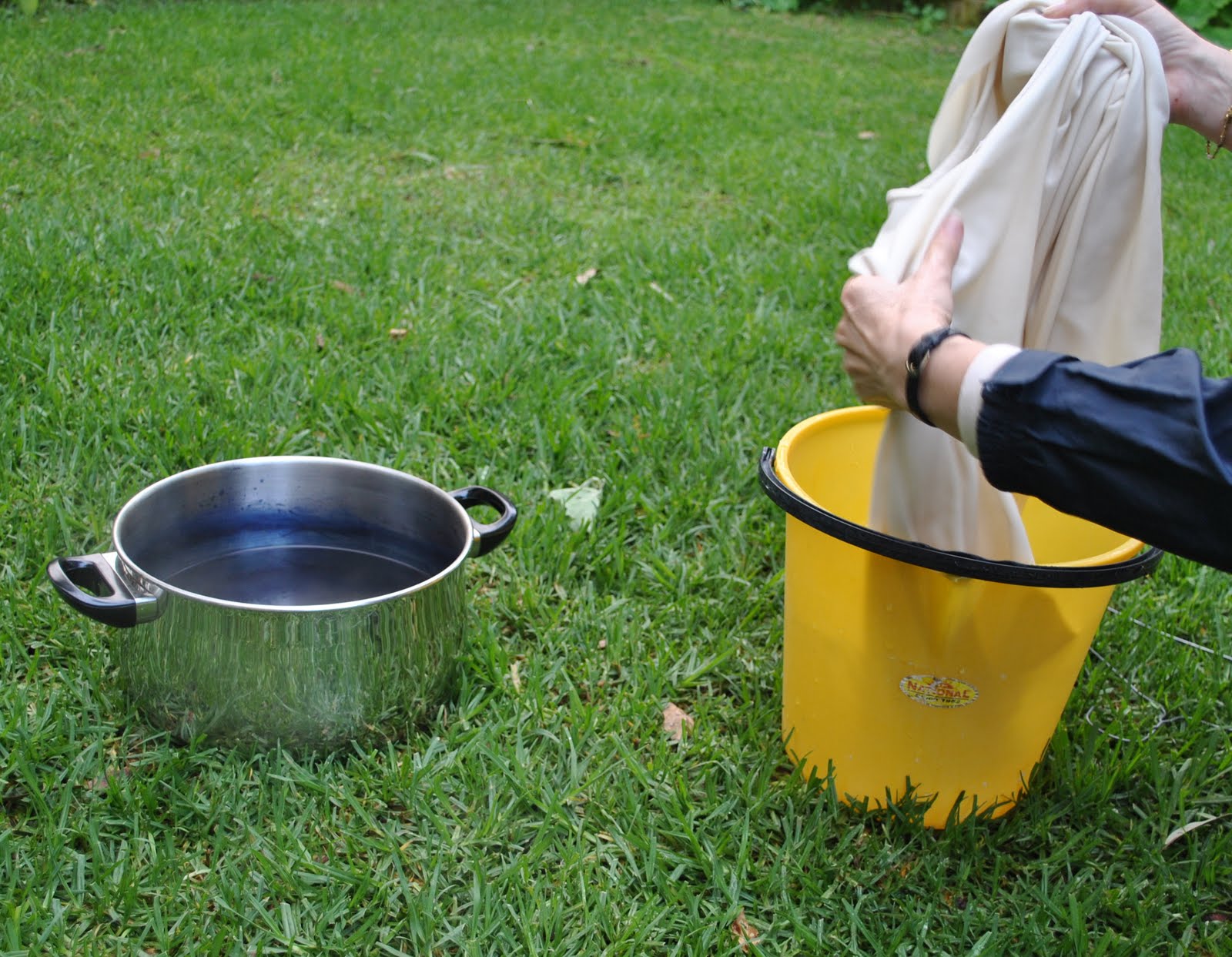
Fully soaked fabric,

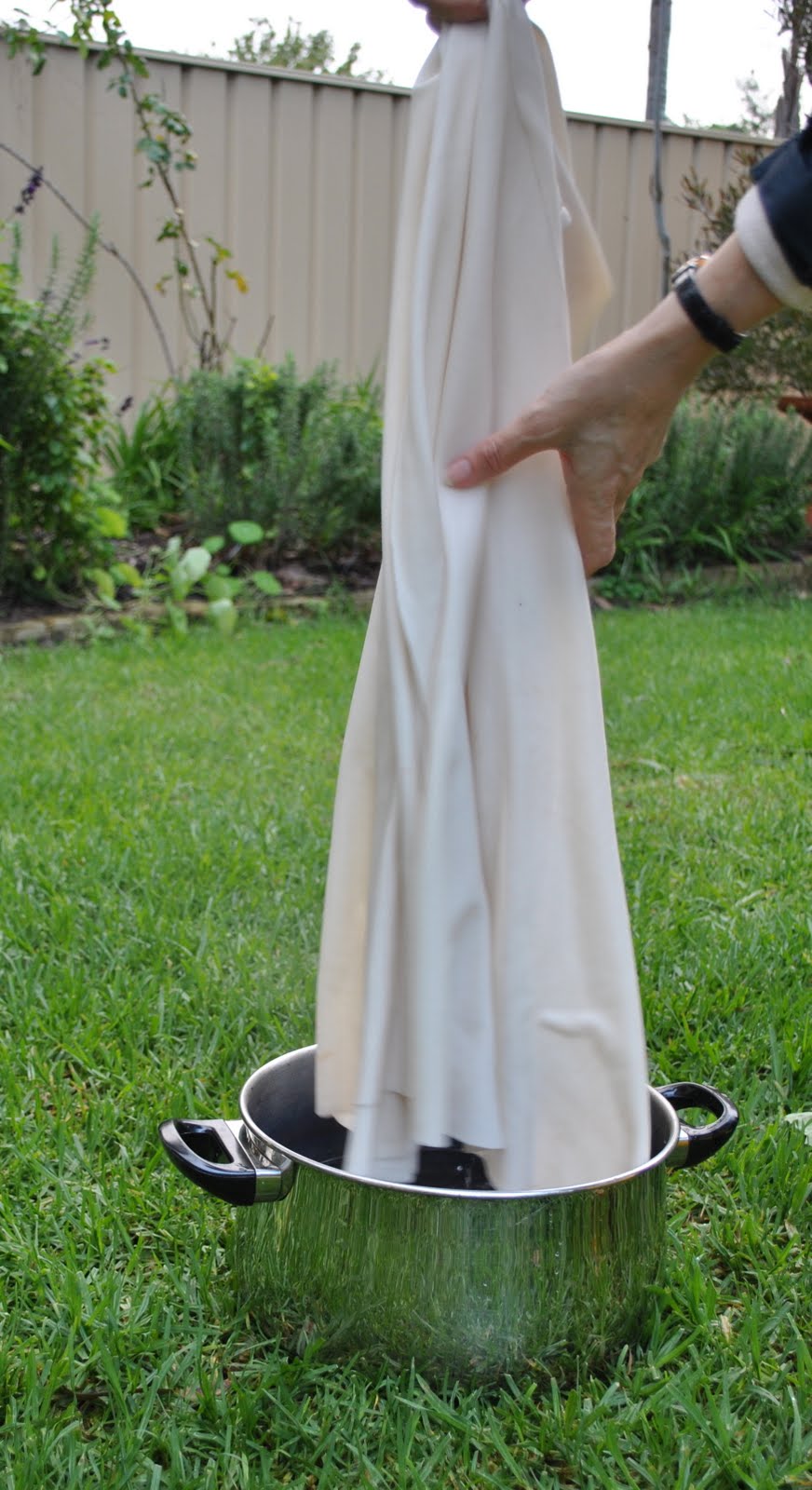
into the dye bath.

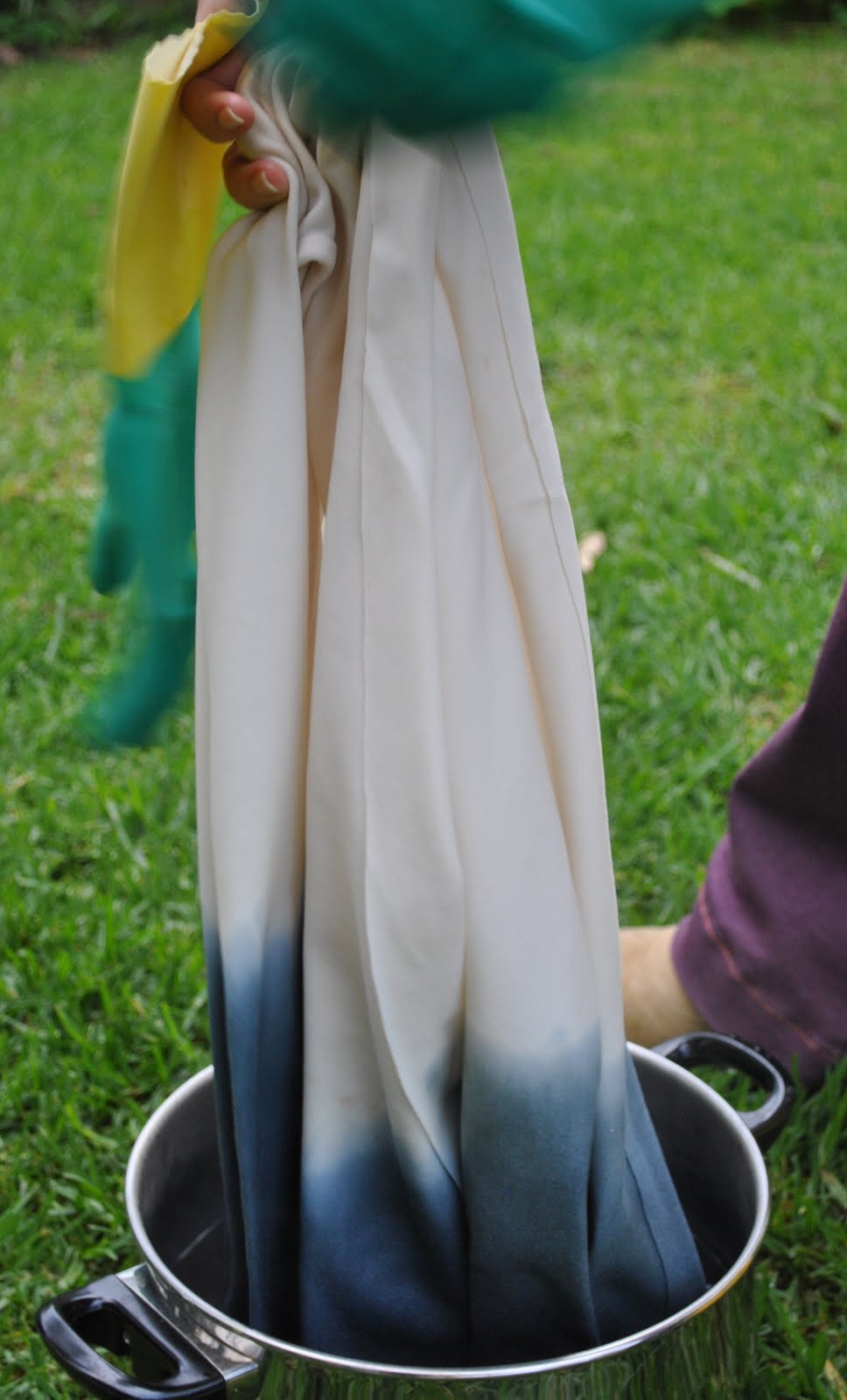
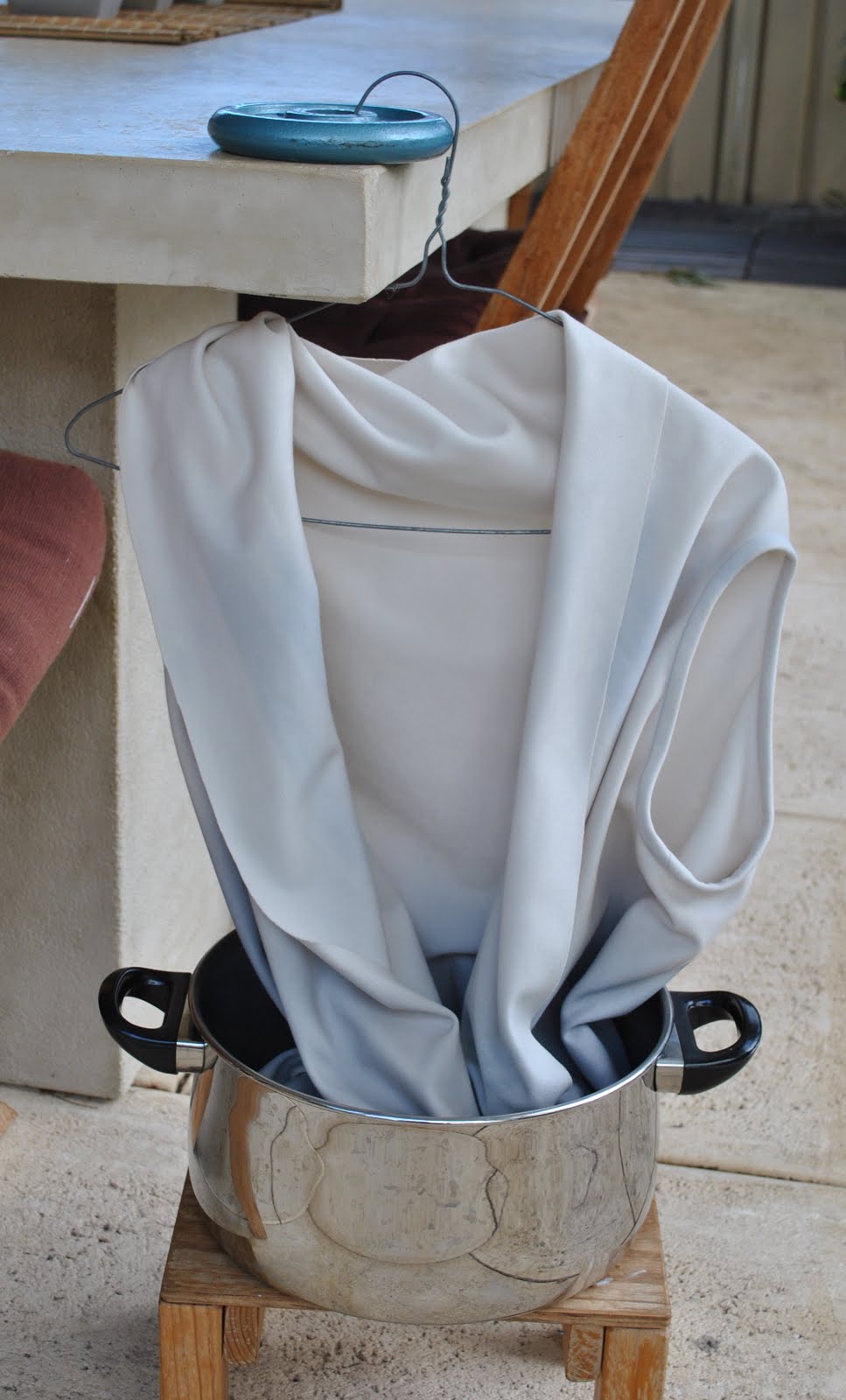
I stood holding it half dunked in like this, slowly moving it further down into the pot over a few minutes time, and trying to separate and move the folds about, both as thoroughly as I dared and as gently as I could to get the fabric reasonably evenly immersed and not to allow any folded bits to stay stuck together.  Then I moved the whole shebang (‘nother technical term, hehe, I’m going all out today!) over to the table where I had set up this arrangement.  I took this photo later after everything was washed and cleaned up; I had other stuff to do and forgot to take a photo during, but this is just how it looked…)

After a good thirty minutes like this I rinsed it out and hung it flat as I could out on the line to air dry.
Now, obviously this dye pot with its small surface area presentation is not the ideal way to dip-dye, or this fabric has particularly good capillary qualities, because in the two areas where the fabric was bunched and folded in front of the armholes you can just see where the blue dye crept up up and up by itself separately from the brown coffee component while it was sitting half in the dye bath.  You might not be able to see it very well it is quite subtle… BUT it is there.
That, my friends, is known as capillary action, and is the basis of chromatography.  Little science lesson for you there… I used to work with different chromatography systems every day when I was an analytical chemist.  Ancient history now, hehe.  
So there it is.  I’m happy, and love the smudgy subtle colour I got here.  I’m extremely pleased with the graduation of colour from dark to light, it is way better than I could have hoped for!  The little bit of chromatography up in front of the armholes is slightly disappointing, but I can live with it as it is pretty unobtrusive, and is covered up with the folded collar when I’m wearing it.
(Later edit: I tossed the wrap in the washing machine, and the “chromatography” effect has disappeared!  My wrap is now just as I wanted! SCORE!!)

Details:
Wrap; “f” from Unique Clothes Any Way You Like by Natsuno Hiraiwa, cream coloured knit stuff, dip-dyed in iDye Poly in Blue and coffee
Top; Ezibuy
Skirt; skirt “d” from Unique Clothes Any Way You Like, but Natsuno Hiraiwa, details here, and to see this skirt styled in 6 different ways go here
Boots; Andrea and Joen, from Uggies in Dunsborough

pinterestmail

Blue-black basic

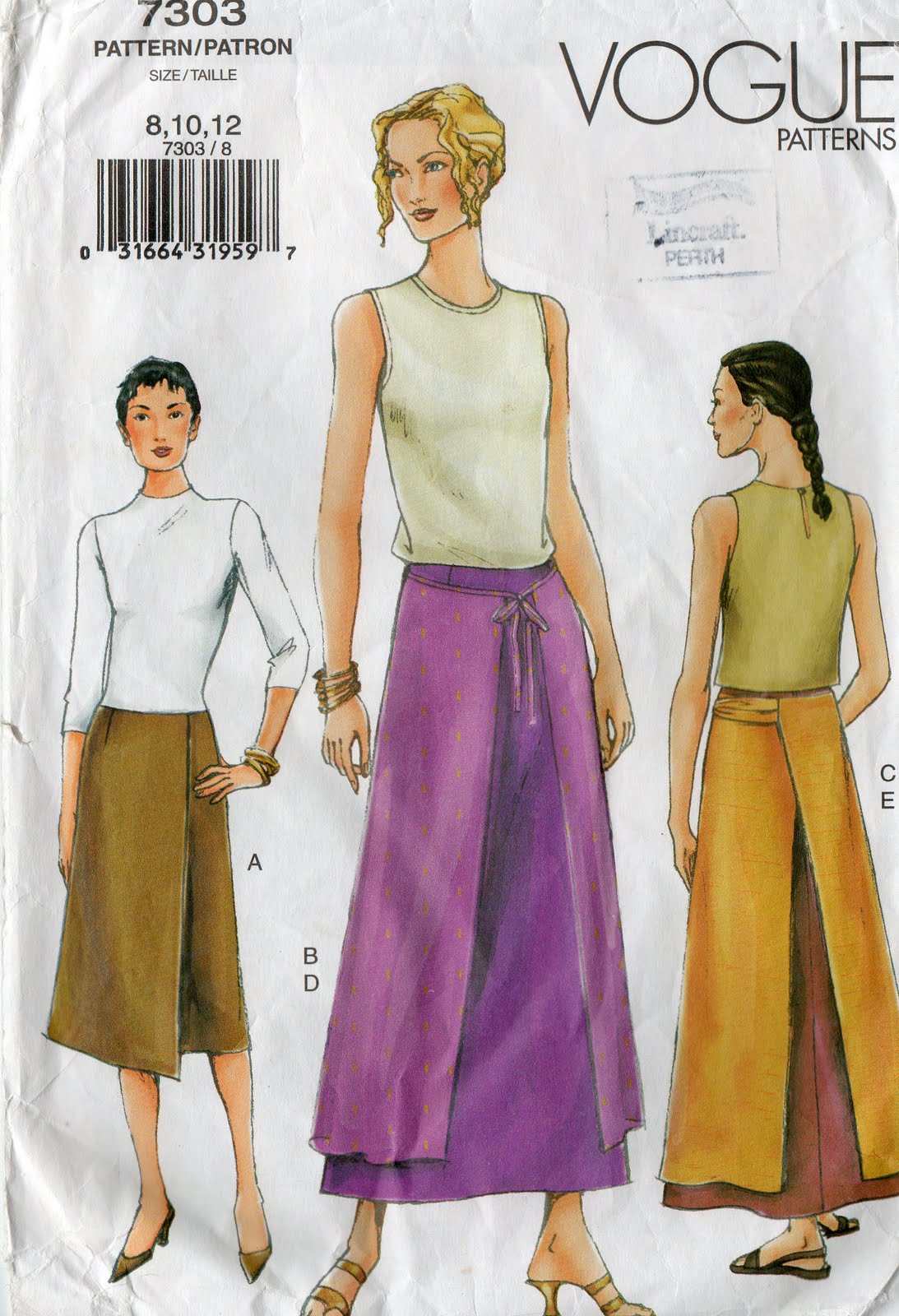
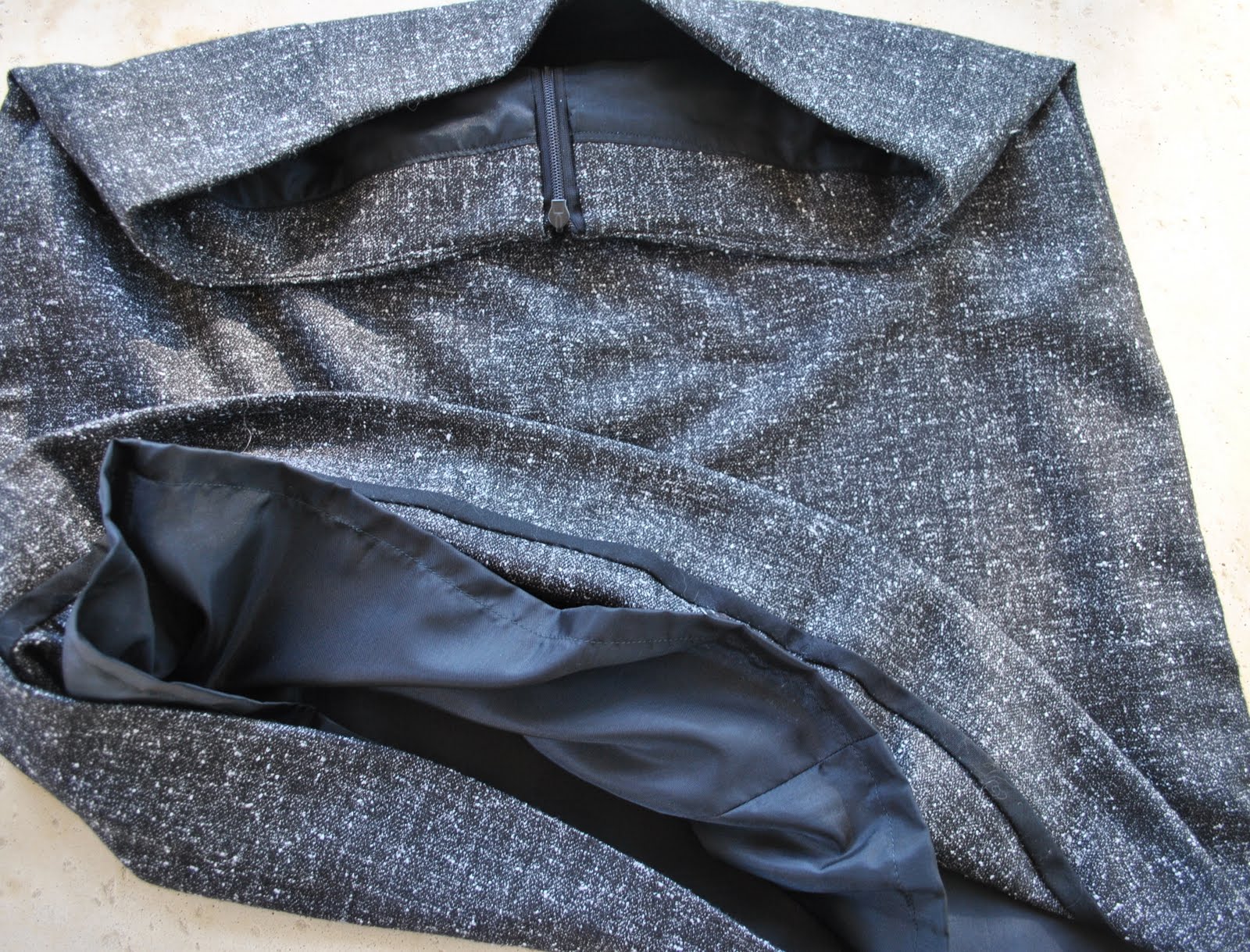
A new skirt… I’ve been casting a critical eye over some of my older skirts, and much as I still love them I can see some are sadly looking a wee bit on the shabby side.  So with the warmer weather just around the corner (thinking positively here) I’m looking to replace some of them.  I had a shortish length of charcoal fabric sitting in my fabric pile, leftover after Cassie had made herself a skirt.  Only about 65cm, and when I have leftovers of this measly size the standby option is often my old trusty faithful skirt pattern Vogue 7303.  So I made it up; lined with black acetate lining fabric, and hemmed with a bias strip of black cotton.  The inner raw edges are overlocked to finish.
But the colour was deeply uninspiring.  I hung it up in my wardrobe and it actually sat there for over a week with no desire on my part to wear it even once…  and really I do have a perfectly good little charcoal skirt already, and a newish black skirt too.  The fabric is a marle, woven in a drill-like weave similar to a denim, and had a distinct white fleck amongst the predominant charcoal grey, so I thought the white fleck-y parts of it would take up a strong coloured dye OK to give it a sheen of some colour.
So two days ago the brand new skirt was plunged recklessly into the murky depths of the dye-pot…
(before)

Do you like my dyeing stick; for stirring, poking and prodding?  I found it in the garden, and it has a perfectly placed twist in it to enable it to sit stably against the edge of the pot.  Pretty good, huh?
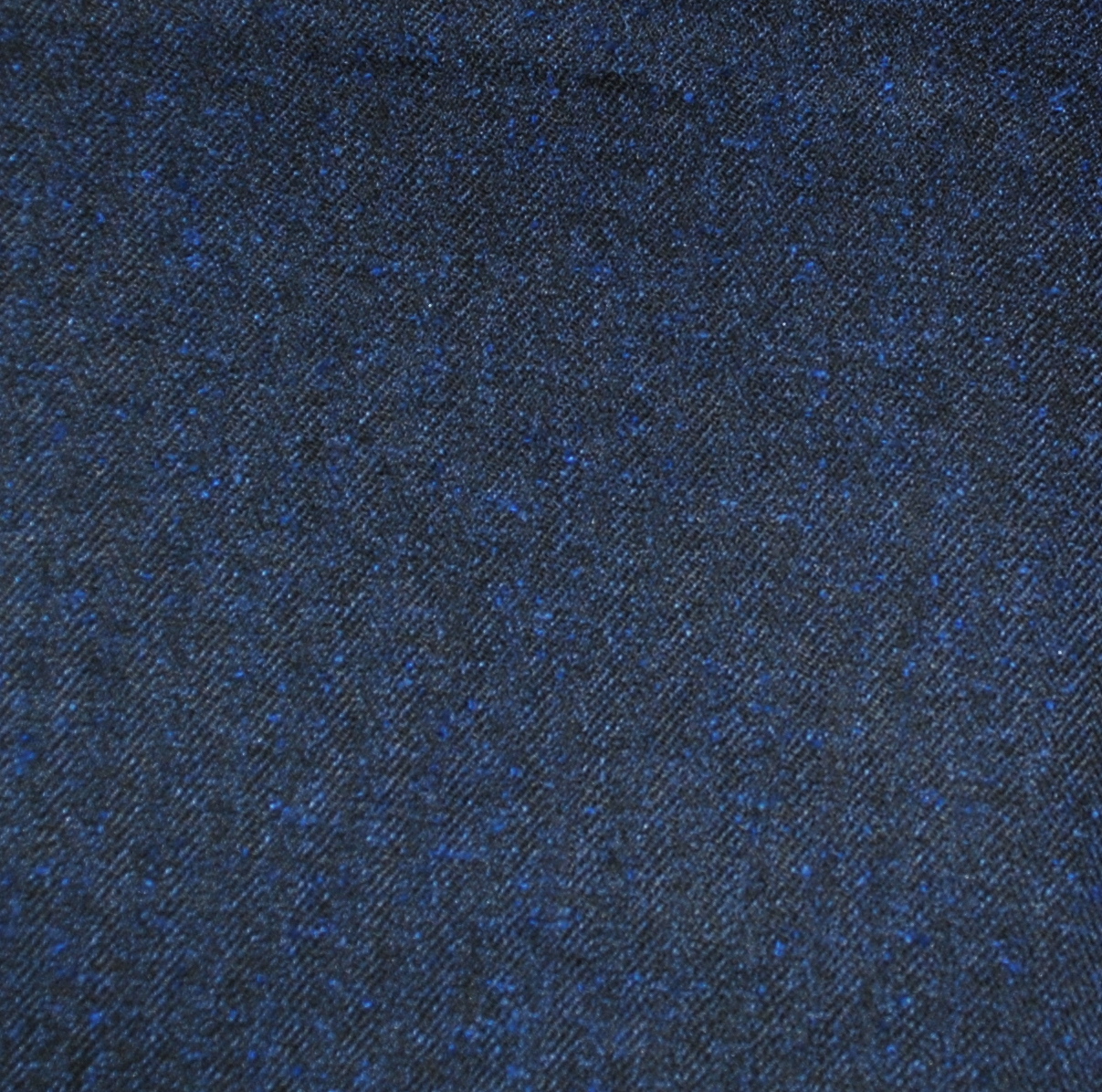
 I used iDye Poly in Blue and am pretty happy with this new deeply intense navy-blue colour.  The fabric doesn’t look like suiting any more, but now looks in close-up a bit like a soft woollen denim.  Quite interesting, and more inspiring than the rather predictable “before” skirt.  

Oh OK; I agree it’s still not a super exciting skirt but I think it will turn out to be a very useful little basic, as seemingly boring garments often are.
And it sure does feel gooooood to get rid of those leftovers from the stash!  In the past few months I’ve managed to use up several smaller amounts of fabric and gained useful garments in the process, so I’m feeling pretty virtuous right now.  Virtuous enough to offset just a little of the guilt from three new pieces of fabric recently added to my collection, anyway… hehehe.

Details:
Skirt; Vogue 7303 with modifications, charcoal marle fabric dyed with iDye Poly in Blue
Top; Veronika Maine
Cardigan and tights; Metalicus
Scarf; made by me with a jersey offcut, details here
Shoes; Django and Juliette, from Zomp shoes

pinterestmail
Switch to mobile version
↓